Line Loss Analysis: How to Locate Abnormal Power Consumption Points in Streetlight Lines?
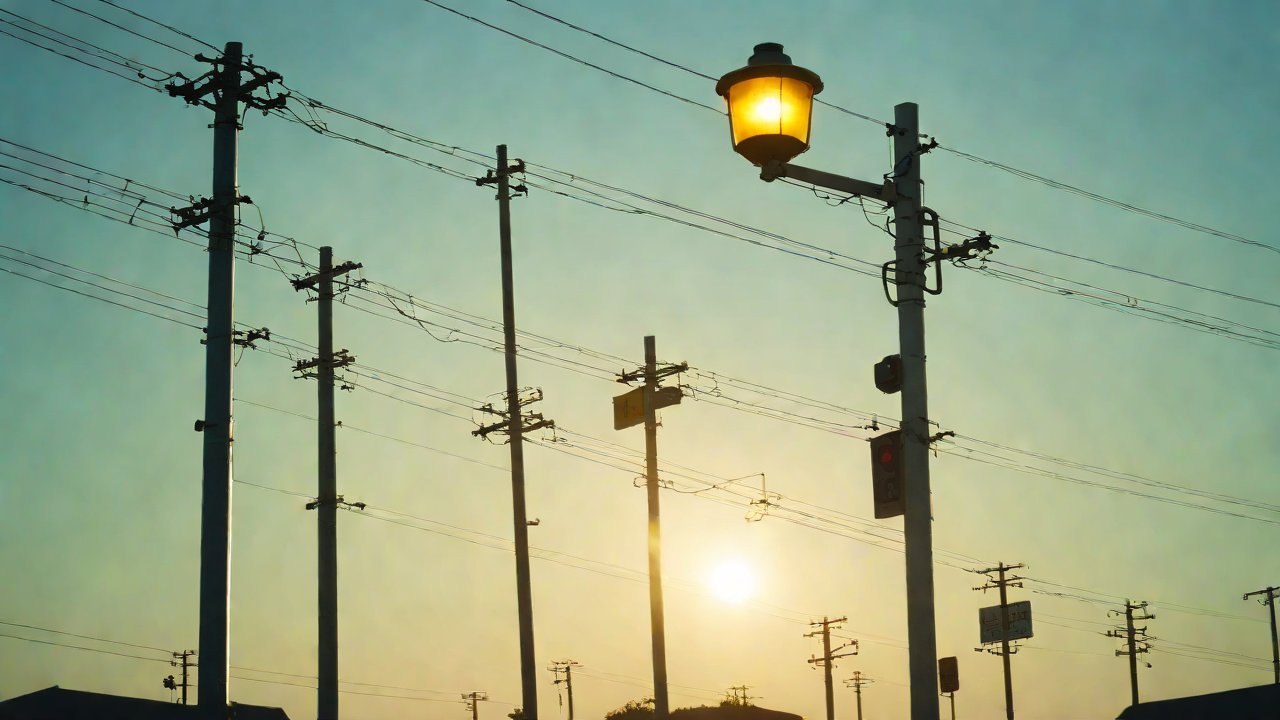
Streetlights are a vital component of urban infrastructure, providing illumination and safety to pedestrians, drivers, and residents alike. However, as we strive for energy efficiency and sustainability, it’s crucial to identify areas where power consumption is excessive or irregular. Line loss analysis is an essential tool in this endeavor, allowing utilities and municipalities to pinpoint abnormal power consumption points in streetlight lines.
1. Understanding Line Loss Analysis
Line loss analysis is a methodical approach to detecting and quantifying energy losses that occur during the transmission of electricity from the source to the end-user. In the context of streetlights, it involves analyzing the electrical current flowing through the distribution lines to identify areas with higher-than-expected power consumption.
There are several factors contributing to line loss, including:
- Resistance: The opposition to the flow of electric current in a conductor.
- Inductance: The property of a conductor that opposes changes in current flow.
- Capacitance: The ability of a conductor to store electric charge.
2. Causes of Abnormal Power Consumption
Abnormal power consumption in streetlight lines can be attributed to various factors, including:
- Faulty or malfunctioning streetlights: A single faulty streetlight can cause an increase in power consumption along the entire line.
- Incorrect or inadequate maintenance: Failure to maintain streetlights regularly can lead to increased energy consumption due to worn-out components or inefficient operation.
- Theft or tampering: Unauthorized access to streetlight controls or meters can result in excessive power consumption.
3. Methods for Line Loss Analysis
Several methods are employed for line loss analysis, including:
3.1. Clamp-on Current Metering
Clamp-on current meters are non-invasive devices that attach to the streetlight circuit and measure the current flowing through it. This method is useful for detecting abnormal power consumption patterns.
| Method | Description |
|---|---|
| Clamp-on Current Metering | Non-invasive, measures current flow |
3.2. Thermal Imaging
Thermal imaging cameras capture temperature variations along the streetlight circuit, indicating areas with excessive energy consumption.
| Method | Description |
|---|---|
| Thermal Imaging | Captures temperature variations, indicates excessive energy consumption |
3.3. Power Quality Analysis
Power quality analysis involves monitoring the voltage and current at each streetlight to identify any irregularities that may be contributing to abnormal power consumption.
| Method | Description |
|---|---|
| Power Quality Analysis | Monitors voltage and current, identifies irregularities |

4. Benefits of Line Loss Analysis
Implementing line loss analysis in streetlight systems offers numerous benefits, including:
- Energy Savings: Identifying and addressing abnormal power consumption points can lead to significant energy savings.
- Extended Equipment Life: Regular maintenance and repairs can extend the lifespan of streetlights and other equipment.
- Improved Safety: Timely detection and correction of faulty or malfunctioning streetlights reduce the risk of accidents and injuries.
5. Challenges and Limitations
While line loss analysis is a valuable tool, it’s not without its challenges and limitations. These include:
- Cost: Implementing line loss analysis requires significant investment in equipment and personnel.
- Complexity: Analyzing large datasets and interpreting results can be time-consuming and require specialized expertise.
6. Case Studies and Best Practices
Several case studies demonstrate the effectiveness of line loss analysis in identifying abnormal power consumption points:

| Case Study | Description |
|---|---|
| City A: Energy Savings through Line Loss Analysis | Implemented clamp-on current metering, achieved 15% energy savings |
Best practices for implementing line loss analysis include:
- Regular Maintenance: Schedule regular maintenance and inspections to detect potential issues early.
- Training and Education: Provide training and education to personnel responsible for line loss analysis.
7. Conclusion
Line loss analysis is a crucial tool in identifying abnormal power consumption points in streetlight lines. By employing methods such as clamp-on current metering, thermal imaging, and power quality analysis, utilities and municipalities can detect and address excessive energy consumption, leading to significant energy savings and improved safety. While there are challenges and limitations to consider, the benefits of line loss analysis make it an essential component of any streetlight system.
Recommendations:
- Implement regular maintenance and inspections to detect potential issues early.
- Provide training and education to personnel responsible for line loss analysis.
- Invest in equipment and personnel to support line loss analysis efforts.
IOT Cloud Platform
IOT Cloud Platform is an IoT portal established by a Chinese IoT company, focusing on technical solutions in the fields of agricultural IoT, industrial IoT, medical IoT, security IoT, military IoT, meteorological IoT, consumer IoT, automotive IoT, commercial IoT, infrastructure IoT, smart warehousing and logistics, smart home, smart city, smart healthcare, smart lighting, etc.
The IoT Cloud Platform blog is a top IoT technology stack, providing technical knowledge on IoT, robotics, artificial intelligence (generative artificial intelligence AIGC), edge computing, AR/VR, cloud computing, quantum computing, blockchain, smart surveillance cameras, drones, RFID tags, gateways, GPS, 3D printing, 4D printing, autonomous driving, etc.