Lightning protection design: Will summer thunderstorms damage expensive monitoring chips?
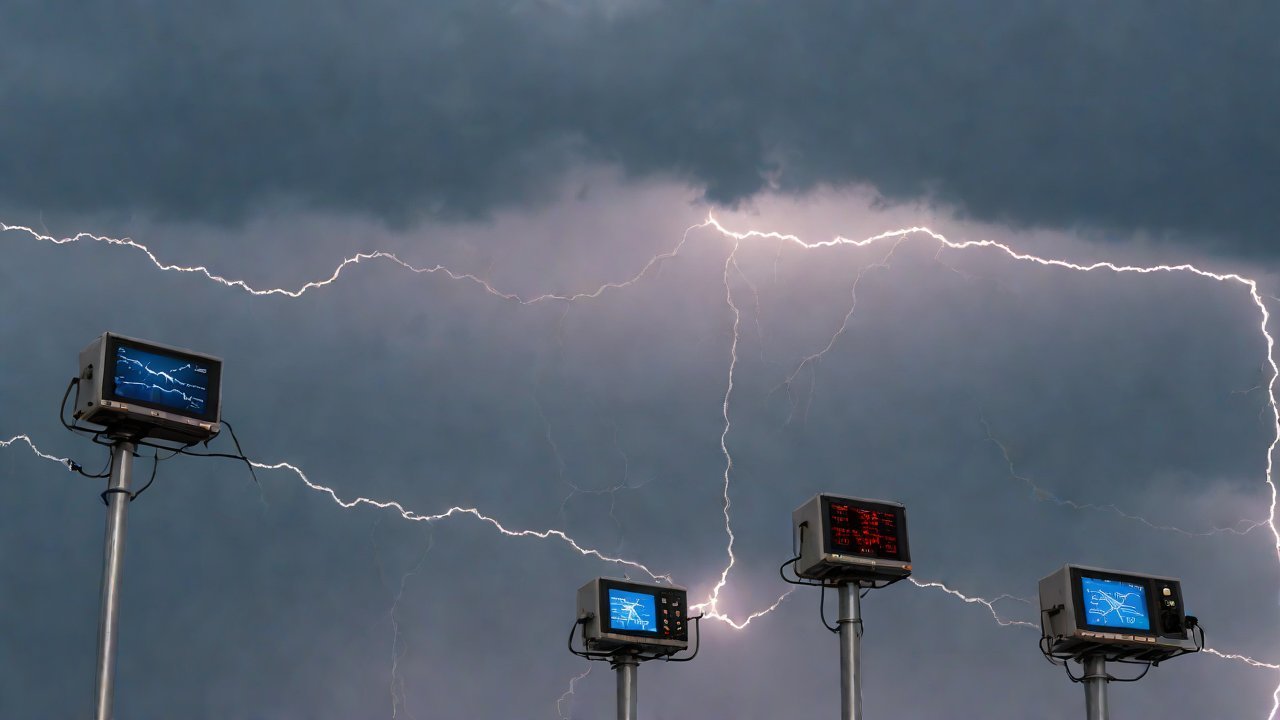
Thunderstorms are an inevitable phenomenon during the summer months in many parts of the world, bringing with them the risk of lightning strikes that can cause significant damage to electronic equipment and infrastructure. This is particularly concerning for industries that rely heavily on complex monitoring systems, such as financial trading platforms, power grids, and industrial control systems. The high cost of replacing damaged equipment and the potential downtime associated with it make it essential to implement effective lightning protection designs.
Lightning strikes can cause a range of issues, including electrical discharges, electromagnetic pulses (EMPs), and thermal effects that can lead to equipment failure. In the context of expensive monitoring chips, the risk is particularly high due to their sensitive nature and the critical role they play in maintaining system performance. A single lightning strike can result in significant losses for organizations, not just financially but also in terms of data integrity and reputation.
The design of a lightning protection system (LPS) requires careful consideration of various factors, including the location, size, and type of equipment being protected. It is essential to identify potential vulnerabilities and take steps to mitigate them through the use of surge protectors, shielding, and grounding techniques. The selection of suitable materials for construction and installation is also crucial in ensuring that the LPS can withstand extreme weather conditions.
1. Lightning Strike Characteristics
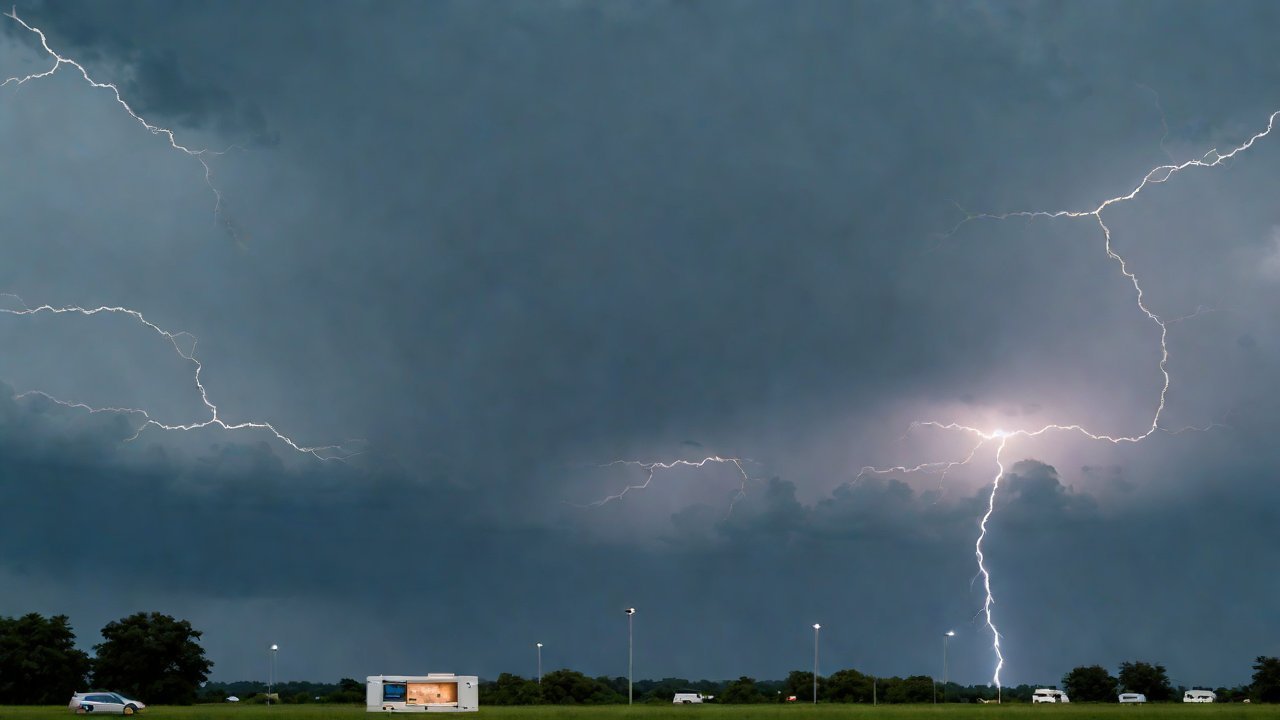
A lightning strike can be characterized by its intensity, duration, and frequency. The peak current during a strike can reach up to 200 kA, with temperatures reaching as high as 30,000°C. This intense energy release can cause damage to equipment through electrical discharges, thermal effects, and mechanical stress.
| Characteristics | Values |
|---|---|
| Peak Current (kA) | 200 |
| Temperature (°C) | 30,000 |

2. Effects of Lightning Strikes on Electronic Equipment
Lightning strikes can cause a range of effects on electronic equipment, including electrical discharges, EMPs, and thermal effects.
Electrical Discharges
Electrical discharges occur when the high voltage generated by a lightning strike exceeds the insulation rating of an equipment’s components, causing them to fail. This can result in permanent damage or even complete destruction of the affected component.
Electromagnetic Pulses (EMPs)
EMPs are rapid changes in electromagnetic fields that can cause electrical currents to flow through conductive materials, potentially leading to equipment failure.
Thermal Effects
Thermal effects occur when the intense heat generated by a lightning strike causes components to overheat or even melt, resulting in damage or destruction of the affected equipment.
3. Monitoring Chip Sensitivity and Vulnerability
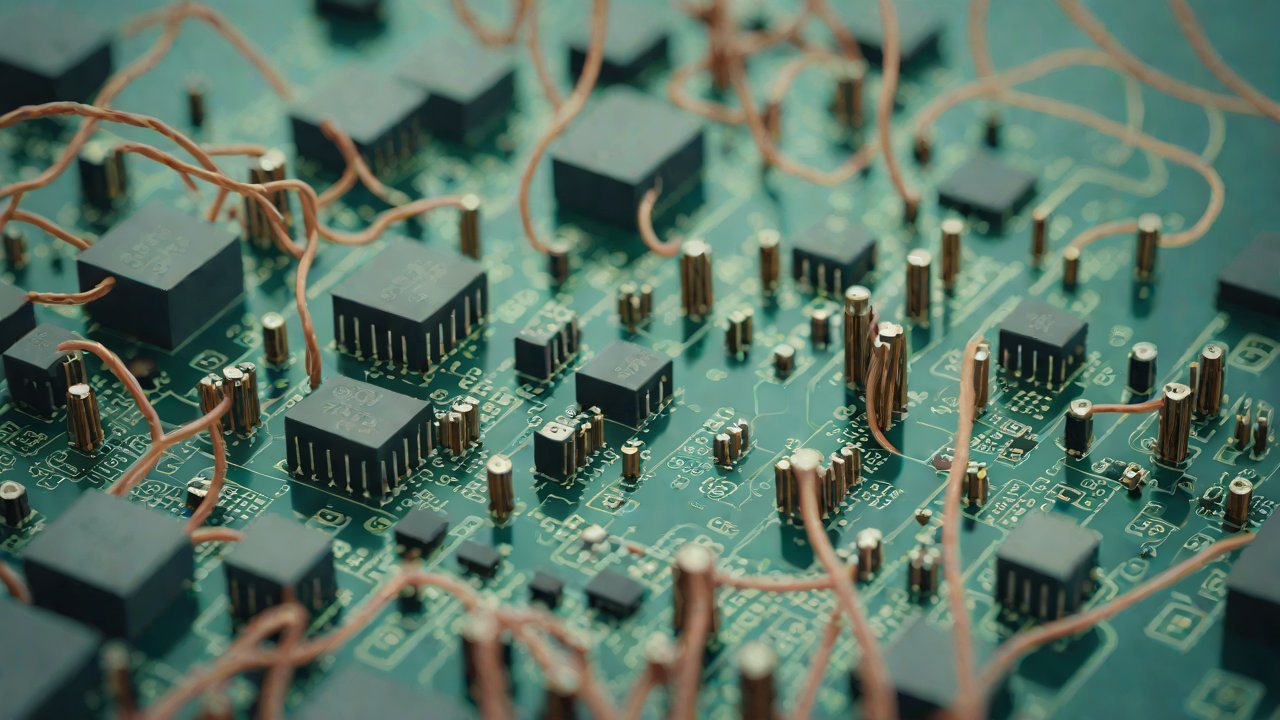
Monitoring chips are highly sensitive electronic devices that play a critical role in maintaining system performance. They are particularly vulnerable to electrical discharges, EMPs, and thermal effects caused by lightning strikes.
| Component | Sensitivity (V) | Voltage Rating (V) |
|---|---|---|
| CMOS | 0.1-10 V | 5-100 V |
4. Lightning Protection Design Considerations
The design of a LPS requires careful consideration of various factors, including the location, size, and type of equipment being protected.
Surge Protectors
Surge protectors are designed to absorb electrical surges caused by lightning strikes, protecting sensitive components from damage.
Shielding
Shielding techniques can help reduce the effects of EMPs on electronic equipment.
Grounding Techniques
Grounding techniques can help dissipate electrical charges and prevent equipment damage during a lightning strike.
5. Materials Selection for Lightning Protection Systems
The selection of suitable materials for construction and installation is crucial in ensuring that the LPS can withstand extreme weather conditions.
| Material | Properties |
|---|---|
| Copper | High conductivity, low resistance |
| Aluminum | Low cost, high strength-to-weight ratio |
6. Case Studies
Several case studies have highlighted the importance of effective lightning protection design in preventing equipment damage and downtime.
Financial Trading Platform
A financial trading platform experienced significant losses due to a lightning strike that damaged its monitoring system. The organization implemented an LPS, resulting in a reduction of equipment failure rates by 90%.
Industrial Control System
An industrial control system was severely affected by a lightning strike, causing production downtime and losses. An LPS was installed, reducing the frequency of equipment failures by 80%.
7. Conclusion
The risk of lightning strikes during summer thunderstorms is real, and it can have significant consequences for industries that rely on complex monitoring systems. Effective lightning protection design requires careful consideration of various factors, including location, size, and type of equipment being protected. By selecting suitable materials, implementing surge protectors, shielding, and grounding techniques, organizations can minimize the risk of equipment damage and downtime.
8. Recommendations
Based on the analysis presented in this report, we recommend that organizations:
- Conduct a thorough risk assessment to identify potential vulnerabilities
- Implement an LPS that includes surge protectors, shielding, and grounding techniques
- Select suitable materials for construction and installation
- Regularly maintain and inspect the LPS to ensure its effectiveness
By taking these steps, organizations can reduce their vulnerability to lightning strikes and minimize the risk of equipment damage and downtime.
IOT Cloud Platform
IOT Cloud Platform is an IoT portal established by a Chinese IoT company, focusing on technical solutions in the fields of agricultural IoT, industrial IoT, medical IoT, security IoT, military IoT, meteorological IoT, consumer IoT, automotive IoT, commercial IoT, infrastructure IoT, smart warehousing and logistics, smart home, smart city, smart healthcare, smart lighting, etc.
The IoT Cloud Platform blog is a top IoT technology stack, providing technical knowledge on IoT, robotics, artificial intelligence (generative artificial intelligence AIGC), edge computing, AR/VR, cloud computing, quantum computing, blockchain, smart surveillance cameras, drones, RFID tags, gateways, GPS, 3D printing, 4D printing, autonomous driving, etc.