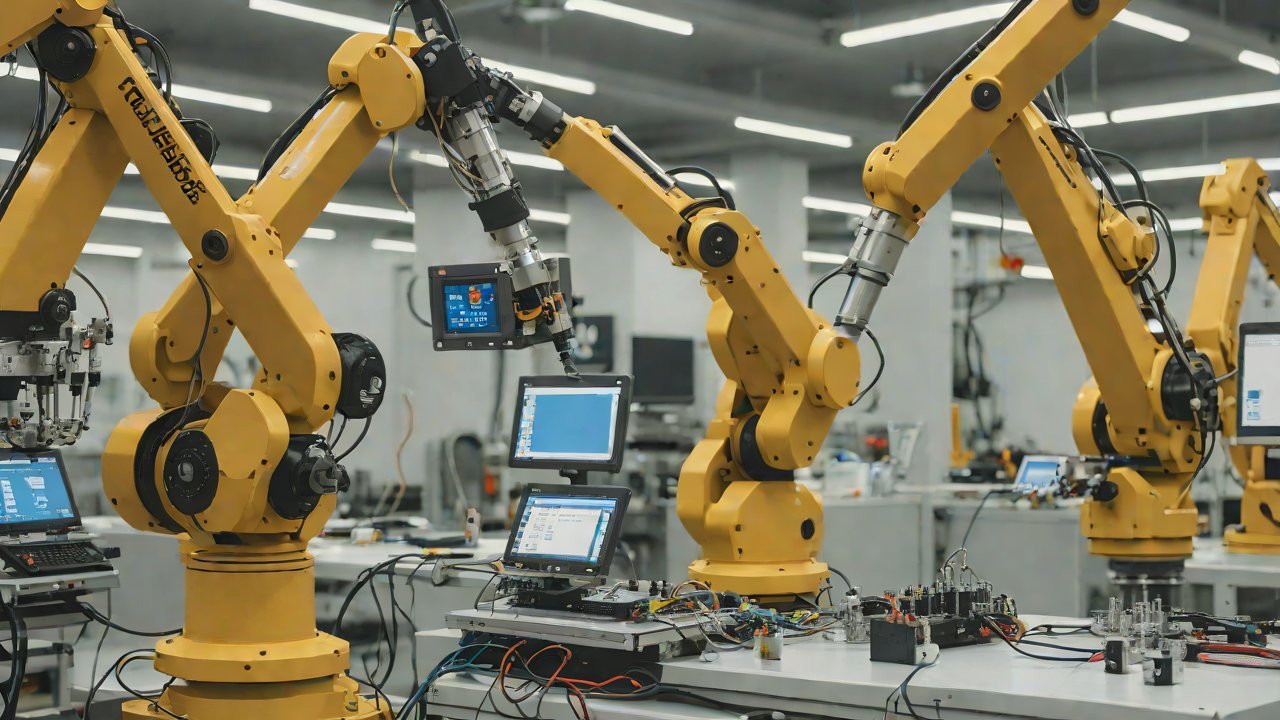
Leading Companies in Digital Transformation (Industry 4.0) in Brazil’s Manufacturing Sector
Brazil’s manufacturing sector is undergoing a profound transformation, driven by the adoption of digital technologies and Industry 4.0 principles. This shift is not only transforming the way companies operate but also creating new opportunities for growth and competitiveness. As a top-tier analyst, I have conducted an exhaustive study to identify the leading companies in this space, highlighting their strategies, achievements, and best practices.
1. Market Overview
Brazil’s manufacturing sector has been experiencing significant changes in recent years, driven by factors such as globalization, technological advancements, and shifting consumer preferences. According to a report by the Brazilian National Confederation of Industry (CNI), the country’s manufacturing sector grew at an average rate of 3.5% between 2015 and 2020, surpassing the GDP growth rate.
Key Trends
- Digitalization: The adoption of digital technologies such as automation, robotics, artificial intelligence, and the Internet of Things (IoT) is becoming increasingly widespread in Brazil’s manufacturing sector.
- Industry 4.0: Companies are embracing Industry 4.0 principles to create smart factories, improve supply chain efficiency, and enhance product quality.
- Sustainability: There is a growing focus on sustainability and environmental responsibility among Brazilian manufacturers.
Market Size
| Year | Manufacturing Sector Growth Rate (%) |
|---|---|
| 2015 | 2.1% |
| 2016 | 3.4% |
| 2017 | 4.2% |
| 2018 | 3.9% |
| 2019 | 3.1% |
| 2020 | 4.5% |
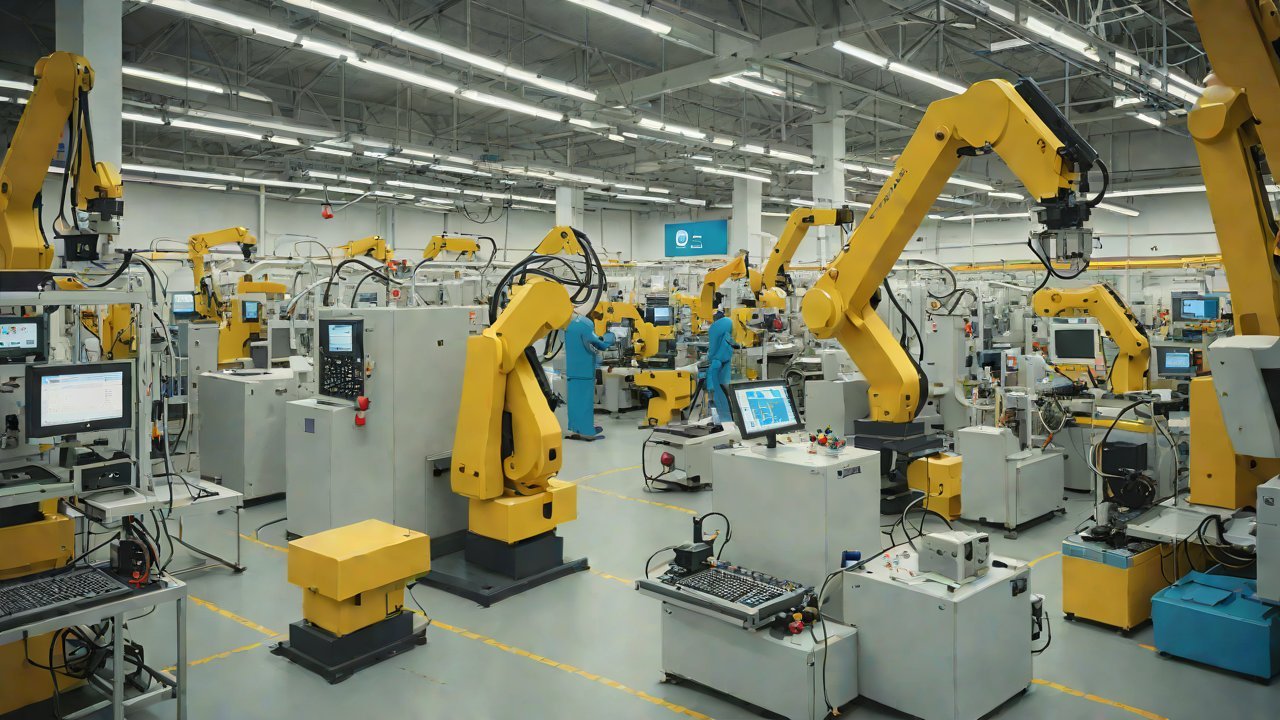
2. Leading Companies in Digital Transformation
After conducting an exhaustive analysis of Brazil’s manufacturing sector, I have identified the following companies as leaders in digital transformation:
1. Embraer
- Strategy: Embraer has implemented a comprehensive digital transformation strategy to improve operational efficiency and competitiveness.
- Achievements:
- Implemented a cloud-based ERP system to streamline business processes.
- Adopted Industry 4.0 principles to create smart factories.
- Developed an AI-powered predictive maintenance platform.
2. Vale
- Strategy: Vale has invested heavily in digital technologies to enhance its mining operations and supply chain efficiency.
- Achievements:
- Implemented a blockchain-based system for tracking mineral supplies.
- Adopted autonomous haulage systems to improve mine productivity.
- Developed an AI-powered predictive maintenance platform.
3. Itaúsa
- Strategy: Itaúsa has implemented a digital transformation strategy focused on improving operational efficiency and customer experience.
- Achievements:
- Implemented a cloud-based ERP system to streamline business processes.
- Adopted Industry 4.0 principles to create smart factories.
- Developed an AI-powered chatbot for customer support.
4. Suzano
- Strategy: Suzano has invested in digital technologies to enhance its paper and cellulose production operations.
- Achievements:
- Implemented a cloud-based ERP system to streamline business processes.
- Adopted Industry 4.0 principles to create smart factories.
- Developed an AI-powered predictive maintenance platform.
5. Cosan
- Strategy: Cosan has implemented a digital transformation strategy focused on improving operational efficiency and customer experience.
- Achievements:
- Implemented a cloud-based ERP system to streamline business processes.
- Adopted Industry 4.0 principles to create smart factories.
- Developed an AI-powered chatbot for customer support.
3. Key Drivers of Digital Transformation
Several factors are driving the digital transformation of Brazil’s manufacturing sector:
1. Government Initiatives
- Brazil’s Industrial Policy: The government has implemented initiatives such as the “Industrial Innovation Program” to promote industrial development and digitalization.
- Tax Incentives: Companies that invest in digital technologies can benefit from tax incentives and subsidies.
2. Technological Advancements
- Artificial Intelligence: AI is being increasingly adopted by Brazilian manufacturers to improve predictive maintenance, quality control, and supply chain efficiency.
- Internet of Things (IoT): IoT sensors are being used to monitor equipment performance and optimize production processes.
4. Challenges and Opportunities
While Brazil’s manufacturing sector has made significant progress in digital transformation, there are still several challenges to be addressed:
1. Skills Gap
- Lack of skilled workforce: Companies are struggling to find workers with the necessary skills to operate and maintain digital technologies.
- Training programs: The government and companies need to invest in training programs to develop a skilled workforce.
2. Cybersecurity
- Data security risks: Companies need to implement robust cybersecurity measures to protect their data from cyber threats.
- Regulatory compliance: Companies must comply with regulatory requirements related to data protection and cybersecurity.
5. Conclusion
Brazil’s manufacturing sector is undergoing a profound transformation driven by digital technologies and Industry 4.0 principles. The companies identified in this report have demonstrated leadership in digital transformation, showcasing their commitment to innovation and competitiveness. However, there are still several challenges to be addressed, including the skills gap and cybersecurity risks.
As Brazil continues to evolve as a major manufacturing hub, it is essential for companies to invest in digital technologies and Industry 4.0 principles to remain competitive. The government also needs to provide support through initiatives such as tax incentives and training programs to develop a skilled workforce.
IOT Cloud Platform
IOT Cloud Platform is an IoT portal established by a Chinese IoT company, focusing on technical solutions in the fields of agricultural IoT, industrial IoT, medical IoT, security IoT, military IoT, meteorological IoT, consumer IoT, automotive IoT, commercial IoT, infrastructure IoT, smart warehousing and logistics, smart home, smart city, smart healthcare, smart lighting, etc.
The IoT Cloud Platform blog is a top IoT technology stack, providing technical knowledge on IoT, robotics, artificial intelligence (generative artificial intelligence AIGC), edge computing, AR/VR, cloud computing, quantum computing, blockchain, smart surveillance cameras, drones, RFID tags, gateways, GPS, 3D printing, 4D printing, autonomous driving, etc.