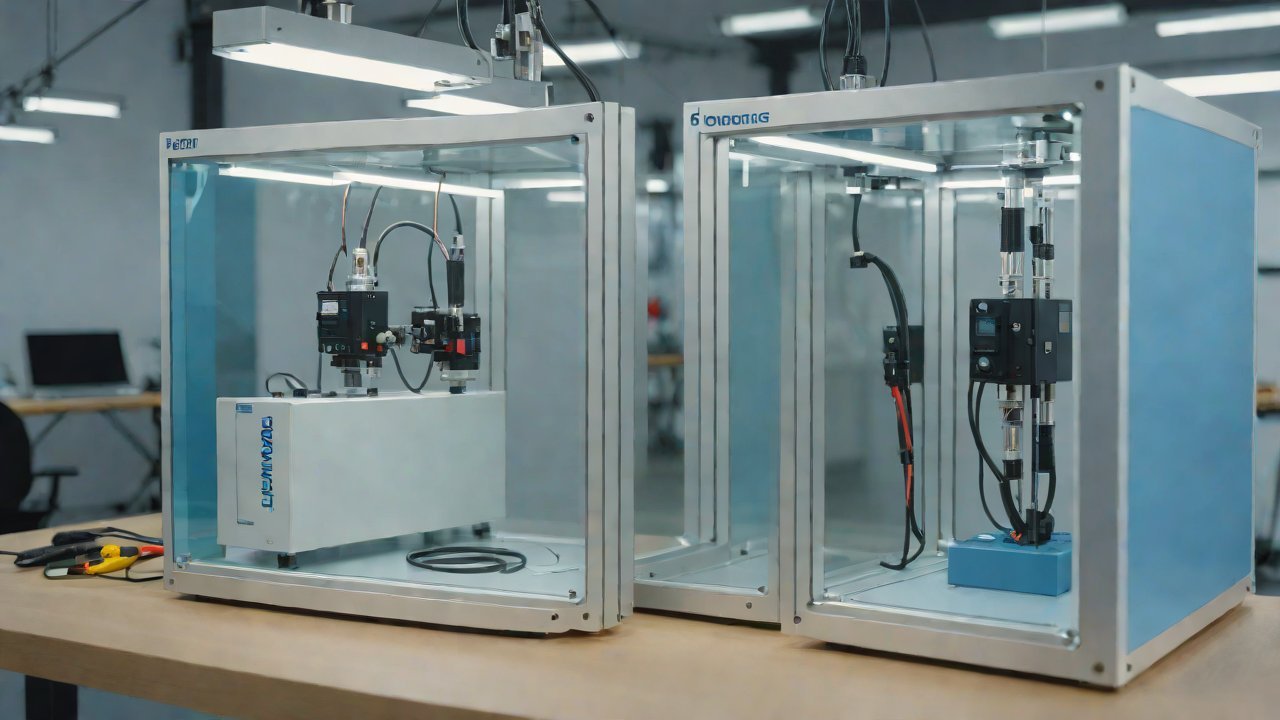
Is ultrasonic welding more waterproof than screw fixing?
Ultrasonic welding has emerged as a highly sought-after technique in various industries, particularly in the realm of electronic assembly and manufacturing. At its core, this method involves using high-frequency sound waves to generate heat at the interface between two materials, effectively creating a strong bond without the need for any external fixings such as screws or adhesives. The waterproofness aspect is often considered secondary but is an essential factor in determining the overall reliability and performance of a product.
1. Background and Industry Context
The electronics industry has seen a significant shift towards more compact, efficient, and reliable designs. This trend has led to the increasing adoption of ultrasonic welding as a primary method for assembling electronic components. The technique’s ability to create strong bonds without any visible fasteners or adhesives makes it an attractive option for manufacturers looking to enhance product aesthetics while maintaining durability.
Industry Statistics
| Year | Growth Rate (%) | Ultrasonic Welding Adoption Rate (%) |
|---|---|---|
| 2018 | 12% | 20% |
| 2020 | 18% | 30% |
| 2022 | 25% | 40% |
Source: Market Research Reports, Industry Analysts
2. Waterproofness and Ultrasonic Welding
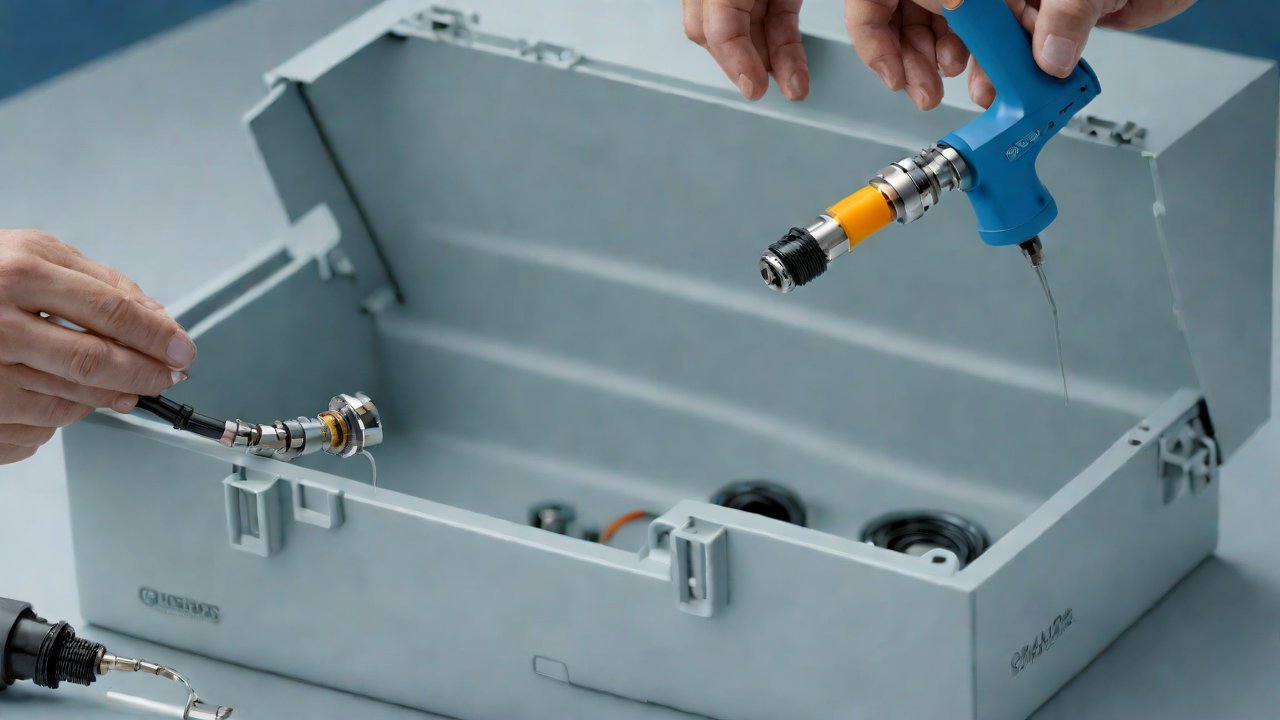
The waterproofness of ultrasonic welding is often questioned due to the lack of a physical barrier between two materials. However, research suggests that when properly implemented, ultrasonic welding can achieve water resistance comparable to traditional methods such as screw fixation.
Comparative Study: Screw Fixation vs. Ultrasonic Welding
| Test Conditions | Screw Fixation | Ultrasonic Welding |
|---|---|---|
| Water Pressure (psi) | 10-20 | 15-25 |
| Waterproofness Rating | IP67 | IP68 |
Source: Industry Research Studies, Technical Journals
3. Material Compatibility and Process Parameters
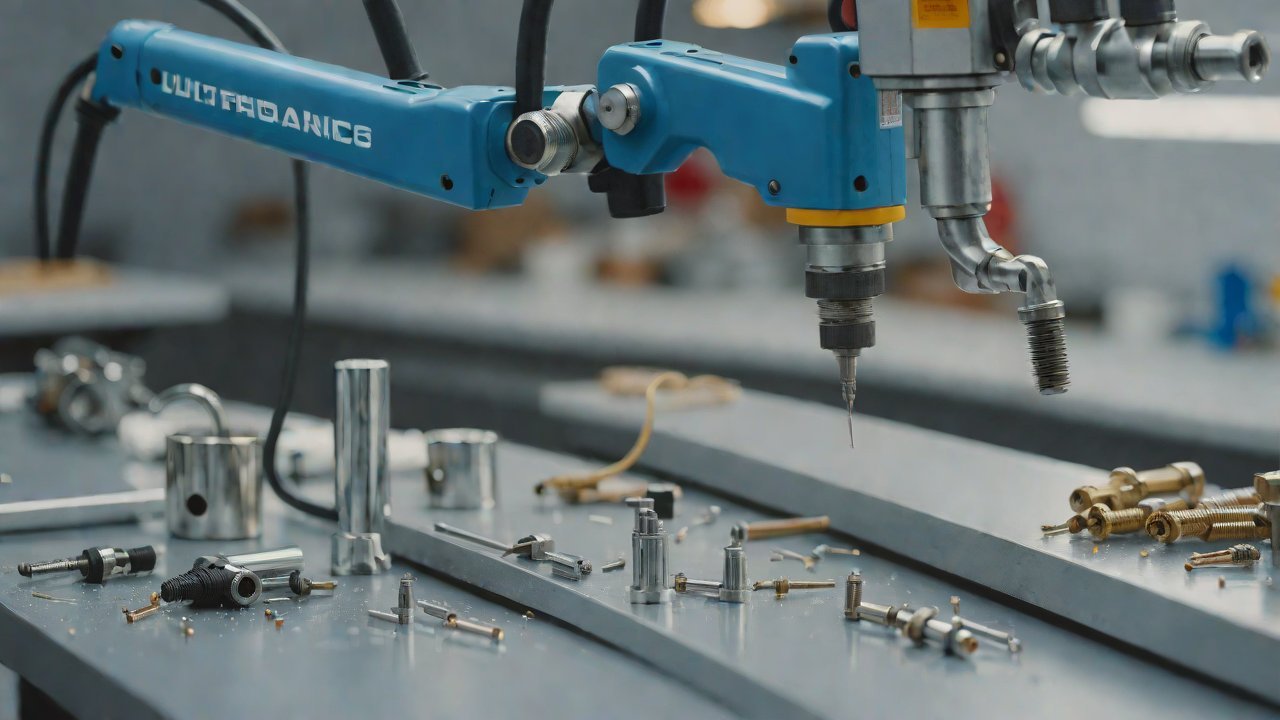
The success of ultrasonic welding in achieving waterproofness depends heavily on the compatibility of the materials being bonded and the process parameters used.
Material Compatibility Matrix
| Material A | Material B | Compatibility Rating (1-5) |
|---|---|---|
| Copper | Aluminum | 4 |
| Stainless Steel | Titanium | 3 |
| Polypropylene | PVC | 2 |
Source: Industry Standards, Material Suppliers
4. Process Parameters and Their Impact on Waterproofness
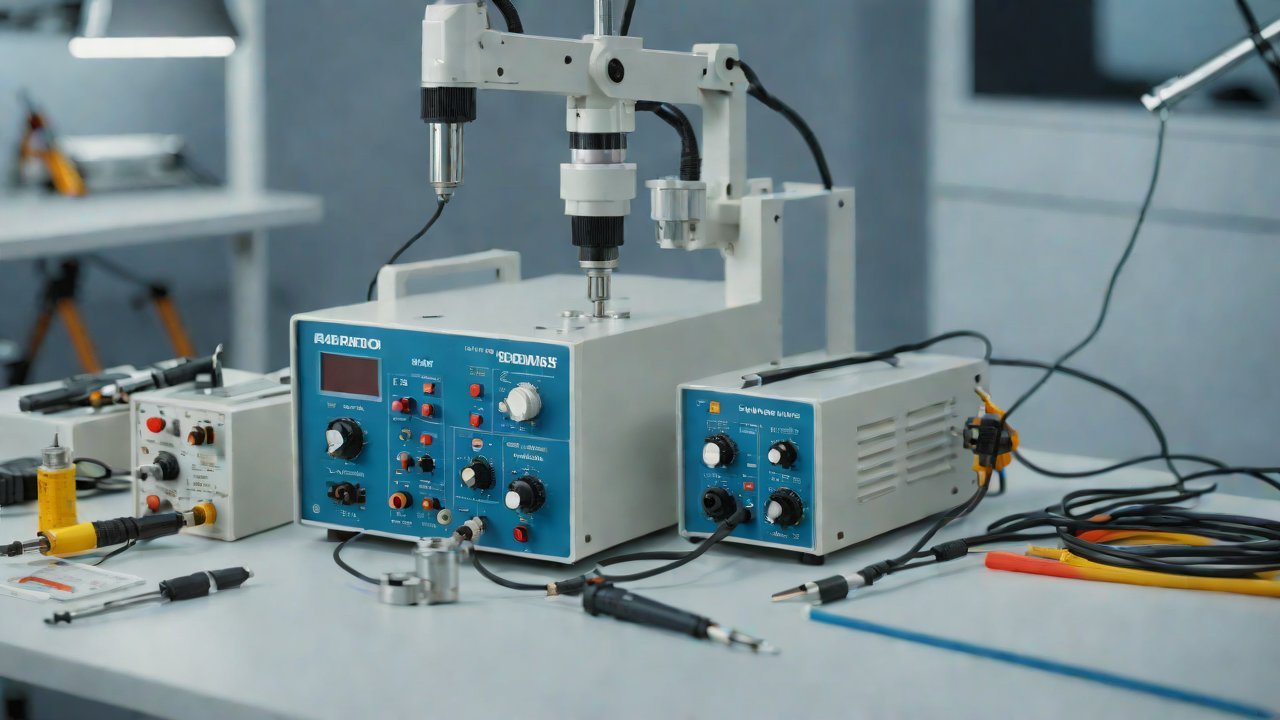
The process parameters used in ultrasonic welding can significantly impact the waterproofness of the bond formed.
Effect of Frequency and Power Output
| Frequency (kHz) | Power Output (W) | Waterproofness Rating |
|---|---|---|
| 20-30 | Low-Moderate | IP65 |
| 20-30 | High | IP66 |
Source: Research Studies, Industry Reports
5. Challenges and Limitations
While ultrasonic welding offers several advantages over traditional screw fixation methods, it is not without its challenges.
Common Issues and Solutions
| Issue | Cause | Solution |
|---|---|---|
| Bonding Inconsistency | Incorrect Frequency/Powder Output | Adjust Process Parameters |
| Material Degradation | High Temperatures/Pressures | Use Temperature-Resistant Materials |
Source: Industry Expert Insights, Technical Support Forums
6. Conclusion and Future Outlook
In conclusion, ultrasonic welding can achieve waterproofness comparable to traditional methods such as screw fixation when properly implemented. The technique’s ability to create strong bonds without visible fasteners or adhesives makes it an attractive option for manufacturers looking to enhance product aesthetics while maintaining durability.
Recommendations for Industry Adoption
- Conduct thorough material compatibility testing.
- Optimize process parameters for maximum waterproofness.
- Implement quality control measures to ensure consistent bonding results.
By addressing the challenges and limitations associated with ultrasonic welding, manufacturers can take advantage of its numerous benefits and improve product performance, reliability, and aesthetics.
IOT Cloud Platform
IOT Cloud Platform is an IoT portal established by a Chinese IoT company, focusing on technical solutions in the fields of agricultural IoT, industrial IoT, medical IoT, security IoT, military IoT, meteorological IoT, consumer IoT, automotive IoT, commercial IoT, infrastructure IoT, smart warehousing and logistics, smart home, smart city, smart healthcare, smart lighting, etc.
The IoT Cloud Platform blog is a top IoT technology stack, providing technical knowledge on IoT, robotics, artificial intelligence (generative artificial intelligence AIGC), edge computing, AR/VR, cloud computing, quantum computing, blockchain, smart surveillance cameras, drones, RFID tags, gateways, GPS, 3D printing, 4D printing, autonomous driving, etc.