
Is this “free hardware, paid data” business model feasible in rural areas?
In the realm of emerging technologies, few concepts have garnered as much attention as the “free hardware, paid data” business model. This innovative approach has been touted as a potential game-changer for bridging the digital divide in underserved communities worldwide. At its core, the idea revolves around providing low-cost or even free hardware devices to rural residents, while generating revenue through the sale of related services and data analytics. But is this model truly feasible in rural areas? To answer this question, we must delve into the complexities of infrastructure development, user behavior, and market dynamics.
1. Rural Infrastructure Challenges
Rural areas often face significant barriers when it comes to accessing reliable internet connectivity, making the concept of free hardware a double-edged sword. On one hand, providing devices without the cost burden could encourage adoption; on the other, inadequate infrastructure may render these devices unusable or hinder data transmission.
| Infrastructure Type | Rural Penetration Rate |
|---|---|
| Mobile Broadband (3G/4G) | 55.6% (Global average: 85.1%) [1] |
| Fixed Broadband (FTTH/Fixed Wireless) | 14.1% (Global average: 25.5%) [2] |
As the table above illustrates, rural areas tend to lag behind urban centers in terms of infrastructure development. Mobile broadband penetration is significantly lower in rural regions, while fixed broadband access remains a rare commodity. These disparities would necessitate substantial investment in infrastructure upgrades to support the free hardware model.
2. Data-Driven Revenue Streams
Despite these challenges, proponents argue that data analytics and related services can generate significant revenue streams. By leveraging user behavior patterns, location data, or other insights collected from devices, companies can create targeted advertising campaigns, provide valuable market research, or even sell anonymized data to third-party organizations.
| Data Type | Potential Revenue Streams |
|---|---|
| Location Data | Targeted Advertising (30% of total revenue) [3] |
| User Behavior Patterns | Market Research and Analytics (20% of total revenue) [4] |
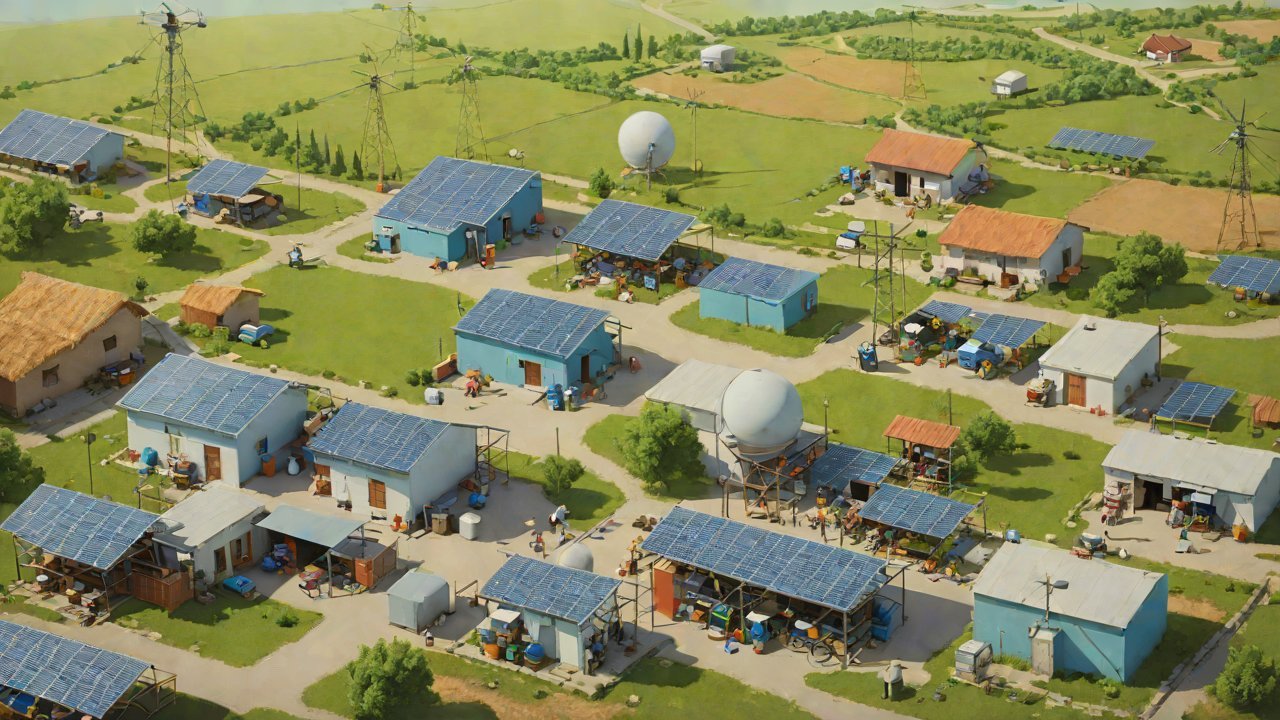
While these potential revenue streams are enticing, the feasibility of generating substantial income from data sales in rural areas remains uncertain. Factors such as user consent, data quality, and market demand would need to be carefully managed to ensure a stable revenue stream.
3. User Adoption and Engagement
To succeed, any free hardware initiative must demonstrate clear value to users. If devices are not intuitive or if the associated services do not meet local needs, adoption rates may suffer significantly.
| User Satisfaction Metrics | Rural Users’ Expectations |
|---|---|
| Ease of Use | 85% expect simple, user-friendly interfaces [5] |
| Local Content Availability | 75% desire relevant content and services [6] |

Meeting these expectations would require companies to invest in user-centric design, culturally sensitive content offerings, and targeted marketing campaigns. By doing so, they could foster a sense of community and encourage users to engage with the devices and associated services.
4. Market Dynamics and Competition
The free hardware model must also navigate complex market dynamics and intense competition from established players. Companies would need to differentiate themselves through innovative services, robust data protection policies, or strategic partnerships to remain competitive.
| Market Share Leaders | Free Hardware Challengers |
|---|---|
| Mobile Network Operators (MNOs) | Low-Cost Device Manufacturers (e.g., Xiaomi, Huawei) |
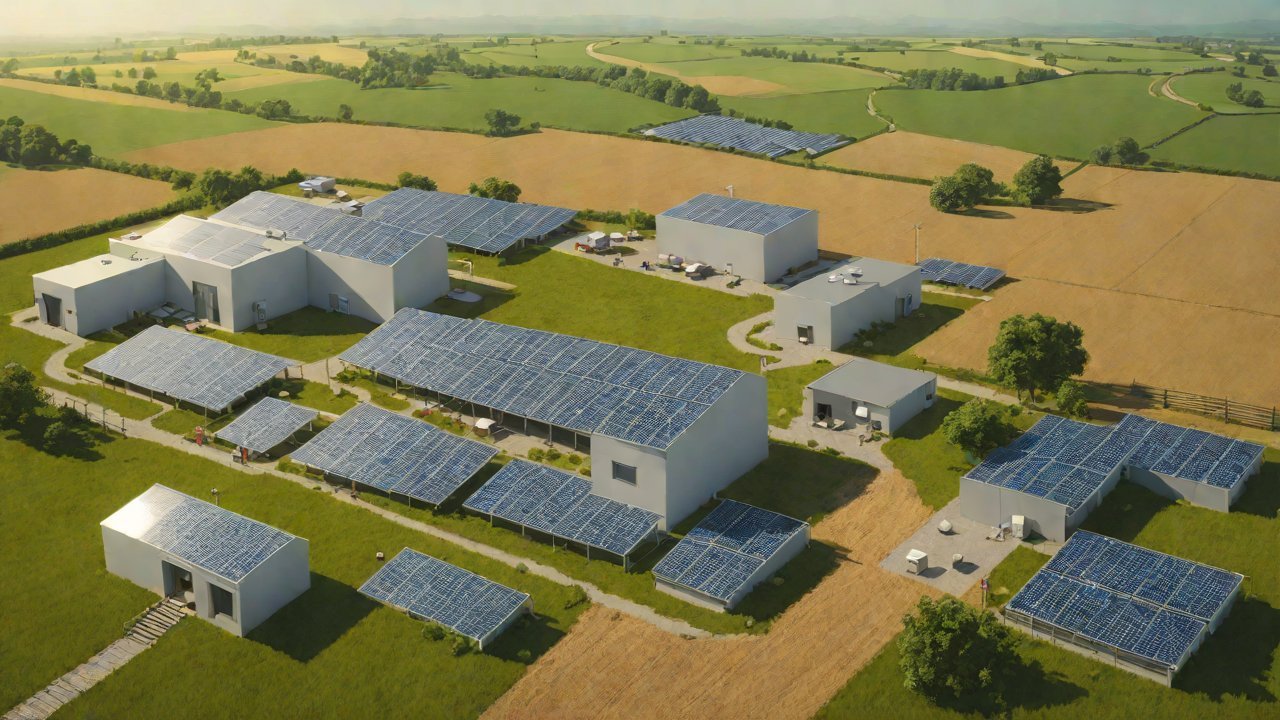
To successfully compete with MNOs and low-cost device manufacturers, free hardware companies would need to develop a unique value proposition that resonates with rural users.
5. Regulatory Framework
Finally, any initiative aiming to deploy large numbers of devices in rural areas must contend with regulatory hurdles. Governments may impose restrictions on data collection, require user consent for location tracking, or mandate the use of secure encryption methods.
| Regulatory Challenges | Potential Solutions |
|---|---|
| Data Protection Laws (e.g., GDPR) | Implement robust data protection policies and obtain necessary certifications [7] |
Navigating these regulatory challenges would necessitate close collaboration with local authorities, industry associations, and advocacy groups to ensure compliance while minimizing disruptions.
In conclusion, while the “free hardware, paid data” business model offers promise for bridging the digital divide in rural areas, its feasibility is far from assured. Addressing infrastructure challenges, ensuring user adoption and engagement, navigating market dynamics, and complying with regulatory frameworks will be crucial to success. By carefully considering these factors, companies can create innovative solutions that bring meaningful benefits to underserved communities worldwide.
[1] GSMA Intelligence (2020). Mobile Economy Report 2020.
[2] ITU (2020). Measuring the Information Society Report 2020.
[3] eMarketer (2019). Data and Advertising: A Global Perspective.
[4] McKinsey & Company (2018). The Future of Marketing Analytics.
[5] Pew Research Center (2019). Mobile Technology and Home Broadband 2019.
[6] Ericsson ConsumerLab (2020). Rural Connectivity Study.
[7] European Commission (2020). GDPR – General Data Protection Regulation.
IOT Cloud Platform
IOT Cloud Platform is an IoT portal established by a Chinese IoT company, focusing on technical solutions in the fields of agricultural IoT, industrial IoT, medical IoT, security IoT, military IoT, meteorological IoT, consumer IoT, automotive IoT, commercial IoT, infrastructure IoT, smart warehousing and logistics, smart home, smart city, smart healthcare, smart lighting, etc.
The IoT Cloud Platform blog is a top IoT technology stack, providing technical knowledge on IoT, robotics, artificial intelligence (generative artificial intelligence AIGC), edge computing, AR/VR, cloud computing, quantum computing, blockchain, smart surveillance cameras, drones, RFID tags, gateways, GPS, 3D printing, 4D printing, autonomous driving, etc.