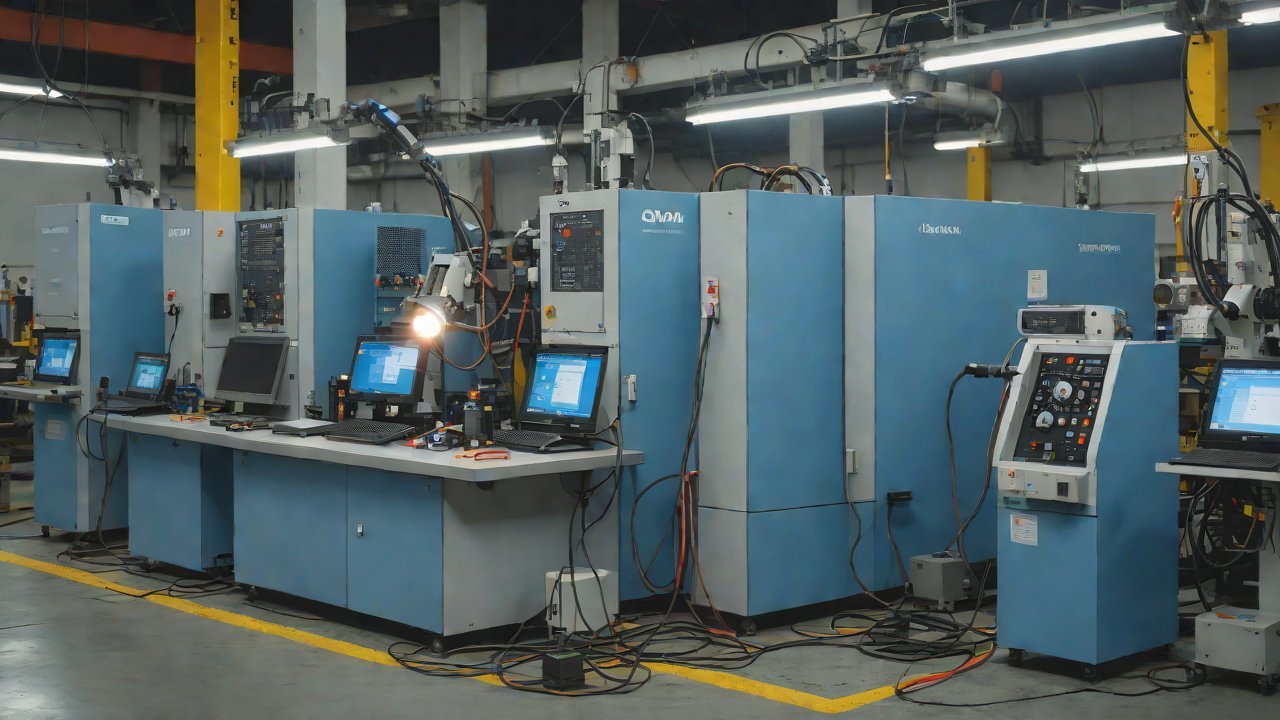
Is this bus protocol compatible with actuators from different brands?
The world of industrial automation is a complex tapestry, woven from threads of diverse protocols, devices, and systems. Among these intricacies lies the often-overlooked realm of bus protocols, which facilitate communication between various components within an industrial setup. One critical aspect of this ecosystem is the compatibility of actuators from different brands with specific bus protocols. This report delves into the nuances of bus protocols, their characteristics, and how they interact with actuators from diverse manufacturers.
1. Overview of Bus Protocols in Industrial Automation
Bus protocols serve as the backbone for data exchange between devices within an industrial control system. They dictate how information is transmitted, received, and interpreted by different components. The primary function of a bus protocol is to ensure seamless communication among devices, regardless of their brand or type.
Key Characteristics of Bus Protocols
- Speed: The rate at which data is transmitted.
- Topology: Linear, star, tree, mesh, or ring configurations.
- Communication Method: Master-slave, peer-to-peer, or a combination thereof.
- Data Transmission Format: Serial, parallel, or packet-based transmission.
Common Bus Protocols in Industrial Automation
- Modbus: A widely used protocol for serial communication between devices over RS-232/422/485 networks.
- DeviceNet (ControlNet): A networked control system that allows integration of sensors and actuators into a unified framework.
- CAN Bus (Controller Area Network): Primarily used in automotive applications but increasingly adopted in industrial automation for its reliability and scalability.
- EtherCAT: An Ethernet-based protocol optimized for real-time communication, offering high-speed data exchange and flexible topology configurations.

2. Actuators in Industrial Automation
Actuators are the critical components that convert electrical energy into mechanical motion, making them indispensable in industrial processes. They can be found in various forms, including electric motors, hydraulic cylinders, pneumatic actuators, and more.
Types of Actuators
- Electric Motors: Used extensively due to their reliability, efficiency, and precision control.
- Hydraulic Cylinders: Preferred for heavy-duty applications where high force is required.
- Pneumatic Actuators: Common in systems requiring precise control over pressure and flow rates.
3. Compatibility of Bus Protocols with Actuators from Different Brands
The compatibility of bus protocols with actuators hinges on several factors:
- Communication Standard: The specific protocol used by the actuator must match or be compatible with the industrial network’s communication standard.
- Actuator Type: Different types of actuators require different levels of control and precision, influencing which bus protocol is most suitable.
- Manufacturer Support: Some manufacturers may provide native support for specific bus protocols, ensuring seamless integration.
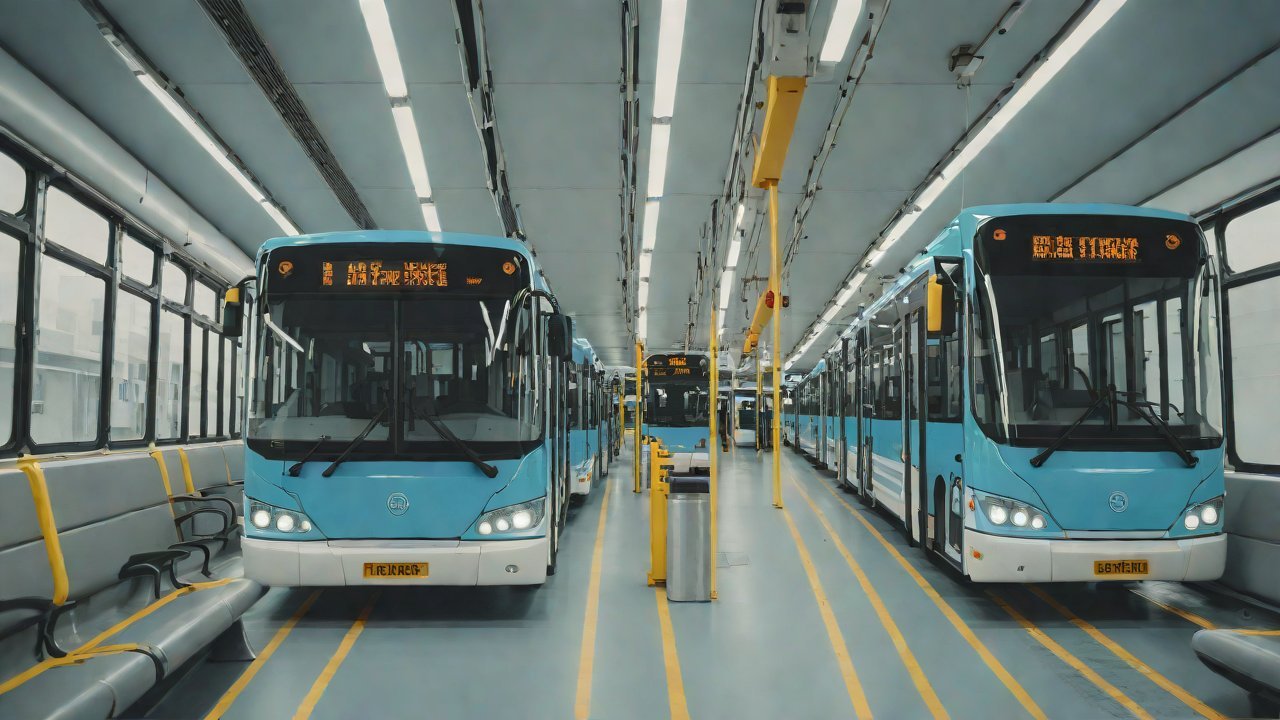
Case Study: Modbus Compatibility
- Modbus Overview: A widely adopted protocol for serial communication in industrial automation.
- Actuator Compatibility: Many actuators from prominent brands are Modbus-compatible out of the box, but configuration and setup may vary depending on the specific device.
- Manufacturer Support: Brands like Siemens, Allen-Bradley (Rockwell Automation), and Schneider Electric offer extensive support for Modbus integration.
4. AIGC Perspectives on Bus Protocol Compatibility
The adoption of Industry 4.0 principles emphasizes interoperability among devices from different manufacturers to achieve greater flexibility and efficiency in industrial processes. From a technical perspective, ensuring bus protocol compatibility is crucial:
- Scalability: Compatible protocols allow for the seamless integration of new or legacy devices.
- Flexibility: This ensures that changes in production lines or shifts in market demand can be accommodated without significant investment.
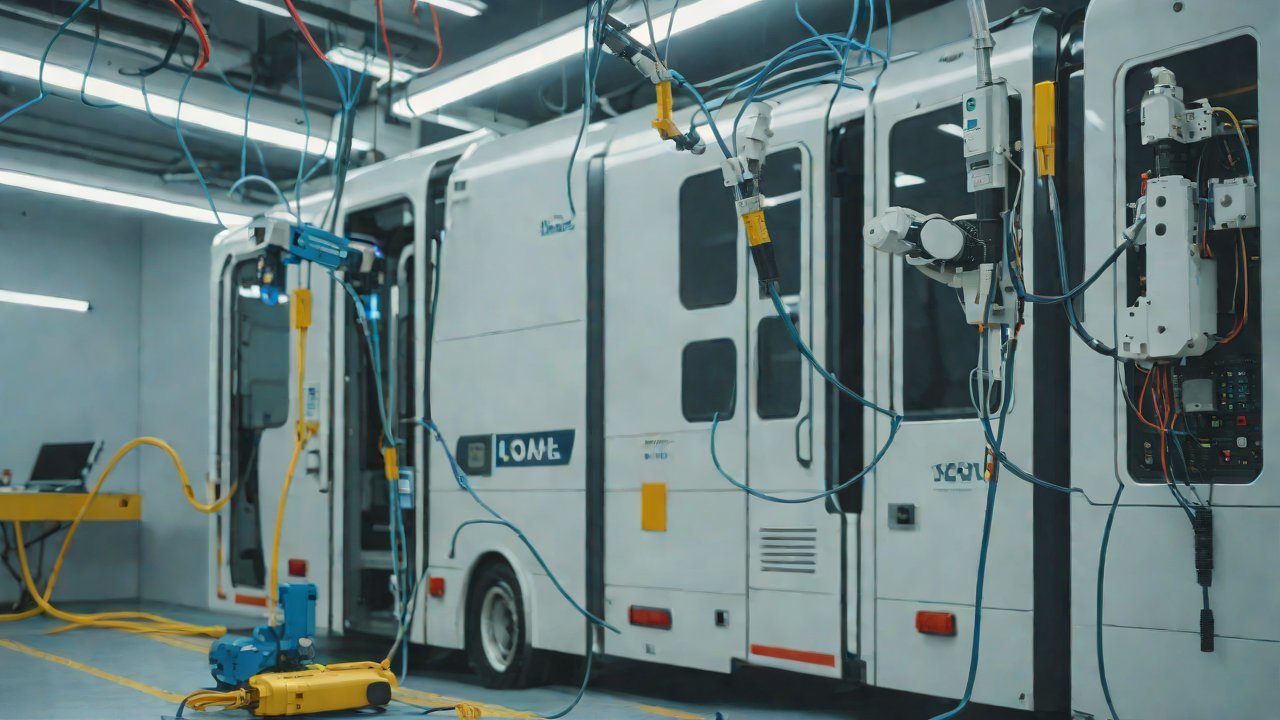
Market Data and Trends
- Growth in Demand for Open Communication Protocols: The industry’s shift towards Industry 4.0 has highlighted the need for open communication protocols to ensure device interoperability.
- Increased Adoption of Ethernet-based Protocols: CAN Bus, EtherCAT, and DeviceNet (ControlNet) are increasingly favored due to their high-speed data exchange capabilities.
5. Conclusion
Ensuring bus protocol compatibility is a critical aspect of industrial automation that impacts both system efficiency and scalability. While this report provides an in-depth analysis of the subject matter, specific implementation details will vary depending on the chosen bus protocol and actuator type. Manufacturers are continually adapting their products to meet evolving market demands, emphasizing the importance of staying informed about advancements in bus protocols and device compatibility.
Recommendations for Future Research
- Investigation into Emerging Protocols: Exploring new and innovative protocols such as Time-Sensitive Networking (TSN) and Open DeviceNet Vending (ODVa).
- Real-world Case Studies: Conducting detailed case studies on real-world implementations of various bus protocols in industrial settings.
- Interoperability Standards Development: Contributing to the development of standards for interoperability among devices from different manufacturers.
Final Considerations
The compatibility of bus protocols with actuators is a multifaceted topic that underscores the complexities of industrial automation. By understanding the intricacies involved and staying abreast of market trends and technological advancements, manufacturers can ensure seamless integration, scalability, and efficiency in their production lines.
IOT Cloud Platform
IOT Cloud Platform is an IoT portal established by a Chinese IoT company, focusing on technical solutions in the fields of agricultural IoT, industrial IoT, medical IoT, security IoT, military IoT, meteorological IoT, consumer IoT, automotive IoT, commercial IoT, infrastructure IoT, smart warehousing and logistics, smart home, smart city, smart healthcare, smart lighting, etc.
The IoT Cloud Platform blog is a top IoT technology stack, providing technical knowledge on IoT, robotics, artificial intelligence (generative artificial intelligence AIGC), edge computing, AR/VR, cloud computing, quantum computing, blockchain, smart surveillance cameras, drones, RFID tags, gateways, GPS, 3D printing, 4D printing, autonomous driving, etc.