Is the Soil Healthier Here? IoT-Based Soil Remediation Assessment
The earth’s soil, a vital component of our ecosystem, is facing unprecedented challenges due to human activities such as intensive farming, urbanization, and climate change. As a result, soil health has deteriorated significantly over the past few decades, compromising its ability to support plant growth, filter water, and store carbon. However, with the advent of Internet of Things (IoT) technology, there is now a beacon of hope for restoring soil health through IoT-based soil remediation assessment.
1. Soil Health Crisis: A Growing Concern
Soil degradation is a pressing issue worldwide, affecting over 33% of the world’s land area. The consequences are far-reaching, from reduced crop yields and decreased agricultural productivity to increased greenhouse gas emissions and loss of biodiversity. According to the United Nations Food and Agriculture Organization (FAO), soil erosion alone costs the global economy around $400 billion annually.
| Region | Soil Degradation Rate (%) |
|---|---|
| Asia | 35% |
| Africa | 40% |
| Europe | 30% |
| North America | 25% |
2. IoT-Based Soil Remediation Assessment: A Game-Changer
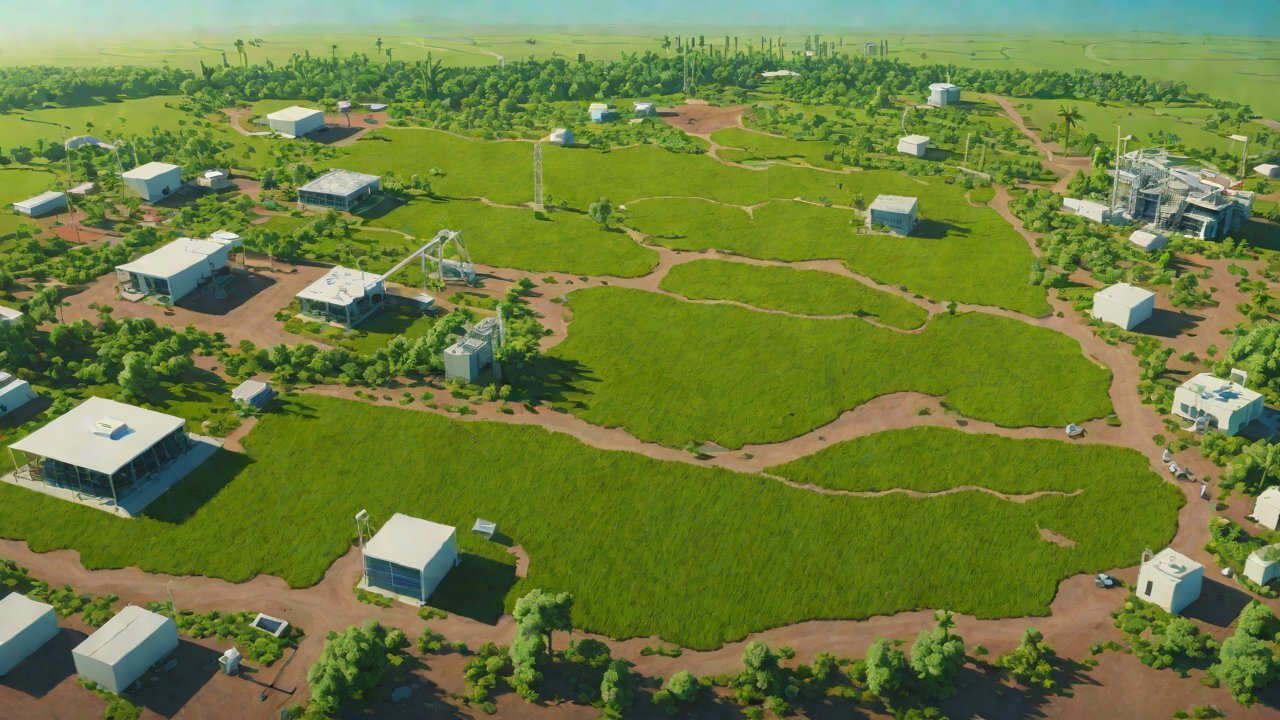
IoT-based soil remediation assessment involves the use of sensors, drones, and satellite imaging to monitor soil health in real-time. This data is then used to develop targeted interventions to improve soil fertility, structure, and biodiversity. The benefits of this approach are multifaceted:
- Real-time monitoring: IoT sensors enable continuous soil monitoring, allowing for early detection of degradation and prompt intervention.
- Precision agriculture: Targeted fertilization and irrigation practices can be implemented based on real-time data, reducing waste and improving crop yields.
- Cost-effective: IoT-based soil remediation assessment is a cost-effective alternative to traditional methods, which often rely on manual sampling and laboratory analysis.
3. Market Trends and Outlook
The market for IoT-based soil remediation assessment is growing rapidly, driven by increasing awareness of the importance of soil health and the need for sustainable agricultural practices. According to a report by MarketsandMarkets, the global IoT in agriculture market is expected to reach $15.6 billion by 2025, growing at a CAGR of 16.3%.
| Year | Market Size (USD billion) |
|---|---|
| 2018 | 2.4 |
| 2020 | 5.1 |
| 2025 | 15.6 |

4. Technical Perspectives
IoT-based soil remediation assessment relies on a range of technologies, including:
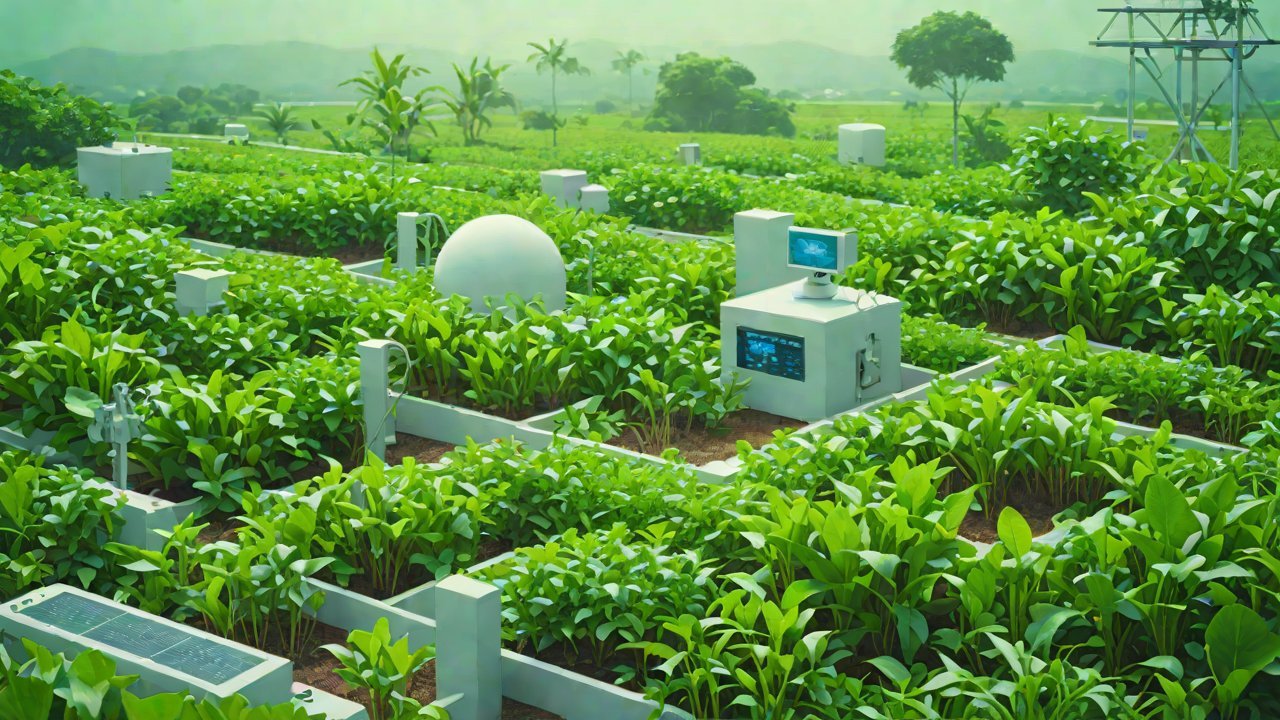
- Sensors: Soil moisture sensors, pH sensors, and nutrient sensors provide real-time data on soil health.
- Drones: Equipped with cameras and sensors, drones enable high-resolution imaging and monitoring of large areas.
- Satellite imaging: Satellite imagery provides valuable information on soil moisture, temperature, and other environmental factors.
5. Case Studies
Several case studies demonstrate the effectiveness of IoT-based soil remediation assessment in improving soil health:
- Cropio: A Ukrainian ag-tech company using IoT sensors to monitor soil health and optimize fertilization practices.
- Granular: An American software company providing farmers with real-time data on soil moisture, temperature, and other environmental factors.
6. Conclusion
IoT-based soil remediation assessment offers a promising solution to the global soil health crisis. By leveraging cutting-edge technologies such as sensors, drones, and satellite imaging, farmers can monitor soil health in real-time and implement targeted interventions to improve fertility, structure, and biodiversity. As the market for IoT in agriculture continues to grow, we can expect to see increased adoption of these innovative approaches to sustainable agricultural practices.
7. References
- United Nations Food and Agriculture Organization (FAO). (2020). The Future of Food and Agriculture.
- MarketsandMarkets. (2020). IoT in Agriculture Market by Solution, Application, and Geography – Global Forecast to 2025.
- Cropio. (n.d.). About Us.
- Granular. (n.d.). Our Story.
The future of agriculture is being shaped by the integration of technology and data-driven decision making. As we continue to develop innovative solutions for sustainable agricultural practices, it is essential that policymakers, farmers, and other stakeholders work together to address the pressing issue of soil health. With IoT-based soil remediation assessment leading the way, there is hope for a healthier, more productive, and more resilient food system for generations to come.
IOT Cloud Platform
IOT Cloud Platform is an IoT portal established by a Chinese IoT company, focusing on technical solutions in the fields of agricultural IoT, industrial IoT, medical IoT, security IoT, military IoT, meteorological IoT, consumer IoT, automotive IoT, commercial IoT, infrastructure IoT, smart warehousing and logistics, smart home, smart city, smart healthcare, smart lighting, etc.
The IoT Cloud Platform blog is a top IoT technology stack, providing technical knowledge on IoT, robotics, artificial intelligence (generative artificial intelligence AIGC), edge computing, AR/VR, cloud computing, quantum computing, blockchain, smart surveillance cameras, drones, RFID tags, gateways, GPS, 3D printing, 4D printing, autonomous driving, etc.