Is nodemcu and ESP32 same
The Internet of Things (IoT) has been gaining traction in recent years, with the number of connected devices expected to reach 22.5 billion by 2025. At the heart of this revolution are microcontrollers, specifically the ESP32 and NodeMCU, which have become the go-to choices for many developers. But are they the same? In this report, we’ll delve into the details of these two popular microcontrollers, exploring their similarities and differences, technical specifications, market trends, and future outlook.
1. Overview of ESP32 and NodeMCU
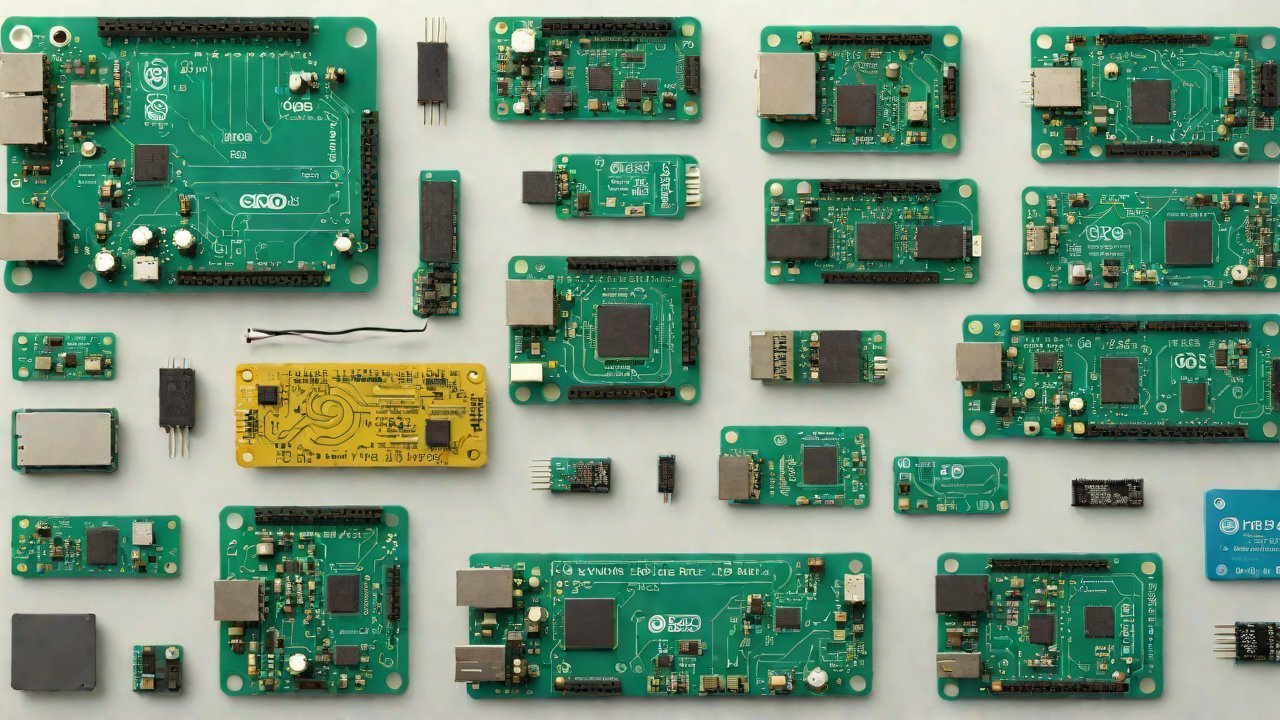
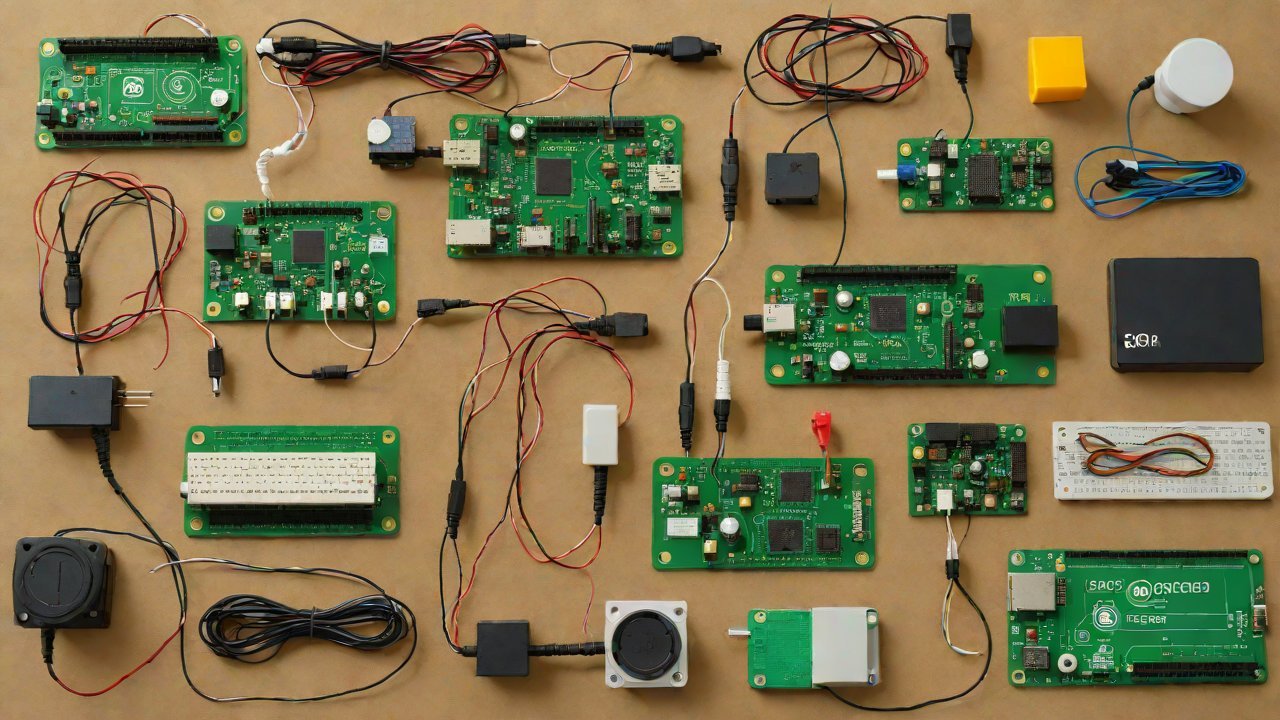
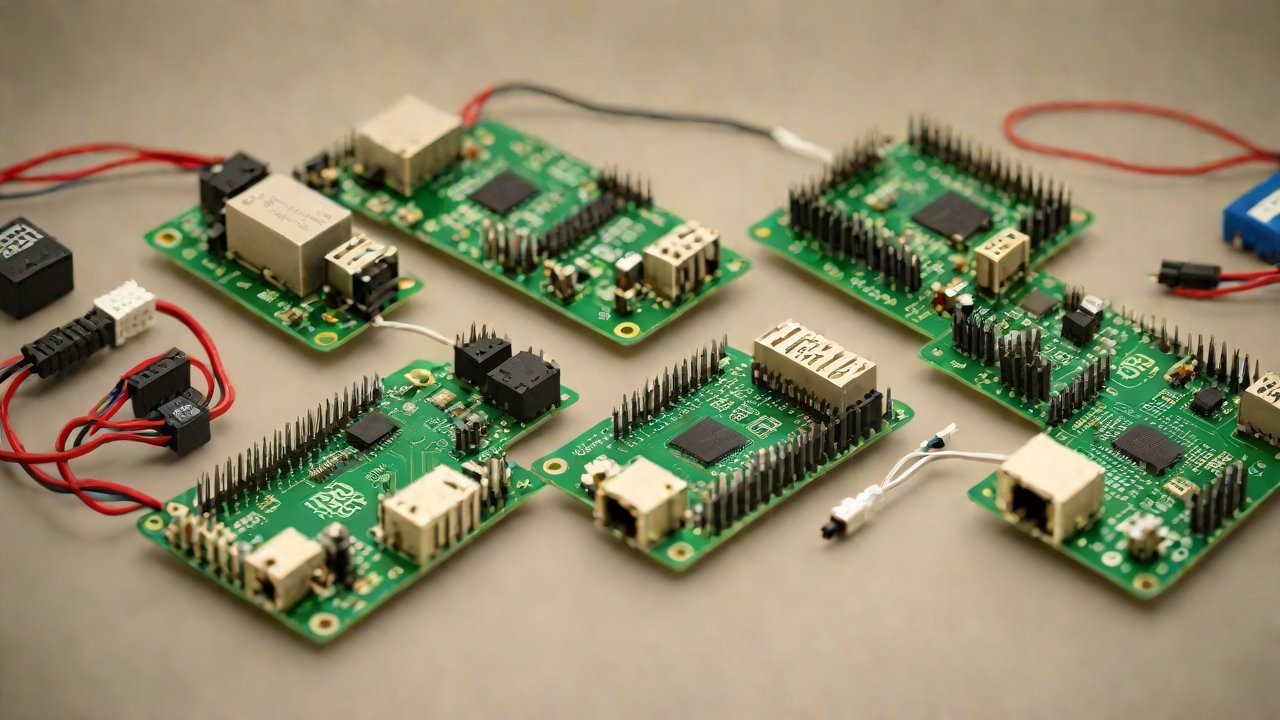
The ESP32, developed by Espressif Systems, is a low-cost, low-power system-on-chip (SoC) that integrates Wi-Fi and Bluetooth capabilities. It’s a popular choice among developers due to its high performance, low power consumption, and compact size. The ESP32 is available in various packages, including the ESP32-WROVER, ESP32-WROOM, and ESP32-SOLO.
NodeMCU, on the other hand, is an open-source firmware and development kit for the ESP32. It’s designed to make it easy for developers to get started with IoT projects, providing a simple and intuitive interface for programming and debugging. NodeMCU is not a physical microcontroller, but rather a software platform that runs on top of the ESP32.
2. Technical Specifications
| ESP32 | NodeMCU | |
|---|---|---|
| CPU | Dual-core 32-bit LX6 microprocessor | Dual-core 32-bit LX6 microprocessor (runs on top of ESP32) |
| Memory | 520 KB SRAM, 4 MB PSRAM | 520 KB SRAM, 4 MB PSRAM (dependent on ESP32) |
| Wi-Fi | Dual-mode Wi-Fi, 802.11 b/g/n | Dual-mode Wi-Fi, 802.11 b/g/n (dependent on ESP32) |
| Bluetooth | Bluetooth 4.2 | Bluetooth 4.2 (dependent on ESP32) |
| Power | 1.8 V to 3.6 V | 1.8 V to 3.6 V (dependent on ESP32) |
3. Market Trends
The global IoT market is expected to reach $1.4 trillion by 2027, growing at a CAGR of 21.4%. The demand for low-power, low-cost microcontrollers like the ESP32 and NodeMCU is driving this growth. According to a report by MarketsandMarkets, the global microcontroller market is expected to reach $10.4 billion by 2025, with the ESP32 being one of the leading players.
4. Similarities and Differences
While the ESP32 and NodeMCU are often mentioned together, they have distinct differences. The ESP32 is a physical microcontroller, whereas NodeMCU is a software platform that runs on top of the ESP32. The ESP32 provides a range of features, including Wi-Fi and Bluetooth capabilities, whereas NodeMCU focuses on providing a simple and intuitive interface for programming and debugging.
| ESP32 | NodeMCU | |
|---|---|---|
| Physical Microcontroller | Yes | No |
| Software Platform | No | Yes |
| Wi-Fi and Bluetooth | Yes | Yes (dependent on ESP32) |
| Programming Interface | Various (e.g., ESP-IDF, Arduino) | Simple and intuitive (dependent on ESP32) |
5. Future Outlook
The future of the ESP32 and NodeMCU looks bright, with the global IoT market expected to continue growing at a rapid pace. As developers continue to push the boundaries of what’s possible with IoT, the demand for low-power, low-cost microcontrollers like the ESP32 and NodeMCU will only increase.
6. Conclusion
In conclusion, while the ESP32 and NodeMCU are often mentioned together, they are not the same. The ESP32 is a physical microcontroller that provides a range of features, including Wi-Fi and Bluetooth capabilities, whereas NodeMCU is a software platform that runs on top of the ESP32, providing a simple and intuitive interface for programming and debugging. As the global IoT market continues to grow, the demand for low-power, low-cost microcontrollers like the ESP32 and NodeMCU will only increase, making them essential tools for developers and IoT enthusiasts alike.
7. Recommendations
Based on our analysis, we recommend that developers consider the following:
- Use the ESP32 for projects that require a high level of customization and control.
- Use NodeMCU for projects that require a simple and intuitive interface for programming and debugging.
- Consider the specific features and requirements of your project when choosing between the ESP32 and NodeMCU.
8. Limitations
This report has several limitations, including:
- The report focuses primarily on the technical specifications and market trends of the ESP32 and NodeMCU.
- The report does not provide a comprehensive review of the software and development tools available for the ESP32 and NodeMCU.
- The report does not provide a detailed analysis of the security and reliability of the ESP32 and NodeMCU.
IOT Cloud Platform
IOT Cloud Platform is an IoT portal established by a Chinese IoT company, focusing on technical solutions in the fields of agricultural IoT, industrial IoT, medical IoT, security IoT, military IoT, meteorological IoT, consumer IoT, automotive IoT, commercial IoT, infrastructure IoT, smart warehousing and logistics, smart home, smart city, smart healthcare, smart lighting, etc.
The IoT Cloud Platform blog is a top IoT technology stack, providing technical knowledge on IoT, robotics, artificial intelligence (generative artificial intelligence AIGC), edge computing, AR/VR, cloud computing, quantum computing, blockchain, smart surveillance cameras, drones, RFID tags, gateways, GPS, 3D printing, 4D printing, autonomous driving, etc.