Is NodeMCU a microcontroller
NodeMCU, a small and inexpensive microcontroller board, has been a staple in the maker community and IoT enthusiasts for several years. Its compact design, versatility, and affordability have made it a favorite among hobbyists and professionals alike. However, the question remains: is NodeMCU a microcontroller in the truest sense of the word? To answer this, we must delve into the technical specifications, architecture, and functionality of NodeMCU, as well as its market positioning and use cases.
1. Background and History
NodeMCU’s origins date back to 2014, when it was first introduced as an open-source platform based on the ESP8266 chip. The ESP8266, a System-on-Chip (SoC) developed by Espressif Systems, was designed to integrate Wi-Fi capabilities into a small, low-power package. NodeMCU’s creators aimed to provide a simple, easy-to-use board that would allow developers to quickly prototype and deploy IoT projects. Over the years, NodeMCU has evolved to support various modules, libraries, and frameworks, solidifying its position as a popular choice for IoT development.
2. Technical Specifications
| Component | Description |
|---|---|
| CPU | Tensilica L106 32-bit RISC processor |
| Memory | 32 KB instruction RAM, 32 KB data RAM |
| Storage | 4 MB SPI flash |
| Connectivity | 802.11 b/g/n Wi-Fi, 1 x USB 2.0, 1 x microSD card slot |
| Power | 3.3V, 2.8V, and 1.8V voltage regulators, 0.1A regulator for USB |
| Dimensions | 38 x 24.5 mm |
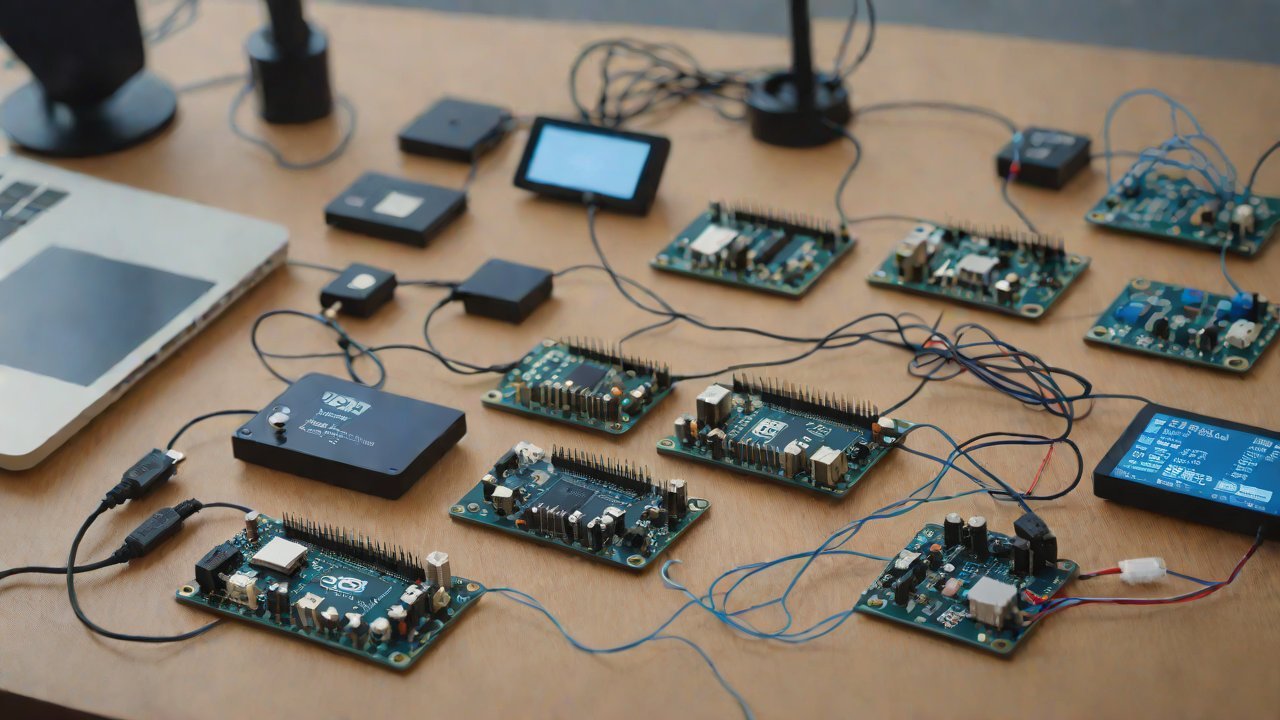
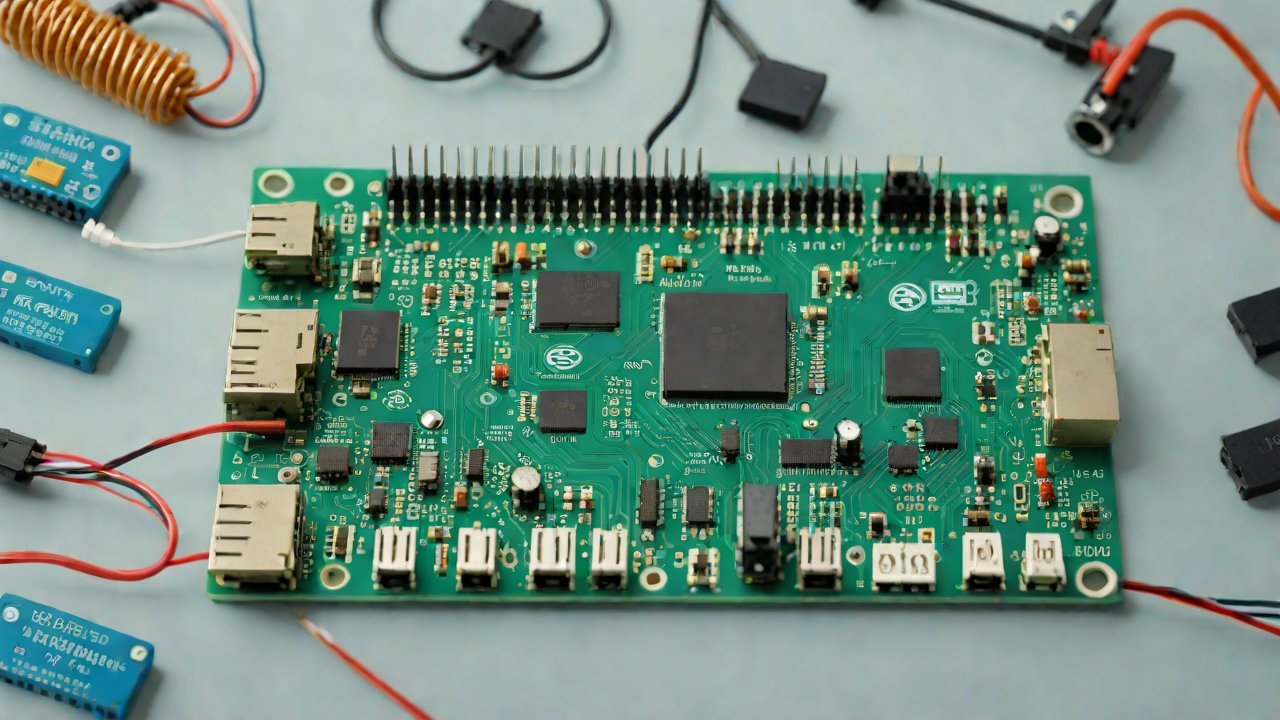
NodeMCU’s technical specifications reveal that it is, in fact, a System-on-Module (SoM) rather than a traditional microcontroller. The ESP8266 chip, which is the core component of NodeMCU, integrates a CPU, memory, and connectivity features, making it a self-contained module.
3. Architecture
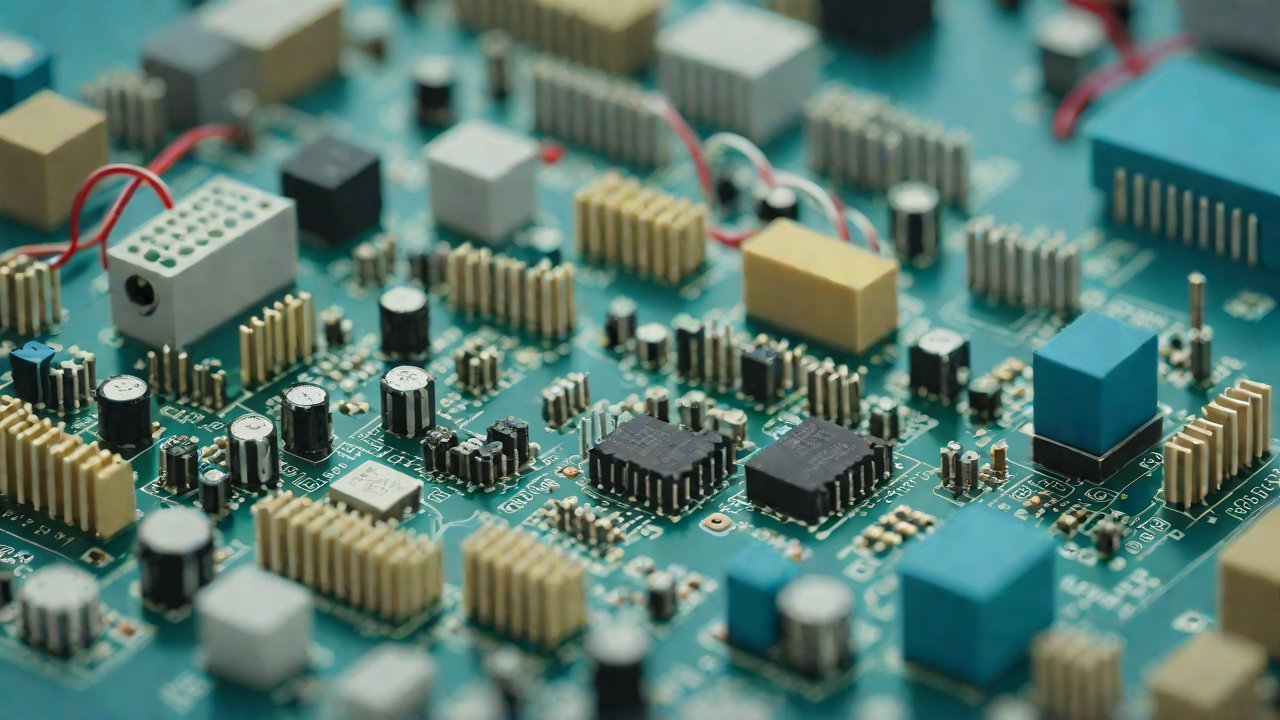
The ESP8266’s architecture is based on the Tensilica L106 32-bit RISC processor, which is a modified version of the RISC-V instruction set architecture. The chip also includes a 32 KB instruction RAM and 32 KB data RAM, as well as a 4 MB SPI flash for storing firmware and data. The ESP8266’s architecture is designed to provide a high degree of flexibility and customization, allowing developers to create custom firmware and applications.
4. Functionality
NodeMCU’s functionality extends far beyond traditional microcontroller capabilities. Its Wi-Fi connectivity enables seamless integration with cloud services, IoT platforms, and other devices. The board also supports a wide range of peripherals, including sensors, actuators, and displays, making it an ideal choice for IoT development. NodeMCU’s firmware, based on the Espressif SDK, provides a comprehensive set of libraries and APIs for developing IoT applications.
5. Market Positioning
NodeMCU’s market positioning is centered around its affordability, ease of use, and versatility. Its price point, typically ranging from $10 to $20, makes it an attractive option for hobbyists and professionals alike. NodeMCU’s popularity has led to a wide range of compatible modules, shields, and accessories, further solidifying its position in the market.
6. Use Cases
NodeMCU’s use cases are diverse and extensive, ranging from simple IoT projects to complex industrial automation systems. Some examples of NodeMCU-based projects include:
| Project | Description |
|---|---|
| Smart Lighting | NodeMCU-controlled LED lighting system with Wi-Fi connectivity |
| Home Automation | NodeMCU-based hub for controlling and monitoring home appliances |
| Industrial Automation | NodeMCU-controlled industrial automation system with real-time monitoring and control |
7. Conclusion
In conclusion, NodeMCU is not a traditional microcontroller in the sense that it is a self-contained module with a built-in CPU, memory, and connectivity features. Its architecture, based on the ESP8266 chip, provides a high degree of flexibility and customization, making it an ideal choice for IoT development. NodeMCU’s market positioning and use cases demonstrate its versatility and appeal to a wide range of developers and industries.
As the IoT landscape continues to evolve, NodeMCU’s importance will only grow. Its affordability, ease of use, and extensive ecosystem make it an essential tool for developers and professionals alike. Whether you’re a seasoned engineer or a hobbyist, NodeMCU is an excellent choice for any IoT project.
8. Recommendations
Based on our analysis, we recommend NodeMCU for the following applications:
- IoT prototyping and development
- Home automation and smart lighting systems
- Industrial automation and control systems
- Wearable devices and mobile health applications
In summary, NodeMCU is a powerful and versatile platform that has revolutionized the IoT development landscape. Its unique architecture, extensive ecosystem, and affordability make it an essential tool for any developer or professional working in the IoT space.
IOT Cloud Platform
IOT Cloud Platform is an IoT portal established by a Chinese IoT company, focusing on technical solutions in the fields of agricultural IoT, industrial IoT, medical IoT, security IoT, military IoT, meteorological IoT, consumer IoT, automotive IoT, commercial IoT, infrastructure IoT, smart warehousing and logistics, smart home, smart city, smart healthcare, smart lighting, etc.
The IoT Cloud Platform blog is a top IoT technology stack, providing technical knowledge on IoT, robotics, artificial intelligence (generative artificial intelligence AIGC), edge computing, AR/VR, cloud computing, quantum computing, blockchain, smart surveillance cameras, drones, RFID tags, gateways, GPS, 3D printing, 4D printing, autonomous driving, etc.