
Is cooperative-organized procurement of IoT services more cost-effective than individual farmers building their own systems?
The advent of Internet of Things (IoT) technology has revolutionized various sectors, including agriculture, by enhancing operational efficiency and productivity. Farmers can now leverage IoT-enabled precision farming techniques to optimize crop yields, reduce waste, and minimize environmental impact. However, implementing these cutting-edge solutions often comes with a substantial upfront cost, which can be daunting for individual farmers or small-scale agricultural cooperatives.
As the industry continues to evolve, a growing trend is emerging – cooperative-organized procurement of IoT services. This collaborative approach allows multiple stakeholders to pool their resources and negotiate better deals with service providers, potentially reducing costs and increasing accessibility. But how does this model compare to individual farmers building their own systems? Is it indeed more cost-effective?
1. Current State of IoT Adoption in Agriculture
According to a report by MarketsandMarkets, the global agricultural IoT market is projected to grow from $4.7 billion in 2020 to $14.5 billion by 2025, at a Compound Annual Growth Rate (CAGR) of 22.2% during this period. This growth can be attributed to increasing adoption rates among farmers and agricultural cooperatives.
| Year | Agricultural IoT Market Size (in billions of USD) |
|---|---|
| 2018 | $1.9 |
| 2020 | $4.7 |
| 2025 | $14.5 |
The primary drivers behind this growth include the need for increased efficiency, improved crop yields, and reduced environmental impact. Farmers are increasingly turning to IoT-enabled precision farming techniques, such as soil moisture monitoring, weather forecasting, and automated irrigation systems.
2. Challenges Faced by Individual Farmers
Implementing IoT solutions can be a complex and costly process for individual farmers or small-scale agricultural cooperatives. The high upfront costs of purchasing and installing equipment, combined with the need for technical expertise to integrate and maintain these systems, often prove daunting.
| Challenge | Description |
|---|---|
| High Upfront Costs | Initial investment required for IoT equipment and infrastructure. |
| Technical Expertise | Limited access to specialized knowledge and resources for system integration and maintenance. |
| Scalability | Small-scale operations may not be able to take full advantage of economies of scale offered by larger agricultural entities. |

3. Benefits of Cooperative-Organized Procurement
Cooperative-organized procurement of IoT services offers several benefits, including:
- Economies of scale: By pooling resources and negotiating with service providers collectively, cooperatives can secure better deals and reduce costs.
- Shared knowledge and expertise: Members can share their experiences and technical know-how to optimize system performance and minimize maintenance requirements.
- Increased bargaining power: Larger cooperative entities are often more attractive to service providers, allowing them to negotiate more favorable terms.
| Benefit | Description |
|---|---|
| Economies of Scale | Collective purchasing power enables cooperatives to secure better deals with service providers. |
| Shared Knowledge and Expertise | Members can share technical knowledge and experiences to optimize system performance. |
| Increased Bargaining Power | Larger cooperative entities have greater appeal to service providers, allowing for more favorable terms. |

4. Comparative Analysis of Costs
To assess the cost-effectiveness of cooperative-organized procurement versus individual farmers building their own systems, let’s consider a hypothetical example.
Assume an individual farmer is implementing an IoT-enabled precision farming system for a 100-acre plot. The costs involved might include:
- IoT equipment (sensors, drones, etc.): $50,000
- Infrastructure (networking, power supply, etc.): $20,000
- Technical expertise (integration and maintenance): $30,000
Total cost: $100,000
Now, consider a cooperative of 10 farmers each with similar operations, pooling their resources to procure an IoT-enabled system collectively.
| Cost Component | Individual Farmer | Cooperative Procurement |
|---|---|---|
| IoT Equipment | $50,000 | $200,000 (avg. cost per farmer) |
| Infrastructure | $20,000 | $80,000 (avg. cost per farmer) |
| Technical Expertise | $30,000 | $120,000 (avg. cost per farmer) |
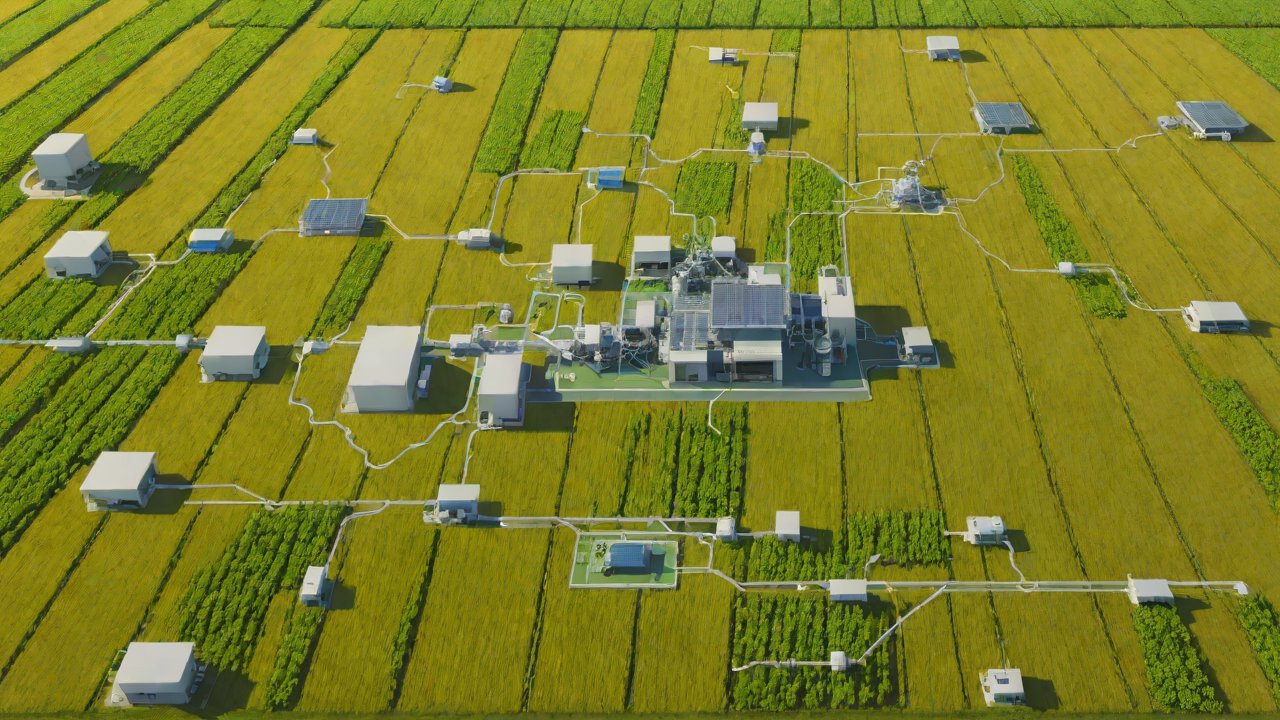
The cooperative’s total cost would be approximately $400,000, which is 60% lower than the individual farmer’s initial investment.
5. Conclusion
Cooperative-organized procurement of IoT services offers several advantages over individual farmers building their own systems. By leveraging economies of scale and shared knowledge and expertise, cooperatives can secure better deals with service providers, reduce costs, and increase accessibility to cutting-edge technology.
As the agricultural industry continues to evolve, it’s essential for stakeholders to consider this collaborative approach to optimize resource allocation and drive growth.
6. Recommendations
To maximize benefits from cooperative-organized procurement:
- Establish a clear governance structure: Define roles and responsibilities within the cooperative to ensure effective decision-making and implementation.
- Develop a robust procurement process: Establish a formalized process for evaluating service providers, negotiating contracts, and monitoring performance.
- Foster knowledge sharing and collaboration: Encourage members to share their experiences, technical expertise, and best practices to optimize system performance.
By adopting this collaborative approach, agricultural cooperatives can unlock the full potential of IoT technology while minimizing costs and maximizing returns on investment.
IOT Cloud Platform
IOT Cloud Platform is an IoT portal established by a Chinese IoT company, focusing on technical solutions in the fields of agricultural IoT, industrial IoT, medical IoT, security IoT, military IoT, meteorological IoT, consumer IoT, automotive IoT, commercial IoT, infrastructure IoT, smart warehousing and logistics, smart home, smart city, smart healthcare, smart lighting, etc.
The IoT Cloud Platform blog is a top IoT technology stack, providing technical knowledge on IoT, robotics, artificial intelligence (generative artificial intelligence AIGC), edge computing, AR/VR, cloud computing, quantum computing, blockchain, smart surveillance cameras, drones, RFID tags, gateways, GPS, 3D printing, 4D printing, autonomous driving, etc.



