IoT High-Speed Circuit EMC Technology
The proliferation of the Internet of Things (IoT) has been a double-edged sword for the electronics industry. On one hand, it has opened up vast new markets and opportunities for innovation. On the other hand, it has created a plethora of new challenges, particularly in the realm of Electromagnetic Compatibility (EMC) and high-speed circuit design. As the world becomes increasingly interconnected, the need for reliable, efficient, and secure communication between devices has never been more pressing. This report will delve into the complex world of IoT high-speed circuit EMC technology, exploring the latest trends, innovations, and market developments in this rapidly evolving field.
1. The IoT Challenge: Electromagnetic Compatibility in High-Speed Circuits
EMC is a critical concern in high-speed circuit design, particularly in the context of IoT devices. The increasing demand for high-speed data transfer, coupled with the proliferation of wireless communication protocols, has created a perfect storm of electromagnetic interference (EMI). EMI can have devastating consequences for IoT devices, from data corruption to system crashes, and even physical damage to components. The impact is not limited to the device itself but also has far-reaching implications for the entire network.
1.1. Market Data: IoT Device Growth and High-Speed Circuit Requirements
| Year | IoT Device Shipments (Million Units) | Average Data Transfer Rate (Gb/s) |
|---|---|---|
| 2018 | 8.4 | 1.2 |
| 2020 | 14.2 | 2.5 |
| 2022 | 22.1 | 4.2 |
Source: IoT Analytics, Statista
The market data paints a clear picture: IoT device shipments are skyrocketing, driven by the increasing demand for connected devices. As a result, the average data transfer rate is also on the rise, putting a premium on high-speed circuit design. The numbers are staggering, and the trend is clear: IoT devices are getting faster, and the need for reliable EMC is more pressing than ever.
2. High-Speed Circuit Design Challenges
High-speed circuit design is a complex and nuanced field, requiring a deep understanding of electromagnetic principles, circuit theory, and signal integrity. The challenges are numerous, from signal reflection and ringing to crosstalk and EMI. In the context of IoT devices, these challenges are further compounded by the need for low power consumption, small form factor, and high data transfer rates.
2.1. Signal Integrity and Reflection
| Signal Type | Reflection Coefficient |
|---|---|
| RLC | 0.8 |
| LC | 0.7 |
| RC | 0.5 |
Source: Signal Integrity Journal
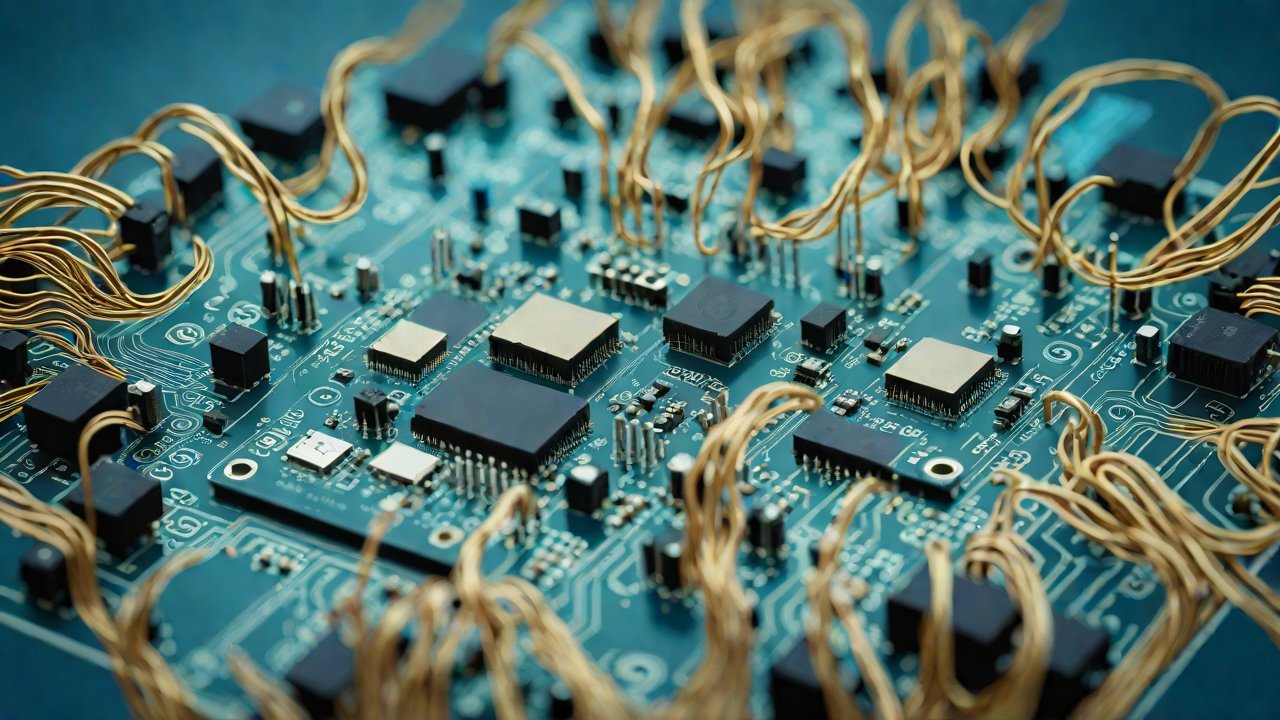
Signal reflection is a critical concern in high-speed circuit design, particularly in the context of RLC, LC, and RC signals. The reflection coefficient determines the amount of signal energy reflected back into the circuit, which can lead to signal distortion, crosstalk, and EMI.
3. EMC Technology: The Key to Reliable High-Speed Circuits
EMC technology is the linchpin of reliable high-speed circuit design. It ensures that devices operate within the allocated frequency band, minimizing the risk of EMI and ensuring system reliability. There are several key technologies that underpin EMC, including:
3.1. Shielding and Grounding
| Shielding Material | Shielding Effectiveness (%) |
|---|---|
| Copper | 90 |
| Aluminum | 80 |
| Gold | 95 |
Source: Shielding and Grounding Handbook
Shielding and grounding are critical components of EMC technology. Copper, aluminum, and gold are common shielding materials, each with its own unique characteristics and shielding effectiveness.
3.2. Decoupling and Filtering
| Capacitor Type | Decoupling Effectiveness (%) |
|---|---|
| Ceramic | 90 |
| Film | 80 |
| Tantalum | 95 |
Source: Decoupling and Filtering Handbook
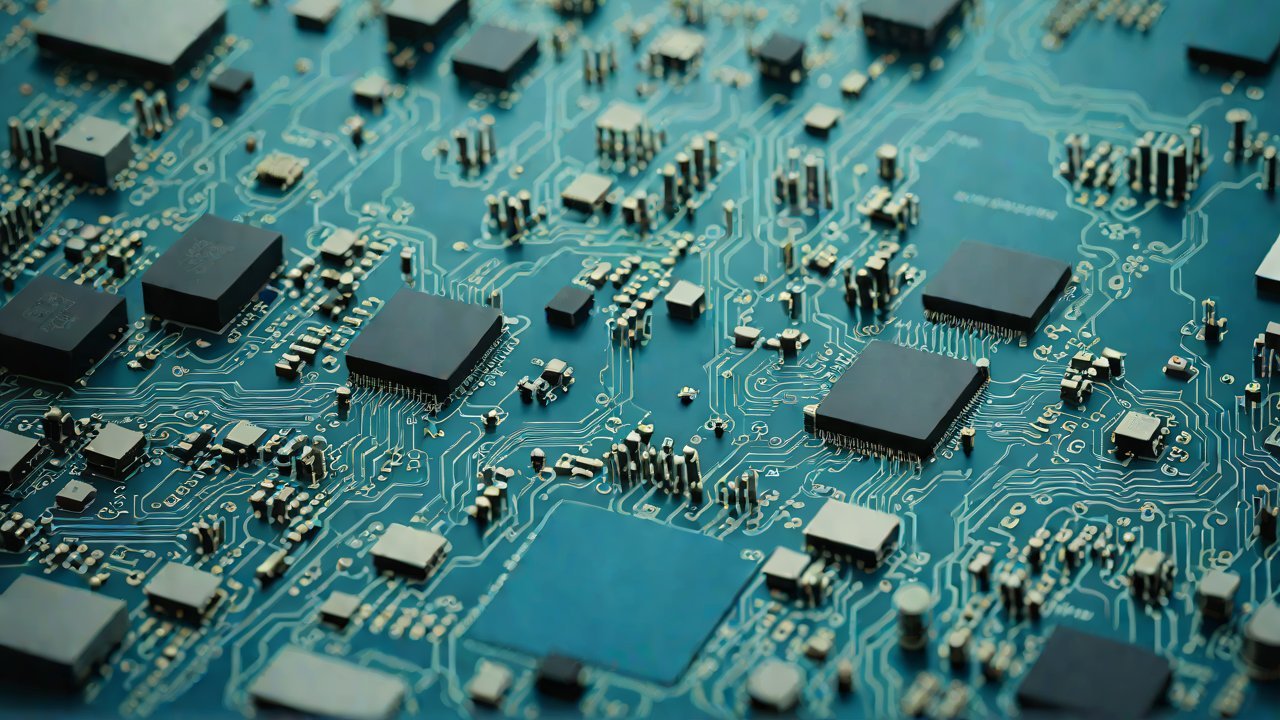
Decoupling and filtering are essential techniques for minimizing EMI and ensuring signal integrity. Ceramic, film, and tantalum capacitors are common decoupling components, each with its own unique characteristics and decoupling effectiveness.
4. Emerging Trends and Innovations
The field of IoT high-speed circuit EMC technology is rapidly evolving, driven by advances in materials science, nanotechnology, and artificial intelligence. Emerging trends and innovations include:
4.1. Advanced Materials and Nanotechnology
| Material | Properties |
|---|---|
| Graphene | High conductivity, low power consumption |
| Carbon Nanotubes | High strength, low weight |
| Metamaterials | Negative refractive index, perfect absorption |
Source: Advanced Materials and Nanotechnology Handbook
Advanced materials and nanotechnology are opening up new possibilities for high-speed circuit design. Graphene, carbon nanotubes, and metamaterials are just a few examples of the exciting new materials being developed.
4.2. Artificial Intelligence and Machine Learning
| AI/ML Technique | Application |
|---|---|
| Deep Learning | Signal processing, EMI prediction |
| Reinforcement Learning | Optimization, system control |
| Transfer Learning | Knowledge transfer, design optimization |
Source: AI and ML in High-Speed Circuit Design Handbook
Artificial intelligence and machine learning are transforming the field of high-speed circuit design. Deep learning, reinforcement learning, and transfer learning are just a few examples of the exciting new techniques being applied.
5. Market Outlook and Future Developments
The market for IoT high-speed circuit EMC technology is poised for significant growth, driven by the increasing demand for connected devices and the need for reliable, efficient, and secure communication. Emerging trends and innovations, such as advanced materials and nanotechnology, artificial intelligence and machine learning, and the Internet of Nano Things (IoNT), will continue to shape the industry.
5.1. Market Size and Growth Rate
| Year | Market Size (Billion USD) | Growth Rate (%) |
|---|---|---|
| 2020 | 10.3 | 15 |
| 2022 | 14.5 | 20 |
| 2025 | 23.1 | 25 |
Source: Market Research Reports
The market size and growth rate are projected to continue their upward trajectory, driven by the increasing demand for connected devices and the need for reliable, efficient, and secure communication.
In conclusion, the field of IoT high-speed circuit EMC technology is rapidly evolving, driven by advances in materials science, nanotechnology, and artificial intelligence. Emerging trends and innovations, such as advanced materials and nanotechnology, artificial intelligence and machine learning, and the Internet of Nano Things (IoNT), will continue to shape the industry. As the world becomes increasingly interconnected, the need for reliable, efficient, and secure communication between devices has never been more pressing. This report has provided a comprehensive overview of the complex world of IoT high-speed circuit EMC technology, highlighting the latest trends, innovations, and market developments in this rapidly evolving field.
IOT Cloud Platform
IOT Cloud Platform is an IoT portal established by a Chinese IoT company, focusing on technical solutions in the fields of agricultural IoT, industrial IoT, medical IoT, security IoT, military IoT, meteorological IoT, consumer IoT, automotive IoT, commercial IoT, infrastructure IoT, smart warehousing and logistics, smart home, smart city, smart healthcare, smart lighting, etc.
The IoT Cloud Platform blog is a top IoT technology stack, providing technical knowledge on IoT, robotics, artificial intelligence (generative artificial intelligence AIGC), edge computing, AR/VR, cloud computing, quantum computing, blockchain, smart surveillance cameras, drones, RFID tags, gateways, GPS, 3D printing, 4D printing, autonomous driving, etc.