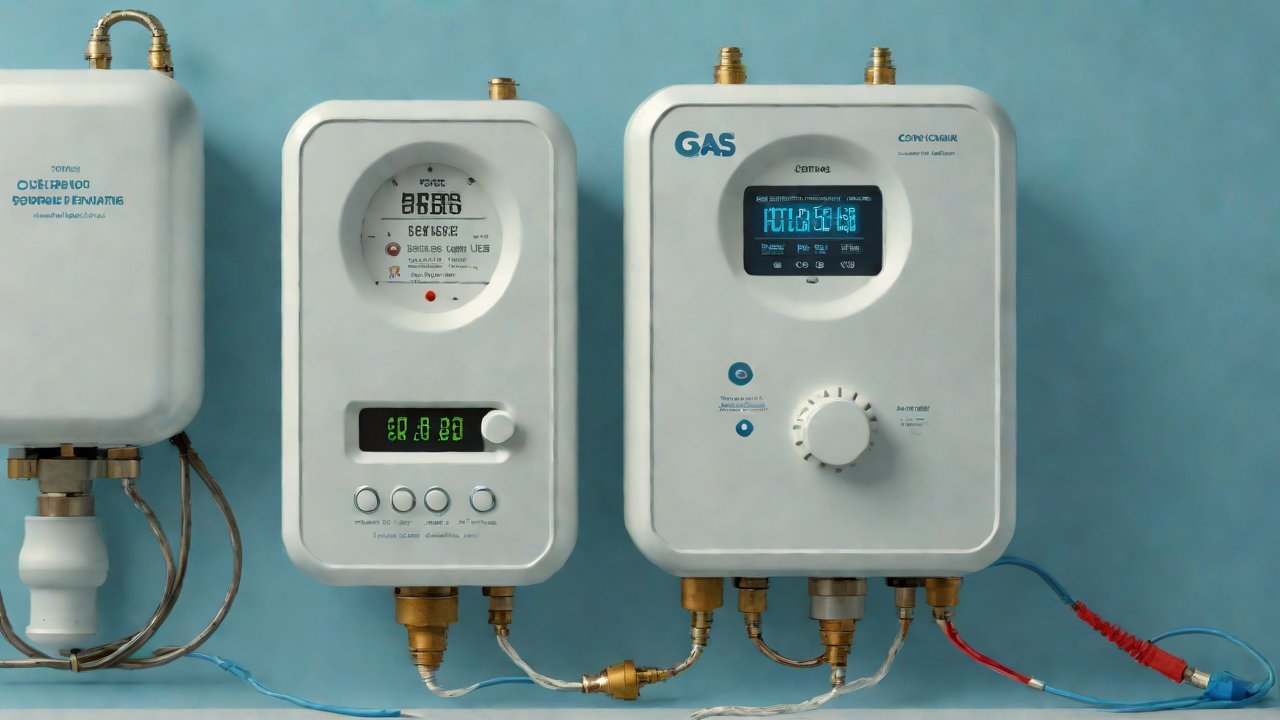
IoT Gas Meter User Guide
As we navigate the complex landscape of IoT-enabled devices, one crucial aspect often overlooked is the humble gas meter. Once a simple, mechanical device, modern gas meters have evolved to become sophisticated hubs for data collection and energy management. The integration of IoT technology has transformed these devices into intelligent sensors that provide real-time insights into household energy consumption.
1. Understanding IoT Gas Meters
IoT gas meters are equipped with advanced sensing technologies, such as ultrasonic or thermal mass flow measurement, which enable accurate and reliable measurements of gas usage. These meters can communicate wirelessly with utility providers and homeowners’ devices, sending data on consumption patterns, leaks, and other critical information.
Key Features:
- Real-time monitoring and alerts for unusual activity
- Remote firmware updates to ensure optimal performance
- Integration with smart home systems for seamless energy management
2. Setting Up Your IoT Gas Meter
Before installing your new IoT gas meter, it’s essential to understand the required setup process.
Pre-Installation Checklist:
| Item | Description |
|---|---|
| Check if your utility provider supports IoT-enabled meters | |
| Ensure you have a compatible smart home system or device |

3. Installing Your IoT Gas Meter
Installing an IoT gas meter is relatively straightforward, but it’s crucial to follow the manufacturer’s instructions carefully.
Step-by-Step Installation:
- Shut off the gas supply to your home
- Remove any existing meters and replace with the new IoT-enabled unit
- Securely fasten the meter to a suitable mounting point
4. Configuring Your IoT Gas Meter
Once installed, you’ll need to configure your IoT gas meter for optimal performance.
Configuration Options:
| Setting | Description |
|---|---|
| Set up communication protocols (e.g., Wi-Fi, cellular) | |
| Configure remote access and user authentication |
5. Monitoring Your Energy Consumption
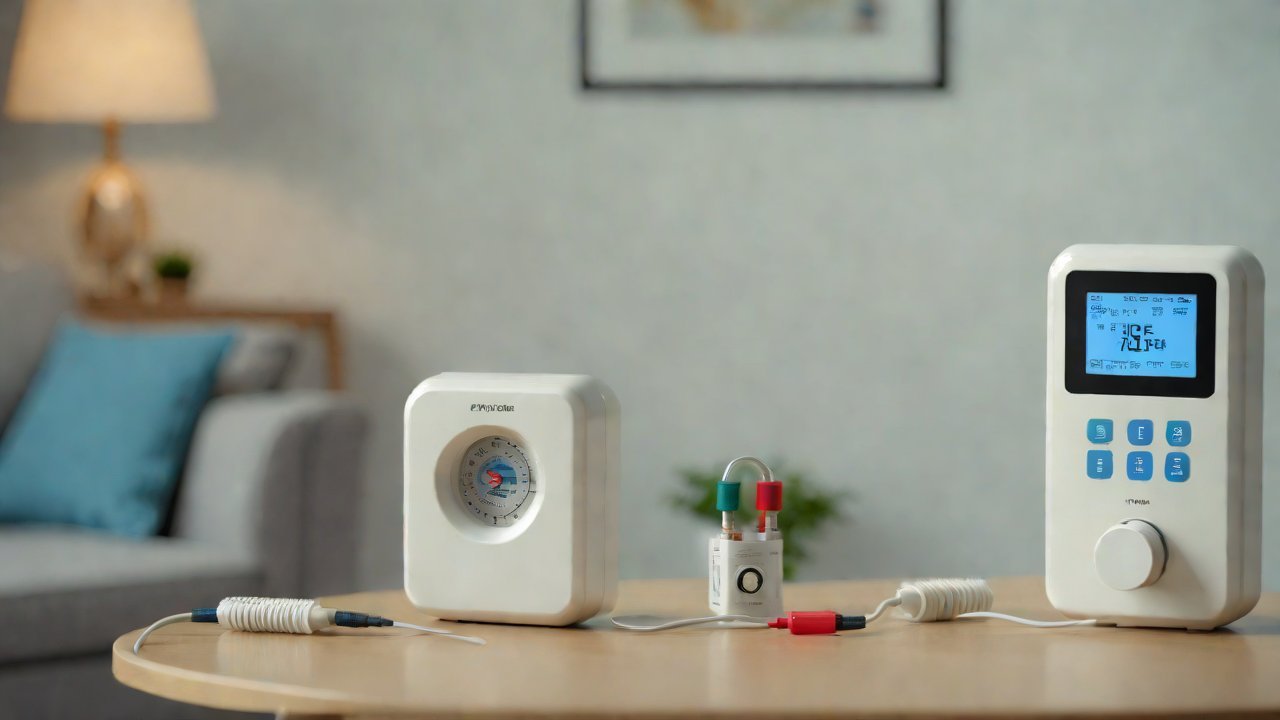
With your IoT gas meter set up and configured, you can now monitor your energy consumption in real-time.
Real-Time Data:
- View current usage rates
- Track historical data for trends and anomalies
- Receive alerts for unusual activity or potential leaks
6. Integrating with Smart Home Systems
IoT gas meters seamlessly integrate with popular smart home systems, enhancing the overall energy management experience.
Supported Platforms:
| Platform | Description |
|---|---|
| Support for Amazon Alexa and Google Assistant integration | |
| Compatibility with leading smart home systems (e.g., Samsung SmartThings) |
7. Security Considerations
As with any IoT device, security is a top concern when it comes to your gas meter.
Best Practices:
- Regularly update firmware and software
- Use strong passwords and enable two-factor authentication
- Monitor for suspicious activity and report incidents to your utility provider
8. Troubleshooting Common Issues
Occasionally, you may encounter issues with your IoT gas meter. This section provides guidance on resolving common problems.
Troubleshooting Tips:
| Issue | Solution |
|---|---|
| Check communication protocols and ensure a stable connection |
9. Conclusion
IoT gas meters offer a wealth of benefits for homeowners, including real-time energy monitoring, remote management, and enhanced security. By following this comprehensive user guide, you’ll be able to unlock the full potential of your IoT-enabled device.
Final Thoughts:
- Regularly review and update your meter’s configuration
- Take advantage of manufacturer-provided resources and support
As the world becomes increasingly interconnected, it’s essential to stay informed about the latest advancements in IoT technology. By embracing these innovations, you’ll be better equipped to navigate the complex landscape of smart home devices and energy management systems.
IOT Cloud Platform
IOT Cloud Platform is an IoT portal established by a Chinese IoT company, focusing on technical solutions in the fields of agricultural IoT, industrial IoT, medical IoT, security IoT, military IoT, meteorological IoT, consumer IoT, automotive IoT, commercial IoT, infrastructure IoT, smart warehousing and logistics, smart home, smart city, smart healthcare, smart lighting, etc.
The IoT Cloud Platform blog is a top IoT technology stack, providing technical knowledge on IoT, robotics, artificial intelligence (generative artificial intelligence AIGC), edge computing, AR/VR, cloud computing, quantum computing, blockchain, smart surveillance cameras, drones, RFID tags, gateways, GPS, 3D printing, 4D printing, autonomous driving, etc.