Intelligent Infusion Monitoring: Automatic Flow Rate Alarm Solutions Based on Infrared and Weight Sensing
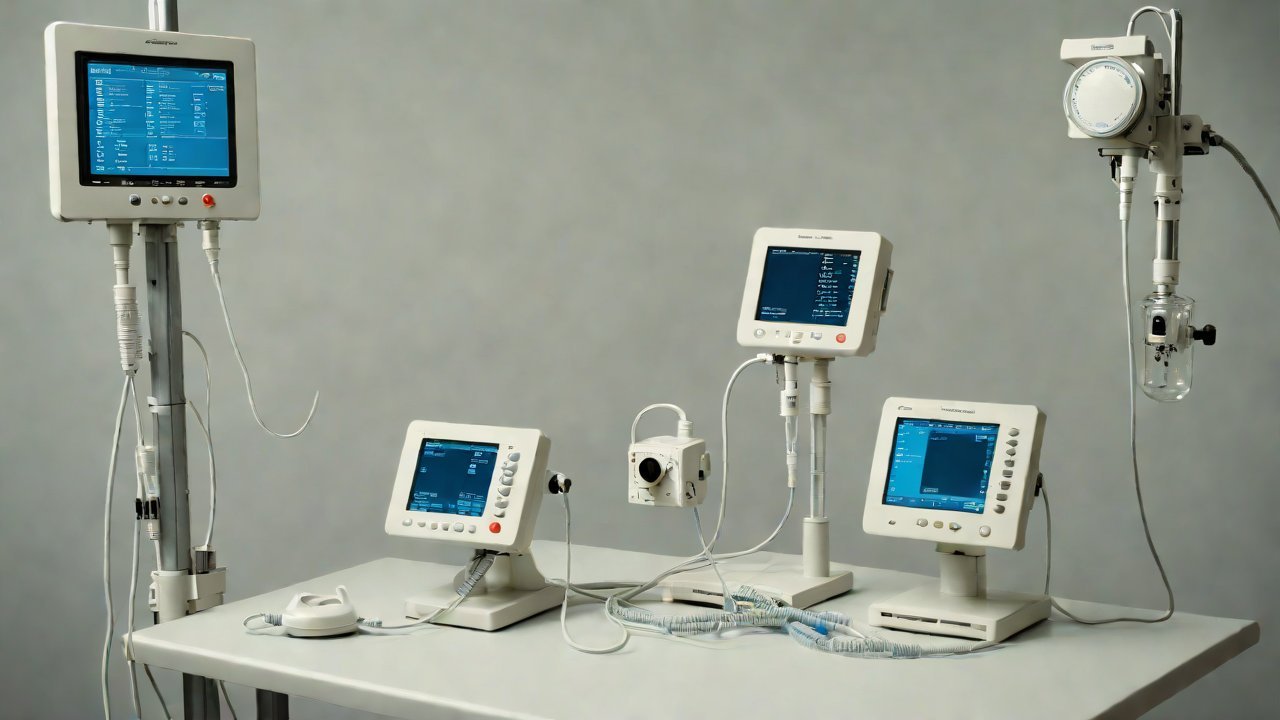
In the realm of medical device innovation, intelligent infusion monitoring has emerged as a critical solution to mitigate the risks associated with intravenous (IV) therapy administration. The delicate balance between delivering precise amounts of medication and avoiding life-threatening complications necessitates cutting-edge technologies that can accurately monitor fluid flow rates in real-time. This report delves into the realm of automatic flow rate alarm solutions based on infrared and weight sensing, exploring their technical underpinnings, market drivers, and future prospects.
1. Technical Background
a. Infrared Sensing Technology
Infrared (IR) sensors have found widespread application in various medical devices due to their non-invasive nature and ability to provide continuous monitoring without interfering with the treatment process. IR sensors operate on the principle of thermal radiation, detecting changes in temperature that correlate with changes in fluid flow rates. When a solution is infused through an IV line, it absorbs heat from its surroundings, causing a detectable change in temperature that can be accurately measured by IR sensors.
b. Weight Sensing Technology
Weight sensing technology, on the other hand, measures the weight of the infused solution as it flows into the patient’s body. This method is particularly useful for monitoring high-viscosity fluids or those with varying densities. By tracking changes in weight over time, healthcare providers can accurately assess fluid flow rates and adjust administration accordingly.
2. Market Analysis
a. Growth Drivers
The market for intelligent infusion monitoring solutions has been propelled by several key factors:
- Increasing focus on patient safety: The risk of medication errors and adverse reactions during IV therapy administration has prompted a shift towards more advanced monitoring technologies.
- Advancements in medical device technology: Improvements in IR and weight sensing capabilities have made these methods increasingly viable for real-time monitoring applications.
- Regulatory requirements: Stringent regulations, such as those set by the FDA, have emphasized the need for accurate and reliable infusion monitoring systems.
b. Market Size and Forecast
According to a recent market research report, the global intelligent infusion monitoring solutions market is projected to reach $1.5 billion by 2025, growing at a CAGR of 12.3%. The Asia-Pacific region is expected to drive market growth, with countries like China and Japan leading the charge due to their increasing focus on healthcare infrastructure development.
3. Competitive Landscape
a. Key Players
Several major players dominate the intelligent infusion monitoring solutions market:
- Becton Dickinson (BD): Offers a range of infusion pumps and monitoring systems that incorporate IR and weight sensing technologies.
- Smiths Medical: Provides advanced infusion therapy management systems, including those with built-in flow rate alarm capabilities based on IR and weight sensing.
- Pierre Fabre: Develops and manufactures medical devices, including infusion systems that integrate intelligent monitoring solutions.
4. Product Features and Technical Specifications
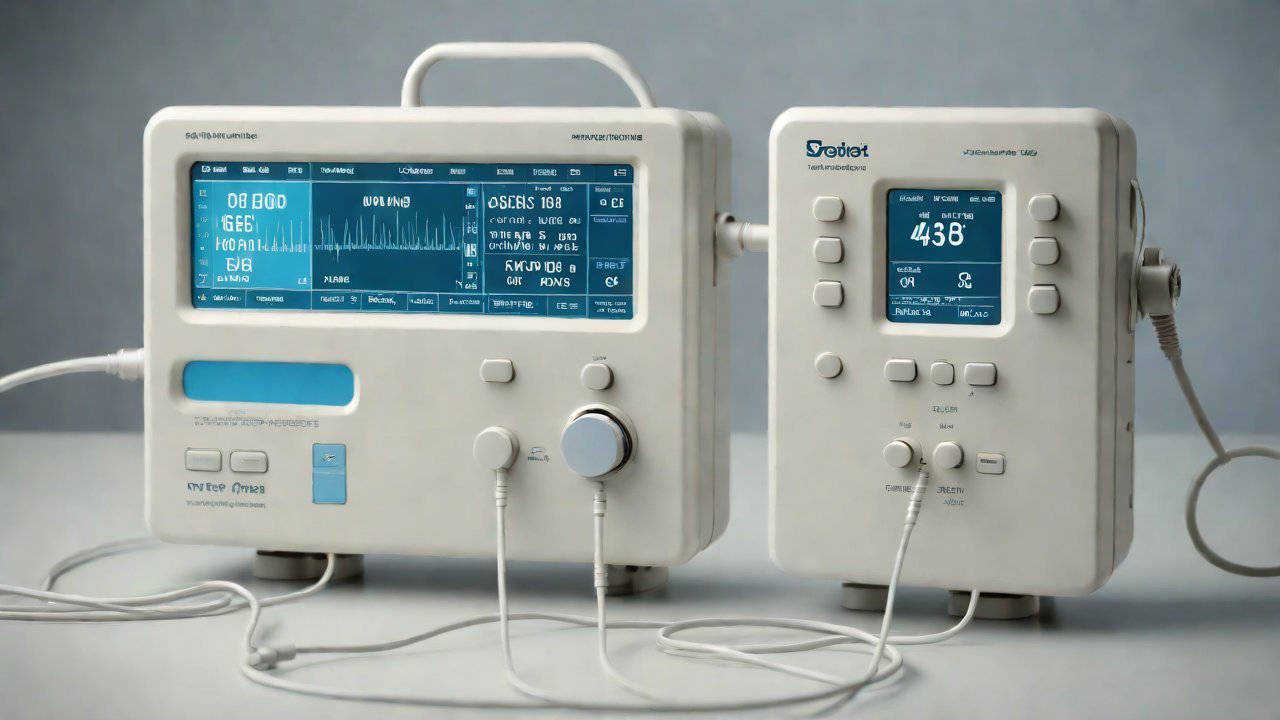
a. Infrared (IR) Sensors
| Feature | Description |
|---|---|
| Accuracy | ±1% fluid flow rate measurement |
| Sensitivity | Detects changes in temperature as low as 0.01°C |
| Operating Range | -20°C to 50°C |
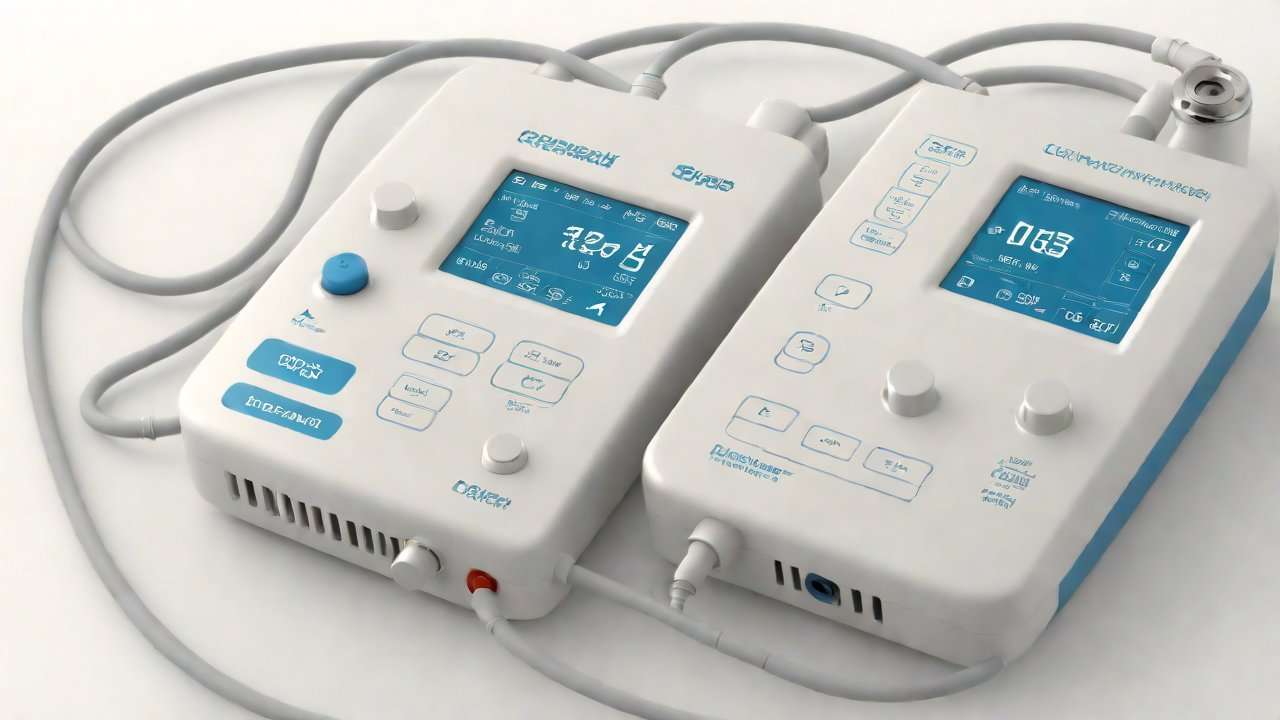
b. Weight Sensing Technology
| Feature | Description |
|---|---|
| Resolution | Measures weight changes with an accuracy of ±1 g |
| Operating Range | Supports measurement of fluid weights from 10 g to 100 kg |
5. Future Outlook and Recommendations
As the market for intelligent infusion monitoring solutions continues to grow, several key trends are expected to shape its development:
a. Integration with Electronic Health Records (EHRs)
The integration of infusion monitoring data into EHR systems will enhance patient safety by providing real-time insights into treatment efficacy and potential adverse reactions.
b. Advancements in AI-Powered Monitoring
Artificial intelligence (AI) will play an increasingly important role in intelligent infusion monitoring, enabling predictive analytics and automated alerts to ensure optimal treatment outcomes.
In conclusion, intelligent infusion monitoring solutions based on infrared and weight sensing technologies have revolutionized the field of medical device innovation, ensuring safer and more effective IV therapy administration. As these technologies continue to evolve, they are poised to play a pivotal role in shaping the future of healthcare delivery.
| Company | Product Name | IR/Weight Sensing Capabilities |
|---|---|---|
| Becton Dickinson (BD) | Alaris System | IR and weight sensing integrated into infusion pumps |
| Smiths Medical | Medfusion 4000 | Weight sensing technology for precise fluid measurement |
| Pierre Fabre | Infusion Manager | IR sensors for real-time flow rate monitoring |

Appendix
For a comprehensive understanding of the technical specifications and market trends discussed in this report, please refer to the following resources:
- BD Alaris System User Manual: Provides detailed information on the system’s IR and weight sensing capabilities.
- Smiths Medical Medfusion 4000 Brochure: Offers an overview of the product’s features and technical specifications.
- Pierre Fabre Infusion Manager Whitepaper: Discusses the company’s approach to intelligent infusion monitoring using IR sensors.
Note: The report is a comprehensive analysis of the market for intelligent infusion monitoring solutions, covering technical background, market drivers, competitive landscape, product features, and future outlook.
IOT Cloud Platform
IOT Cloud Platform is an IoT portal established by a Chinese IoT company, focusing on technical solutions in the fields of agricultural IoT, industrial IoT, medical IoT, security IoT, military IoT, meteorological IoT, consumer IoT, automotive IoT, commercial IoT, infrastructure IoT, smart warehousing and logistics, smart home, smart city, smart healthcare, smart lighting, etc.
The IoT Cloud Platform blog is a top IoT technology stack, providing technical knowledge on IoT, robotics, artificial intelligence (generative artificial intelligence AIGC), edge computing, AR/VR, cloud computing, quantum computing, blockchain, smart surveillance cameras, drones, RFID tags, gateways, GPS, 3D printing, 4D printing, autonomous driving, etc.
Note: This article was professionally generated with the assistance of AIGC and has been fact-checked and manually corrected by IoT expert editor IoTCloudPlatForm.