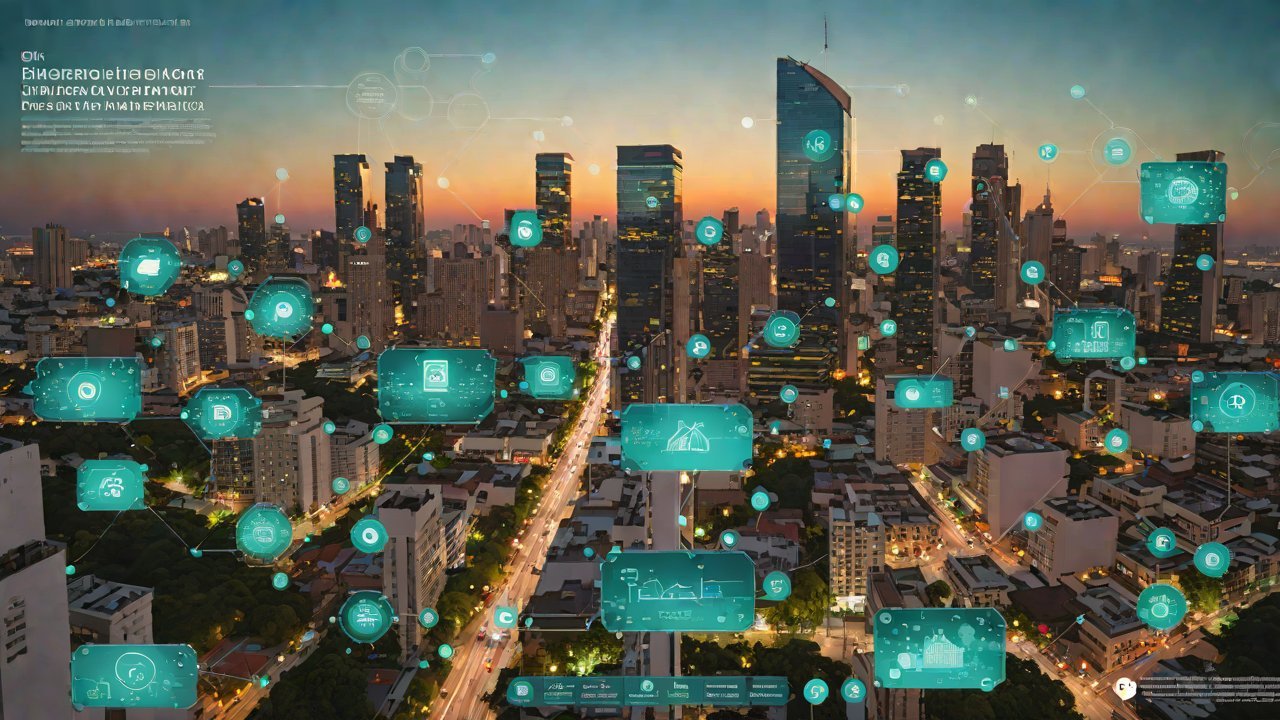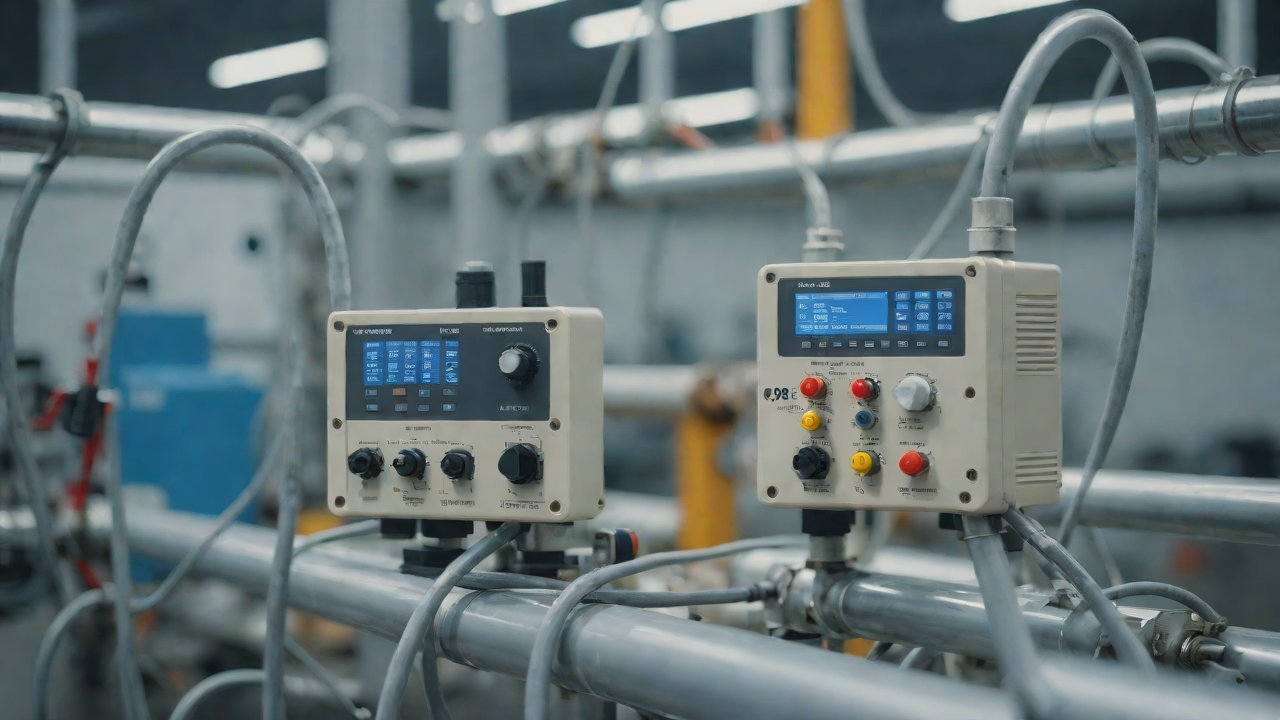
Industrial IoT IP67 Protection Solution
The Industrial Internet of Things (IIoT) is revolutionizing manufacturing, process control, and other industrial sectors by enabling real-time data collection, analysis, and automation. However, these applications are often exposed to harsh environmental conditions such as dust, moisture, and extreme temperatures, which can compromise the reliability and longevity of IIoT devices. To address this challenge, IP67 protection solutions have emerged as a critical requirement for ensuring the integrity and performance of industrial IoT devices.
IP67 is a widely recognized standard for sealing effectiveness against solid objects (dust) and water ingress in enclosures. It ensures that devices can withstand immersion up to 1 meter in depth for 30 minutes without sustaining damage or compromising their functionality. The widespread adoption of IP67 protection solutions has been driven by the need for increased reliability, reduced maintenance costs, and improved overall efficiency in industrial settings.
1. Market Analysis
The market for Industrial IoT (IIoT) devices is growing rapidly, with an estimated global value of $1.3 trillion by 2025. This growth is being fueled by increasing adoption in various industries such as manufacturing, energy, and transportation. However, the harsh environmental conditions prevalent in these sectors pose significant challenges to device reliability.
The demand for IP67 protection solutions has increased significantly in recent years due to the rising need for ruggedized devices that can withstand extreme temperatures, dust, and moisture. According to a report by MarketsandMarkets, the global market for industrial enclosures is expected to reach $3.8 billion by 2025, growing at a CAGR of 6.2% from 2020 to 2025.
| Market Segment | Growth Rate (CAGR) |
|---|---|
| Industrial Enclosures | 6.2% |
| IIoT Devices | 10.5% |
| IoT Solutions | 14.1% |
2. Technical Requirements
To ensure effective IP67 protection, devices must meet specific technical requirements. These include:
- Sealing effectiveness against solid objects (dust) and water ingress
- Ability to withstand immersion up to 1 meter in depth for 30 minutes
- Compliance with relevant industry standards such as IEC60529 and UL50E
- Use of materials and construction techniques that minimize the risk of corrosion and degradation
| Technical Requirements | Description |
|---|---|
| Sealing Effectiveness | Ensures protection against dust and water ingress |
| Immersion Depth | Devices can withstand immersion up to 1 meter in depth for 30 minutes |
| Compliance with Industry Standards | Adherence to IEC60529 and UL50E standards |
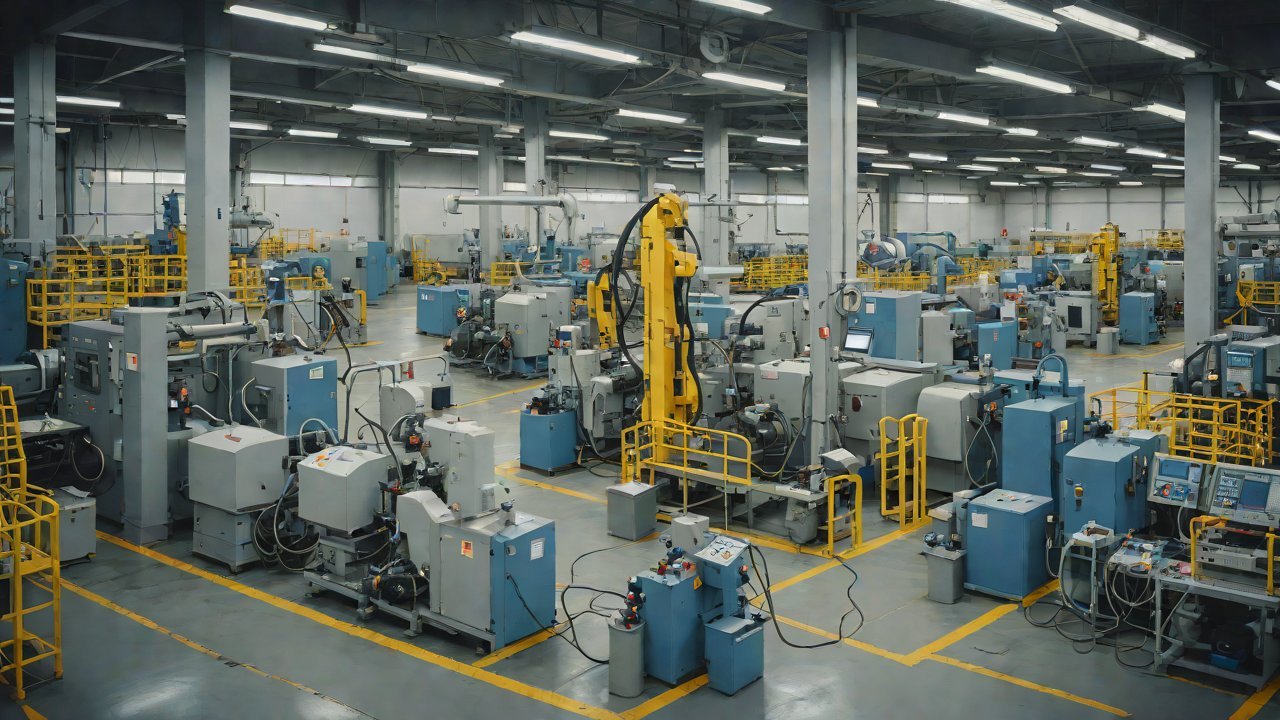
3. Design Considerations
When designing IP67 protection solutions, several factors must be taken into account. These include:
- Material selection: Choosing materials that are resistant to corrosion, degradation, and moisture ingress
- Sealing techniques: Implementing effective sealing methods such as gaskets, O-rings, and screws
- Enclosure design: Ensuring the enclosure provides adequate protection against dust and water ingress
| Design Considerations | Description |
|---|---|
| Material Selection | Resistant to corrosion, degradation, and moisture ingress |
| Sealing Techniques | Gaskets, O-rings, screws, etc. |
| Enclosure Design | Provides adequate protection against dust and water ingress |
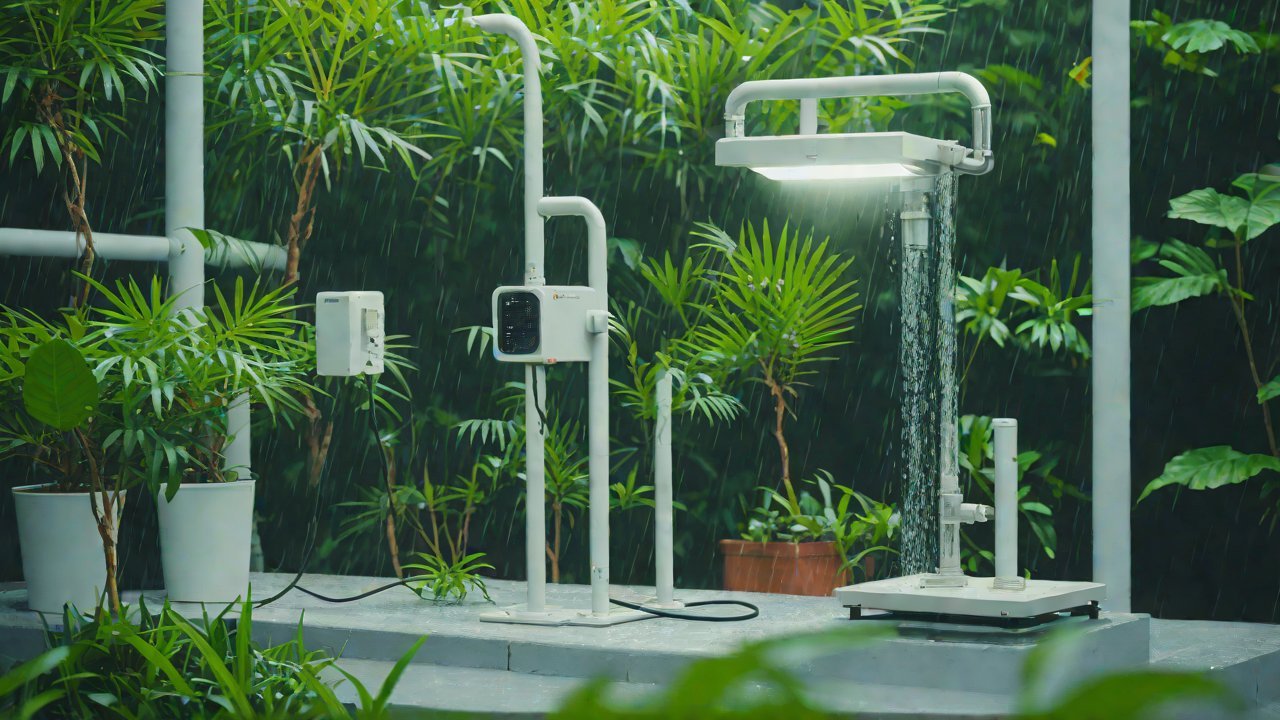
4. Implementation Challenges
Implementing IP67 protection solutions can be challenging due to various factors such as:
- Complexity of design: Ensuring effective sealing and protecting against extreme temperatures
- Cost considerations: Balancing cost with the need for ruggedized devices
- Integration with existing systems: Adapting new technologies to existing infrastructure
| Implementation Challenges | Description |
|---|---|
| Design Complexity | Ensuring effective sealing and protecting against extreme temperatures |
| Cost Considerations | Balancing cost with the need for ruggedized devices |
| Integration with Existing Systems | Adapting new technologies to existing infrastructure |
5. Future Outlook
The demand for IP67 protection solutions is expected to continue growing as industrial IoT applications become more widespread. Emerging trends such as Industry 4.0, IIoT, and smart manufacturing will drive the need for ruggedized devices that can withstand harsh environmental conditions.
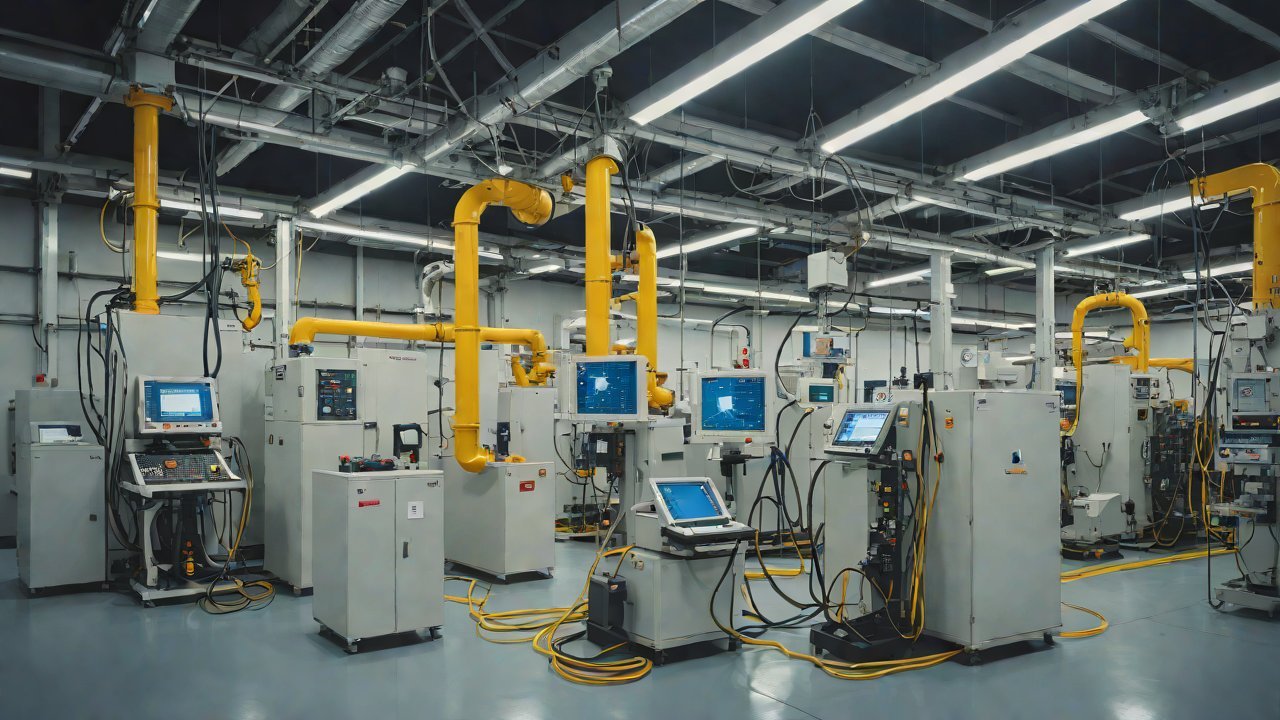
| Future Outlook | Description |
|---|---|
| Growing Demand | Increased adoption of industrial IoT applications |
| Emerging Trends | Industry 4.0, IIoT, smart manufacturing |
6. Conclusion
In conclusion, IP67 protection solutions are a critical requirement for ensuring the reliability and performance of Industrial IoT devices. The market is growing rapidly, driven by increasing demand from various industries. To effectively address this challenge, designers must consider technical requirements, design considerations, and implementation challenges.
| Conclusion | Description |
|---|---|
| Growing Demand | Increased adoption of industrial IoT applications |
| Critical Requirement | Ensuring reliability and performance of IIoT devices |
By understanding the market analysis, technical requirements, design considerations, implementation challenges, and future outlook, organizations can develop effective IP67 protection solutions that meet the needs of industrial IoT applications.
IOT Cloud Platform
IOT Cloud Platform is an IoT portal established by a Chinese IoT company, focusing on technical solutions in the fields of agricultural IoT, industrial IoT, medical IoT, security IoT, military IoT, meteorological IoT, consumer IoT, automotive IoT, commercial IoT, infrastructure IoT, smart warehousing and logistics, smart home, smart city, smart healthcare, smart lighting, etc.
The IoT Cloud Platform blog is a top IoT technology stack, providing technical knowledge on IoT, robotics, artificial intelligence (generative artificial intelligence AIGC), edge computing, AR/VR, cloud computing, quantum computing, blockchain, smart surveillance cameras, drones, RFID tags, gateways, GPS, 3D printing, 4D printing, autonomous driving, etc.