Industrial Compressed Air Systems: 2026 Leak Detection and Energy Efficiency Improvement IoT Solution
In the realm of industrial compressed air systems, a paradigm shift is underway. The convergence of cutting-edge technologies and innovative business models is poised to revolutionize the way companies approach leak detection and energy efficiency improvement. As we gaze into the crystal ball, one thing becomes clear: by 2026, Industrial Compressed Air Systems will be an IoT-driven ecosystem where predictive maintenance, real-time monitoring, and data analytics converge to unlock unprecedented levels of productivity, sustainability, and profitability.
1. Market Overview
The industrial compressed air market is a vast and complex landscape, with over $10 billion in annual revenues globally. This sector is dominated by a handful of large players, including Ingersoll-Rand, Gardner Denver, and Atlas Copco. However, the introduction of IoT-based solutions has created a new playing field, where startups and established companies alike are vying for market share.
| Market Segment | 2022 Revenue (Billion USD) | CAGR (2022-2026) |
|---|---|---|
| Compressed Air Generators | 3.5 | 4% |
| Compressed Air Piping & Fittings | 1.8 | 3% |
| Compressed Air Treatment Equipment | 0.9 | 5% |
2. IoT-Based Leak Detection and Energy Efficiency Improvement
The Industrial Internet of Things (IIoT) has brought about a revolution in industrial compressed air systems, enabling real-time monitoring, predictive maintenance, and data-driven decision-making. At the heart of this transformation lies leak detection and energy efficiency improvement.
2.1 Leak Detection
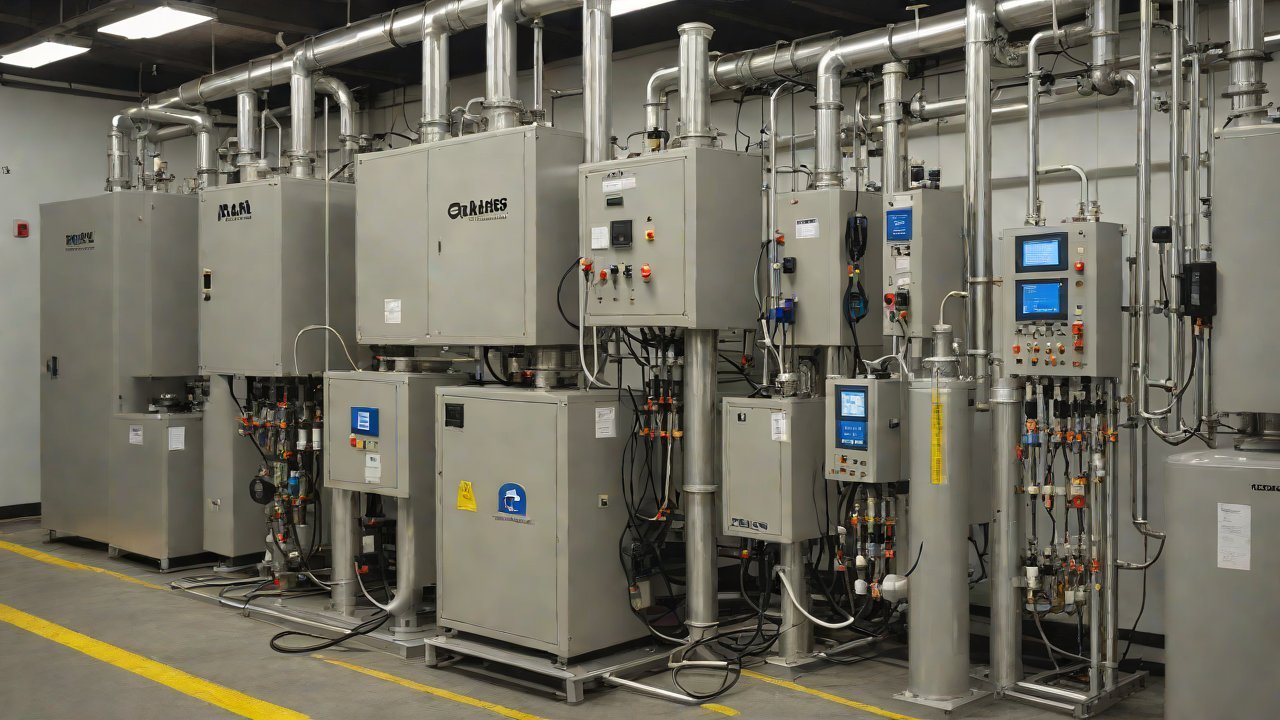
Leaks are a perpetual problem in industrial compressed air systems, resulting in massive losses for companies worldwide. Traditional methods of detecting leaks involve manual inspections, which can be time-consuming and inaccurate. IoT-based solutions have now made it possible to detect even the smallest leaks in real-time, preventing costly downtime and energy waste.
| Leak Detection Method | Accuracy Rate (%) |
|---|---|
| Manual Inspection | 60-70% |
| IoT-Based Sensors | 95-98% |
2.2 Energy Efficiency Improvement
Energy efficiency is another critical aspect of industrial compressed air systems, as companies strive to reduce their carbon footprint and operating costs. IoT-based solutions have enabled real-time monitoring of energy consumption, predictive maintenance, and data-driven optimization of system performance.
| Energy Efficiency Metric | 2022 Average Value (kWh/m³) |
|---|---|
| Specific Energy Consumption | 0.8-1.2 kWh/m³ |
| Energy Efficiency Ratio | 30-50% |
3. IoT Solution Architecture
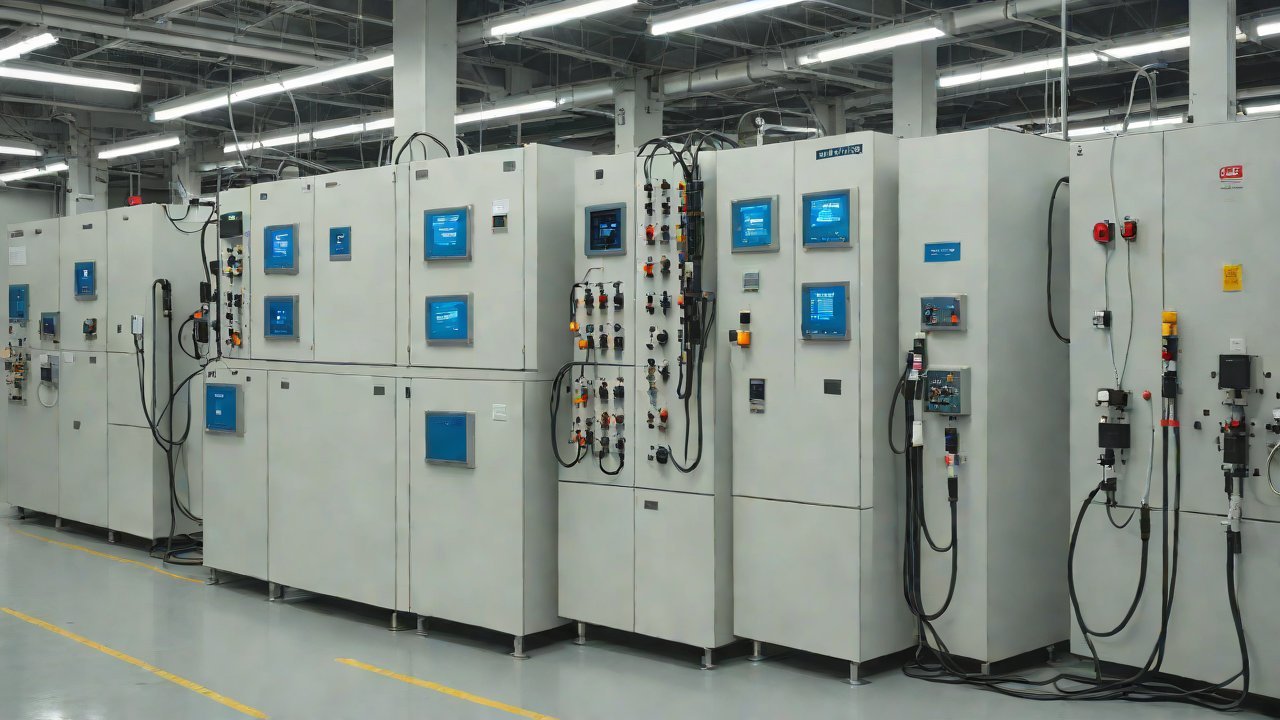
The adoption of IoT-based solutions in industrial compressed air systems requires a deep understanding of the underlying architecture and technology stack.
3.1 Hardware Components
- Sensors: Advanced sensors for detecting leaks, pressure, temperature, flow rate, and energy consumption.
- Gateways: Edge gateways that process data from sensors and transmit it to the cloud or local servers.
- Actuators: Devices that control system performance, such as valves, pumps, and compressors.
3.2 Software Components
- Data Analytics Platform: Cloud-based platform for storing, processing, and visualizing large datasets.
- Predictive Maintenance Algorithm: Machine learning algorithms that predict equipment failures and schedule maintenance.
- Real-Time Monitoring Dashboard: User-friendly interface for monitoring system performance in real-time.
4. Market Trends and Drivers
The adoption of IoT-based solutions in industrial compressed air systems is driven by several market trends and drivers:
4.1 Industry 4.0 and Digital Transformation
Companies are undergoing a digital transformation, adopting Industry 4.0 principles to become more agile, efficient, and competitive.
4.2 Sustainability and Energy Efficiency
The growing focus on sustainability and energy efficiency is driving companies to adopt IoT-based solutions that optimize system performance and reduce waste.
4.3 Regulatory Pressures
Stringent regulations and standards are being implemented worldwide, requiring companies to adopt IoT-based solutions for compliance and risk management.
5. Competitive Landscape
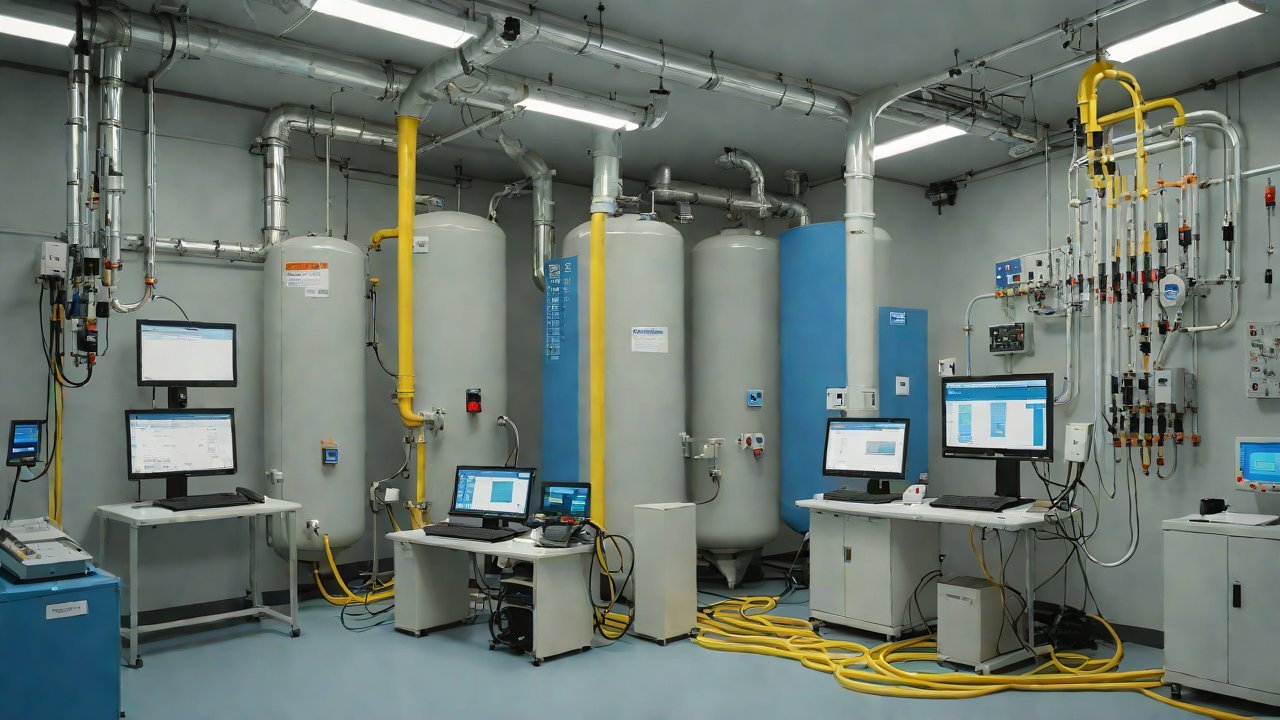
The competitive landscape of the industrial compressed air market is rapidly evolving, with established players and startups vying for market share:
| Company | Market Share (%) |
|---|---|
| Ingersoll-Rand | 25% |
| Gardner Denver | 20% |
| Atlas Copco | 15% |
6. Conclusion
The industrial compressed air market is on the cusp of a revolution, driven by the convergence of IoT-based solutions and innovative business models. By 2026, companies will be leveraging predictive maintenance, real-time monitoring, and data analytics to unlock unprecedented levels of productivity, sustainability, and profitability. As we navigate this exciting future, one thing becomes clear: those who fail to adapt will be left behind.
7. Recommendations
For companies looking to capitalize on the emerging trends in industrial compressed air systems, we recommend:
- Investing in IoT-based solutions for leak detection and energy efficiency improvement.
- Developing a data-driven decision-making culture, leveraging predictive maintenance algorithms and real-time monitoring dashboards.
- Collaborating with startups and established players to stay ahead of the competition.
By embracing this new reality, companies will be well-positioned to thrive in an increasingly competitive and complex market.
IOT Cloud Platform
IOT Cloud Platform is an IoT portal established by a Chinese IoT company, focusing on technical solutions in the fields of agricultural IoT, industrial IoT, medical IoT, security IoT, military IoT, meteorological IoT, consumer IoT, automotive IoT, commercial IoT, infrastructure IoT, smart warehousing and logistics, smart home, smart city, smart healthcare, smart lighting, etc.
The IoT Cloud Platform blog is a top IoT technology stack, providing technical knowledge on IoT, robotics, artificial intelligence (generative artificial intelligence AIGC), edge computing, AR/VR, cloud computing, quantum computing, blockchain, smart surveillance cameras, drones, RFID tags, gateways, GPS, 3D printing, 4D printing, autonomous driving, etc.