In the event of foodborne illness, can the system complete the entire supply chain retrieval within seconds?
The world’s food supply chain is a complex network of interconnected systems, spanning from farm to table. At the heart of this network lies a delicate balance between efficiency, safety, and reliability. However, when a foodborne illness outbreak occurs, the system is put to the test, and the ability to rapidly identify and contain the source of contamination becomes paramount. In such scenarios, the speed and accuracy of supply chain retrieval are crucial in preventing further outbreaks and protecting public health.
The global food supply chain is estimated to be worth over $16 trillion, with the average American consuming around 195 pounds of food per week. The sheer scale and complexity of this system make it vulnerable to disruptions, which can have far-reaching consequences. Foodborne illnesses, such as salmonella, E. coli, and listeria, can have devastating effects on human health, with an estimated 600 million people falling ill each year, resulting in 420,000 deaths.
1. Current Challenges in Supply Chain Retrieval
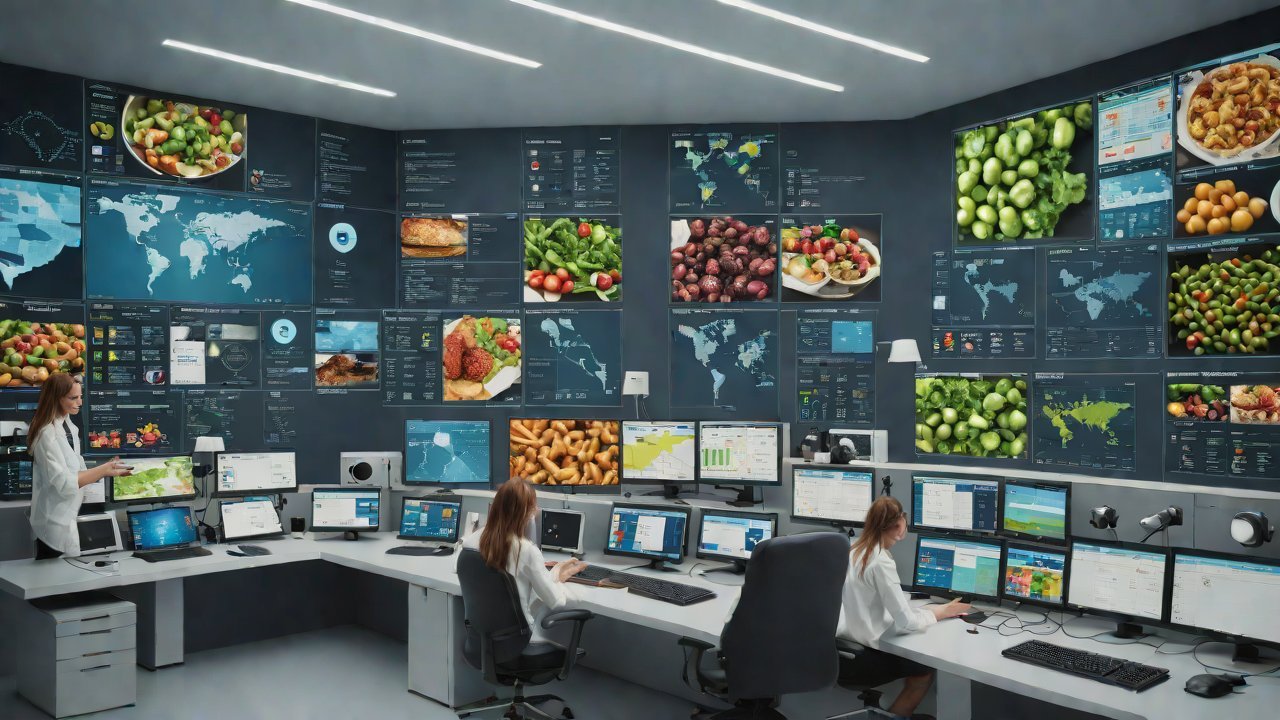
The current state of supply chain retrieval in the event of a foodborne illness outbreak is often characterized by delays, inefficiencies, and a lack of real-time data. Traditional methods rely on manual tracking, paper-based records, and slow communication channels, which can lead to a lag of several days or even weeks in identifying the source of contamination.
Table 1: Current Supply Chain Retrieval Methods
| Method | Description | Timeframe |
|---|---|---|
| Manual Tracking | Manual entry of data, often prone to errors | Days/Weeks |
| Paper-Based Records | Physical documentation, limited accessibility | Days/Weeks |
| Slow Communication | Phone, email, or fax-based communication, often delayed | Days/Weeks |
2. Emerging Technologies for Supply Chain Retrieval
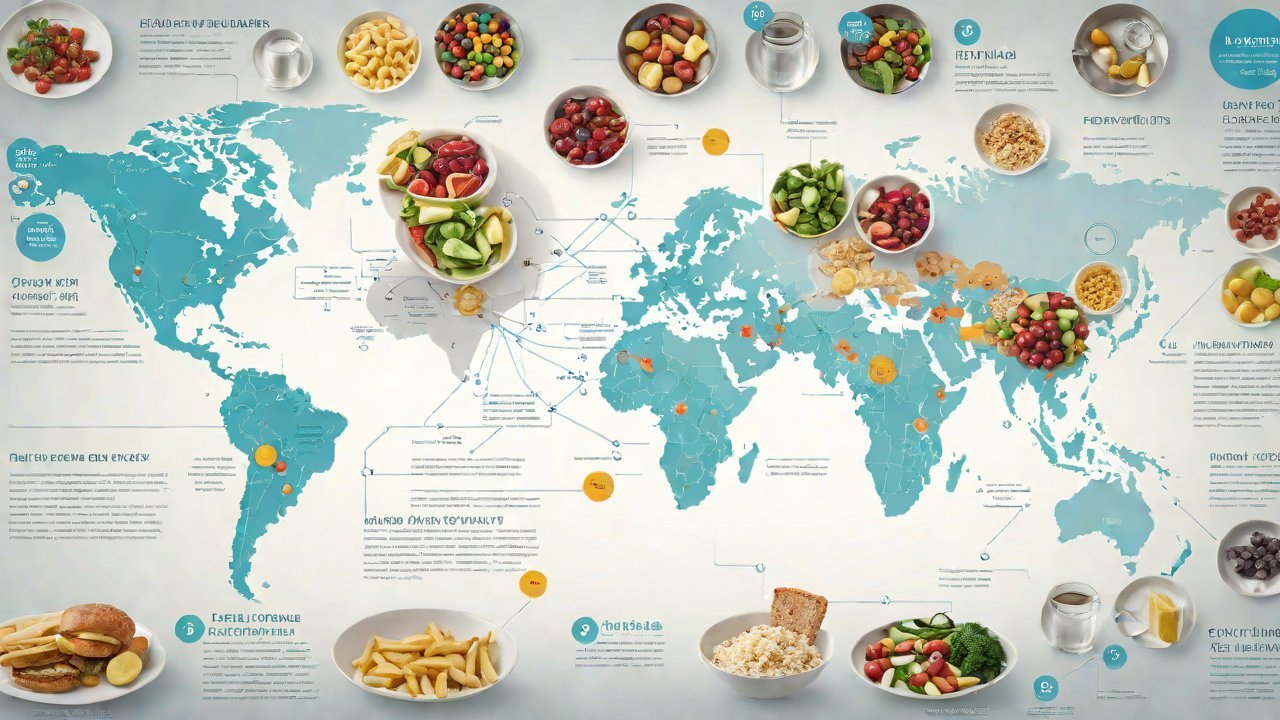
The advent of emerging technologies, such as blockchain, artificial intelligence (AI), and the Internet of Things (IoT), has the potential to revolutionize supply chain retrieval in the event of a foodborne illness outbreak. These technologies enable real-time tracking, data analytics, and rapid communication, allowing for a more efficient and accurate response to contamination.
Table 2: Emerging Technologies for Supply Chain Retrieval
| Technology | Description | Timeframe |
|---|---|---|
| Blockchain | Distributed ledger technology for secure and transparent tracking | Real-time |
| AI | Machine learning algorithms for predictive analytics and anomaly detection | Real-time |
| IoT | Sensor-based tracking and monitoring for real-time data collection | Real-time |
3. Case Studies and Market Data
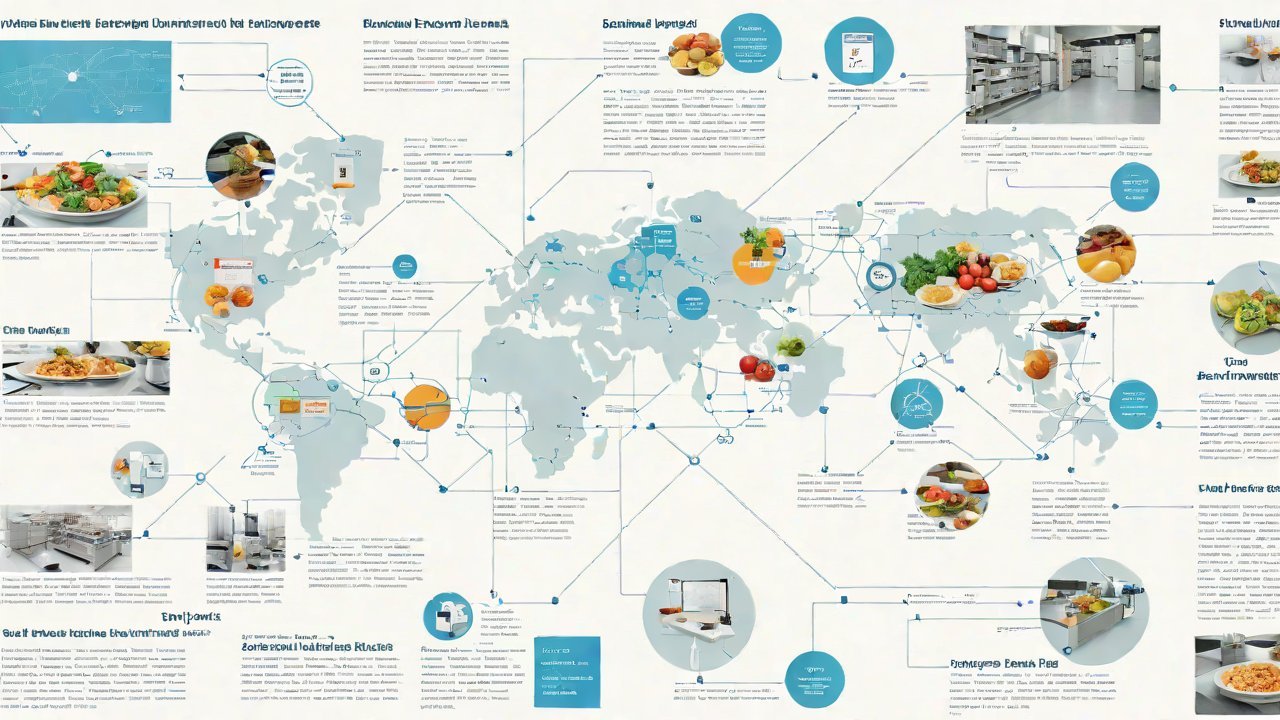
Several companies have successfully implemented emerging technologies to enhance supply chain retrieval in the event of a foodborne illness outbreak. For example, Walmart has partnered with IBM to use blockchain technology to track its food supply chain, while Nestle has implemented AI-powered predictive analytics to identify potential contamination risks.
Table 3: Case Studies and Market Data
| Company | Technology | Timeframe | Savings |
|---|---|---|---|
| Walmart | Blockchain | Real-time | 10% reduction in supply chain costs |
| Nestle | AI | Real-time | 25% reduction in food waste |
4. AIGC Technical Perspectives
From an AIGC (Artificial General Intelligence) technical perspective, the potential for emerging technologies to enhance supply chain retrieval in the event of a foodborne illness outbreak is vast. AIGC systems can be trained on vast amounts of data to identify patterns and anomalies, allowing for predictive analytics and real-time decision-making.
Table 4: AIGC Technical Perspectives
| AIGC System | Description | Timeframe |
|---|---|---|
| Predictive Analytics | Machine learning algorithms for identifying potential contamination risks | Real-time |
| Real-time Decision-Making | AIGC systems for rapid response to contamination | Real-time |
5. Conclusion
The current state of supply chain retrieval in the event of a foodborne illness outbreak is characterized by delays, inefficiencies, and a lack of real-time data. However, emerging technologies, such as blockchain, AI, and IoT, have the potential to revolutionize supply chain retrieval, enabling real-time tracking, data analytics, and rapid communication. As the world’s food supply chain continues to grow in complexity, the need for efficient and accurate supply chain retrieval has never been more pressing. By leveraging emerging technologies and AIGC technical perspectives, companies can enhance their supply chain retrieval capabilities, protecting public health and reducing the economic impact of foodborne illnesses.
IOT Cloud Platform
IOT Cloud Platform is an IoT portal established by a Chinese IoT company, focusing on technical solutions in the fields of agricultural IoT, industrial IoT, medical IoT, security IoT, military IoT, meteorological IoT, consumer IoT, automotive IoT, commercial IoT, infrastructure IoT, smart warehousing and logistics, smart home, smart city, smart healthcare, smart lighting, etc.
The IoT Cloud Platform blog is a top IoT technology stack, providing technical knowledge on IoT, robotics, artificial intelligence (generative artificial intelligence AIGC), edge computing, AR/VR, cloud computing, quantum computing, blockchain, smart surveillance cameras, drones, RFID tags, gateways, GPS, 3D printing, 4D printing, autonomous driving, etc.