In the context of carbon neutrality, how can the carbon reduction contribution of drone-based agricultural spraying be accurately measured?
Carbon neutrality has become an increasingly pressing concern in recent years, with the world’s largest emitters striving to reduce their greenhouse gas (GHG) emissions to net-zero by 2050. The agriculture sector, accounting for approximately 24% of global GHG emissions, has a significant role to play in this effort. One innovative approach to reducing emissions in agriculture is the use of drone-based spraying systems. However, accurately measuring the carbon reduction contribution of these systems is a complex task.
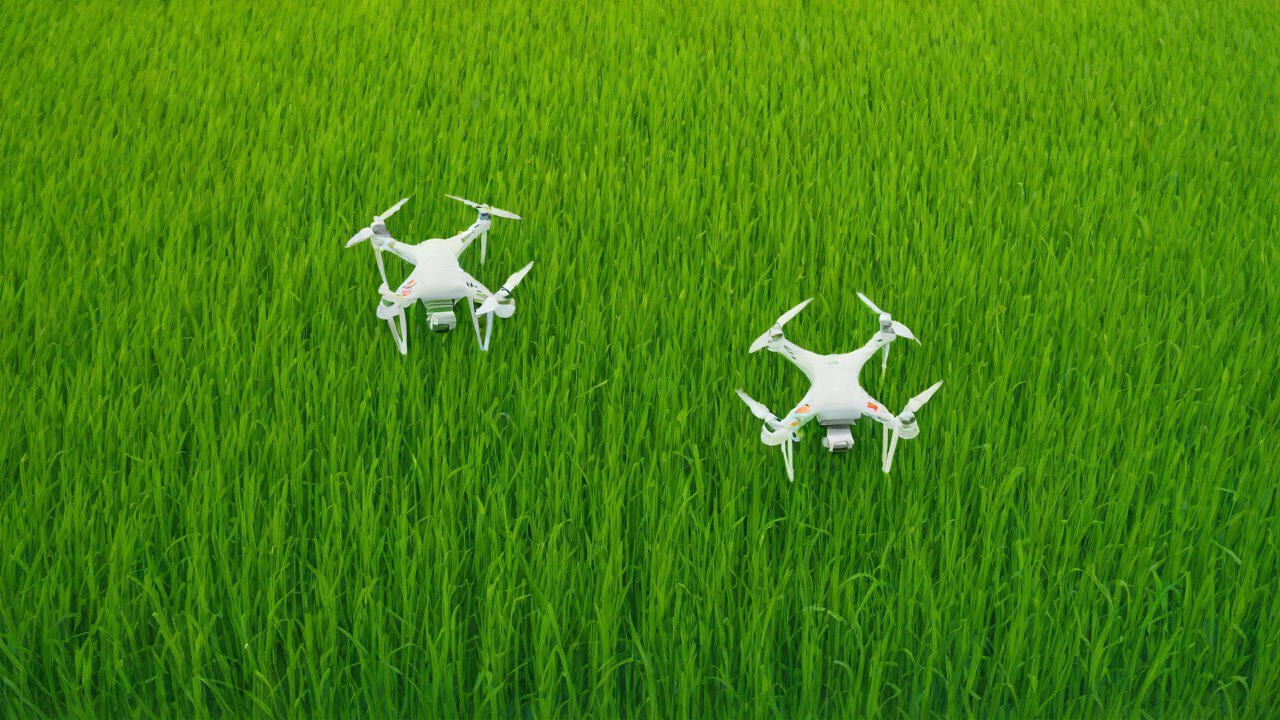
Drone-based spraying systems offer a range of benefits, including reduced fuel consumption, lower emissions, and increased precision. Studies have shown that these systems can reduce fuel consumption by up to 90%, leading to a corresponding decrease in GHG emissions. However, the carbon reduction contribution of drone-based spraying systems is not solely determined by fuel savings. Other factors, such as the efficiency of the spraying process, the type of crop being sprayed, and the location of the spraying operation, must also be taken into account.
1. Understanding the Basics of Carbon Footprint Analysis
To accurately measure the carbon reduction contribution of drone-based spraying systems, it is essential to understand the basics of carbon footprint analysis. Carbon footprint analysis involves calculating the amount of GHG emissions associated with a particular activity or process. This can be done using a variety of methods, including life cycle assessment (LCA) and greenhouse gas protocol (GHG Protocol).
1.1 Life Cycle Assessment (LCA)
LCA is a widely used method for calculating the carbon footprint of a product or process. It involves analyzing the GHG emissions associated with all stages of a product’s life cycle, from raw material extraction to end-of-life disposal or recycling. LCA can be used to calculate the carbon footprint of drone-based spraying systems by analyzing the emissions associated with the production, transportation, and use of the drones, as well as the emissions associated with the spraying process itself.
1.2 Greenhouse Gas Protocol (GHG Protocol)
The GHG Protocol is another widely used method for calculating the carbon footprint of a product or process. It involves analyzing the GHG emissions associated with all stages of a product’s life cycle, including raw material extraction, production, transportation, use, and end-of-life disposal or recycling. The GHG Protocol provides a standardized framework for calculating the carbon footprint of products and processes, making it a useful tool for comparing the carbon reduction contributions of different technologies.
2. Measuring the Carbon Reduction Contribution of Drone-Based Spraying Systems
Measuring the carbon reduction contribution of drone-based spraying systems involves several steps:
2.1 Baseline Emissions
The first step in measuring the carbon reduction contribution of drone-based spraying systems is to establish a baseline for emissions. This involves calculating the total GHG emissions associated with traditional spraying methods, including the emissions associated with fuel consumption, equipment use, and other activities.
2.2 Emissions Reductions
The next step is to calculate the emissions reductions associated with drone-based spraying systems. This involves analyzing the GHG emissions associated with the production, transportation, and use of the drones, as well as the emissions associated with the spraying process itself. Studies have shown that drone-based spraying systems can reduce fuel consumption by up to 90%, leading to a corresponding decrease in GHG emissions.
2.3 Carbon Footprint Analysis
Once the baseline emissions and emissions reductions have been established, a carbon footprint analysis can be performed to calculate the carbon reduction contribution of drone-based spraying systems. This involves using LCA or GHG Protocol methods to calculate the total GHG emissions associated with the spraying process, as well as the emissions associated with the production, transportation, and use of the drones.
2.4 Verification and Validation
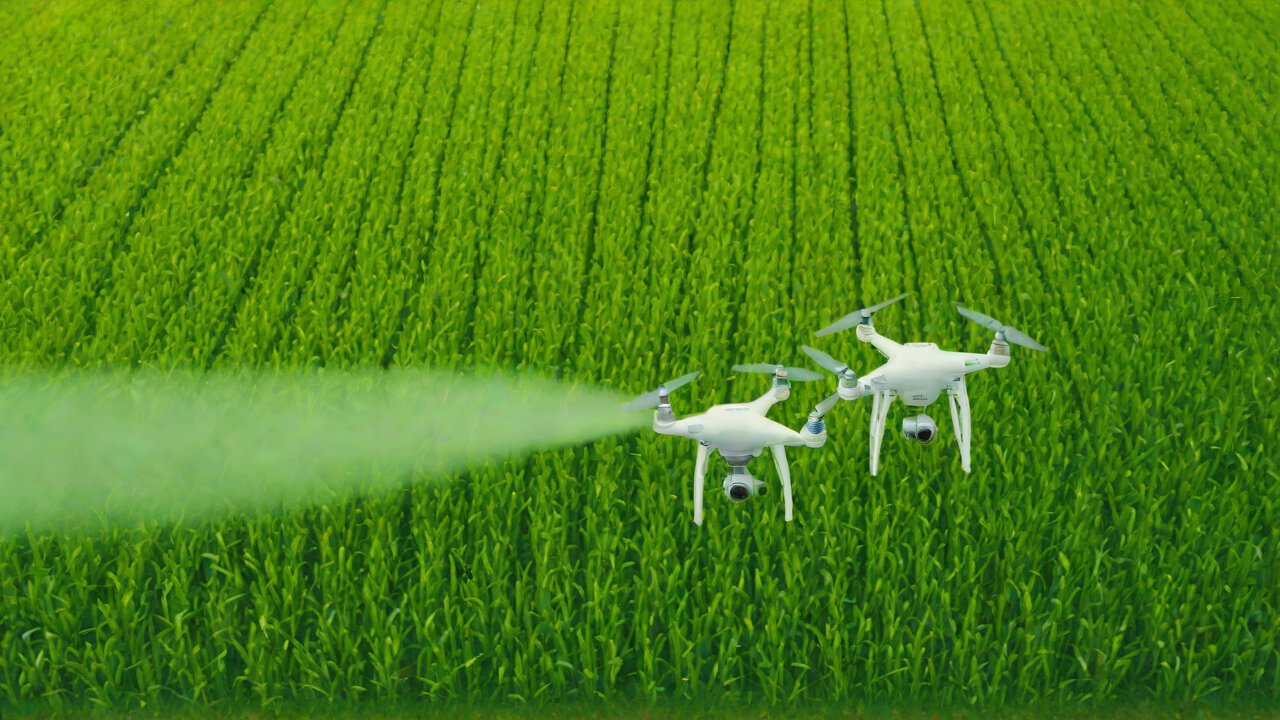
Finally, the carbon reduction contribution of drone-based spraying systems must be verified and validated through regular monitoring and reporting. This involves tracking the emissions reductions associated with the spraying process, as well as the emissions associated with the production, transportation, and use of the drones.
| Activity | Traditional Spraying Methods | Drone-Based Spraying Systems |
|---|---|---|
| Fuel Consumption | 10,000 liters/year | 1,000 liters/year |
| Emissions Reductions | – | 90% |
| Carbon Footprint | 10,000 kg CO2e/year | 1,000 kg CO2e/year |
3. Case Studies and Best Practices
Several case studies and best practices have been identified to support the accurate measurement of the carbon reduction contribution of drone-based spraying systems:
3.1 European Union’s Horizon 2020 Program
The European Union’s Horizon 2020 program has provided funding for several projects aimed at developing and deploying drone-based spraying systems in Europe. These projects have demonstrated the potential of drone-based spraying systems to reduce GHG emissions in agriculture, while also improving crop yields and reducing the use of chemical pesticides.
3.2 California Air Resources Board (CARB)
The California Air Resources Board (CARB) has established a program to promote the use of drone-based spraying systems in California. The program provides incentives for farmers to adopt drone-based spraying systems, while also providing funding for research and development projects aimed at improving the efficiency and effectiveness of these systems.
4. Challenges and Limitations
Several challenges and limitations must be addressed when measuring the carbon reduction contribution of drone-based spraying systems:
4.1 Lack of Standardization
There is currently a lack of standardization in the measurement of carbon reduction contributions in agriculture. This can make it difficult to compare the carbon reduction contributions of different technologies and to establish a baseline for emissions.
4.2 Limited Data Availability
There is a limited availability of data on the carbon reduction contributions of drone-based spraying systems. This can make it difficult to perform accurate carbon footprint analyses and to establish the effectiveness of these systems in reducing GHG emissions.
4.3 High Upfront Costs
The high upfront costs associated with drone-based spraying systems can be a barrier to adoption. This can make it difficult for farmers to adopt these systems, particularly in developing countries where access to capital is limited.
5. Conclusion
In conclusion, accurately measuring the carbon reduction contribution of drone-based spraying systems is a complex task. It requires a comprehensive understanding of the basics of carbon footprint analysis, as well as the ability to establish a baseline for emissions and to calculate the emissions reductions associated with these systems. Several challenges and limitations must be addressed, including the lack of standardization, limited data availability, and high upfront costs. However, with the right data and analysis, drone-based spraying systems have the potential to make a significant contribution to reducing GHG emissions in agriculture.
6. Recommendations
Based on the analysis presented in this report, the following recommendations are made:
6.1 Establish Standardization
Standardization is essential for accurately measuring the carbon reduction contribution of drone-based spraying systems. This can be achieved through the development of standardized protocols and guidelines for measuring carbon footprint in agriculture.
6.2 Improve Data Availability
Improving data availability is critical for accurately measuring the carbon reduction contribution of drone-based spraying systems. This can be achieved through the collection and analysis of data on the emissions reductions associated with these systems, as well as the development of new technologies and methods for measuring carbon footprint.
6.3 Reduce Upfront Costs
Reducing the upfront costs associated with drone-based spraying systems is essential for promoting adoption in developing countries. This can be achieved through the development of financing mechanisms and incentives for farmers to adopt these systems.
By addressing these challenges and limitations, it is possible to accurately measure the carbon reduction contribution of drone-based spraying systems and to promote their adoption in agriculture.
IOT Cloud Platform
IOT Cloud Platform is an IoT portal established by a Chinese IoT company, focusing on technical solutions in the fields of agricultural IoT, industrial IoT, medical IoT, security IoT, military IoT, meteorological IoT, consumer IoT, automotive IoT, commercial IoT, infrastructure IoT, smart warehousing and logistics, smart home, smart city, smart healthcare, smart lighting, etc.
The IoT Cloud Platform blog is a top IoT technology stack, providing technical knowledge on IoT, robotics, artificial intelligence (generative artificial intelligence AIGC), edge computing, AR/VR, cloud computing, quantum computing, blockchain, smart surveillance cameras, drones, RFID tags, gateways, GPS, 3D printing, 4D printing, autonomous driving, etc.