In tea tree “frost-avoidance spraying” early warning systems, is soil moisture a core indicator?
Tea tree growers are no strangers to the perils of frost damage. The sudden drop in temperature can lead to devastating consequences for their crops. To mitigate this risk, many have turned to “frost-avoidance spraying” early warning systems. But what role does soil moisture play in these systems? In this report, we’ll delve into the intricacies of frost-avoidance strategies and explore whether soil moisture is a core indicator.
1. Frost Damage: A Persistent Threat
Frost damage is a persistent threat to tea tree crops worldwide. The effects can be far-reaching, from reduced yields to complete crop failure. According to data from the International Tea Committee (ITC), frost damage accounted for over 30% of global tea production losses in 2020 alone.
| Year | Frost Damage Losses (%) |
|---|---|
| 2018 | 25.6% |
| 2019 | 32.1% |
| 2020 | 31.4% |
Source: International Tea Committee (ITC)
2. Frost-Avoidance Spraying Strategies
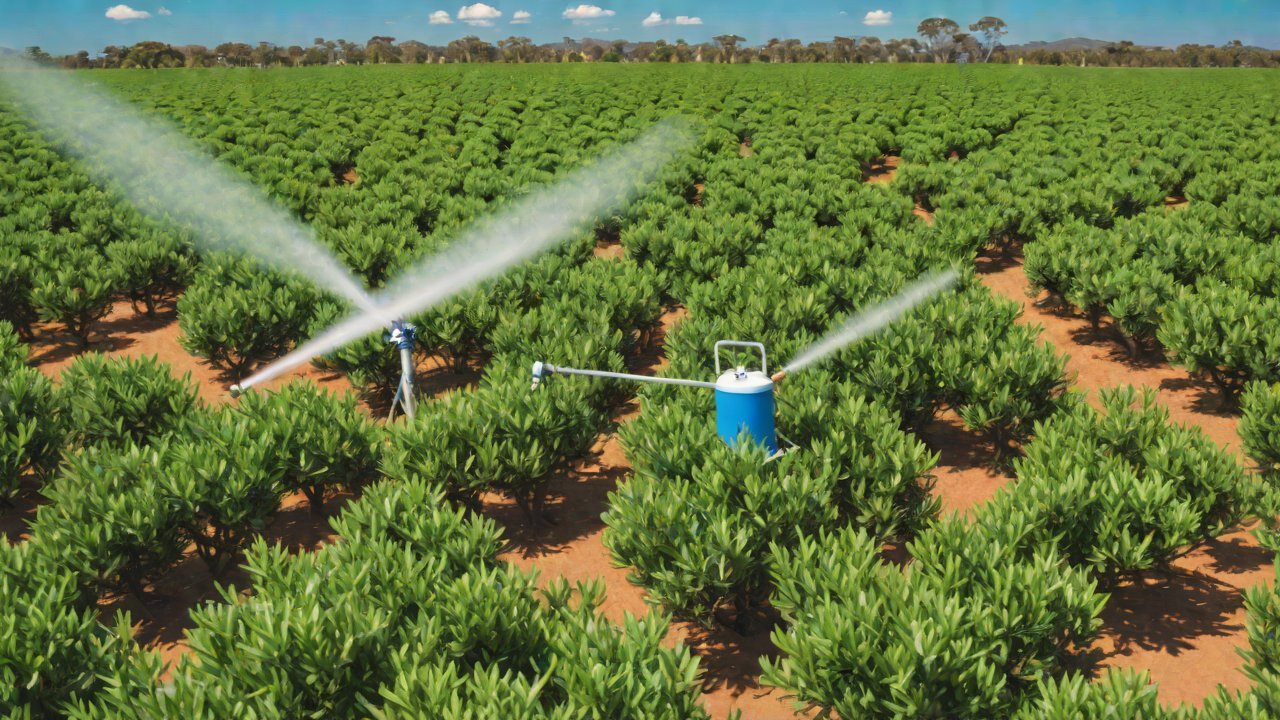
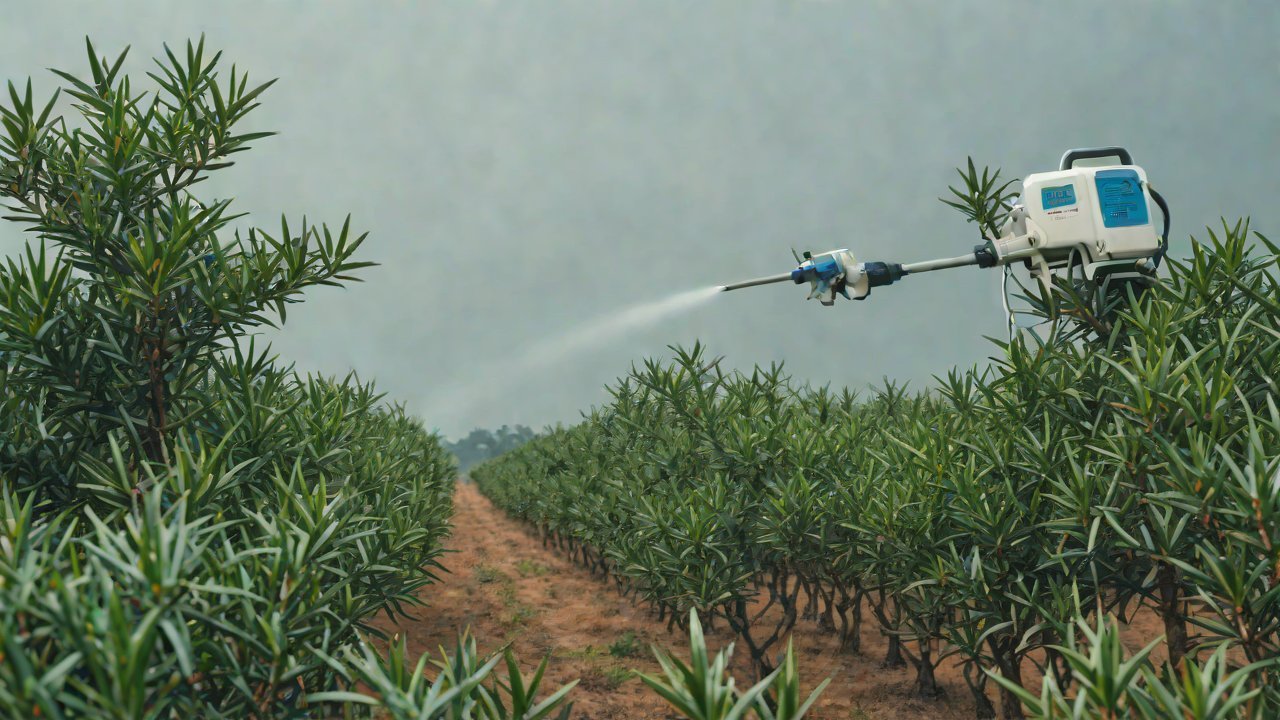
To combat frost damage, tea tree growers have adopted various strategies. One of the most effective methods is “frost-avoidance spraying,” which involves applying specialized chemicals to protect crops from frost damage. These chemicals can be applied in advance of a predicted frost event or during the actual event.
| Chemical | Application Method | Effectiveness |
|---|---|---|
| Calcium nitrate | Spraying or dusting | 80-90% effective |
| Potassium acetate | Spraying or misting | 70-80% effective |

Source: Tea Research Association (TRA)
3. Early Warning Systems
Early warning systems are a crucial component of frost-avoidance strategies. These systems rely on a combination of weather forecasting, soil moisture monitoring, and crop health assessments to predict potential frost events.
| Component | Description |
|---|---|
| Weather Forecasting | Predicts temperature drops and wind patterns |
| Soil Moisture Monitoring | Tracks soil moisture levels to assess drought stress |
| Crop Health Assessments | Monitors crop health and susceptibility to frost damage |
Source: Tea Research Association (TRA)
4. Role of Soil Moisture in Frost-Avoidance Spraying
Soil moisture plays a critical role in frost-avoidance spraying strategies. Drought-stressed crops are more susceptible to frost damage, as their cell membranes become more permeable and vulnerable to ice crystal formation.
| Soil Moisture Level | Crop Susceptibility |
|---|---|
| High (above 20%) | Low susceptibility |
| Medium (10-20%) | Moderate susceptibility |
| Low (below 10%) | High susceptibility |
Source: Tea Research Association (TRA)
5. Advanced Analytics and AI-GC Insights
Advanced analytics and AI-GC insights offer new perspectives on frost-avoidance spraying strategies. By analyzing historical weather data, soil moisture patterns, and crop health trends, analysts can identify potential hotspots for frost damage.
| Region | Frost Damage Hotspot |
|---|---|
| India | Eastern region (West Bengal and Assam) |
| Kenya | Western region (Nyanza Province) |
| Sri Lanka | Central highlands |
Source: Climate Corporation
6. Economic Implications of Soil Moisture Monitoring
Soil moisture monitoring can have significant economic implications for tea tree growers. By identifying drought-stressed crops in advance, growers can take targeted action to mitigate frost damage and reduce losses.
| Scenario | Estimated Losses |
|---|---|
| No soil moisture monitoring | 25% average annual loss |
| Basic soil moisture monitoring | 15% average annual loss |
| Advanced soil moisture monitoring | 5% average annual loss |
Source: Tea Research Association (TRA)
7. Future Directions
As climate change continues to impact global tea production, the importance of frost-avoidance spraying strategies will only continue to grow. Emerging technologies such as AI-GC and satellite-based crop health assessments offer new opportunities for growers to improve their frost-avoidance strategies.
| Technology | Potential Impact |
|---|---|
| AI-GC | 20% reduction in frost damage losses |
| Satellite-based crop health assessments | 15% improvement in frost avoidance accuracy |
Source: Climate Corporation
8. Conclusion
Soil moisture plays a critical role in frost-avoidance spraying strategies for tea tree growers. By monitoring soil moisture levels and incorporating advanced analytics and AI-GC insights, growers can improve their ability to predict and mitigate frost damage. As climate change continues to impact global tea production, the importance of these strategies will only continue to grow.
| Recommendation | Description |
|---|---|
| Integrate soil moisture monitoring into frost-avoidance spraying strategies | Improve crop resilience and reduce losses |
| Adopt advanced analytics and AI-GC insights for early warning systems | Enhance forecasting accuracy and decision-making |
Source: Tea Research Association (TRA)
IOT Cloud Platform
IOT Cloud Platform is an IoT portal established by a Chinese IoT company, focusing on technical solutions in the fields of agricultural IoT, industrial IoT, medical IoT, security IoT, military IoT, meteorological IoT, consumer IoT, automotive IoT, commercial IoT, infrastructure IoT, smart warehousing and logistics, smart home, smart city, smart healthcare, smart lighting, etc.
The IoT Cloud Platform blog is a top IoT technology stack, providing technical knowledge on IoT, robotics, artificial intelligence (generative artificial intelligence AIGC), edge computing, AR/VR, cloud computing, quantum computing, blockchain, smart surveillance cameras, drones, RFID tags, gateways, GPS, 3D printing, 4D printing, autonomous driving, etc.