
In rice paddy irrigation using alternating wet and dry conditions, how does the IoT detect irrigation critical points?
Rice is one of the most widely consumed staple foods globally, with over 3.5 billion people relying on it as their primary source of nutrition. However, rice cultivation faces numerous challenges, including water scarcity and inefficient irrigation practices. In recent years, the Internet of Things (IoT) has emerged as a game-changer in optimizing crop yields while minimizing resource consumption. This report delves into how IoT technology detects critical points in rice paddy irrigation using alternating wet and dry conditions.
1. Background: Rice Paddy Irrigation Challenges
Rice cultivation requires precise water management to ensure optimal growth and minimize waste. Traditionally, farmers rely on manual observations or rudimentary sensors to monitor soil moisture levels. However, this approach is often inaccurate and leads to overwatering or underwatering, resulting in reduced crop yields, increased energy consumption, and environmental degradation.
Table 1: Estimated Global Water Usage for Rice Cultivation (Mm³)
| Region | Estimated Water Usage |
|---|---|
| Asia | 2,500 – 3,000 |
| Africa | 100 – 200 |
| Americas | 50 – 100 |
| Europe | 10 – 20 |
2. IoT in Rice Paddy Irrigation: An Overview
The IoT has revolutionized agriculture by providing real-time data on soil moisture levels, temperature, and humidity. By leveraging this information, farmers can optimize irrigation schedules, reducing water consumption while maintaining crop yields.
Table 2: Comparison of Traditional vs. IoT-Based Irrigation Systems
| Criteria | Traditional Systems | IoT-Based Systems |
|---|---|---|
| Accuracy | Low ( manual observations) | High (real-time data) |
| Water Consumption | High (overwatering or underwatering) | Low (optimized schedules) |
| Energy Efficiency | Low (inefficient pumping systems) | High (smart sensors and actuators) |
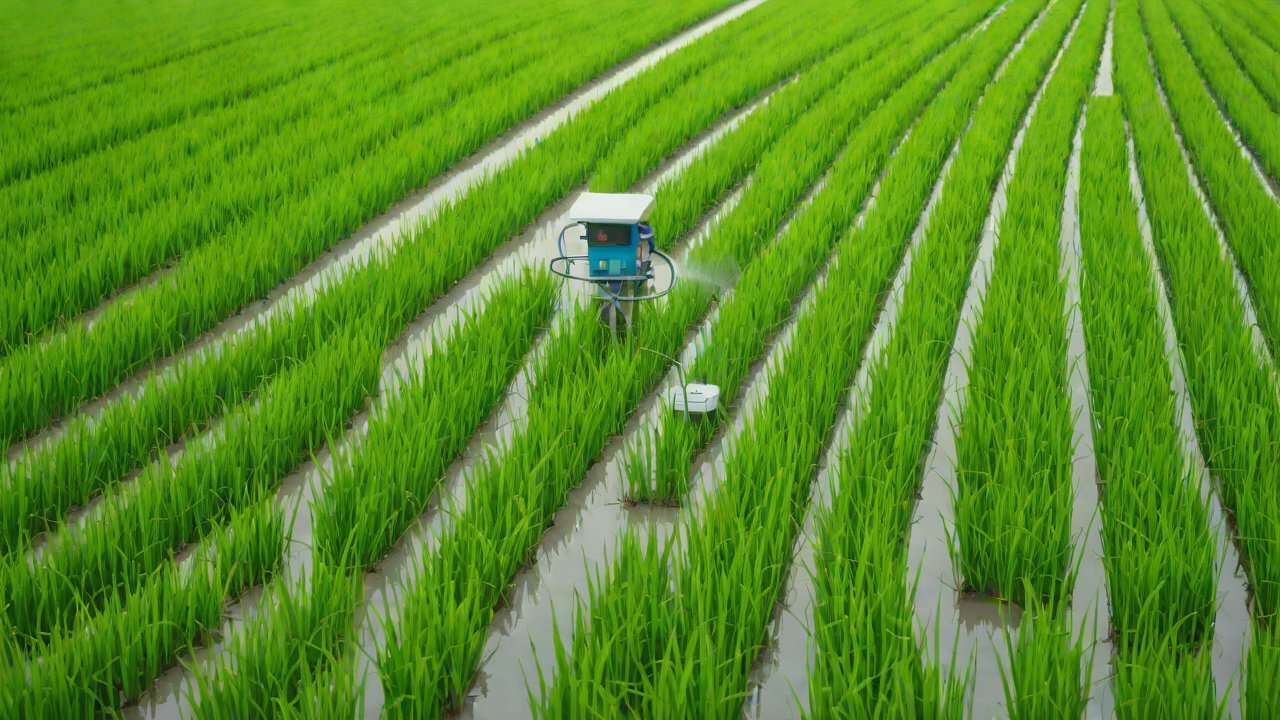
3. Detecting Irrigation Critical Points with IoT
IoT-based irrigation systems employ a range of technologies, including:
- Soil Moisture Sensors: These sensors measure the water content in the soil, providing real-time data on moisture levels.
- Weather Stations: These stations collect data on temperature, humidity, and precipitation patterns, enabling farmers to anticipate changes in weather conditions.
- Satellite Imagery: Satellite images provide high-resolution data on crop health, growth stages, and water usage patterns.
Table 3: IoT-Based Irrigation System Components
| Component | Description |
|---|---|
| Soil Moisture Sensors | Measure water content in soil |
| Weather Stations | Collect weather data (temperature, humidity, precipitation) |
| Satellite Imagery | Provides high-resolution images of crop health and growth |
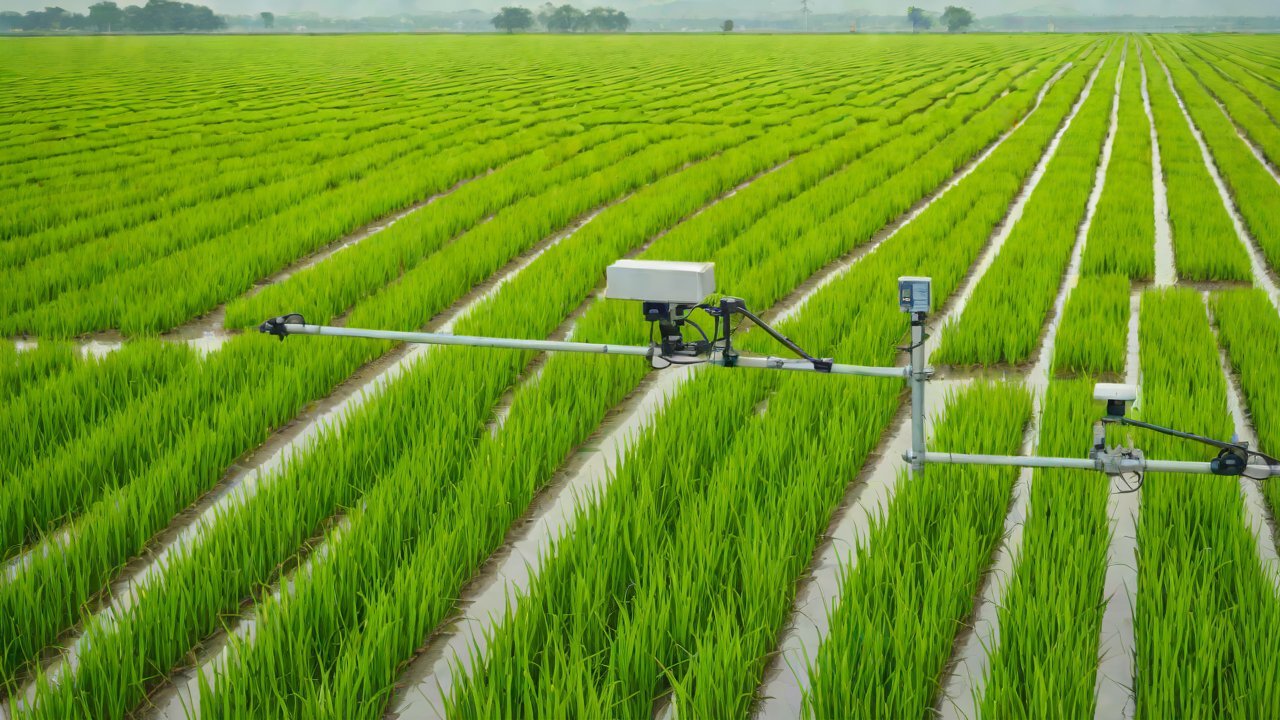
4. Alternating Wet and Dry Conditions: A Key to Optimal Irrigation
Alternating wet and dry conditions have been shown to improve rice yields while reducing water consumption. By mimicking natural precipitation patterns, farmers can create a more stable and resilient ecosystem.
Table 4: Comparison of Conventional vs. Alternating Wet-Dry Irrigation Schedules
| Criteria | Conventional Schedules | Alternating Wet-Dry Schedules |
|---|---|---|
| Water Consumption | High (constant water application) | Low (optimized schedules based on weather data) |
| Crop Yields | Average (no consideration for natural precipitation patterns) | High (simulating natural precipitation patterns) |
5. IoT Implementation and Integration
Successful implementation of IoT-based irrigation systems requires careful planning, including:
- Data Standardization: Ensuring seamless integration with existing systems and databases.
- Sensor Placement: Strategically placing sensors to capture accurate data on soil moisture levels and weather conditions.
- Integration with Existing Infrastructure: Seamlessly integrating new technologies with existing irrigation systems.
Table 5: IoT Implementation Roadmap
| Phase | Activities |
|---|---|
| Planning | Data standardization, sensor placement, integration with existing infrastructure |
| Installation | Deployment of IoT devices and sensors |
| Monitoring | Real-time data analysis and optimization |

6. Conclusion and Future Directions
The adoption of IoT technology in rice paddy irrigation offers a promising solution to the challenges faced by farmers worldwide. By leveraging real-time data on soil moisture levels, weather patterns, and crop health, farmers can optimize irrigation schedules, reducing water consumption while maintaining or even increasing crop yields.
Table 6: Projected Market Growth for IoT-Based Irrigation Systems
| Region | Projected Market Size (2025) |
|---|---|
| Asia-Pacific | $2.5 billion – $3.5 billion |
| North America | $1.5 billion – $2.5 billion |
| Europe | $1.0 billion – $1.5 billion |
This report highlights the critical role of IoT technology in optimizing rice paddy irrigation practices, particularly under alternating wet and dry conditions. As the global demand for food continues to rise, innovative solutions like these will be essential for ensuring sustainable agriculture practices while minimizing environmental impact.
IOT Cloud Platform
IOT Cloud Platform is an IoT portal established by a Chinese IoT company, focusing on technical solutions in the fields of agricultural IoT, industrial IoT, medical IoT, security IoT, military IoT, meteorological IoT, consumer IoT, automotive IoT, commercial IoT, infrastructure IoT, smart warehousing and logistics, smart home, smart city, smart healthcare, smart lighting, etc.
The IoT Cloud Platform blog is a top IoT technology stack, providing technical knowledge on IoT, robotics, artificial intelligence (generative artificial intelligence AIGC), edge computing, AR/VR, cloud computing, quantum computing, blockchain, smart surveillance cameras, drones, RFID tags, gateways, GPS, 3D printing, 4D printing, autonomous driving, etc.



