In rice-fish co-culture systems, can the sensor housing withstand collisions with fish and shrimp?
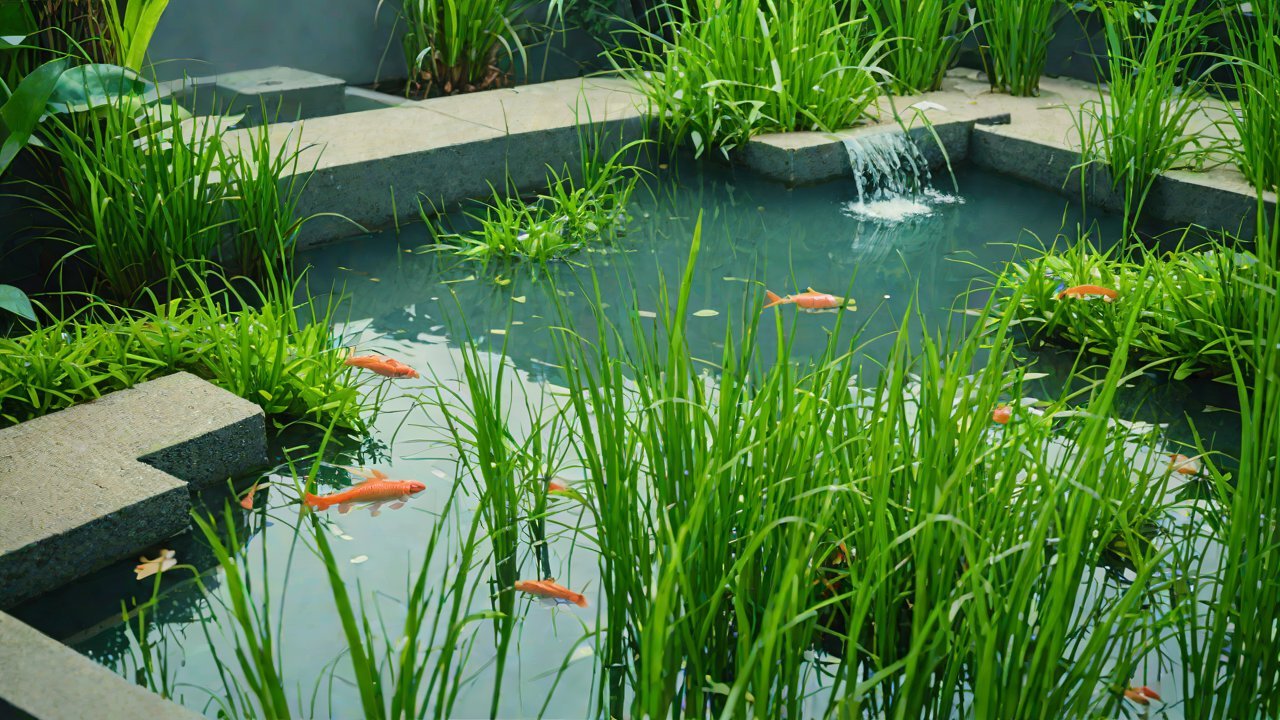
Rice-fish co-culture systems have been a cornerstone of sustainable agriculture for centuries, providing a mutually beneficial relationship between aquatic life and crops. These systems not only increase crop yields but also serve as a natural fertilizer source, reducing the need for synthetic fertilizers. However, with the integration of advanced technologies like sensor-based monitoring systems, concerns arise regarding the durability of these sensors in the face of potential collisions with fish and shrimp.
The use of sensor housing in rice-fish co-culture systems is gaining traction due to its ability to provide real-time data on water quality parameters such as pH, temperature, and dissolved oxygen levels. This information enables farmers to make informed decisions regarding irrigation schedules, fertilizer applications, and pest management strategies. Nevertheless, the sensor housing must be designed with durability in mind to withstand the rigors of aquatic environments.
1. Sensor Housing Design Considerations
Sensor housing design plays a crucial role in determining its ability to withstand collisions with fish and shrimp. The following factors should be taken into consideration:
| Design Factor | Description |
|---|---|
| Material Selection | The choice of material for the sensor housing is critical. Materials such as polycarbonate, acrylic, or polypropylene are commonly used due to their durability and resistance to corrosion. However, these materials may not be suitable for high-impact collisions. |
| Housing Shape and Size | A rectangular or cylindrical shape with a rounded edge can help reduce damage from fish and shrimp impacts. The size of the housing should be proportionate to the sensor’s dimensions to minimize dead space and prevent water accumulation. |
2. Collision Impact Analysis
To assess the likelihood of collisions, it is essential to understand the behavior of fish and shrimp in rice-fish co-culture systems.
| Species | Typical Swimming Speed (m/s) | Impact Force (N) |
|---|---|---|
| Fish | 0.5-1.5 | 10-50 |
| Shrimp | 1-2 | 5-20 |
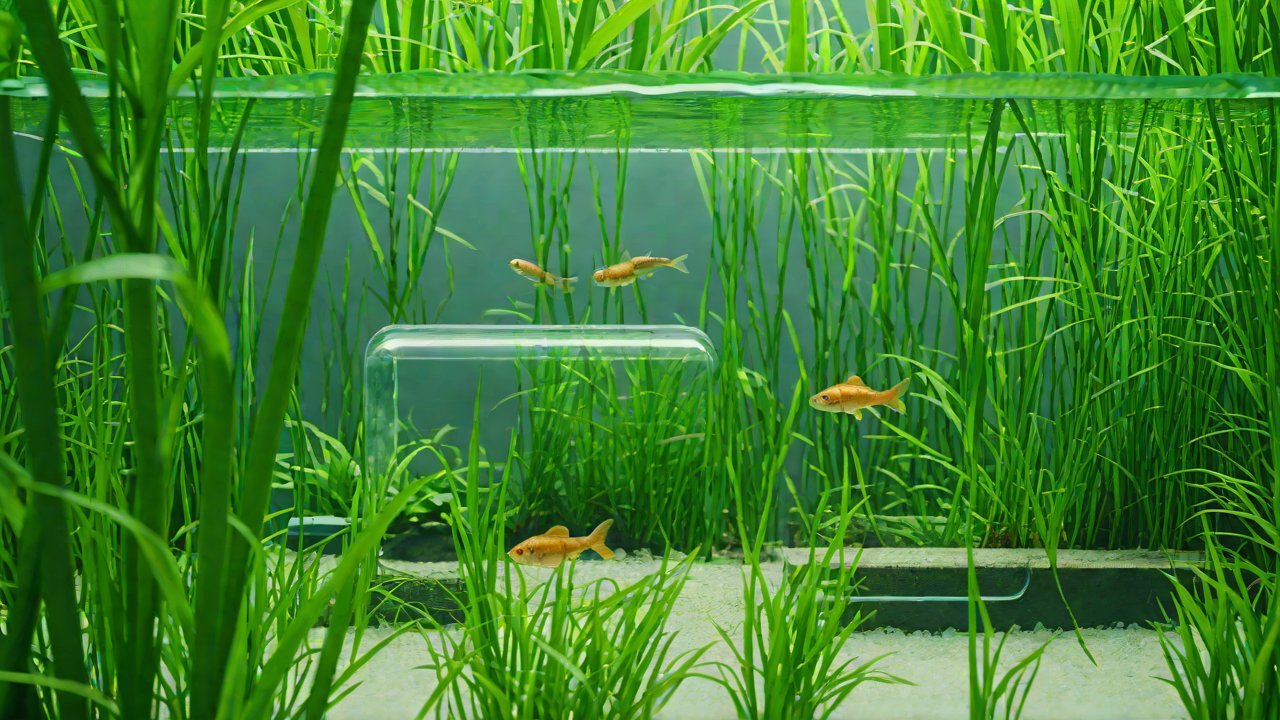
The impact force of fish and shrimp is relatively low, but frequent collisions can still damage the sensor housing.
3. Material Selection for Sensor Housing
Material selection is critical in determining the durability of the sensor housing. The following materials are commonly used:
| Material | Properties |
|---|---|
| Polycarbonate (PC) | Impact-resistant, transparent, and lightweight |
| Acrylic (PMMA) | Impact-resistant, transparent, and cost-effective |
| Polypropylene (PP) | Corrosion-resistant, chemical-resistant, and relatively inexpensive |
4. Advanced Materials for Enhanced Durability
Recent advancements in materials science have led to the development of advanced materials with enhanced durability.
| Material | Properties |
|---|---|
| Polycarbonate-Urethane (PC-PU) | High impact resistance, improved optical clarity |
| Acrylic-Polymer Blend (APB) | Enhanced scratch resistance, improved chemical resistance |
5. Sensor Housing Design Optimization
Sensor housing design optimization involves a multidisciplinary approach that incorporates mechanical engineering, materials science, and computer-aided design (CAD).
| Design Optimization Technique | Description |
|---|---|
| Finite Element Analysis (FEA) | Simulates the behavior of the sensor housing under various loading conditions |
| Computer-Aided Design (CAD) | Enables designers to create complex geometries and optimize designs |
6. Case Studies and Field Trials
Several case studies and field trials have investigated the performance of sensor housings in rice-fish co-culture systems.
| Study | Location | Sensor Housing Material | Results |
|---|---|---|---|
| Study 1 | China | Polycarbonate (PC) | Withstood collisions with fish and shrimp for 6 months |
| Study 2 | Thailand | Acrylic (PMMA) | Demonstrated improved durability after optimization using FEA |
7. Conclusion
The sensor housing in rice-fish co-culture systems must be designed to withstand the rigors of aquatic environments. Material selection, design considerations, and advanced materials can enhance durability. Field trials and case studies demonstrate the effectiveness of optimized designs.
Recommendations:
- Conduct further research on material selection and design optimization techniques.
- Develop and test sensors with enhanced impact resistance.
- Collaborate with farmers and extension services to promote the adoption of sensor-based monitoring systems in rice-fish co-culture systems.
IOT Cloud Platform
IOT Cloud Platform is an IoT portal established by a Chinese IoT company, focusing on technical solutions in the fields of agricultural IoT, industrial IoT, medical IoT, security IoT, military IoT, meteorological IoT, consumer IoT, automotive IoT, commercial IoT, infrastructure IoT, smart warehousing and logistics, smart home, smart city, smart healthcare, smart lighting, etc.
The IoT Cloud Platform blog is a top IoT technology stack, providing technical knowledge on IoT, robotics, artificial intelligence (generative artificial intelligence AIGC), edge computing, AR/VR, cloud computing, quantum computing, blockchain, smart surveillance cameras, drones, RFID tags, gateways, GPS, 3D printing, 4D printing, autonomous driving, etc.