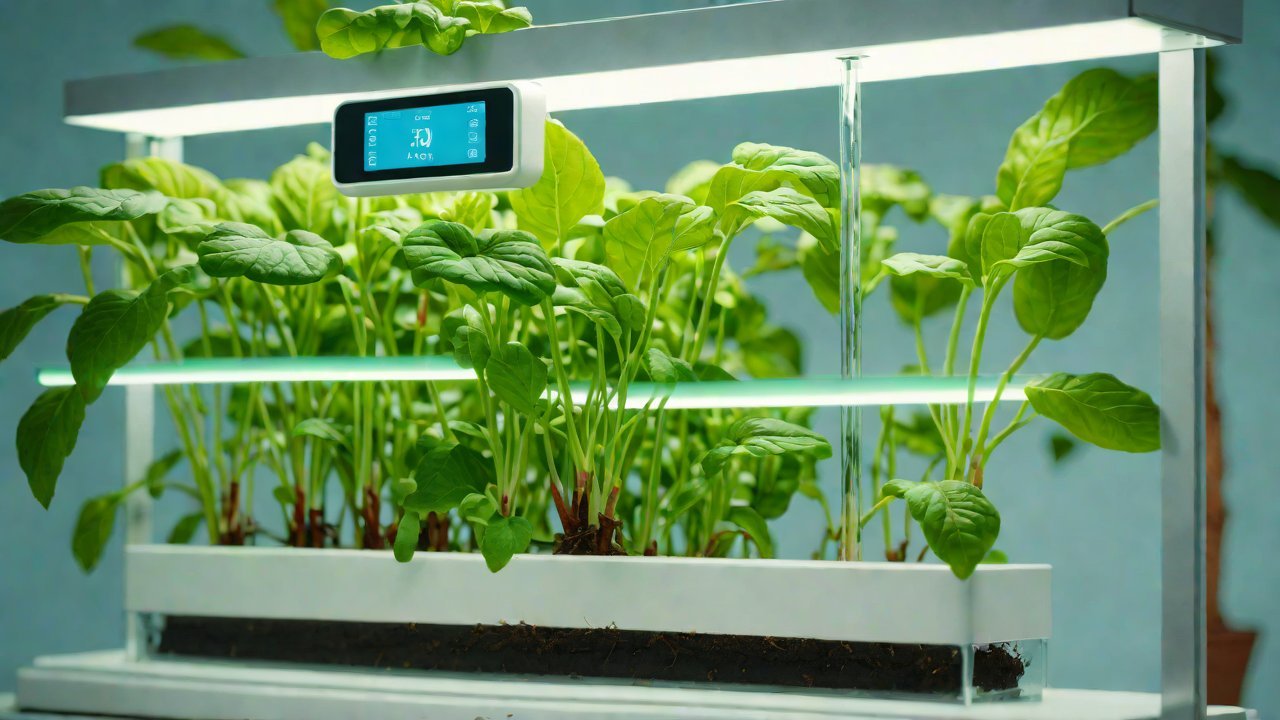
In hydroponics, what are the differences between substrate moisture content monitoring and soil moisture monitoring?
Hydroponics has revolutionized the way we grow plants by providing a controlled environment for optimal growth. One of the critical factors in hydroponic systems is maintaining the right level of moisture in the growing medium, whether it’s a substrate or soil. Monitoring and controlling moisture levels are crucial to prevent waterlogged conditions that can lead to root rot, nutrient deficiencies, and other problems. In this report, we will delve into the differences between substrate moisture content monitoring and soil moisture monitoring in hydroponics.
1. Understanding Hydroponic Systems
Hydroponics is a method of growing plants using a nutrient-rich solution rather than soil. The most common types of hydroponic systems are:
- NFT (Nutrient Film Technique)
- DWC (Deep Water Culture)
- Ebb and Flow
- Aeroponics
In these systems, the roots of the plants are suspended in a water-based solution that contains essential nutrients for growth. The substrate or growing medium is not used to hold the plant’s roots; instead, it’s used to support the roots while they absorb the nutrient-rich solution.
2. Soil Moisture Monitoring
Soil moisture monitoring refers to measuring the amount of water present in soil. In traditional agriculture, soil moisture levels are monitored using various methods such as:
- Tensiometers
- Time-Domain Reflectometry (TDR)
- Frequency Domain Analysis (FDA)
These methods measure soil moisture by detecting changes in electrical resistance, capacitance, or frequency.
Table 1: Soil Moisture Monitoring Methods
| Method | Description |
|---|---|
| Tensiometers | Measures soil water potential using a tensiometer. |
| Time-Domain Reflectometry (TDR) | Uses an electromagnetic pulse to measure soil moisture levels. |
| Frequency Domain Analysis (FDA) | Measures changes in electrical properties of the soil to determine moisture levels. |
3. Substrate Moisture Content Monitoring
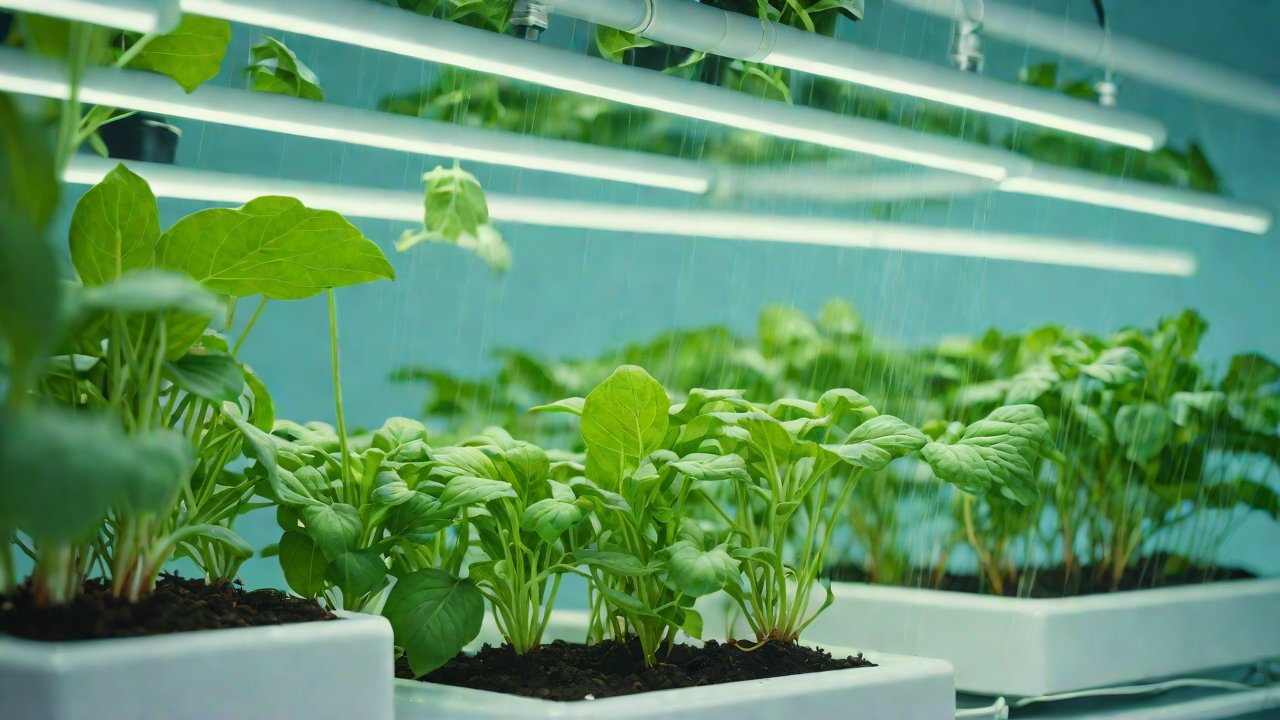
Substrate moisture content monitoring refers to measuring the amount of water present in a substrate or growing medium, such as rockwool, coco coir, or perlite. In hydroponic systems, substrate moisture levels are critical for maintaining optimal plant growth.
- Electrical Resistance Tomography (ERT) is commonly used for measuring substrate moisture levels.
- Capacitance-based sensors can also be used to measure moisture levels in substrates.
Table 2: Substrate Moisture Content Monitoring Methods
| Method | Description |
|---|---|
| Electrical Resistance Tomography (ERT) | Measures changes in electrical resistance of the substrate. |
| Capacitance-based sensors | Detects changes in capacitance between two electrodes to measure moisture levels. |
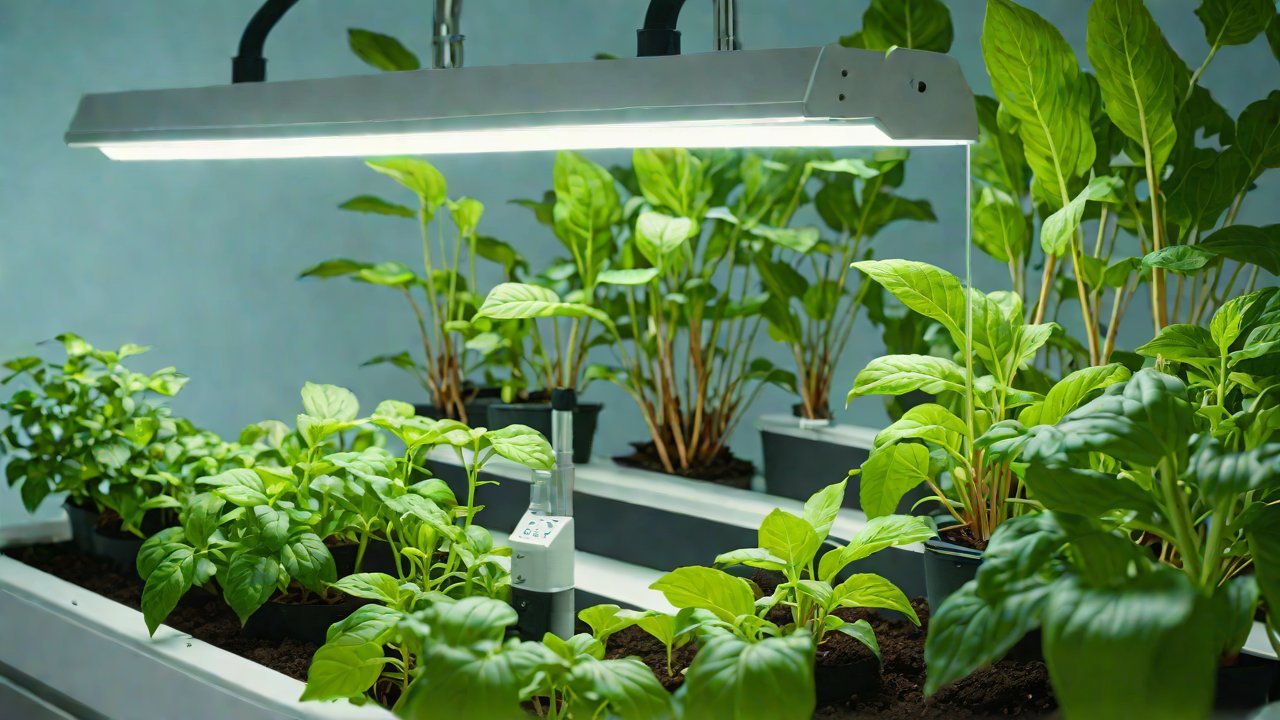
4. Key Differences Between Substrate and Soil Moisture Monitoring
- Sensor Type: Soil moisture monitoring methods use various types of sensors such as tensiometers, TDR, and FDA, whereas substrate moisture content monitoring primarily uses ERT and capacitance-based sensors.
- Measurement Principle: Soil moisture monitoring measures changes in electrical resistance, capacitance, or frequency to determine soil water potential, while substrate moisture content monitoring detects changes in electrical properties of the substrate.
- Accuracy: Substrate moisture content monitoring is generally more accurate than soil moisture monitoring due to its ability to detect subtle changes in electrical properties.
- Calibration Requirements: Soil moisture monitoring often requires calibration to account for specific soil types and conditions, whereas substrate moisture content monitoring typically does not require calibration.
5. Market Trends and AIGC Perspectives
The market for hydroponic systems is rapidly growing due to increased demand for sustainable agriculture practices. According to a report by MarketsandMarkets, the global hydroponics market size is expected to reach $13.4 billion by 2025, growing at a CAGR of 8.6%.
In terms of substrate moisture content monitoring, ERT-based sensors are becoming increasingly popular due to their high accuracy and ease of use.
6. Conclusion
Monitoring and controlling moisture levels in hydroponic systems is critical for optimal plant growth. While soil moisture monitoring methods have been widely used in traditional agriculture, substrate moisture content monitoring has become a crucial aspect of hydroponics due to its ability to detect subtle changes in electrical properties.
By understanding the differences between substrate and soil moisture monitoring, growers can choose the most suitable method for their specific needs and ensure optimal plant growth. As the demand for sustainable agriculture practices continues to grow, we expect to see significant advancements in substrate moisture content monitoring technology in the coming years.
7. Recommendations
Based on our analysis, we recommend:
- Using ERT-based sensors for substrate moisture content monitoring due to its high accuracy and ease of use.
- Implementing capacitance-based sensors as a backup method or in combination with ERT for enhanced accuracy.
- Continuously monitoring and adjusting moisture levels to prevent waterlogged conditions that can lead to root rot, nutrient deficiencies, and other problems.
By following these recommendations, growers can optimize their hydroponic systems and achieve higher yields while minimizing environmental impact.
IOT Cloud Platform
IOT Cloud Platform is an IoT portal established by a Chinese IoT company, focusing on technical solutions in the fields of agricultural IoT, industrial IoT, medical IoT, security IoT, military IoT, meteorological IoT, consumer IoT, automotive IoT, commercial IoT, infrastructure IoT, smart warehousing and logistics, smart home, smart city, smart healthcare, smart lighting, etc.
The IoT Cloud Platform blog is a top IoT technology stack, providing technical knowledge on IoT, robotics, artificial intelligence (generative artificial intelligence AIGC), edge computing, AR/VR, cloud computing, quantum computing, blockchain, smart surveillance cameras, drones, RFID tags, gateways, GPS, 3D printing, 4D printing, autonomous driving, etc.



