In dryland mulching cultivation, should sensors be buried inside or outside the mulch film?
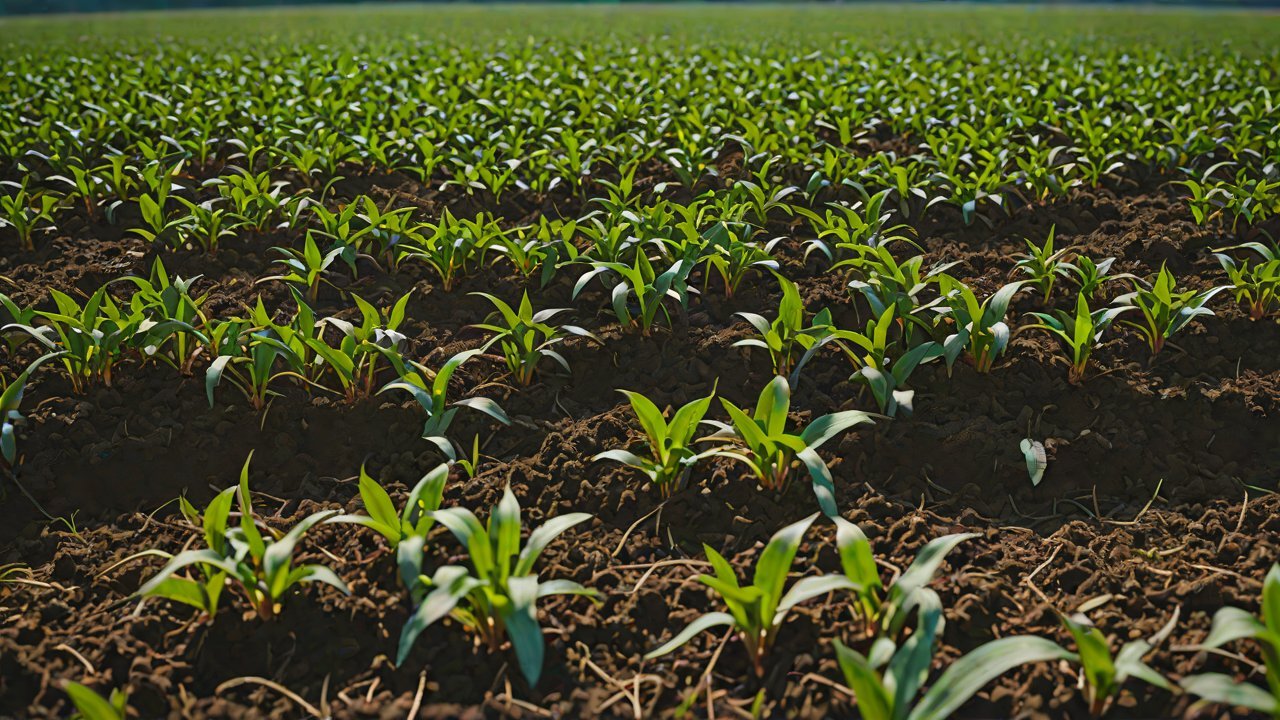
Dryland mulching cultivation has emerged as a promising approach to enhance crop yields and reduce water consumption in arid regions. The technique involves covering the soil with a thin layer of organic material, such as plastic film or straw, to retain moisture and suppress weeds. However, one critical aspect of dryland mulching is the integration of sensors to monitor soil moisture levels, temperature, and other key parameters. But where should these sensors be located? Should they be buried inside or outside the mulch film?
The decision on sensor placement has significant implications for the effectiveness of dryland mulching systems. Burying sensors within the mulch layer can provide more accurate readings of soil moisture levels, as they are closer to the root zone. However, this approach may require additional infrastructure, such as specialized mulch films with embedded sensors or separate sensor probes inserted into the mulch layer. On the other hand, placing sensors outside the mulch film can be a simpler and more cost-effective solution, but it may not provide accurate readings of soil moisture levels due to the insulating effect of the mulch.
1. Benefits and Challenges of Dryland Mulching
Dryland mulching has gained popularity in recent years due to its potential to improve crop yields while reducing water consumption. The technique involves covering the soil with a thin layer of organic material, which helps retain moisture, suppress weeds, and regulate soil temperature. However, dryland mulching also presents several challenges, including:
| Challenge | Description |
|---|---|
| Soil compaction | Mulch can compact the soil if not applied properly, leading to reduced water infiltration and aeration. |
| Weed growth | While mulch suppresses weeds in the short term, it may not prevent their growth entirely, requiring additional control measures. |
| Mulch degradation | Organic mulch materials can break down over time, reducing their effectiveness and potentially releasing nutrients into the soil. |
2. Sensor Placement Options
There are two primary options for sensor placement in dryland mulching systems: burying sensors within the mulch layer or placing them outside the mulch film.
Burying Sensors Within the Mulch Layer

Burying sensors within the mulch layer can provide more accurate readings of soil moisture levels, as they are closer to the root zone. However, this approach requires additional infrastructure, such as specialized mulch films with embedded sensors or separate sensor probes inserted into the mulch layer.
| Advantages | Disadvantages |
|---|---|
| Accurate soil moisture readings | Requires additional infrastructure and maintenance |
| Reduced risk of sensor damage from weather events | May require more complex data analysis due to variable sensor placement |
Placing Sensors Outside the Mulch Film
Placing sensors outside the mulch film is a simpler and more cost-effective solution. However, it may not provide accurate readings of soil moisture levels due to the insulating effect of the mulch.
| Advantages | Disadvantages |
|---|---|
| Simpler installation and maintenance | May not provide accurate soil moisture readings |
| Reduced risk of sensor damage from weather events | Requires more frequent data collection and analysis |
3. AIGC Technical Perspectives
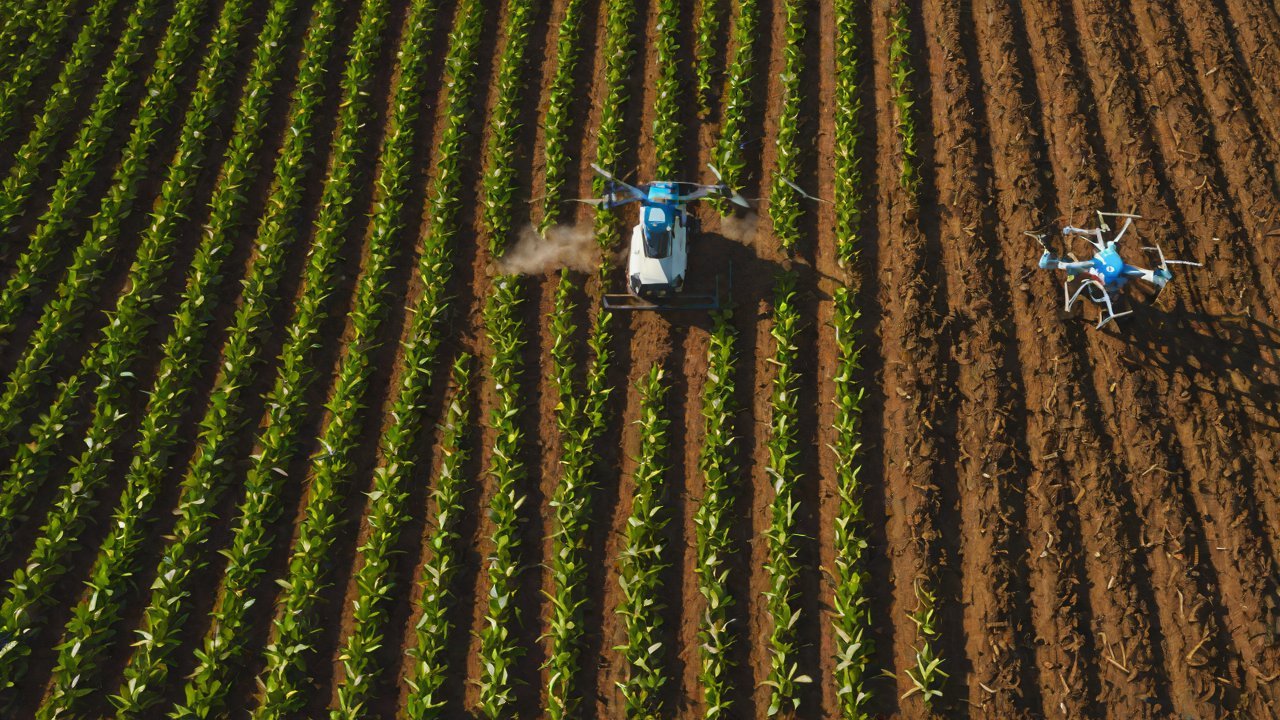
Advanced Irrigation Governance (AIGC) technologies, such as satellite-based monitoring and precision irrigation systems, can significantly enhance the effectiveness of dryland mulching systems. By integrating sensors with AIGC technologies, farmers can optimize water application rates, reduce waste, and improve crop yields.
| AIGC Technology | Description |
|---|---|
| Satellite-based monitoring | Provides real-time data on soil moisture levels, temperature, and other key parameters. |
| Precision irrigation systems | Optimizes water application rates based on real-time data from sensors and AIGC technologies. |
4. Market Data and Analysis
The dryland mulching market is growing rapidly, driven by increasing demand for sustainable agriculture practices and reduced water consumption. According to a recent report by MarketsandMarkets, the global dryland mulching market is expected to reach $1.3 billion by 2025, growing at a CAGR of 12.4%.
| Market Data | Description |
|---|---|
| Market size (2020) | $643 million |
| Growth rate (2020-2025) | 12.4% CAGR |
| Key players | John Deere, Monsanto, and Syngenta |
5. Conclusion
The decision on sensor placement in dryland mulching systems has significant implications for the effectiveness of these systems. While burying sensors within the mulch layer can provide more accurate readings of soil moisture levels, it requires additional infrastructure and maintenance. Placing sensors outside the mulch film is a simpler solution but may not provide accurate readings due to the insulating effect of the mulch.
To maximize the benefits of dryland mulching, farmers should consider integrating AIGC technologies with their systems. By leveraging advanced monitoring and precision irrigation systems, farmers can optimize water application rates, reduce waste, and improve crop yields while minimizing environmental impacts.
The market for dryland mulching is expected to continue growing rapidly in the coming years, driven by increasing demand for sustainable agriculture practices and reduced water consumption. As the industry continues to evolve, it is essential for farmers, policymakers, and technology providers to work together to develop more effective and efficient solutions for dryland mulching systems.
The integration of sensors with AIGC technologies has the potential to revolutionize the way we approach dryland mulching. By providing real-time data on soil moisture levels, temperature, and other key parameters, these technologies can help farmers optimize water application rates, reduce waste, and improve crop yields while minimizing environmental impacts.
IOT Cloud Platform
IOT Cloud Platform is an IoT portal established by a Chinese IoT company, focusing on technical solutions in the fields of agricultural IoT, industrial IoT, medical IoT, security IoT, military IoT, meteorological IoT, consumer IoT, automotive IoT, commercial IoT, infrastructure IoT, smart warehousing and logistics, smart home, smart city, smart healthcare, smart lighting, etc.
The IoT Cloud Platform blog is a top IoT technology stack, providing technical knowledge on IoT, robotics, artificial intelligence (generative artificial intelligence AIGC), edge computing, AR/VR, cloud computing, quantum computing, blockchain, smart surveillance cameras, drones, RFID tags, gateways, GPS, 3D printing, 4D printing, autonomous driving, etc.



