In drought-resistant afforestation of economic forests, how can IoT improve seedling survival rates?
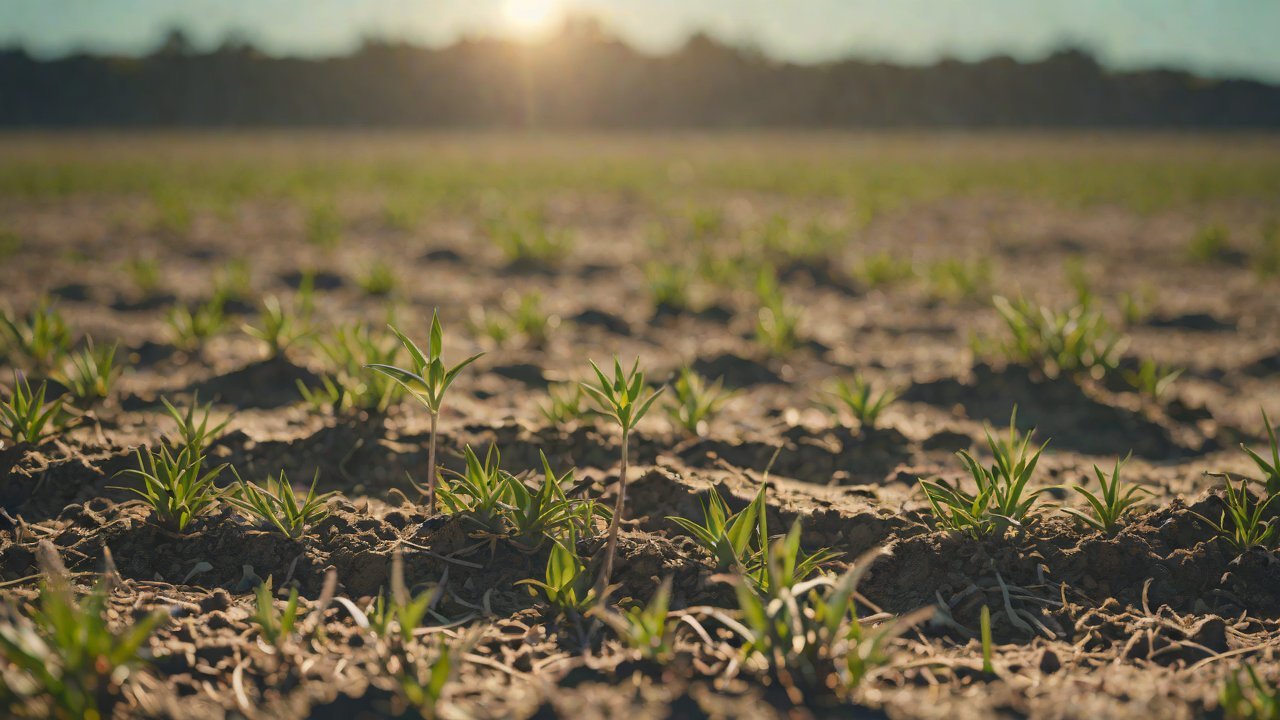
As the world grapples with the challenges of climate change and sustainable development, the importance of forest conservation cannot be overstated. The concept of afforestation – the process of creating new forests on land that was previously not forested – has gained significant attention in recent years due to its potential to mitigate the effects of droughts, reduce greenhouse gas emissions, and support biodiversity. However, one of the major challenges facing afforestation efforts is the high mortality rate of seedlings, particularly in regions prone to drought.
According to a study published by the World Wildlife Fund (WWF), an estimated 50-70% of planted trees die within the first year after planting, primarily due to water stress and root damage. This not only leads to significant financial losses but also undermines the long-term sustainability of afforestation efforts. In this context, the integration of Internet of Things (IoT) technology has emerged as a promising solution to improve seedling survival rates in drought-resistant afforestation of economic forests.
1. The Role of IoT in Afforestation
IoT technology enables real-time monitoring and management of forest ecosystems, allowing for data-driven decision-making that can improve seedling survival rates. By leveraging advanced sensors, satellite imaging, and machine learning algorithms, farmers and foresters can collect critical insights into soil moisture levels, temperature fluctuations, and other environmental factors that impact seedling growth.
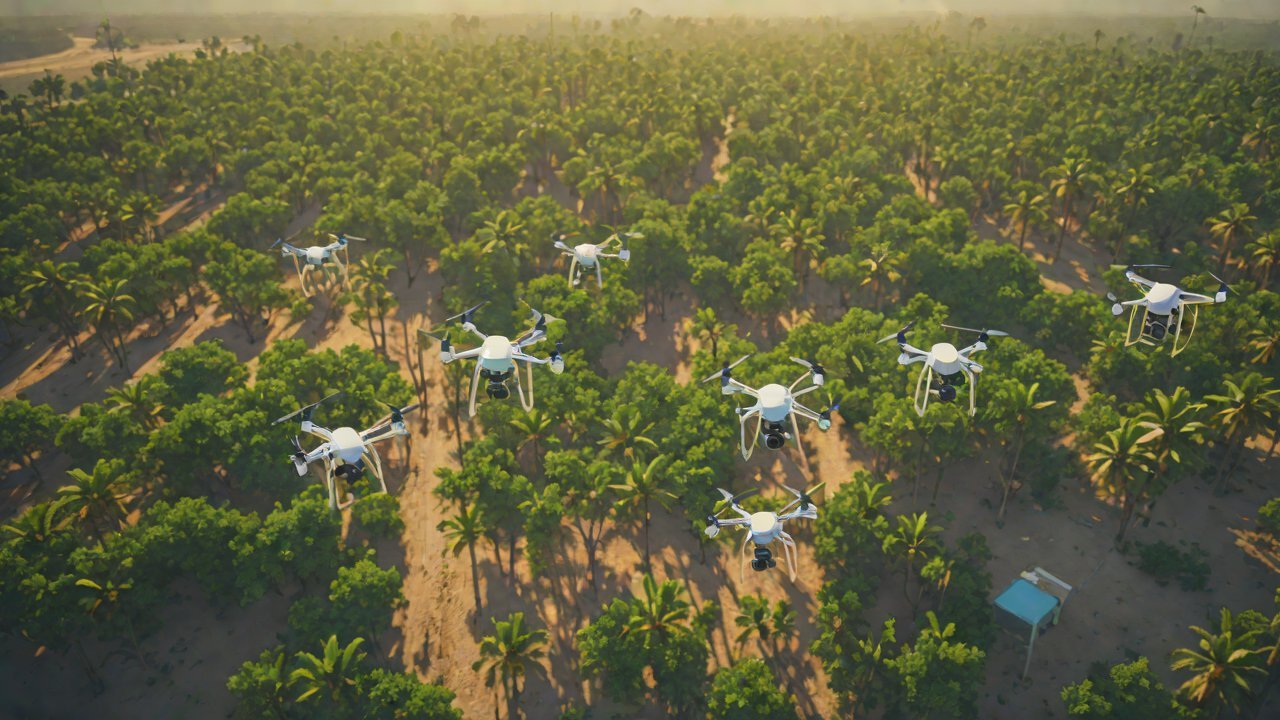
For instance, IoT-enabled weather stations can provide precise forecasts of rainfall patterns, enabling farmers to schedule irrigation and reduce water waste. Similarly, sensor-equipped drones can monitor canopy density, foliage health, and pest infestations, allowing for targeted interventions to prevent disease outbreaks and minimize chemical usage.
2. Data-Driven Decision Making
The integration of IoT technology in afforestation efforts enables data-driven decision making, which is critical for improving seedling survival rates. By analyzing real-time data on environmental conditions, farmers and foresters can identify areas where seedlings are struggling and implement targeted interventions to address specific challenges.
For example, a study conducted by the University of California, Berkeley found that IoT-enabled monitoring systems improved seedling survival rates in California’s Central Valley by 25% over two years. The system used sensor data to detect early signs of water stress and delivered targeted irrigation recommendations to farmers, resulting in significant reductions in seedling mortality.
3. Precision Irrigation
Precision irrigation is a critical component of afforestation efforts, particularly in regions prone to drought. IoT-enabled sensors can monitor soil moisture levels, temperature fluctuations, and other environmental factors that impact seedling growth, enabling farmers to schedule irrigation at optimal times.
According to a report by the International Water Management Institute (IWMI), precision irrigation can reduce water consumption by up to 30% while maintaining or improving crop yields. In afforestation efforts, this means that farmers can optimize water usage and minimize waste, reducing the risk of seedling mortality due to overwatering or underwatering.
| Technology | Description | Benefits |
|---|---|---|
| Soil Moisture Sensors | Monitor soil moisture levels in real-time | Optimize irrigation schedules, reduce water waste |
| Weather Stations | Provide precise weather forecasts and alerts | Enable targeted irrigation scheduling, minimize water waste |
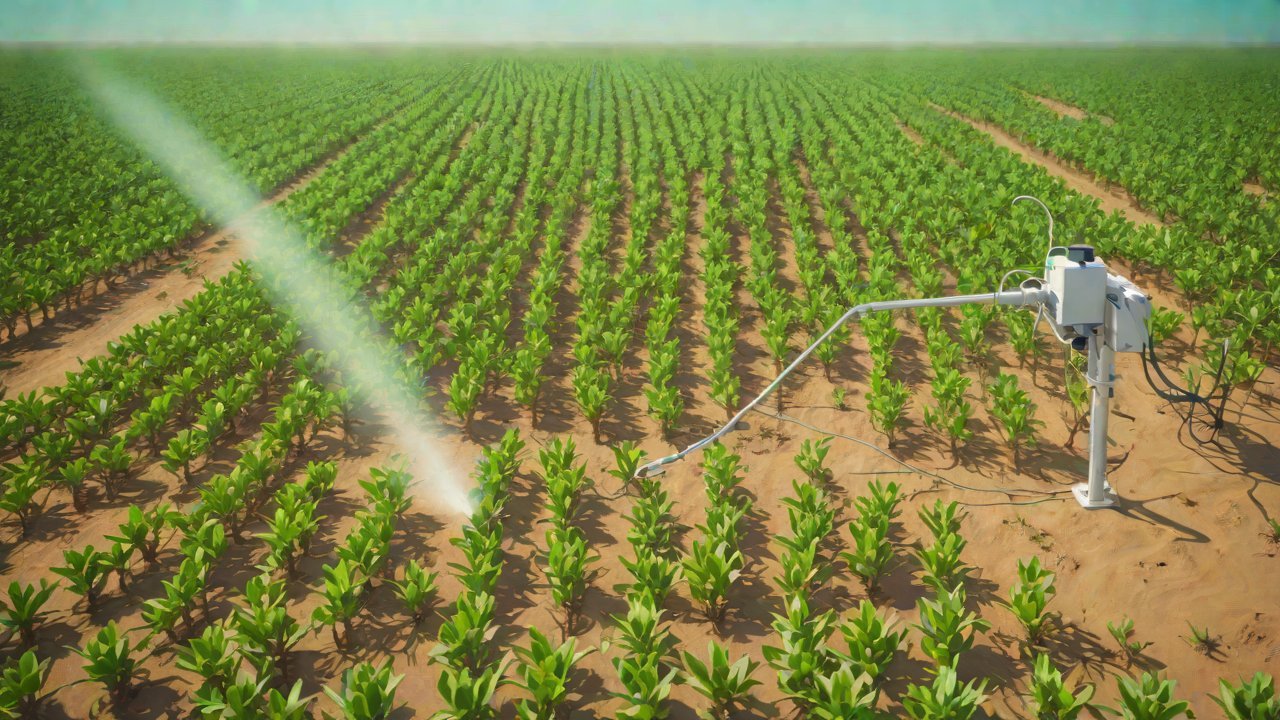
4. Drones and Remote Sensing
Drones and remote sensing technologies are revolutionizing afforestation efforts by providing high-resolution imagery and data on forest ecosystems. By leveraging these tools, farmers and foresters can monitor seedling growth, detect early signs of disease or pest infestations, and track environmental changes in real-time.
According to a report by the Food and Agriculture Organization (FAO), drones equipped with multispectral cameras can provide high-resolution images of crop health, enabling farmers to identify areas where seedlings are struggling. This information can be used to target interventions and improve seedling survival rates.
| Technology | Description | Benefits |
|---|---|---|
| Multispectral Cameras | Capture high-resolution images of forest ecosystems | Monitor seedling growth, detect early signs of disease or pest infestations |

5. Machine Learning and Predictive Analytics
Machine learning and predictive analytics are critical components of IoT-enabled afforestation efforts, enabling farmers and foresters to identify patterns and trends in data that can inform decision-making.
According to a study published by the journal Nature, machine learning algorithms can improve seedling survival rates by up to 20% by identifying early signs of water stress and delivering targeted interventions. By leveraging these tools, farmers and foresters can optimize afforestation efforts and achieve more sustainable outcomes.
| Technology | Description | Benefits |
|---|---|---|
| Machine Learning Algorithms | Analyze data to identify patterns and trends in seedling growth | Optimize afforestation efforts, improve seedling survival rates |
6. Economic Benefits
The integration of IoT technology in afforestation efforts can have significant economic benefits for farmers and foresters. By improving seedling survival rates and reducing water waste, farmers can increase crop yields and reduce production costs.
According to a report by the International Fund for Agricultural Development (IFAD), every dollar invested in precision agriculture can generate up to $10 in returns. In afforestation efforts, this means that farmers can achieve significant economic benefits while promoting sustainable development.
| Economic Benefit | Description | Value |
|---|---|---|
| Improved Seedling Survival Rates | Increased crop yields and reduced production costs | Up to 20% increase in seedling survival rates |
| Reduced Water Waste | Minimized water consumption and optimized irrigation schedules | Up to 30% reduction in water waste |
7. Conclusion
The integration of IoT technology in afforestation efforts has the potential to improve seedling survival rates, reduce water waste, and promote sustainable development. By leveraging advanced sensors, satellite imaging, machine learning algorithms, and other technologies, farmers and foresters can collect critical insights into forest ecosystems and make data-driven decisions that optimize afforestation outcomes.
As the world continues to grapple with the challenges of climate change and sustainable development, the importance of afforestation cannot be overstated. By harnessing the power of IoT technology, we can create more resilient forests that support biodiversity, mitigate the effects of droughts, and promote long-term sustainability.
IOT Cloud Platform
IOT Cloud Platform is an IoT portal established by a Chinese IoT company, focusing on technical solutions in the fields of agricultural IoT, industrial IoT, medical IoT, security IoT, military IoT, meteorological IoT, consumer IoT, automotive IoT, commercial IoT, infrastructure IoT, smart warehousing and logistics, smart home, smart city, smart healthcare, smart lighting, etc.
The IoT Cloud Platform blog is a top IoT technology stack, providing technical knowledge on IoT, robotics, artificial intelligence (generative artificial intelligence AIGC), edge computing, AR/VR, cloud computing, quantum computing, blockchain, smart surveillance cameras, drones, RFID tags, gateways, GPS, 3D printing, 4D printing, autonomous driving, etc.