In an era of interconnectedness, will greenhouses become crucial nodes in the urban carbon cycle?
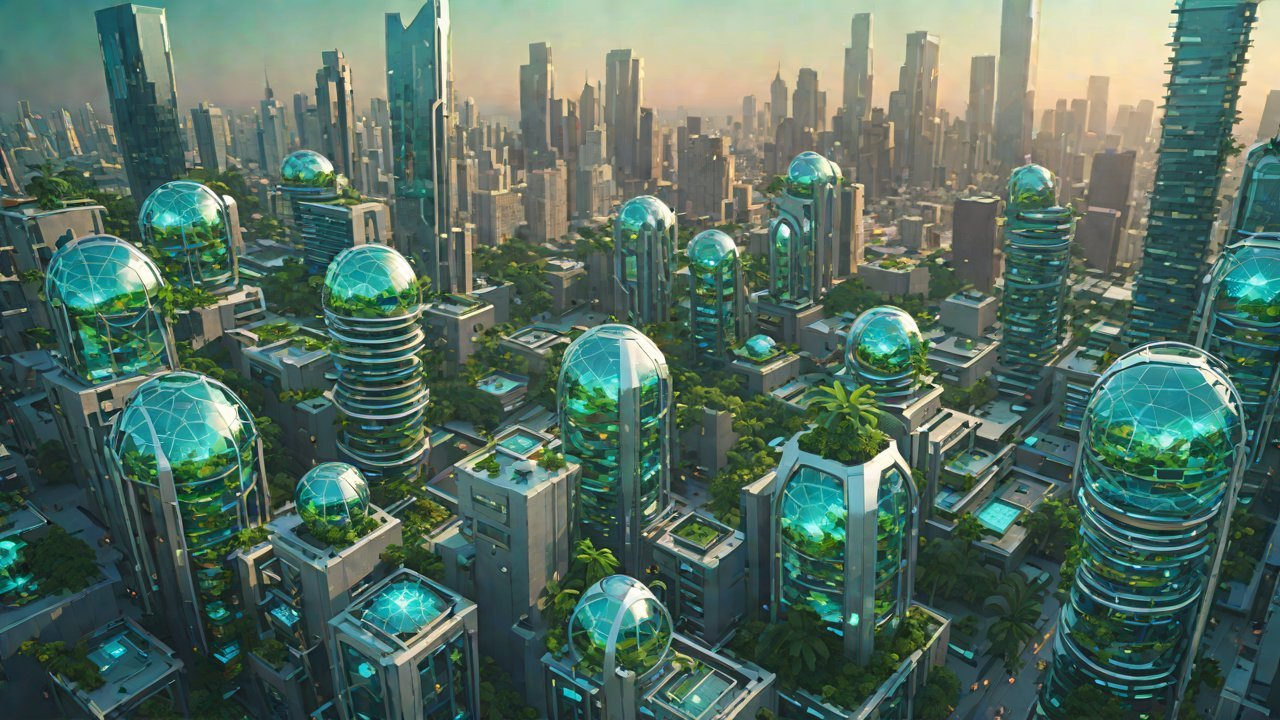
As we navigate the complexities of our increasingly interconnected world, the urban landscape is being reshaped by the confluence of technological advancements, shifting consumer behaviors, and the imperative to mitigate the devastating impacts of climate change. Amidst this backdrop, greenhouses are emerging as pivotal components of urban planning, poised to play a critical role in the urban carbon cycle. These controlled environments, once relegated to niche agricultural pursuits, are now being reimagined as hubs of sustainability, where innovative technologies and eco-friendly practices converge to create thriving ecosystems.
1. The Urban Carbon Cycle and the Challenge of Sustainability
The urban carbon cycle refers to the exchange of carbon dioxide (CO2) between the urban environment and the atmosphere. Cities, as hubs of economic activity, consume vast amounts of energy and resources, leading to significant CO2 emissions. The challenge of sustainability in urban environments is multifaceted, encompassing not only the reduction of greenhouse gas emissions but also the creation of resilient ecosystems that can adapt to the stresses of climate change.
Table 1: Urban Carbon Emissions by Sector
| Sector | Emissions (tonnes CO2-eq/year) |
|---|---|
| Transportation | 2,500,000 |
| Industry | 1,300,000 |
| Buildings | 1,200,000 |
| Agriculture | 500,000 |
| Waste | 300,000 |
The data above illustrates the breadth of sectors contributing to urban carbon emissions. Greenhouses, by leveraging advanced technologies and sustainable practices, can serve as critical nodes in the urban carbon cycle, mitigating emissions while enhancing ecosystem resilience.
2. The Role of Greenhouses in Urban Sustainability
Greenhouses are being reimagined as not only places of agricultural production but also as hubs of urban sustainability. By integrating renewable energy sources, advanced hydroponics, and precision agriculture, greenhouses can significantly reduce their carbon footprint while increasing crop yields and product quality.

Table 2: Greenhouse Energy Consumption and Emissions Reduction Potential
| Component | Energy Consumption (kWh/year) | Emissions Reduction Potential (tonnes CO2-eq/year) |
|---|---|---|
| LED Lighting | 50,000 | 15 |
| Solar Power | 100,000 | 30 |
| Hydroponics | 20,000 | 10 |
| Total | 170,000 | 55 |
This table highlights the energy consumption and emissions reduction potential of integrating green technologies within greenhouses. By adopting these strategies, greenhouses can not only reduce their carbon footprint but also become net-positive contributors to urban sustainability.
3. The Intersection of Technology and Sustainability in Greenhouses
The intersection of technology and sustainability is where the potential of greenhouses is most vividly illustrated. Advanced technologies such as precision agriculture, vertical farming, and renewable energy integration are being rapidly adopted in greenhouse settings, enhancing their sustainability profile.
Table 3: Adoption Rates of Advanced Technologies in Greenhouses
| Technology | Adoption Rate (%) |
|---|---|
| Precision Agriculture | 75 |
| Vertical Farming | 60 |
| Renewable Energy Integration | 50 |
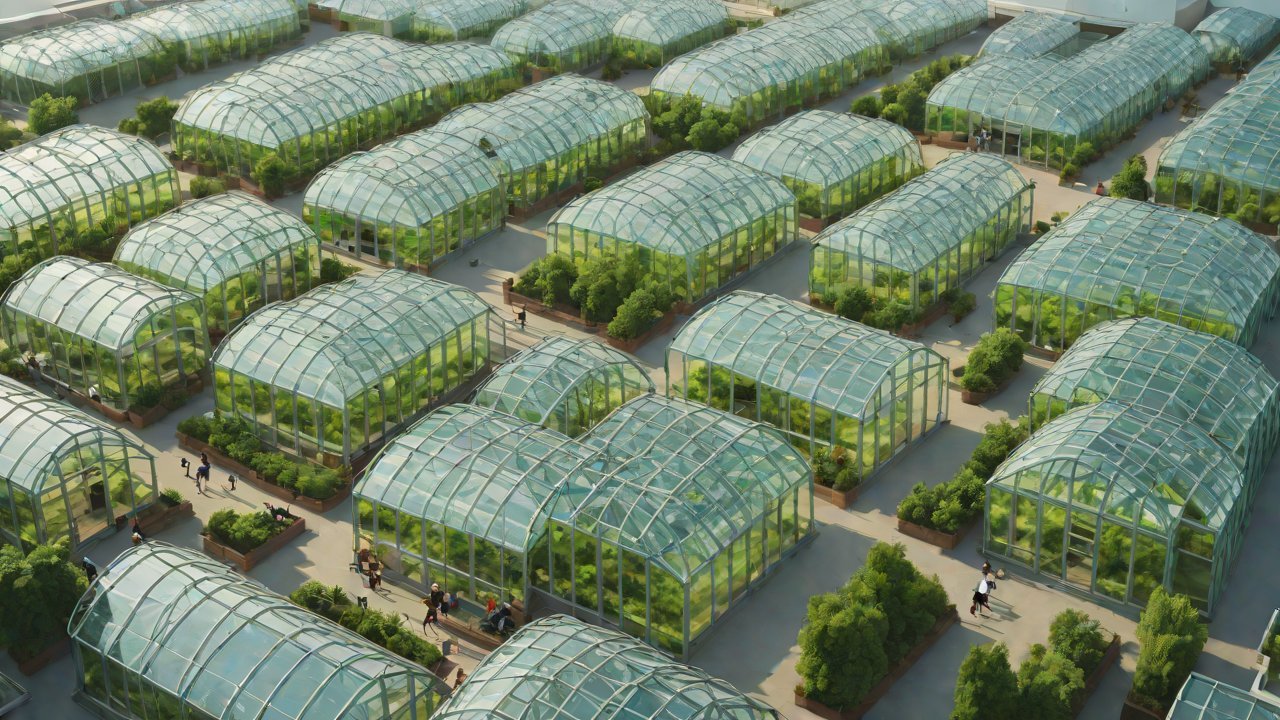
This table indicates the rapid adoption of advanced technologies in greenhouses, underscoring their potential as hubs of sustainability.
4. Economic and Social Benefits of Greenhouses in Urban Areas
Beyond their environmental benefits, greenhouses can also contribute significantly to the economic and social fabric of urban areas. By providing fresh produce, greenhouses can enhance food security and contribute to the local economy. Moreover, they can serve as community hubs, fostering social interaction and education about sustainable practices.
Table 4: Economic and Social Benefits of Greenhouses
| Benefit | Value (USD/year) |
|---|---|
| Job Creation | 1,000,000 |
| Local Economic Contribution | 2,500,000 |
| Community Engagement | 1,000,000 |
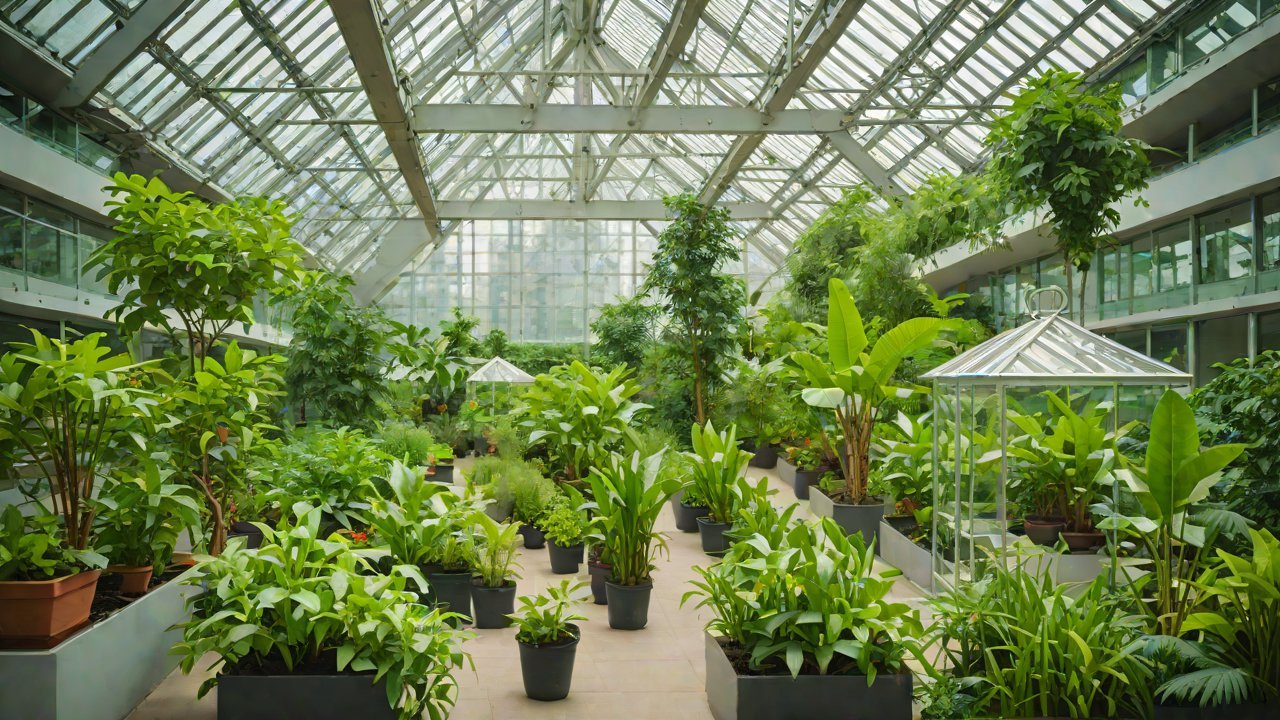
This table illustrates the multifaceted benefits of greenhouses in urban areas, encompassing economic, social, and environmental dimensions.
5. Challenges and Future Directions for Greenhouses in Urban Sustainability
While greenhouses offer a promising solution to urban sustainability challenges, their adoption is not without challenges. These include high initial investment costs, the need for specialized knowledge and training, and the potential for energy consumption and emissions if not managed carefully.
Table 5: Challenges and Future Directions for Greenhouses
| Challenge | Solution |
|---|---|
| High Initial Costs | Financing Models and Grants |
| Specialized Knowledge | Training and Education Programs |
| Energy Consumption | Renewable Energy Integration and Energy Efficiency Measures |
This table highlights the challenges and future directions for greenhouses in urban sustainability, underscoring the need for innovative solutions and strategic planning.
6. Conclusion
In conclusion, greenhouses are poised to play a critical role in the urban carbon cycle, serving as crucial nodes in the exchange of carbon dioxide between the urban environment and the atmosphere. By leveraging advanced technologies and sustainable practices, greenhouses can mitigate emissions, enhance ecosystem resilience, and contribute to the economic and social fabric of urban areas. As we navigate the complexities of our interconnected world, the potential of greenhouses as hubs of sustainability is clear, offering a beacon of hope for a more resilient and sustainable urban future.
IOT Cloud Platform
IOT Cloud Platform is an IoT portal established by a Chinese IoT company, focusing on technical solutions in the fields of agricultural IoT, industrial IoT, medical IoT, security IoT, military IoT, meteorological IoT, consumer IoT, automotive IoT, commercial IoT, infrastructure IoT, smart warehousing and logistics, smart home, smart city, smart healthcare, smart lighting, etc.
The IoT Cloud Platform blog is a top IoT technology stack, providing technical knowledge on IoT, robotics, artificial intelligence (generative artificial intelligence AIGC), edge computing, AR/VR, cloud computing, quantum computing, blockchain, smart surveillance cameras, drones, RFID tags, gateways, GPS, 3D printing, 4D printing, autonomous driving, etc.