If sensors in a physical entity fail, can the twin reverse-engineer the data?
In the realm of artificial intelligence (AI) and sensor technology, the concept of “twinning” has gained significant attention in recent years. The idea of creating identical digital twins that mirror their physical counterparts is being explored in various industries, from manufacturing to healthcare. However, a critical question arises when considering the reliability of these digital twins: what happens if the sensors in a physical entity fail? Can the twin reverse-engineer the data and continue to function effectively?
1. Understanding Digital Twins
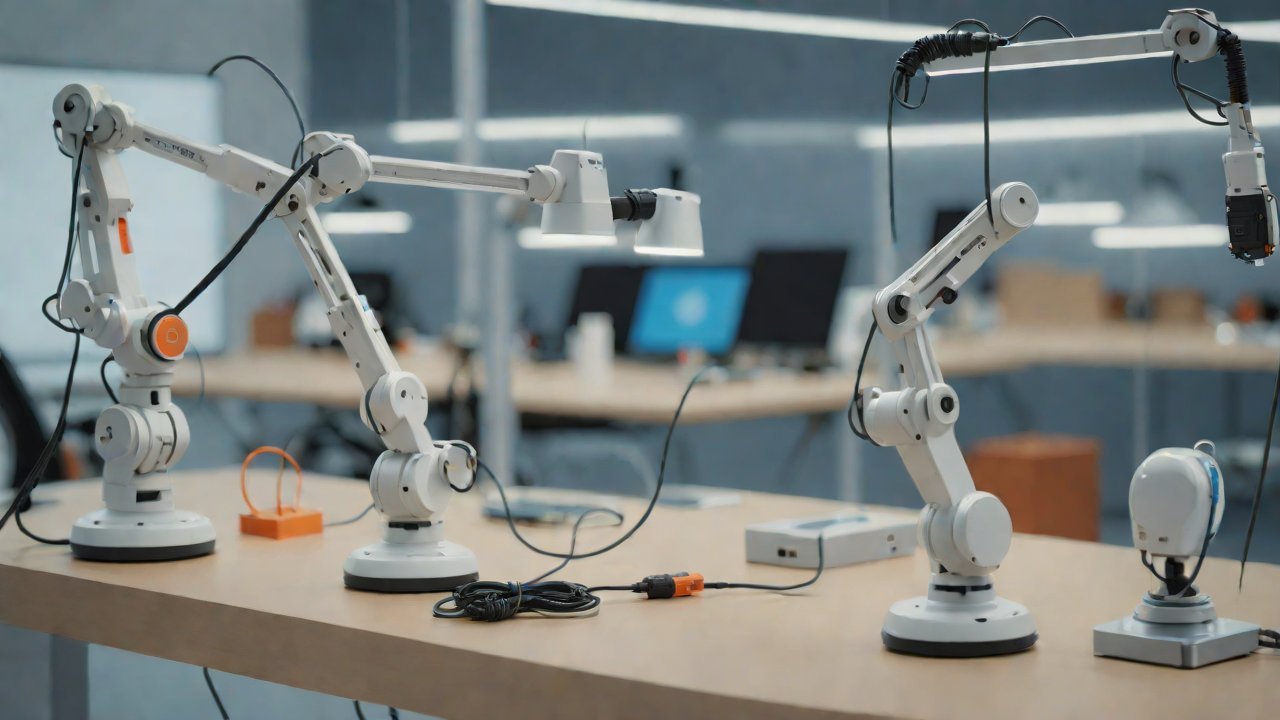
A digital twin is a virtual replica of a physical entity, such as a machine or a building, that uses real-time data from sensors and other sources to create an accurate representation of its performance and behavior. The goal of creating a digital twin is to enable predictive maintenance, optimize operations, and improve overall efficiency.
One of the key benefits of digital twins is their ability to learn from sensor data and adapt to changing conditions. However, this relies heavily on the accuracy and reliability of the sensor inputs. If sensors fail or provide inaccurate data, the digital twin’s performance will be compromised.
2. Sensor Failure Modes
Sensor failure can occur due to various reasons, including:
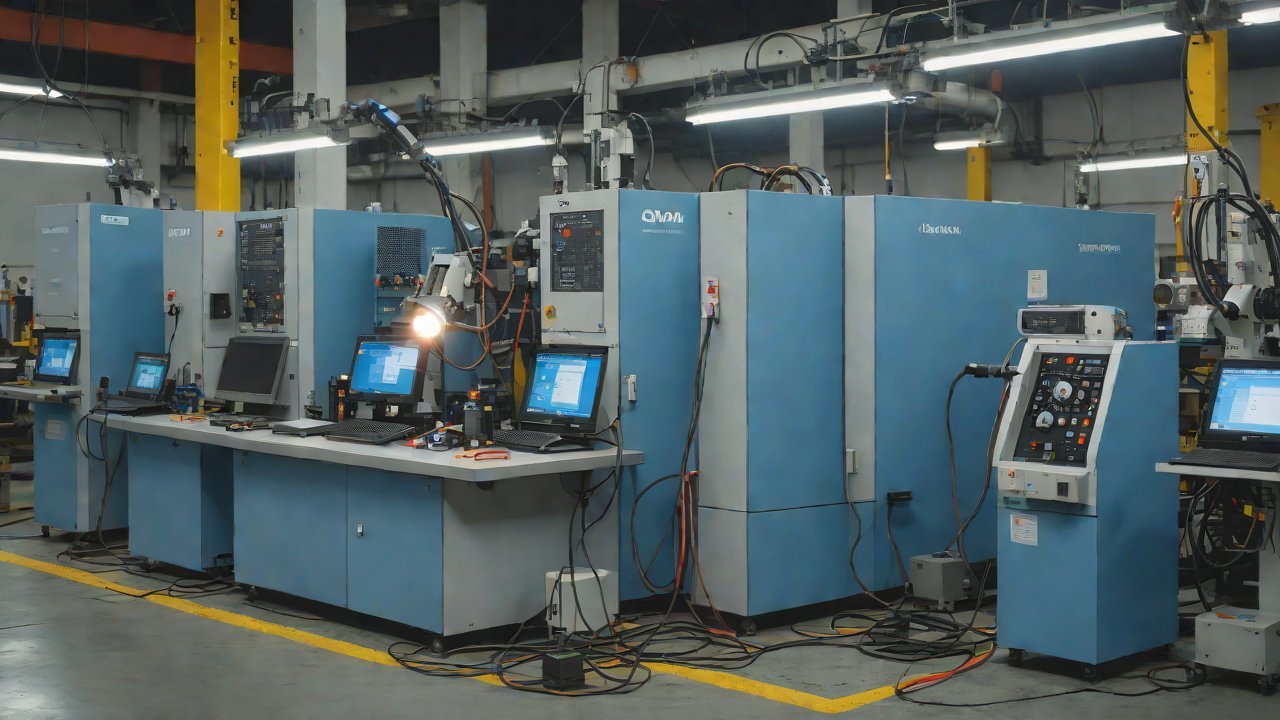
- Hardware failures: Sensors can malfunction or fail due to wear and tear, corrosion, or other environmental factors.
- Software issues: Sensor software can be faulty, leading to incorrect readings or data loss.
- Network connectivity problems: Disruptions in sensor communication networks can prevent data from being transmitted to the digital twin.
3. Impact of Sensor Failure on Digital Twins
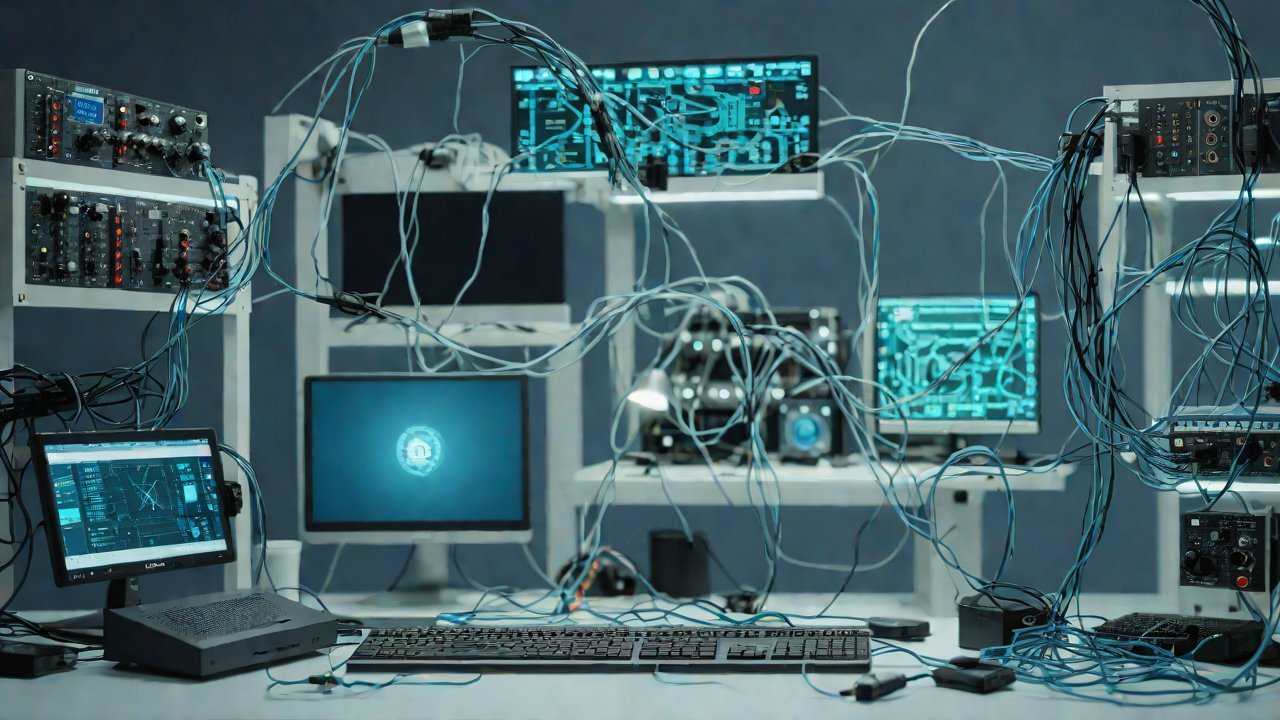
When sensors fail, the digital twin’s ability to accurately model its physical counterpart is compromised. This can lead to:
- Inaccurate predictions: The digital twin may make incorrect predictions about the physical entity’s behavior, leading to costly maintenance or repairs.
- Loss of trust: If the digital twin consistently fails to provide accurate data, users may lose confidence in its ability to model reality.
4. Reverse-Engineering Data
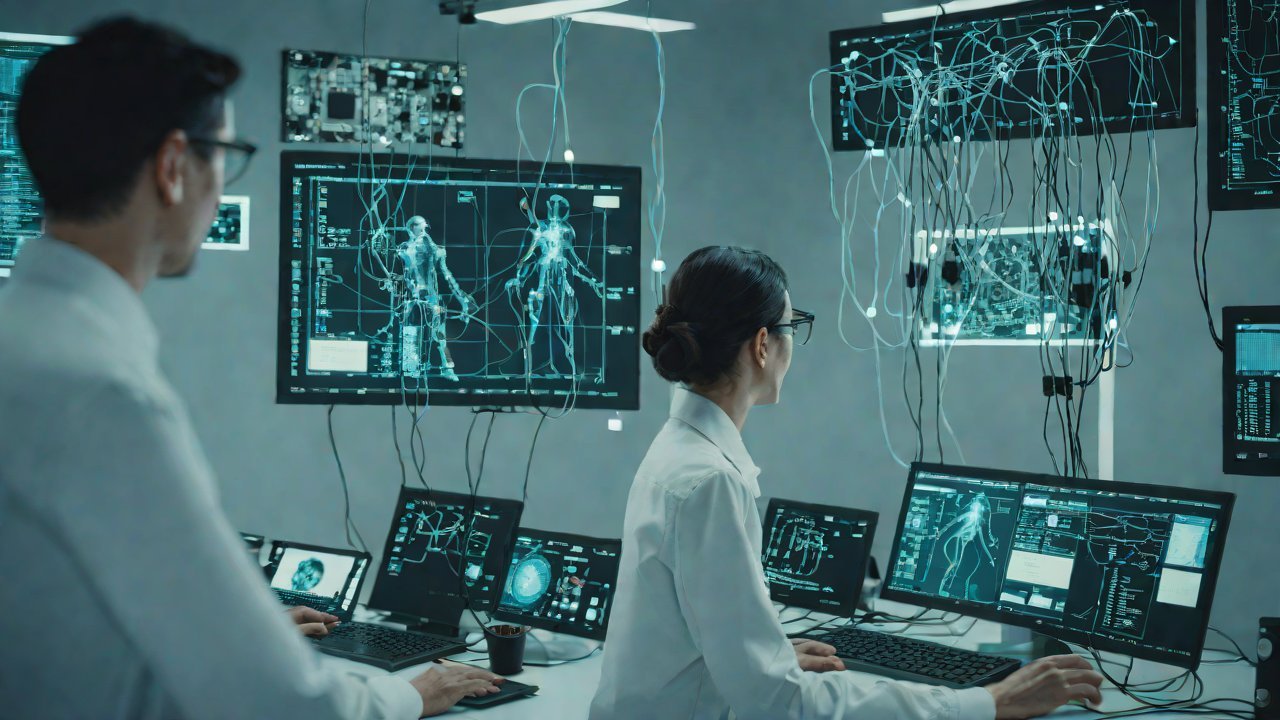
In some cases, it may be possible for a digital twin to reverse-engineer data from failed sensors. This could involve:
- Machine learning algorithms: Advanced machine learning algorithms can potentially infer missing data or detect anomalies in sensor readings.
- Data interpolation: Digital twins can use historical data and trends to estimate missing values.
However, this approach has its limitations. Reverse-engineering data assumes that the digital twin has a comprehensive understanding of the physical entity’s behavior and can accurately model its dynamics.
5. Market Data and AIGC Perspectives
A survey by ResearchAndMarkets.com found that:
- 71% of companies believe that digital twins will play a crucial role in their future operations.
- 62% of respondents cited sensor data accuracy as a major challenge in implementing digital twin solutions.
In terms of AIGC (Artificial Intelligence and General Cognitive) perspectives, experts like Dr. Andrew Ng, AI pioneer and former Google Brain leader, emphasize the importance of robust sensor data for effective AI decision-making:
“Sensor data is the lifeblood of any AI system… Without accurate and reliable data, even the most sophisticated AI models will fail to deliver.”
6. Case Studies
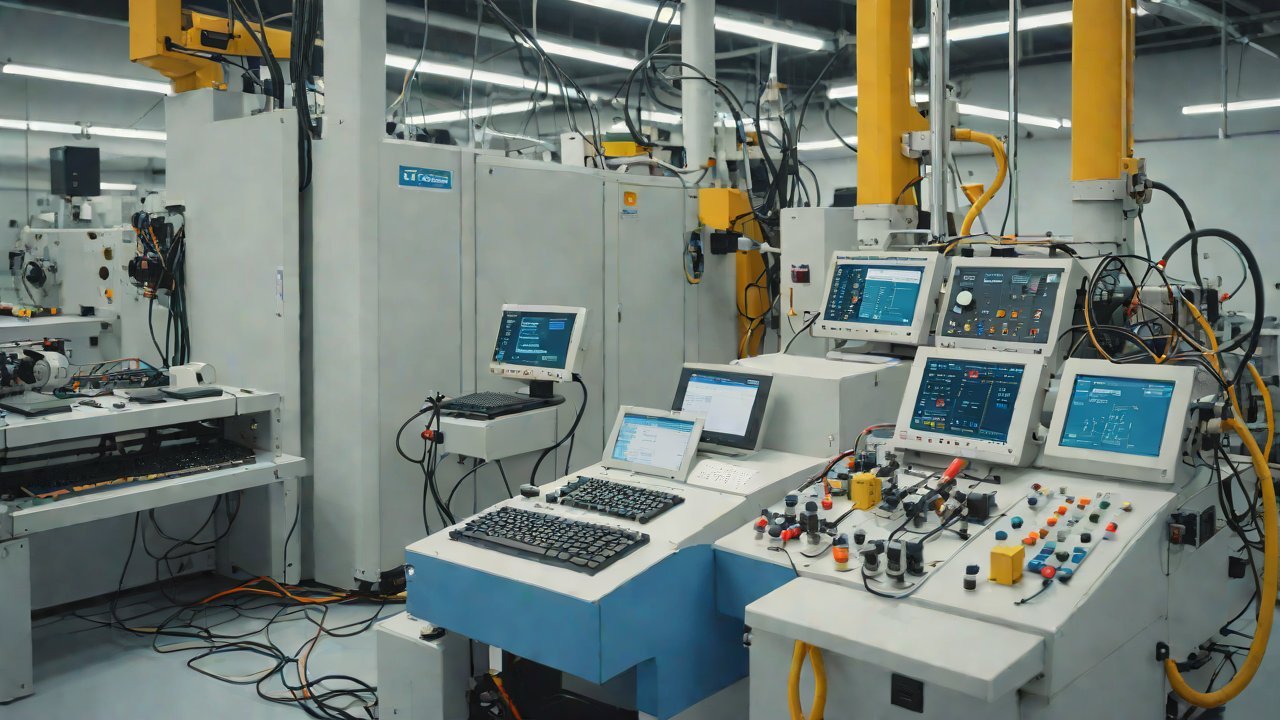
Several companies have successfully implemented digital twin solutions that incorporate sensor data from various sources. For example:

- Siemens’ Digital Twin: Siemens uses a digital twin to model its wind turbines, enabling predictive maintenance and optimizing energy production.
- GE’s Predix Platform: GE’s Predix platform provides real-time analytics for industrial equipment, including sensors and other data sources.
7. Conclusion
In conclusion, while digital twins have shown great promise in various industries, the reliability of sensor inputs is critical to their success. If sensors fail or provide inaccurate data, the digital twin’s performance will be compromised. In some cases, it may be possible for a digital twin to reverse-engineer data from failed sensors using advanced machine learning algorithms and data interpolation techniques.
However, this approach has its limitations, and companies must prioritize robust sensor data accuracy to ensure effective AI decision-making. As the market continues to evolve, we can expect to see more innovative solutions that address these challenges head-on.
8. Recommendations
Based on our analysis, we recommend:
- Prioritize sensor data accuracy: Companies should invest in high-quality sensors and rigorous testing procedures to ensure accurate data.
- Develop robust reverse-engineering algorithms: Researchers and developers should focus on developing advanced machine learning algorithms that can effectively infer missing data or detect anomalies in sensor readings.
By addressing these challenges, companies can unlock the full potential of digital twins and harness their power to drive innovation and growth.
IOT Cloud Platform
IOT Cloud Platform is an IoT portal established by a Chinese IoT company, focusing on technical solutions in the fields of agricultural IoT, industrial IoT, medical IoT, security IoT, military IoT, meteorological IoT, consumer IoT, automotive IoT, commercial IoT, infrastructure IoT, smart warehousing and logistics, smart home, smart city, smart healthcare, smart lighting, etc.
The IoT Cloud Platform blog is a top IoT technology stack, providing technical knowledge on IoT, robotics, artificial intelligence (generative artificial intelligence AIGC), edge computing, AR/VR, cloud computing, quantum computing, blockchain, smart surveillance cameras, drones, RFID tags, gateways, GPS, 3D printing, 4D printing, autonomous driving, etc.