If a sensor malfunctions in the soil, can the backend system self-diagnose?
In today’s era of Industry 4.0, where automation and IoT sensors have become ubiquitous, ensuring the reliability and accuracy of these systems is of paramount importance. The agricultural industry, in particular, relies heavily on soil sensors to monitor temperature, moisture levels, pH, and other critical parameters that directly impact crop yields and quality. However, like any mechanical or electronic component, these sensors are not immune to failures. When a sensor malfunctions, it can lead to inaccurate readings, delayed responses, and ultimately, significant economic losses for farmers and agricultural businesses.
1. Sensor Failure Modes
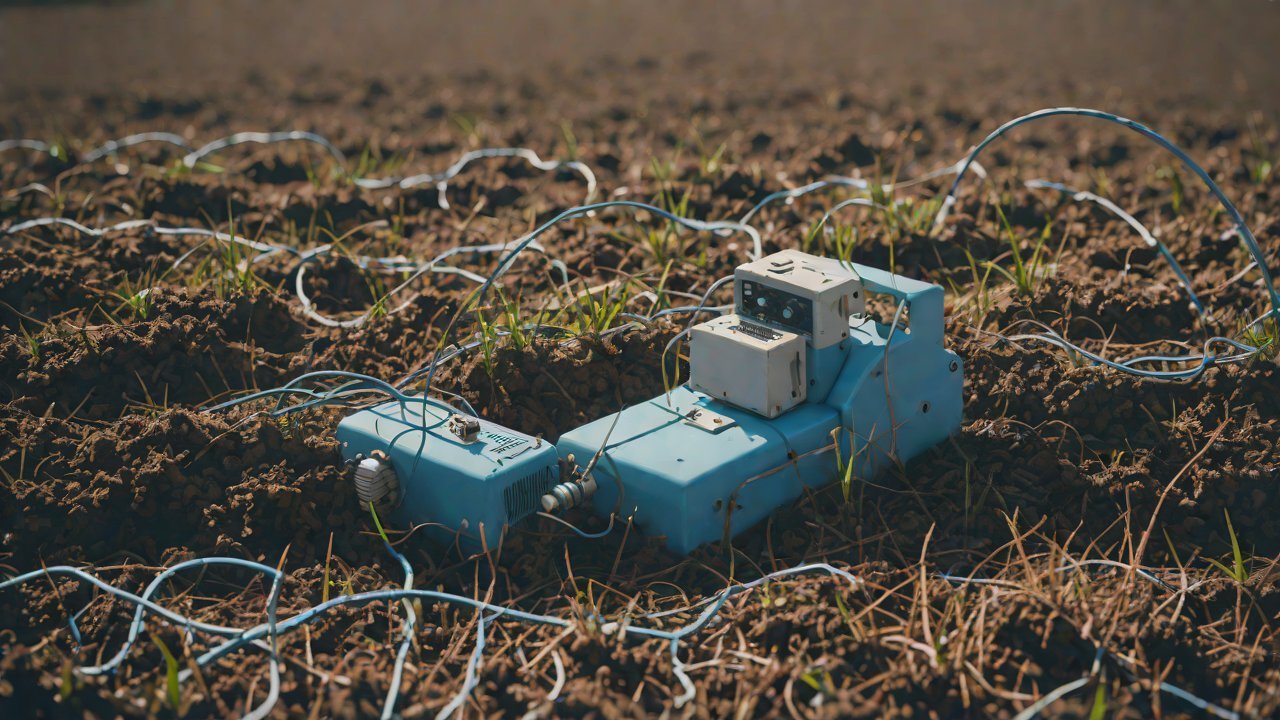
There are several ways in which a soil sensor can malfunction:
| Failure Mode | Description |
|---|---|
| 1. Calibration Issues | The sensor may not be calibrated correctly or its calibration might have drifted over time. |
| 2. Hardware Faults | Physical damage, corrosion, or wear and tear can cause the sensor to fail. |
| 3. Electromagnetic Interference (EMI) | Strong electromagnetic fields from nearby devices can interfere with the sensor’s signal. |
| 4. Power Supply Issues | Insufficient power supply or voltage fluctuations can affect the sensor’s performance. |
2. Backend System Architecture
The backend system, typically a cloud-based platform or a local server, is responsible for collecting data from soil sensors and providing real-time insights to farmers and agricultural professionals. A typical architecture includes:
| Component | Description |
|---|---|
| Data Ingestion Layer | This layer collects data from various sources, including soil sensors, weather stations, and other IoT devices. |
| Data Processing Layer | This layer processes the ingested data using machine learning algorithms, statistical models, or rule-based systems to extract insights. |
| Data Storage Layer | This layer stores processed data in a database or data warehouse for future reference and analysis. |
| User Interface Layer | This layer provides a user-friendly interface for farmers and agricultural professionals to access and visualize the processed data. |
3. Self-Diagnosis Mechanisms
To enable self-diagnosis, the backend system can employ several mechanisms:
3.1 Anomaly Detection
This involves analyzing historical data patterns to identify deviations from normal behavior. If a sensor’s readings deviate significantly from its expected range or pattern, the system can trigger an alert.
| Method | Description |
|---|---|
| Statistical Process Control (SPC) | This method uses statistical techniques to monitor and control process variations. |
| Machine Learning-based Anomaly Detection | This method uses machine learning algorithms to identify unusual patterns in sensor data. |

3.2 Sensor Validation
This involves cross-checking sensor readings with other sources of information, such as weather forecasts or historical climate data.
| Method | Description |
|---|---|
| Interpolation and Extrapolation | This method uses mathematical techniques to estimate missing values or predict future trends based on historical patterns. |
| Data Fusion | This method combines data from multiple sources to improve accuracy and reliability. |
3.3 Real-time Monitoring
This involves continuously monitoring sensor readings in real-time to detect any signs of malfunction.
| Method | Description |
|---|---|
| Streaming Analytics | This method uses stream processing techniques to analyze data as it arrives from sensors. |
| Real-time Data Visualization | This method provides an interactive and dynamic visualization of sensor data to facilitate quick identification of issues. |

4. Technical Requirements
To enable self-diagnosis, the backend system requires:
- Data quality: High-quality, accurate, and reliable sensor data is essential for effective anomaly detection and validation.
- Algorithmic complexity: Machine learning algorithms require a sufficient amount of training data to learn patterns in sensor readings.
- Scalability: The system must be able to handle large volumes of sensor data from multiple sources.
5. Market Analysis
According to MarketsandMarkets, the global IoT sensors market is expected to grow from $8.3 billion in 2020 to $23.9 billion by 2025, at a Compound Annual Growth Rate (CAGR) of 24.4%. The agricultural sector is one of the fastest-growing segments within this market.
| Market Segment | Growth Rate (2020-2025) |
|---|---|
| IoT Sensors in Agriculture | 28.6% CAGR |
| Soil Moisture Sensors | 30.1% CAGR |
6. Conclusion
In conclusion, while sensor failures can have significant economic implications for agricultural businesses, a well-designed backend system with self-diagnosis mechanisms can mitigate these risks. By leveraging machine learning algorithms, data validation techniques, and real-time monitoring, the system can detect anomalies and alert farmers to potential issues, ensuring timely intervention and minimizing losses.
However, technical requirements such as high-quality data, algorithmic complexity, and scalability must be carefully considered when designing such systems. The growing demand for IoT sensors in agriculture presents a significant opportunity for businesses to develop innovative solutions that improve crop yields, reduce waste, and enhance overall efficiency.
IOT Cloud Platform
IOT Cloud Platform is an IoT portal established by a Chinese IoT company, focusing on technical solutions in the fields of agricultural IoT, industrial IoT, medical IoT, security IoT, military IoT, meteorological IoT, consumer IoT, automotive IoT, commercial IoT, infrastructure IoT, smart warehousing and logistics, smart home, smart city, smart healthcare, smart lighting, etc.
The IoT Cloud Platform blog is a top IoT technology stack, providing technical knowledge on IoT, robotics, artificial intelligence (generative artificial intelligence AIGC), edge computing, AR/VR, cloud computing, quantum computing, blockchain, smart surveillance cameras, drones, RFID tags, gateways, GPS, 3D printing, 4D printing, autonomous driving, etc.