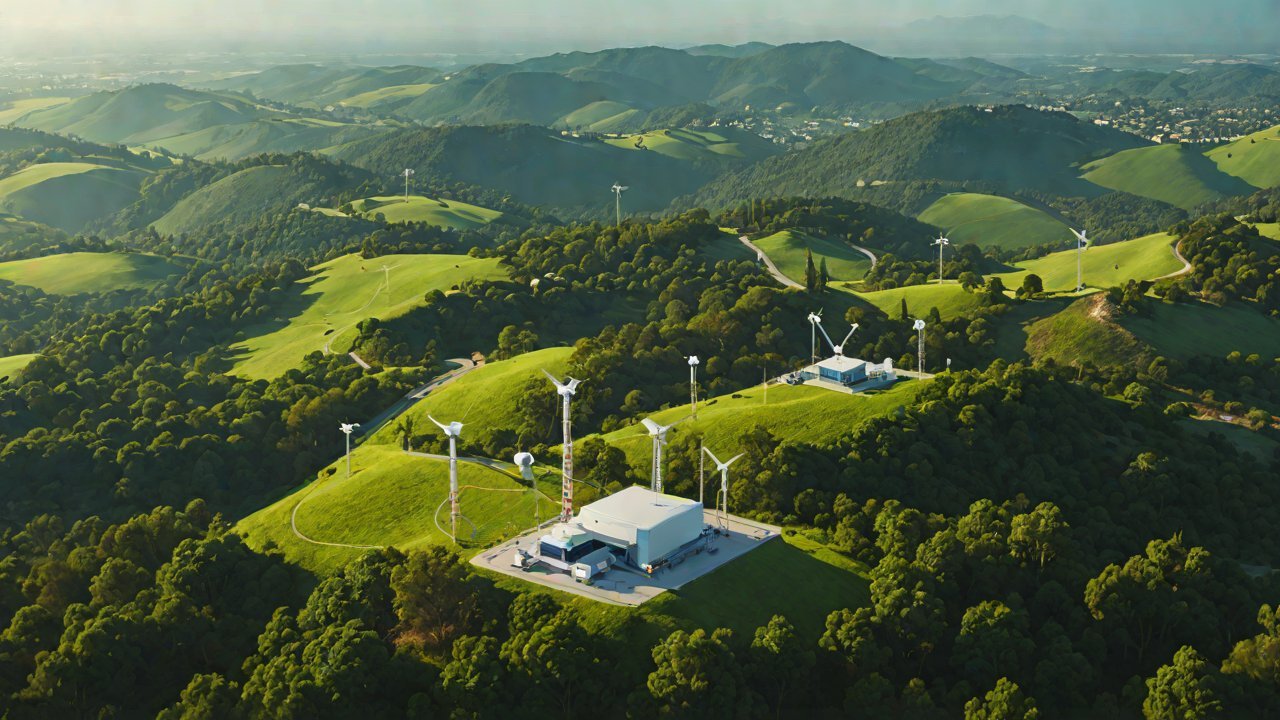
Hybrid Networking Solution: Application of LoRaWAN and NB-IoT in Complex Terrain
In the realm of wireless communication, two technologies have emerged as frontrunners for IoT (Internet of Things) applications: LoRaWAN and NB-IoT. While both offer compelling advantages, their performance is not uniform across all environments. Complex terrain poses significant challenges to the reliable transmission of data between devices, necessitating a hybrid approach that leverages the strengths of each technology.
LoRaWAN’s low-power wide-area network (LPWAN) architecture has garnered substantial attention for its ability to provide long-range connectivity with minimal power consumption. Its use cases span industrial automation, smart cities, and environmental monitoring. However, in environments characterized by dense foliage or rugged terrain, signal strength can be significantly diminished.
NB-IoT, on the other hand, is a cellular-based LPWAN technology that has been gaining traction for its ability to penetrate through obstacles more effectively than LoRaWAN. Its use cases include smart metering, asset tracking, and industrial monitoring. However, it requires a comprehensive infrastructure of cellular base stations.
1. Technical Overview
1.1 LoRaWAN Architecture
LoRaWAN’s architecture is based on a star-of-stars topology, where end-devices communicate with a network server via a gateway. The technology operates in the unlicensed ISM (Industrial, Scientific, and Medical) frequency band and uses adaptive data rate to optimize power consumption.
| Parameter | Description |
|---|---|
| Data Rate | 0.3 kbps – 27 Mbps |
| Range | Up to 15 km |
| Power Consumption | Low (typically <1 mA) |
1.2 NB-IoT Architecture
NB-IoT operates within the cellular infrastructure, using licensed spectrum and leveraging existing base stations. It supports both narrowband and wideband operation modes.
| Parameter | Description |
|---|---|
| Data Rate | Up to 27.2 kbps (narrowband) / 1 Mbps (wideband) |
| Range | Similar to cellular coverage |
| Power Consumption | Low, comparable to LoRaWAN |
2. Challenges in Complex Terrain
2.1 Signal Attenuation
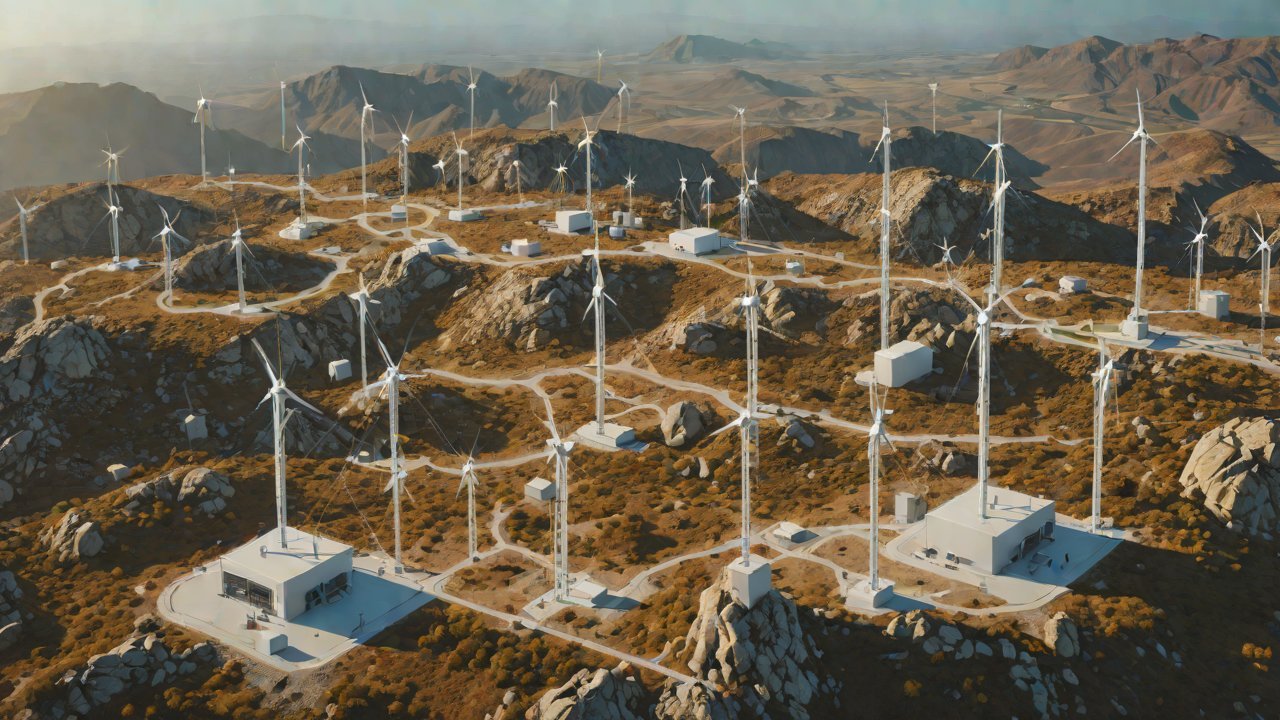
Signal attenuation poses a significant challenge to both LoRaWAN and NB-IoT in complex terrain. Obstacles such as buildings, trees, and hills can absorb or scatter radio waves, leading to reduced signal strength.
| Terrain Type | Signal Loss (dB) |
|---|---|
| Urban | 10-20 dB |
| Rural | 5-15 dB |
| Mountainous | 20-30 dB |
2.2 Multipath Fading
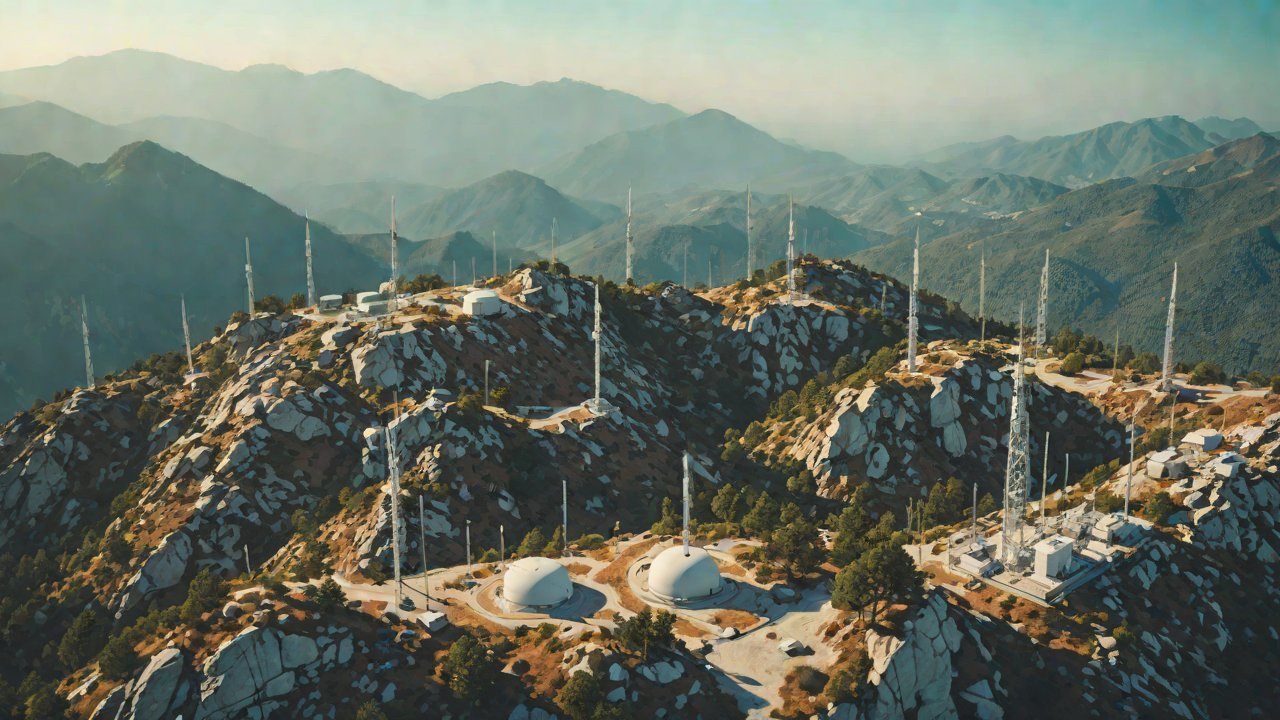
Multipath fading occurs when signals arrive at the receiver via multiple paths, leading to destructive interference and reduced signal strength.
3. Hybrid Networking Solution
A hybrid approach that leverages the strengths of both LoRaWAN and NB-IoT can provide a more reliable solution in complex terrain. This involves:
3.1 Hierarchical Network Architecture
Deploying a hierarchical network architecture, where LoRaWAN is used for long-range connectivity and NB-IoT is used for local area networking.
| Network Layer | Technology |
|---|---|
| Long-Range Connectivity | LoRaWAN |
| Local Area Networking | NB-IoT |

3.2 Adaptive Data Rate
Implementing adaptive data rate to optimize power consumption and ensure reliable transmission of data between devices.
4. Market Trends and Adoption Rates
The IoT market is expected to reach $1.4 trillion by 2027, with LPWAN technologies accounting for a significant share. LoRaWAN has gained substantial traction in recent years, while NB-IoT has been gaining momentum due to its ability to penetrate through obstacles more effectively.
| Market Size (USD) | Growth Rate (%) |
|---|---|
| IoT Market | $1.4 trillion / 22% |
| LPWAN Market | $500 billion / 30% |
5. Conclusion
A hybrid networking solution that leverages the strengths of LoRaWAN and NB-IoT can provide a more reliable solution in complex terrain. This involves deploying a hierarchical network architecture, implementing adaptive data rate, and leveraging market trends to optimize resource allocation.
The future of IoT lies in the ability to seamlessly integrate various wireless technologies to cater to diverse use cases and environments. As technology continues to evolve, we can expect even more innovative solutions that address the challenges posed by complex terrain.
IOT Cloud Platform
IOT Cloud Platform is an IoT portal established by a Chinese IoT company, focusing on technical solutions in the fields of agricultural IoT, industrial IoT, medical IoT, security IoT, military IoT, meteorological IoT, consumer IoT, automotive IoT, commercial IoT, infrastructure IoT, smart warehousing and logistics, smart home, smart city, smart healthcare, smart lighting, etc.
The IoT Cloud Platform blog is a top IoT technology stack, providing technical knowledge on IoT, robotics, artificial intelligence (generative artificial intelligence AIGC), edge computing, AR/VR, cloud computing, quantum computing, blockchain, smart surveillance cameras, drones, RFID tags, gateways, GPS, 3D printing, 4D printing, autonomous driving, etc.