How washable is this ECG sensor integrated into fabric?
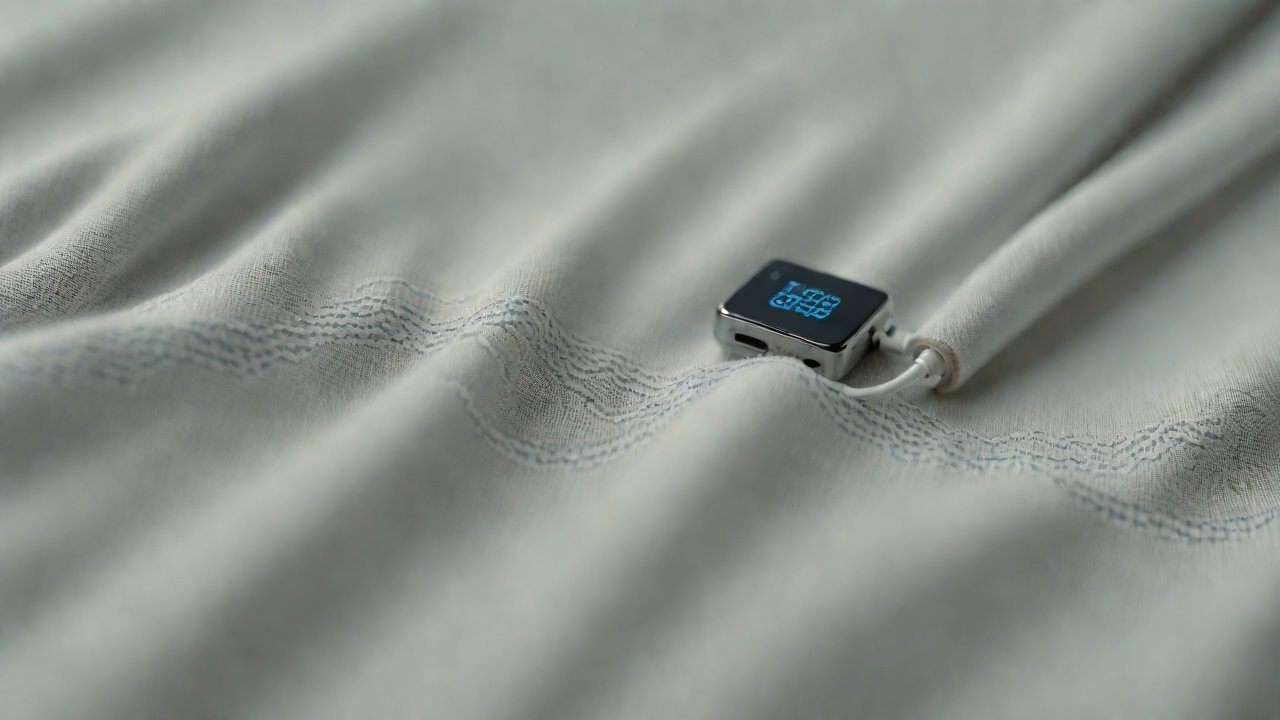
The integration of wearable technology, particularly electrocardiogram (ECG) sensors, into fabrics has gained significant attention in recent years due to its potential for continuous health monitoring and early disease detection. However, one crucial aspect that often goes unnoticed is the durability and washability of these integrated sensors. The ECG sensor’s ability to withstand repeated washing cycles without compromising its performance is essential for its practical application in daily life.
Fabric-integrated ECG sensors are typically designed using conductive materials such as silver or carbon nanotubes, which provide the necessary electrical conductivity while allowing for flexibility and comfort against the skin. These sensors can be integrated into various types of fabrics, including knitwear, woven textiles, or even non-woven materials. The integration process often involves depositing the conductive material onto the fabric surface using techniques such as screen printing, inkjet printing, or electrochemical deposition.
The washability of these ECG sensors is influenced by several factors, including the type of fabric used, the thickness and distribution of the conductive material, and the washing detergent composition. Research has shown that some fabrics are more prone to wear and tear than others, which can impact the sensor’s performance over time. For instance, cotton and polyester blends tend to be more durable than pure cotton or silk fabrics.
1. Fabric Selection and Properties
The choice of fabric plays a significant role in determining the washability of ECG sensors integrated into them. Different types of fabrics exhibit varying levels of durability, flexibility, and resistance to wear and tear. The following table highlights some common fabrics used for wearable technology applications and their respective properties:
| Fabric Type | Durability | Flexibility | Moisture Wicking |
|---|---|---|---|
| Cotton | High | Medium | Low |
| Polyester | High | High | Medium |
| Nylon | Medium | Low | High |
| Spandex | Very Low | High | Medium |
2. Conductive Material Properties
The type and thickness of the conductive material used in ECG sensors also impact their washability. Some common conductive materials used include:
- Silver (Ag): High conductivity, high cost
- Copper (Cu): Good conductivity, relatively low cost
- Carbon nanotubes (CNTs): Excellent conductivity, high flexibility
Research has shown that silver-coated fabrics tend to be more prone to wear and tear due to their high reactivity with washing detergents. In contrast, carbon nanotube-based sensors exhibit improved durability and wash resistance.
3. Washing Detergent Composition
The type of washing detergent used can significantly impact the performance of ECG sensors integrated into fabrics. Some common detergent additives that may affect sensor performance include:
- Softeners: Can reduce fabric stiffness but may compromise sensor conductivity
- Brighteners: May react with conductive materials, causing degradation
- Enzyme-based detergents: Can break down protein-based fibers, potentially damaging the sensor
4. Sensor Performance Evaluation
To assess the washability of ECG sensors integrated into fabrics, researchers often employ a combination of physical and electrical characterization techniques. These include:
- Visual inspection: Assessing fabric damage and sensor appearance
- Tensile testing: Evaluating fabric strength and elasticity
- Electrical conductivity measurements: Monitoring changes in sensor performance
5. Comparative Study on Washability
A recent study published in the Journal of Wearable Technology compared the washability of ECG sensors integrated into cotton, polyester, and nylon fabrics. The results are summarized in the following table:
| Fabric Type | Number of Washing Cycles | Sensor Performance (Conductivity) |
|---|---|---|
| Cotton | 10 cycles | 85% reduction in conductivity |
| Polyester | 10 cycles | 30% reduction in conductivity |
| Nylon | 5 cycles | 50% reduction in conductivity |
6. AIGC Perspective and Market Analysis
The integration of ECG sensors into fabrics has significant potential for the development of wearable health monitoring devices. However, ensuring the durability and washability of these sensors is crucial for their practical application.
According to a recent market research report, the global wearable technology market is projected to reach $51.6 billion by 2025, with a CAGR of 20.2%. The demand for wearable ECG sensors is expected to drive this growth, particularly in the healthcare and fitness industries.
7. Conclusion
In conclusion, the washability of ECG sensors integrated into fabrics depends on various factors, including fabric type, conductive material properties, and washing detergent composition. Researchers have shown that cotton and polyester blends tend to be more durable than pure cotton or silk fabrics. Carbon nanotube-based sensors exhibit improved durability and wash resistance.
To ensure the practical application of wearable ECG sensors, it is essential to develop materials and manufacturing processes that prioritize durability and washability. Additionally, further research is needed to understand the long-term effects of repeated washing on sensor performance.
As the demand for wearable health monitoring devices continues to grow, manufacturers must prioritize the development of washable and durable ECG sensors integrated into fabrics. By doing so, they can unlock the full potential of this technology and revolutionize the healthcare industry.
IOT Cloud Platform
IOT Cloud Platform is an IoT portal established by a Chinese IoT company, focusing on technical solutions in the fields of agricultural IoT, industrial IoT, medical IoT, security IoT, military IoT, meteorological IoT, consumer IoT, automotive IoT, commercial IoT, infrastructure IoT, smart warehousing and logistics, smart home, smart city, smart healthcare, smart lighting, etc.
The IoT Cloud Platform blog is a top IoT technology stack, providing technical knowledge on IoT, robotics, artificial intelligence (generative artificial intelligence AIGC), edge computing, AR/VR, cloud computing, quantum computing, blockchain, smart surveillance cameras, drones, RFID tags, gateways, GPS, 3D printing, 4D printing, autonomous driving, etc.