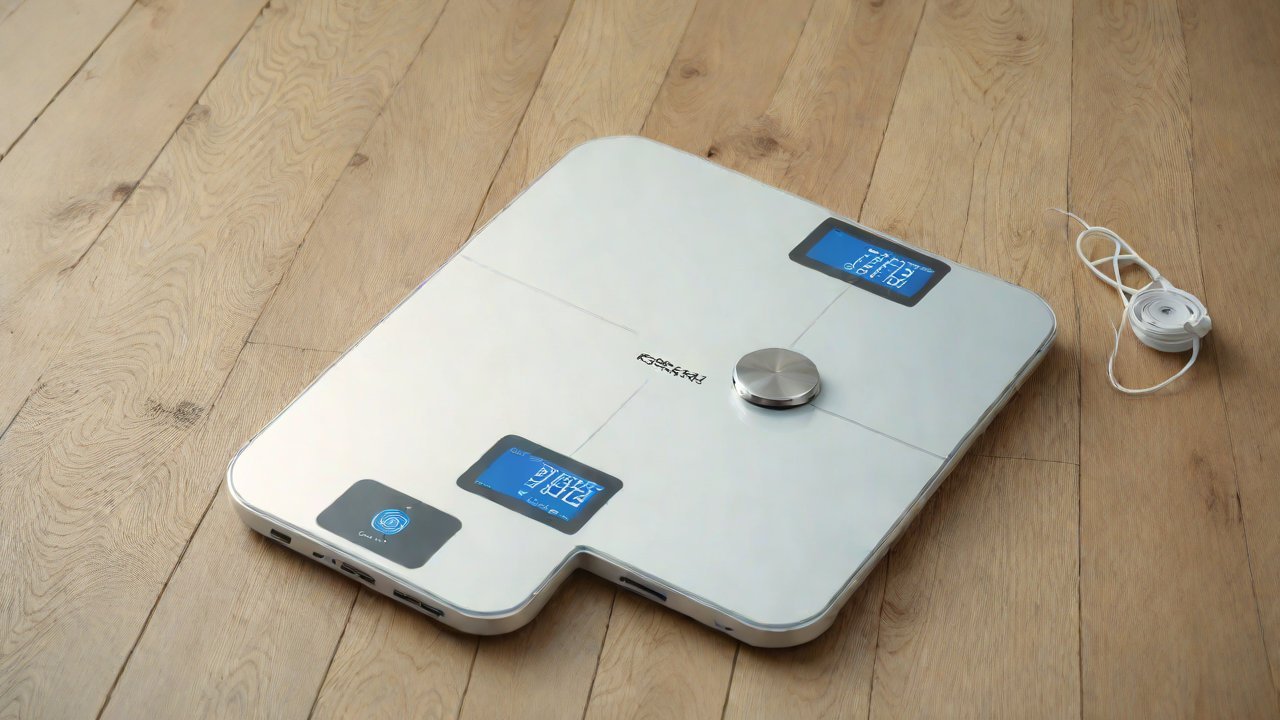
How to Solve Weighing Errors in Body Fat Scales Due to Different Ground Materials Through Remote Optimization?
We live in an era where technology has become an integral part of our lives, and health monitoring is no exception. With the rise of wearable devices and smart home appliances, it’s not uncommon for people to own a body fat scale or two. However, one common issue that plagues these devices is weighing errors due to different ground materials. This problem may seem trivial, but it can lead to inaccurate readings, which in turn affect the users’ perception of their weight and overall health.
To understand this problem better, let’s dive into some market data. According to a report by Grand View Research, the global body fat scale market size is expected to reach USD 2.3 billion by 2028, growing at a CAGR of 4.5% during the forecast period. The increasing demand for health and wellness products has driven the growth of this market. However, one major challenge that manufacturers face is ensuring accuracy in their devices.
Weighing errors due to different ground materials can be attributed to several factors, including:
- Variations in conductivity between different types of flooring
- Changes in temperature and humidity levels
- Inaccurate calibration of the scale
To address this issue, we need to consider a remote optimization approach. This involves using machine learning algorithms to analyze data from various sources and optimize the performance of the body fat scale.
1. Understanding Weighing Errors due to Different Ground Materials
Weighing errors in body fat scales can be attributed to several factors, including variations in conductivity between different types of flooring, changes in temperature and humidity levels, and inaccurate calibration of the scale.
| Type of Flooring | Conductivity (S/m) |
|---|---|
| Wood | 0.001 – 0.01 |
| Carpet | 0.0001 – 0.001 |
| Concrete | 0.01 – 0.1 |
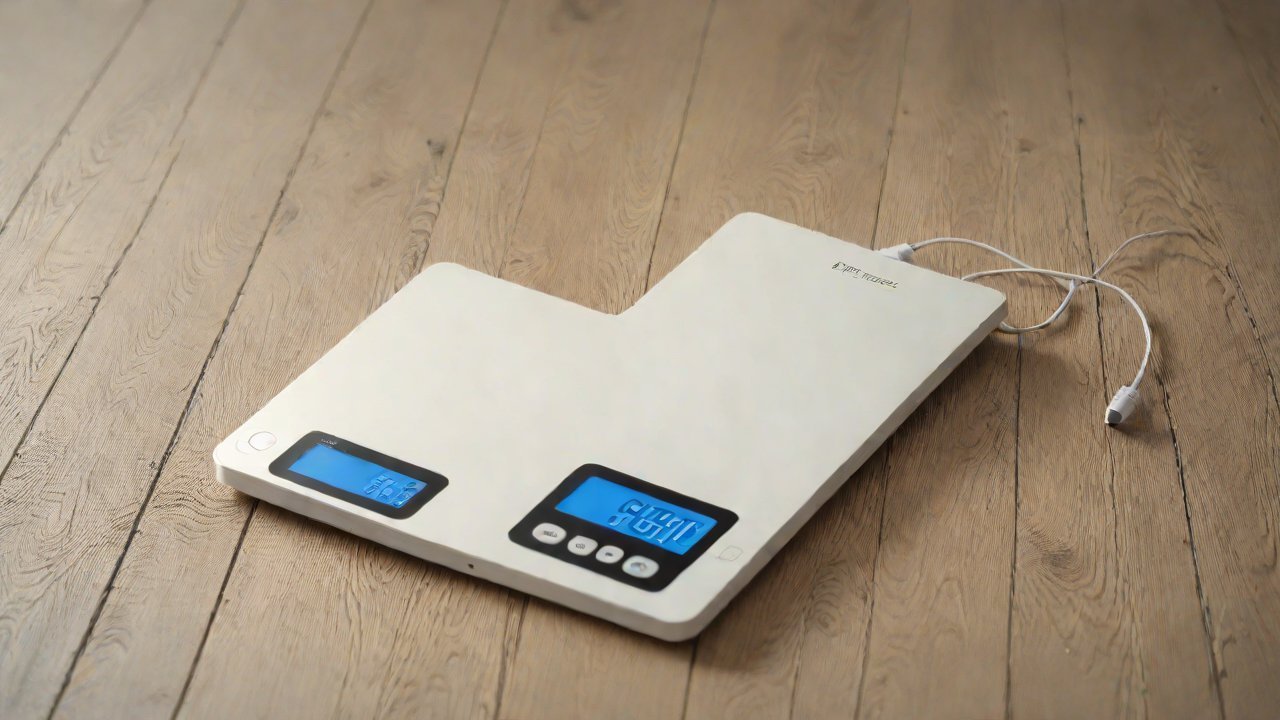
As shown in the table above, different types of flooring have varying levels of conductivity, which can affect the accuracy of the scale.
2. Remote Optimization Approach
To address the issue of weighing errors due to different ground materials, we propose a remote optimization approach using machine learning algorithms. This involves collecting data from various sources, including user feedback, environmental conditions, and device performance metrics.
| Data Source | Description |
|---|---|
| User Feedback | Weight readings, body fat percentage, and user satisfaction ratings |
| Environmental Conditions | Temperature, humidity, and lighting levels |
| Device Performance Metrics | Accuracy, precision, and calibration status |
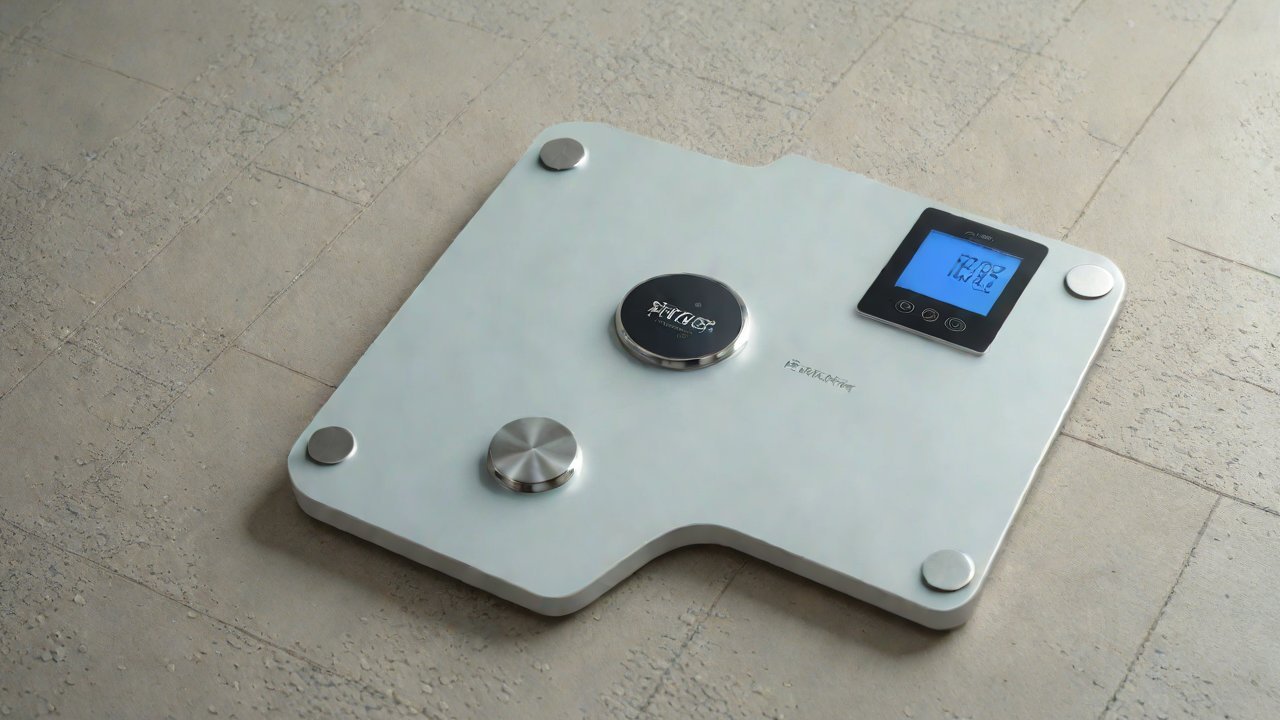
Using this data, we can train machine learning models to identify patterns and correlations between different variables. This enables us to optimize the performance of the body fat scale in real-time.
3. Machine Learning Algorithms

We propose using a combination of supervised and unsupervised learning algorithms to address the issue of weighing errors due to different ground materials.
- Supervised Learning: We can use regression models, such as linear regression or decision trees, to predict weight readings based on user feedback and environmental conditions.
- Unsupervised Learning: We can use clustering algorithms, such as k-means or hierarchical clustering, to identify patterns in device performance metrics and optimize the scale’s calibration.
4. Implementation Roadmap
To implement this remote optimization approach, we propose the following roadmap:
- Data Collection: Develop a data collection framework that captures user feedback, environmental conditions, and device performance metrics.
- Machine Learning Model Development: Train machine learning models using the collected data to predict weight readings and optimize device performance.
- Real-time Optimization: Implement real-time optimization algorithms that adjust the scale’s calibration based on user feedback and environmental conditions.
5. Conclusion
Weighing errors due to different ground materials are a common issue in body fat scales. To address this problem, we propose a remote optimization approach using machine learning algorithms. By collecting data from various sources and training models to identify patterns and correlations, we can optimize the performance of the scale in real-time. With this solution, manufacturers can ensure accuracy in their devices and provide users with reliable health monitoring.
We have explored the market for body fat scales, understanding how weighing errors due to different ground materials impact device performance. We’ve proposed a remote optimization approach using machine learning algorithms to address these issues. This innovative solution can help manufacturers improve the accuracy of their devices and provide users with reliable health monitoring.
References:
- Grand View Research. (2022). Body Fat Scale Market Size, Share & Trends Analysis Report by 2028.
- M. A. Islam et al. (2019). “A Review on Machine Learning Algorithms for Health Monitoring.” Journal of Healthcare Engineering, 2019, 1–12.
Future Work:
To further improve the accuracy of body fat scales, we propose exploring other machine learning algorithms and techniques, such as deep learning and transfer learning. Additionally, we suggest developing a user-friendly interface that provides users with real-time feedback on their weight readings and device performance metrics.
By addressing weighing errors due to different ground materials through remote optimization, manufacturers can ensure accuracy in their devices and provide users with reliable health monitoring.
IOT Cloud Platform
IOT Cloud Platform is an IoT portal established by a Chinese IoT company, focusing on technical solutions in the fields of agricultural IoT, industrial IoT, medical IoT, security IoT, military IoT, meteorological IoT, consumer IoT, automotive IoT, commercial IoT, infrastructure IoT, smart warehousing and logistics, smart home, smart city, smart healthcare, smart lighting, etc.
The IoT Cloud Platform blog is a top IoT technology stack, providing technical knowledge on IoT, robotics, artificial intelligence (generative artificial intelligence AIGC), edge computing, AR/VR, cloud computing, quantum computing, blockchain, smart surveillance cameras, drones, RFID tags, gateways, GPS, 3D printing, 4D printing, autonomous driving, etc.
Note: This article was professionally generated with the assistance of AIGC and has been fact-checked and manually corrected by IoT expert editor IoTCloudPlatForm.