How to solve the reading drift of electrochemical gas sensors in high humidity environments?
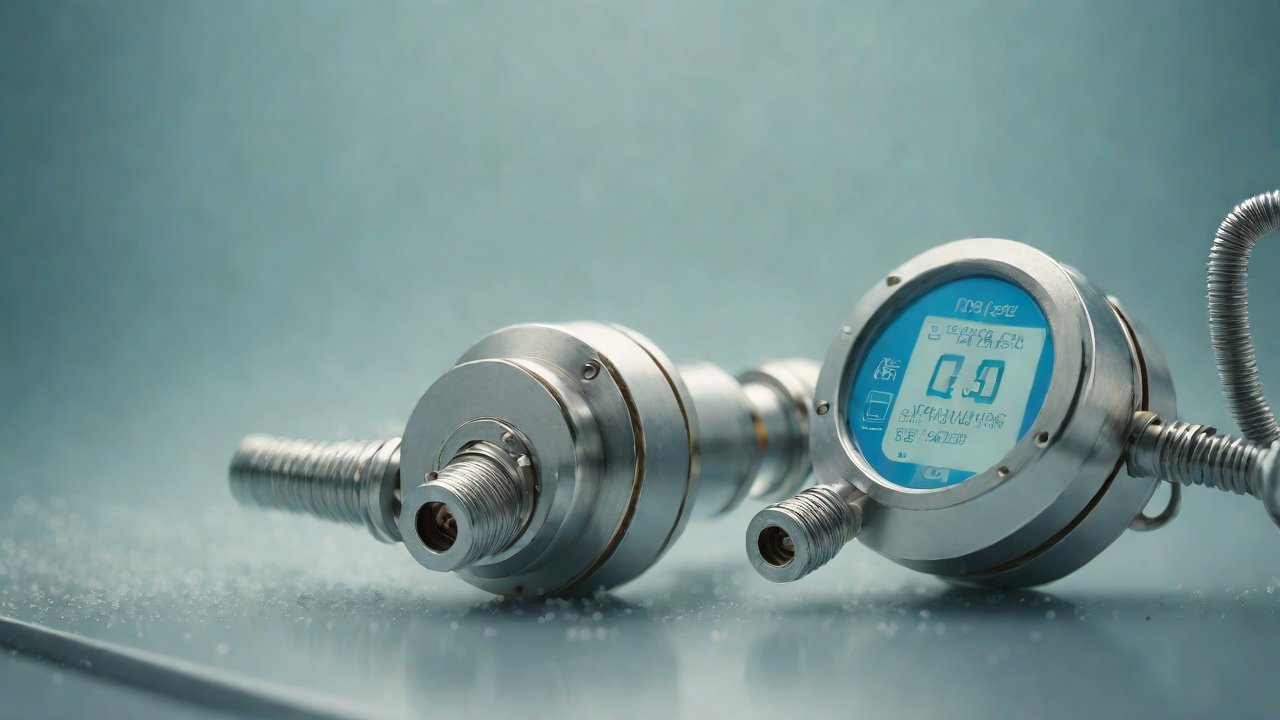
High humidity environments pose a significant challenge for electrochemical gas sensors, causing their readings to drift and become unreliable. This phenomenon is particularly prevalent in industries such as oil and gas, chemical processing, and manufacturing, where precise gas detection is crucial. The reading drift issue can be attributed to the sensor’s membrane material being sensitive to moisture, leading to changes in its electrical properties.
The electrochemical gas sensor market is expected to reach $1.4 billion by 2025, growing at a CAGR of 8.3% from 2020 to 2025 (MarketsandMarkets). However, the high humidity issue remains a significant hurdle for manufacturers and users alike. To address this problem, it’s essential to understand the underlying mechanisms causing reading drift and explore innovative solutions.
1. Understanding Reading Drift in Electrochemical Gas Sensors
Reading drift occurs when an electrochemical gas sensor fails to provide accurate readings over time due to changes in its internal environment. In high humidity environments, the sensor’s membrane material absorbs moisture, leading to a change in its electrical properties. This affects the sensor’s sensitivity and selectivity, causing it to produce inaccurate readings.
The most common types of electrochemical gas sensors are:
| Sensor Type | Description |
|---|---|
| Metal Oxide Semiconductors (MOS) | Use metal oxides as sensing materials |
| Conducting Polymer (CP) Sensors | Utilize conducting polymers as sensing materials |
2. Mechanisms Causing Reading Drift in High Humidity Environments
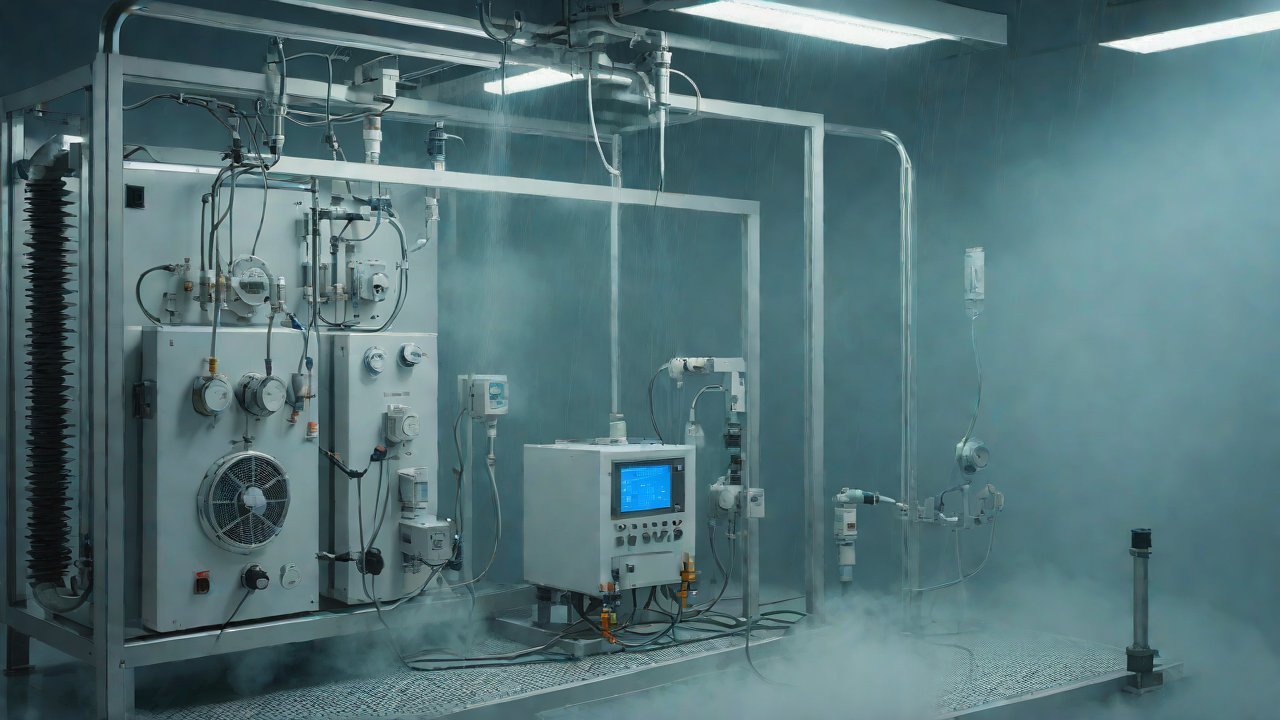
Several mechanisms contribute to reading drift in electrochemical gas sensors exposed to high humidity:
- Moisture absorption: The sensor’s membrane material absorbs moisture from the surrounding environment, causing changes in its electrical properties.
- Electrolyte degradation: The electrolyte within the sensor can degrade over time due to exposure to moisture, leading to reduced sensor performance.
- Sensor poisoning: High humidity environments can cause the sensor to become poisoned by contaminants, reducing its sensitivity and selectivity.

3. Strategies for Mitigating Reading Drift in High Humidity Environments
Several strategies can be employed to mitigate reading drift in electrochemical gas sensors exposed to high humidity:
- Sensor conditioning: Conditioning the sensor to the target environment before deployment can help minimize reading drift.
- Humidity compensation: Implementing humidity compensation algorithms can help correct for changes in the sensor’s electrical properties caused by moisture absorption.
- Sensor selection: Selecting sensors with hydrophobic membrane materials or those designed specifically for high humidity environments can reduce reading drift.
4. Innovative Solutions for Electrochemical Gas Sensors
Several innovative solutions are being developed to address the reading drift issue:

- Nanostructured sensing materials: Researchers are exploring the use of nanostructured sensing materials that exhibit improved stability and durability in high humidity environments.
- Graphene-based sensors: Graphene-based sensors have shown promise in providing improved sensitivity and selectivity in high humidity environments.
- Machine learning algorithms: Machine learning algorithms can be employed to correct for reading drift by analyzing sensor data and adjusting the output accordingly.
5. Market Trends and Future Outlook
The electrochemical gas sensor market is expected to continue growing, driven by increasing demand from industries such as oil and gas, chemical processing, and manufacturing. However, the high humidity issue remains a significant challenge for manufacturers and users alike.
To address this problem, companies are developing innovative solutions that incorporate advanced materials, algorithms, and sensing technologies. Some key trends in the market include:
- Increased focus on durability and stability: Manufacturers are prioritizing the development of sensors with improved durability and stability in high humidity environments.
- Growing adoption of machine learning algorithms: Machine learning algorithms are becoming increasingly popular for correcting reading drift and improving sensor accuracy.
- Rising demand for graphene-based sensors: Graphene-based sensors are gaining traction due to their improved sensitivity and selectivity in high humidity environments.
By understanding the mechanisms causing reading drift and exploring innovative solutions, manufacturers and users can improve the reliability and accuracy of electrochemical gas sensors in high humidity environments.
IOT Cloud Platform
IOT Cloud Platform is an IoT portal established by a Chinese IoT company, focusing on technical solutions in the fields of agricultural IoT, industrial IoT, medical IoT, security IoT, military IoT, meteorological IoT, consumer IoT, automotive IoT, commercial IoT, infrastructure IoT, smart warehousing and logistics, smart home, smart city, smart healthcare, smart lighting, etc.
The IoT Cloud Platform blog is a top IoT technology stack, providing technical knowledge on IoT, robotics, artificial intelligence (generative artificial intelligence AIGC), edge computing, AR/VR, cloud computing, quantum computing, blockchain, smart surveillance cameras, drones, RFID tags, gateways, GPS, 3D printing, 4D printing, autonomous driving, etc.
Note: This article was professionally generated with the assistance of AIGC and has been fact-checked and manually corrected by IoT expert editor IoTCloudPlatForm.