How to Restore Gas Supply to a Smart Gas Meter?
Smart gas meters have revolutionized the way energy is consumed and measured, providing real-time data and enabling utilities to optimize their operations. However, when these meters malfunction or become disconnected from the gas supply, it can lead to significant disruptions in service for customers. In this report, we will delve into the complexities of restoring gas supply to a smart gas meter, exploring the technical, operational, and market-driven factors that influence this process.
1. Understanding Smart Gas Meter Architecture
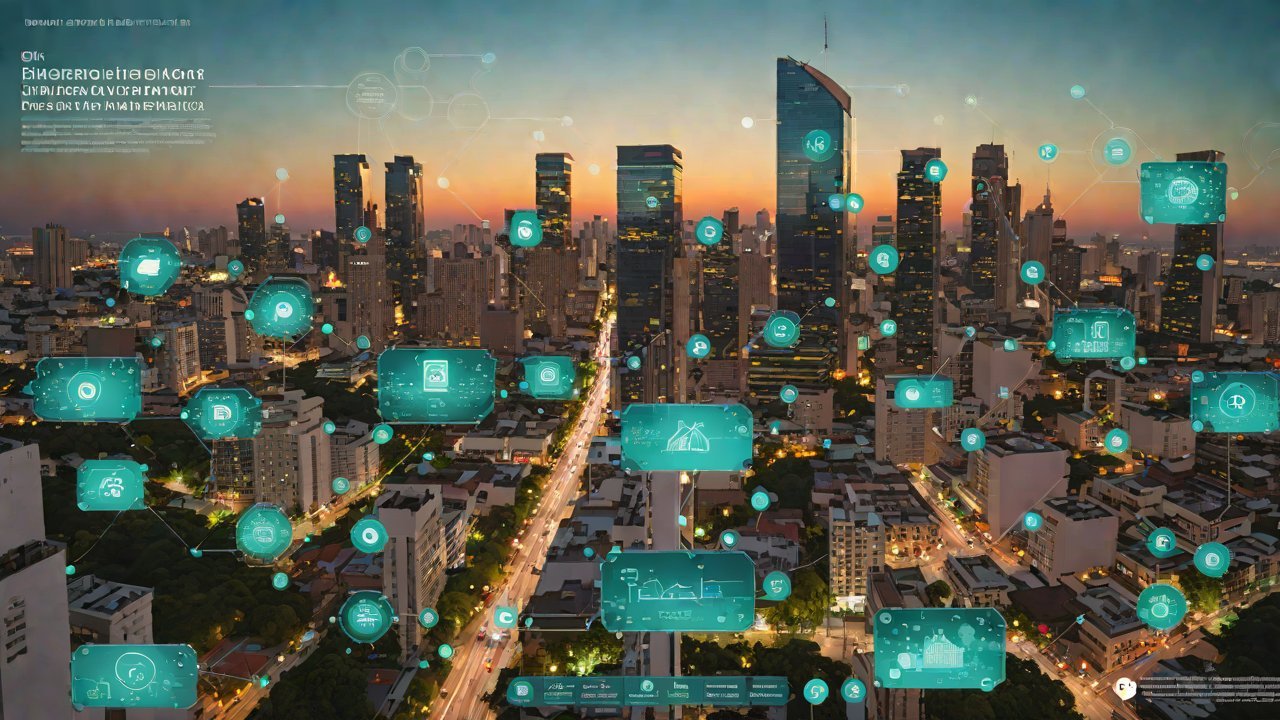
Smart gas meters are typically part of a larger infrastructure that includes communication networks, data analytics platforms, and customer management systems. These devices employ advanced technologies such as wireless mesh networking (WMN), cellular connectivity, or powerline communications to transmit consumption data in real-time. This architecture enables utilities to remotely monitor and manage the metering process, ensuring accurate billing and efficient energy distribution.
| Component | Function |
|---|---|
| Smart Gas Meter | Measures gas consumption and transmits data to the utility’s central system |
| Communication Network | Enables bidirectional communication between the meter and the utility’s central system |
| Data Analytics Platform | Analyzes consumption patterns, detects anomalies, and provides insights for energy optimization |
2. Causes of Disconnection
A smart gas meter can become disconnected from the gas supply due to various reasons, including:
- Meter failure: Mechanical or electrical issues with the meter itself
- Communication network outages: Disruptions in wireless communication networks or cellular connectivity
- Utility system failures: Issues with the utility’s central system, data analytics platform, or customer management systems
- Physical obstructions: Obstacles that block communication signals between the meter and the utility’s central system
3. Troubleshooting Procedures
When a smart gas meter becomes disconnected from the gas supply, utilities can follow these steps to troubleshoot the issue:
- Initial assessment: Review customer complaints, check for any recent network outages or maintenance activities
- Meter inspection: Visually inspect the meter and surrounding area to identify potential issues (e.g., physical damage, tampering)
- Communication network testing: Verify that communication networks are functioning correctly and that signals are being transmitted between the meter and the utility’s central system
4. Repairing or Replacing the Meter
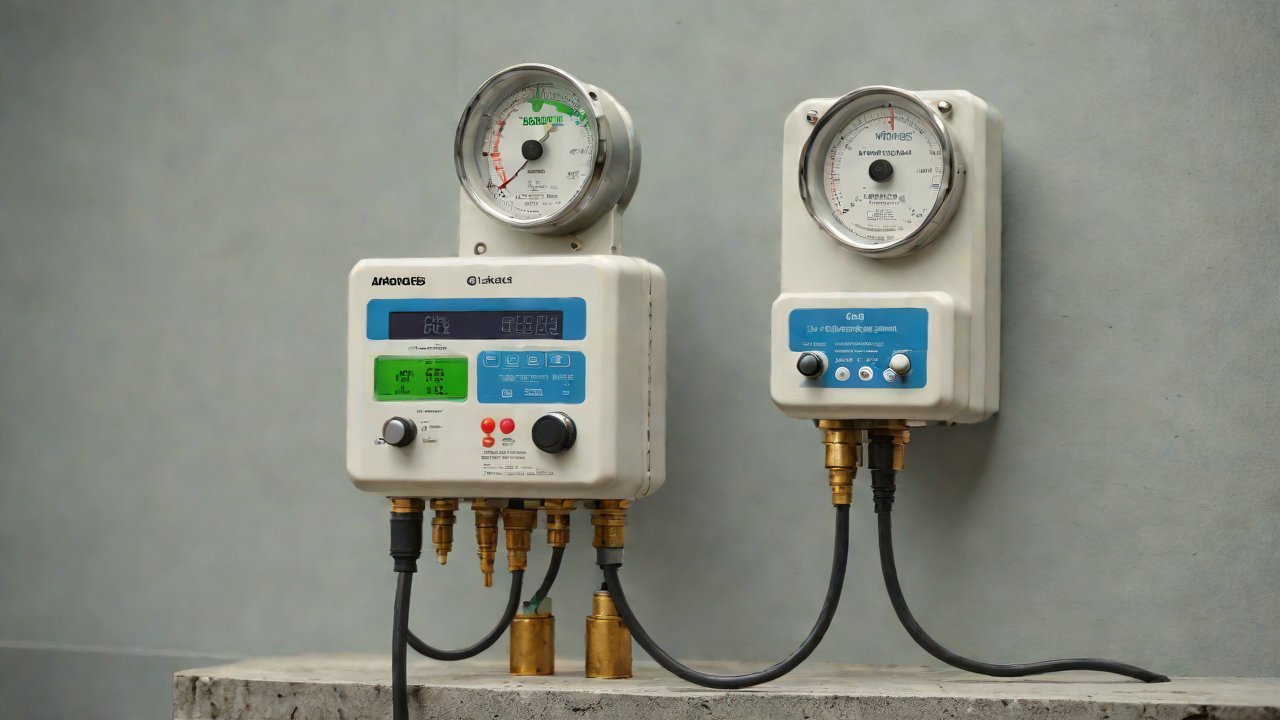
If troubleshooting identifies a problem with the meter itself, utilities can opt for:
- Repair: Send a technician to repair or replace faulty components
- Replacement: Replace the entire meter if it is beyond repair or no longer supported by the manufacturer
| Repair/Replacement Method | Estimated Timeframe |
|---|---|
| Meter repair | 1-3 days (dependent on component availability) |
| Meter replacement | 1-7 days (dependent on delivery and installation times) |
5. Communication Network Optimization
In cases where communication network outages or issues are identified, utilities can take the following steps to optimize their networks:
- Network maintenance: Schedule routine maintenance activities to ensure optimal performance
- Equipment upgrades: Upgrade communication equipment to improve signal strength and coverage
- Network expansion: Expand the network to cover areas with limited or no connectivity

6. Utility System Enhancements
To minimize disruptions, utilities can implement system enhancements such as:
- Dual communication protocols: Implementing multiple communication protocols (e.g., wireless mesh networking and cellular connectivity) to ensure reliable data transmission
- Redundant systems: Implementing redundant systems to ensure continuity of service in case of primary system failures
- Advanced analytics: Integrating advanced analytics platforms to detect anomalies and predict potential issues before they occur
7. Customer Engagement and Support
Effective customer engagement and support are crucial for resolving disconnections quickly:
- Proactive communication: Inform customers about planned maintenance activities or expected outages
- Real-time updates: Provide real-time updates on the status of repairs or replacements
- Customer feedback mechanisms: Establish feedback mechanisms to identify areas for improvement in service delivery
8. Market Trends and Best Practices
The smart gas meter market is rapidly evolving, with new technologies and innovations emerging regularly:
- AMR/AMI adoption: Utilities are increasingly adopting Advanced Metering Infrastructure (AMI) systems to improve efficiency and accuracy
- IoT integration: Integration of Internet of Things (IoT) devices and sensors to enhance real-time monitoring and analytics capabilities
- Energy storage: Incorporating energy storage solutions to optimize energy distribution and reduce peak demand
By understanding the technical, operational, and market-driven factors that influence smart gas meter disconnections, utilities can develop effective strategies for restoring gas supply and minimizing disruptions to customers.
IOT Cloud Platform
IOT Cloud Platform is an IoT portal established by a Chinese IoT company, focusing on technical solutions in the fields of agricultural IoT, industrial IoT, medical IoT, security IoT, military IoT, meteorological IoT, consumer IoT, automotive IoT, commercial IoT, infrastructure IoT, smart warehousing and logistics, smart home, smart city, smart healthcare, smart lighting, etc.
The IoT Cloud Platform blog is a top IoT technology stack, providing technical knowledge on IoT, robotics, artificial intelligence (generative artificial intelligence AIGC), edge computing, AR/VR, cloud computing, quantum computing, blockchain, smart surveillance cameras, drones, RFID tags, gateways, GPS, 3D printing, 4D printing, autonomous driving, etc.