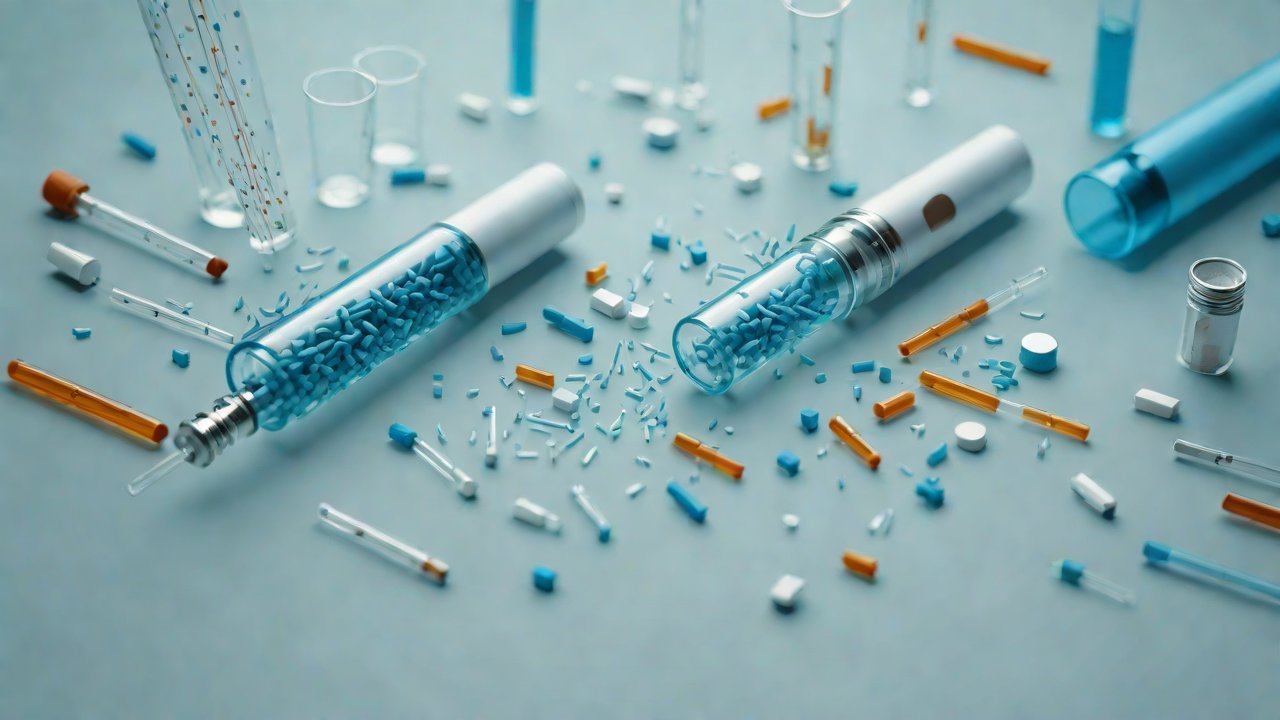
How to Repair Sensitivity Decrease Caused by Protein Adsorption on the Surface of Biosensors?
The sensitivity of biosensors can be significantly compromised due to protein adsorption on their surface, leading to a decrease in their performance and accuracy. This phenomenon is particularly pronounced in applications where biofluids are involved, such as in medical diagnostics, environmental monitoring, and food safety testing. The adsorption of proteins on the sensor surface can cause a range of issues, including reduced sensitivity, increased noise, and altered selectivity.
Protein adsorption occurs due to the hydrophobic interactions between the protein molecules and the sensor material, as well as electrostatic forces between charged groups on the protein and the sensor surface. The extent of protein adsorption depends on various factors, including the type and concentration of proteins, the sensor material properties, and the operating conditions.
To address this issue, researchers have explored several strategies to reduce or prevent protein adsorption on biosensors. These include modifying the sensor surface with hydrophilic coatings, using antifouling materials, and implementing surface regeneration techniques. Additionally, advances in nanotechnology have led to the development of nanostructured sensors that exhibit improved resistance to protein fouling.
1. Understanding Protein Adsorption on Biosensors
Protein adsorption on biosensors can be attributed to several factors, including:
- Hydrophobic interactions between proteins and sensor materials
- Electrostatic forces between charged groups on proteins and sensor surfaces
- Van der Waals forces between protein molecules and sensor surfaces
The extent of protein adsorption depends on the following parameters:
| Parameter | Description |
|---|---|
| Protein type | Different proteins exhibit varying levels of hydrophobicity and charge density, influencing their adsorption behavior. |
| Concentration | Higher protein concentrations lead to increased adsorption due to enhanced collision rates between protein molecules and sensor surfaces. |
| Sensor material properties | Hydrophobic materials tend to attract more proteins than hydrophilic ones, while charged materials can electrostatically repel or attract certain protein types. |
| Operating conditions | Temperature, pH, and ionic strength can affect protein adsorption by altering the balance between attractive and repulsive forces. |

2. Strategies for Reducing Protein Adsorption
Several strategies have been explored to mitigate protein adsorption on biosensors:
Surface Modification with Hydrophilic Coatings
The incorporation of hydrophilic coatings, such as polyethylene glycol (PEG) or dextran, onto the sensor surface can reduce protein adsorption by increasing the energy barrier for protein attachment. These coatings can be applied using techniques like spin coating, dip coating, or layer-by-layer assembly.
Use of Antifouling Materials
Antifouling materials, such as polydopamine (PDA) or chitosan, have been investigated for their ability to reduce protein adsorption. These materials exhibit a low surface energy and high hydrophilicity, making it difficult for proteins to adhere.
Surface Regeneration Techniques
Surface regeneration techniques involve the removal of adsorbed proteins from the sensor surface using various methods, such as chemical cleaning, thermal treatment, or enzymatic degradation. This approach can restore the sensor’s original sensitivity and accuracy.
3. Advances in Nanotechnology
The development of nanostructured sensors has led to improved resistance against protein fouling:
- Nanostructured surfaces: The incorporation of nanostructures, such as nanoparticles or nanotubes, onto the sensor surface can increase the energy barrier for protein attachment.
- Nanomaterial-based coatings: Coatings made from nanomaterials, like graphene or carbon nanotubes, have been shown to exhibit antifouling properties.

4. Case Studies and Applications
Several case studies demonstrate the effectiveness of these strategies in reducing protein adsorption on biosensors:
- Medical diagnostics: The use of hydrophilic coatings has improved the sensitivity of biosensors for detecting biomarkers in blood samples.
- Environmental monitoring: Nanostructured sensors have been employed to detect environmental pollutants with high accuracy and low fouling rates.
5. Future Directions
To further address protein adsorption on biosensors, researchers should focus on:
- Developing more efficient surface modification techniques
- Investigating new antifouling materials and coatings
- Exploring novel nanostructured surfaces for enhanced sensitivity and reduced fouling
By adopting these strategies and advancing our understanding of protein adsorption mechanisms, we can develop highly sensitive and reliable biosensors for various applications.
IOT Cloud Platform
IOT Cloud Platform is an IoT portal established by a Chinese IoT company, focusing on technical solutions in the fields of agricultural IoT, industrial IoT, medical IoT, security IoT, military IoT, meteorological IoT, consumer IoT, automotive IoT, commercial IoT, infrastructure IoT, smart warehousing and logistics, smart home, smart city, smart healthcare, smart lighting, etc.
The IoT Cloud Platform blog is a top IoT technology stack, providing technical knowledge on IoT, robotics, artificial intelligence (generative artificial intelligence AIGC), edge computing, AR/VR, cloud computing, quantum computing, blockchain, smart surveillance cameras, drones, RFID tags, gateways, GPS, 3D printing, 4D printing, autonomous driving, etc.
Note: This article was professionally generated with the assistance of AIGC and has been fact-checked and manually corrected by IoT expert editor IoTCloudPlatForm.