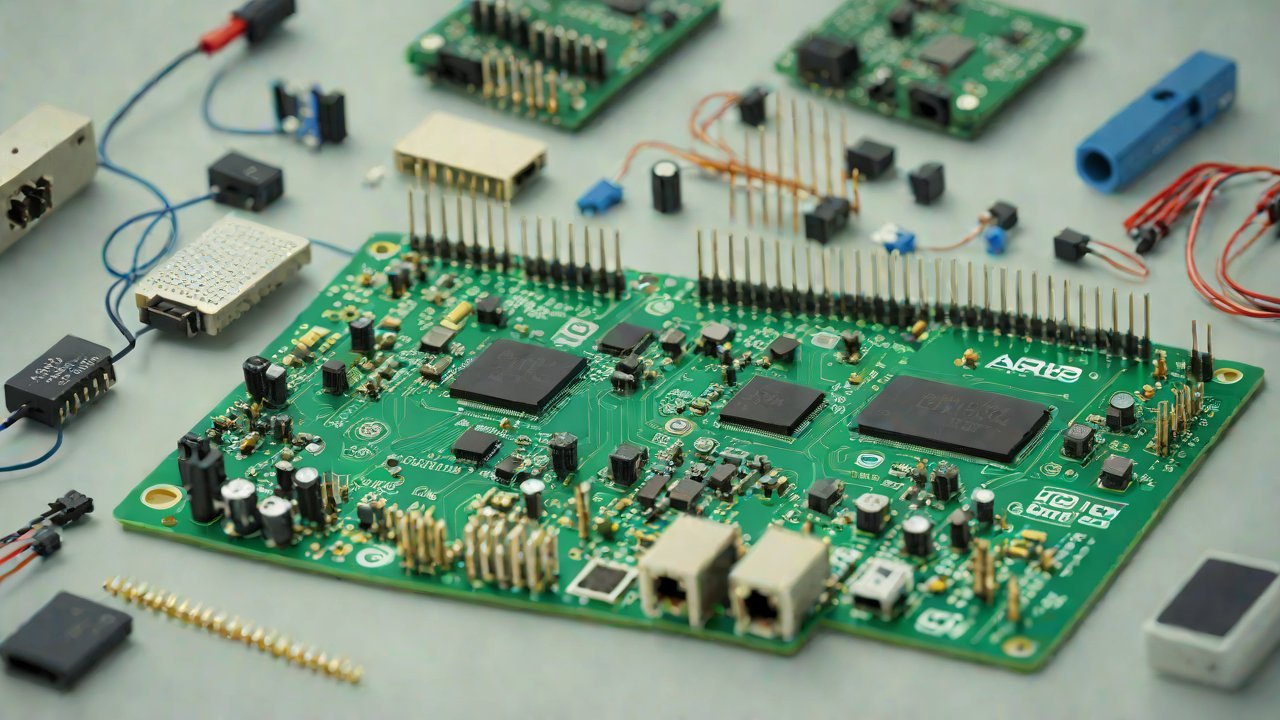
How to Port mbed OS to the ARM Teaching Platform?
The ARM Teaching Platform is a versatile and widely adopted development platform that enables students and developers to explore the intricacies of ARM-based microcontrollers. mbed OS, on the other hand, is a popular operating system designed specifically for microcontrollers, offering a comprehensive set of features and tools for building connected devices. Porting mbed OS to the ARM Teaching Platform would not only provide users with a seamless development experience but also unlock the full potential of the platform. In this report, we will delve into the intricacies of porting mbed OS to the ARM Teaching Platform, exploring the technical requirements, potential challenges, and benefits of this endeavor.
1. Background and Motivation
The ARM Teaching Platform is a widely used development platform in academia and industry alike, providing a cost-effective and accessible way to develop and deploy ARM-based applications. mbed OS, developed by ARM, is a lightweight operating system designed to run on microcontrollers, offering a range of features and tools for building connected devices. Porting mbed OS to the ARM Teaching Platform would enable users to leverage the strengths of both platforms, creating a powerful development environment for building and deploying IoT devices, wearables, and other connected products.
1.1 Market Landscape
The global IoT market is projected to reach $1.4 trillion by 2027, with the number of connected devices expected to exceed 22 billion by 2025 (Statista, 2022). The demand for IoT development platforms and operating systems is on the rise, driven by the increasing need for secure, efficient, and scalable IoT solutions. mbed OS, with its comprehensive set of features and tools, is well-positioned to capitalize on this trend.
1.2 Technical Requirements
To port mbed OS to the ARM Teaching Platform, the following technical requirements must be met:
| Requirement | Description |
|---|---|
| Processor Support | The ARM Teaching Platform must support the same processor architecture as mbed OS (e.g., ARM Cortex-M). |
| Memory Requirements | The platform must have sufficient memory to accommodate the mbed OS kernel and user applications. |
| Peripheral Support | The platform must provide support for the necessary peripherals required by mbed OS, such as UART, I2C, and SPI. |
| Bootloader Support | The platform must have a compatible bootloader to support the mbed OS kernel. |
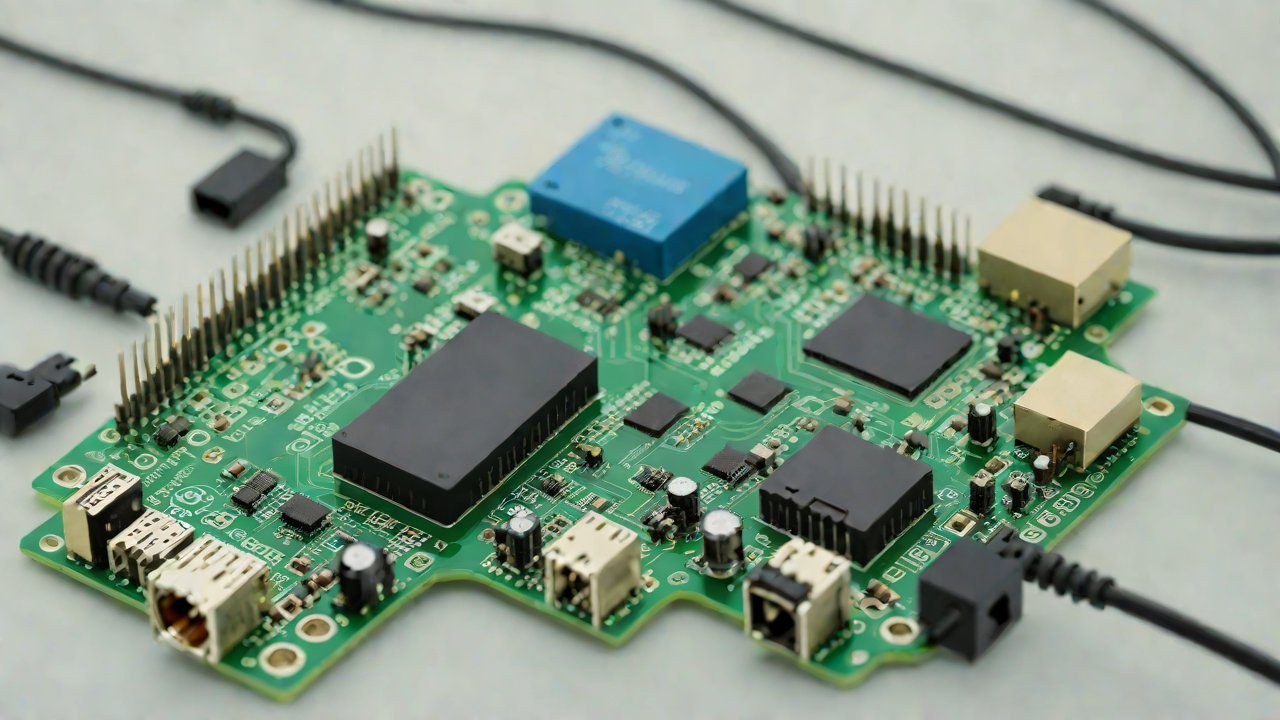
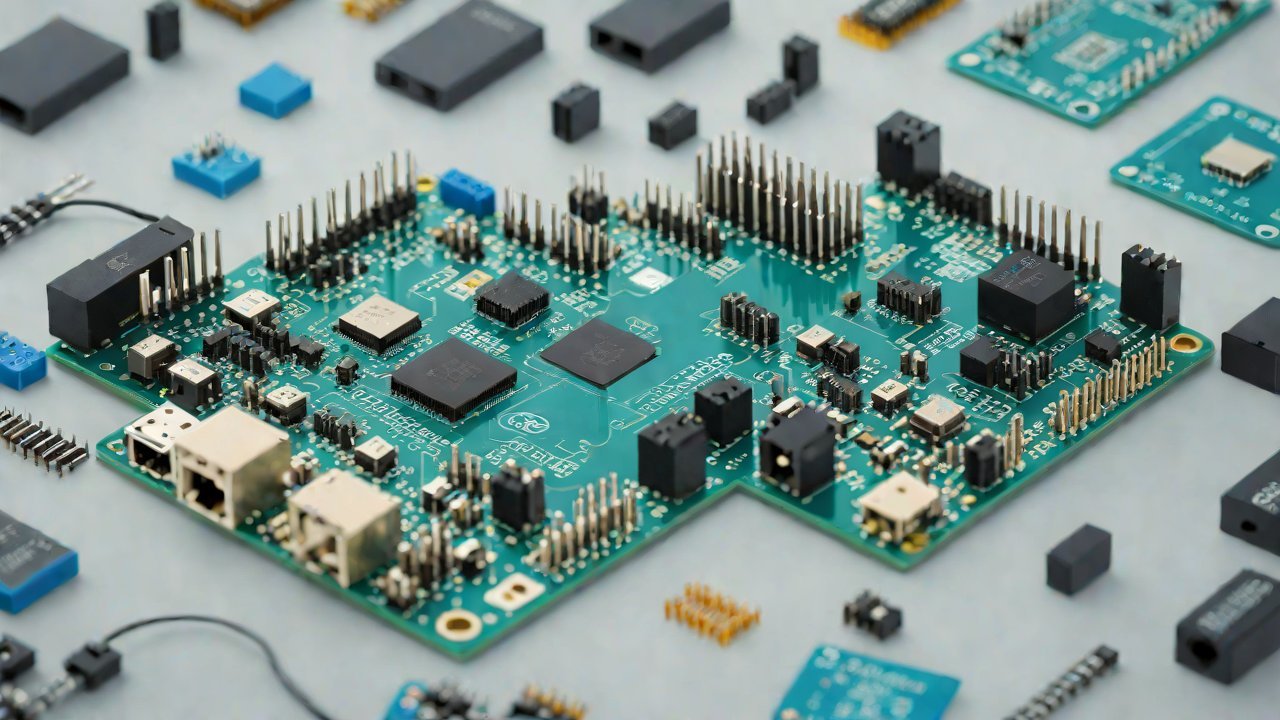
2. Porting Process
Porting mbed OS to the ARM Teaching Platform involves several steps:
2.1 Kernel Modification
The mbed OS kernel must be modified to accommodate the ARM Teaching Platform’s specific requirements, including processor-specific optimizations and peripheral configuration.
2.2 Device Driver Development
Device drivers must be developed to support the ARM Teaching Platform’s peripherals, ensuring seamless communication between the kernel and user applications.
2.3 User Application Support
User applications must be developed to take advantage of the ARM Teaching Platform’s features and mbed OS’s capabilities, ensuring a seamless development experience.
3. Challenges and Considerations
Porting mbed OS to the ARM Teaching Platform is not without its challenges:
3.1 Processor-Specific Optimizations
The ARM Teaching Platform’s processor may require specific optimizations to ensure optimal performance and power efficiency.
3.2 Peripheral Configuration
The platform’s peripherals must be properly configured to ensure compatibility with mbed OS.
3.3 Bootloader Support
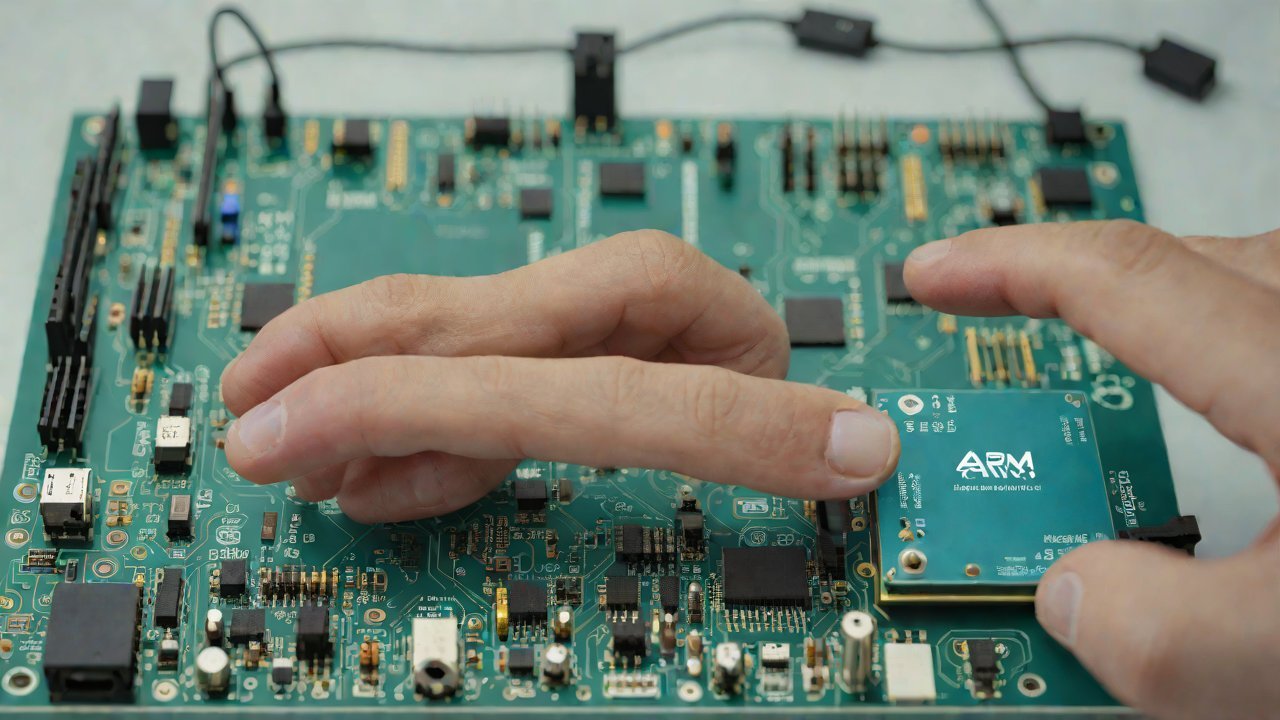
The platform’s bootloader must be compatible with the mbed OS kernel to ensure seamless booting and initialization.
4. Benefits and Advantages
The benefits of porting mbed OS to the ARM Teaching Platform are numerous:
4.1 Seamless Development Experience
Users will enjoy a seamless development experience, leveraging the strengths of both mbed OS and the ARM Teaching Platform.
4.2 Enhanced Productivity
Developers will be able to focus on building and deploying IoT devices, wearables, and other connected products, rather than worrying about low-level platform-specific details.
4.3 Increased Productivity
The combined strengths of mbed OS and the ARM Teaching Platform will enable developers to build more complex and feature-rich applications, driving innovation and growth in the IoT market.
5. Conclusion
Porting mbed OS to the ARM Teaching Platform is a complex task that requires careful consideration of the technical requirements, potential challenges, and benefits. By following the steps outlined in this report, developers can unlock the full potential of the platform and create a powerful development environment for building and deploying IoT devices, wearables, and other connected products.
5.1 Recommendations
Based on the analysis presented in this report, we recommend:
- Developing a comprehensive porting guide to support developers in porting mbed OS to the ARM Teaching Platform.
- Collaborating with ARM and other stakeholders to ensure seamless integration and compatibility between mbed OS and the ARM Teaching Platform.
- Providing ongoing support and maintenance for the ported mbed OS kernel and device drivers to ensure continued compatibility and performance.
By following these recommendations, developers can ensure a successful porting effort, driving innovation and growth in the IoT market.
IOT Cloud Platform
IOT Cloud Platform is an IoT portal established by a Chinese IoT company, focusing on technical solutions in the fields of agricultural IoT, industrial IoT, medical IoT, security IoT, military IoT, meteorological IoT, consumer IoT, automotive IoT, commercial IoT, infrastructure IoT, smart warehousing and logistics, smart home, smart city, smart healthcare, smart lighting, etc.
The IoT Cloud Platform blog is a top IoT technology stack, providing technical knowledge on IoT, robotics, artificial intelligence (generative artificial intelligence AIGC), edge computing, AR/VR, cloud computing, quantum computing, blockchain, smart surveillance cameras, drones, RFID tags, gateways, GPS, 3D printing, 4D printing, autonomous driving, etc.



