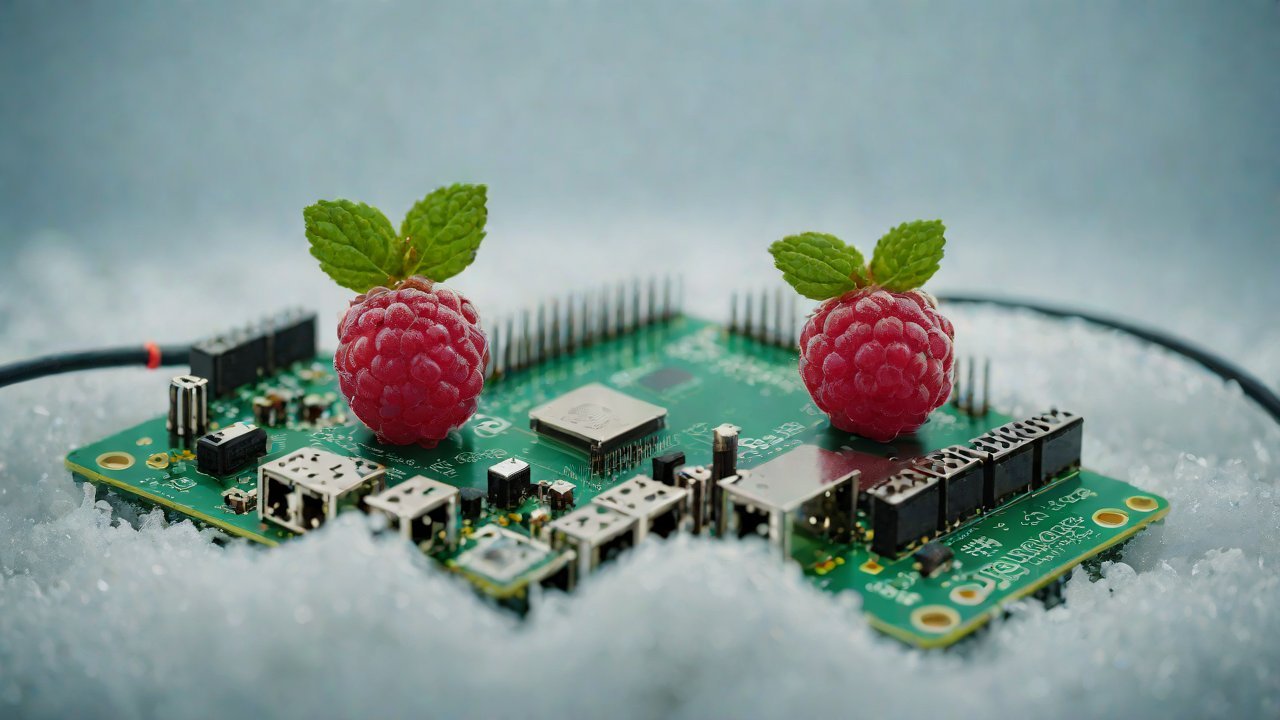
How to Optimize the Stable Operation of Raspberry Pi in an Environment of -20 Degrees Celsius?
Raspberry Pi, a miniature computer designed for education and hobbyist purposes, has gained immense popularity due to its affordability, compact size, and versatility. However, its operation in extreme temperatures poses significant challenges. In this report, we will delve into the intricacies of optimizing the stable operation of Raspberry Pi in an environment with temperatures as low as -20 degrees Celsius.
1. Understanding the Challenges
Raspberry Pi’s operating temperature range is specified between 0°C to 40°C (32°F to 104°F). Operating outside this range can lead to reduced performance, data corruption, and even hardware failure. At -20°C (-4°F), the device’s components are subjected to significant stress, which can compromise its functionality.
Temperature-Related Issues
| Issue | Description |
|---|---|
| Capacitor Degradation | High temperature fluctuations cause capacitors to degrade, leading to reduced capacitance values and decreased performance. |
| Electronic Component Failure | Extreme temperatures accelerate the degradation of electronic components, increasing the likelihood of failure. |
| Data Corruption | Temperature-related issues can lead to data corruption, resulting in lost work and compromised system stability. |
2. Preparing the Raspberry Pi for Operation at -20°C
To ensure stable operation at -20°C, it is essential to prepare the device beforehand.
Hardware Upgrades
| Component | Recommended Upgrade |
|---|---|
| Power Supply | High-quality power supply with a wide temperature range (-40°C to 85°C) |
| Cooling System | External heat sink or liquid cooling system for efficient heat dissipation |
3. Optimizing Operating Systems and Software
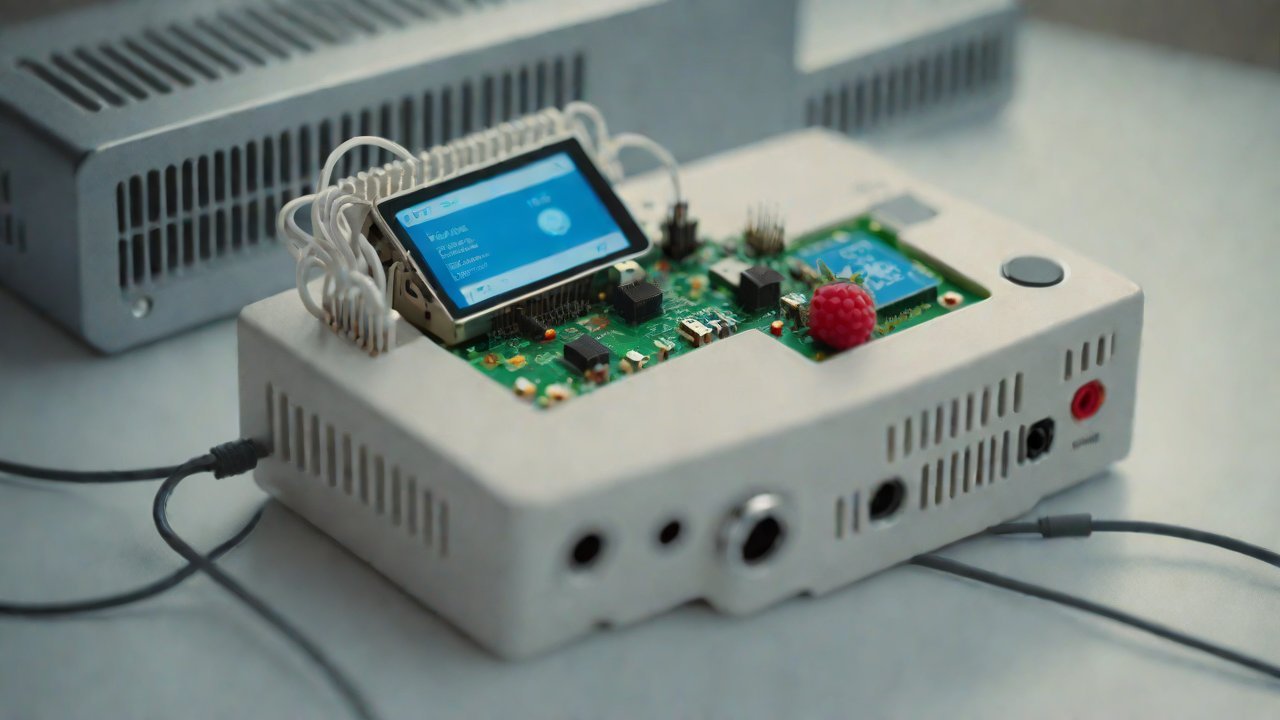
The operating system and software play a crucial role in maintaining the Raspberry Pi’s stability at -20°C.
OS Configuration
| Parameter | Recommended Setting |
|---|---|
| CPU Frequency Scaling | Set to “ondemand” or “performance” governor for optimal performance |
| Governor | Configure the governor to scale down CPU frequency when temperatures rise |
4. Power Management and Voltage Regulation
Effective power management is critical in maintaining stable operation at -20°C.
Power Supply Configuration
| Parameter | Recommended Setting |
|---|---|
| Voltage Regulator | Use a high-quality voltage regulator with a wide temperature range (-40°C to 85°C) |
| Overvoltage Protection | Enable overvoltage protection to prevent damage from voltage spikes |
5. Cooling System Design and Implementation
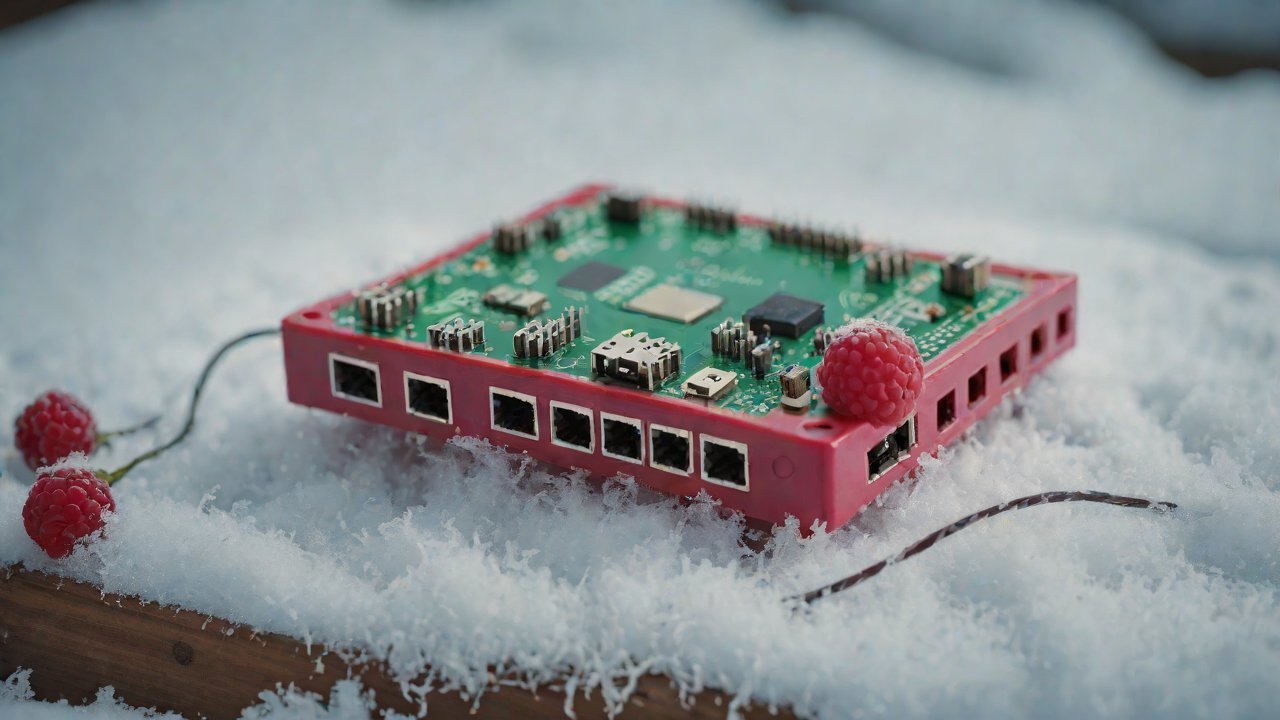
A well-designed cooling system is essential for maintaining the Raspberry Pi’s operating temperature within the specified range.
Cooling System Configuration
| Component | Recommended Specification |
|---|---|
| Heat Sink | High-performance heat sink with a large surface area (e.g., Wraith Prestige) |
| Fan Speed | Set fan speed to 100% or adjust according to system load and temperature |
6. Monitoring and Maintenance
Regular monitoring and maintenance are crucial in ensuring the Raspberry Pi’s stable operation at -20°C.
Monitoring Parameters
| Parameter | Recommended Thresholds |
|---|---|
| Temperature | Monitor temperatures between -10°C and 40°C (14°F to 104°F) |
| CPU Frequency Scaling | Monitor CPU frequency scaling for optimal performance |
7. Conclusion
Optimizing the stable operation of Raspberry Pi in an environment with temperatures as low as -20°C requires careful consideration of hardware upgrades, OS configuration, power management, cooling system design, and monitoring parameters. By following the guidelines outlined in this report, users can ensure reliable and efficient operation of their Raspberry Pi devices even in extreme temperature conditions.
Recommendations for Future Research
| Area | Description |
|---|---|
| Advanced Cooling System Design | Investigate novel cooling systems, such as phase change materials or advanced heat pipes, to improve thermal performance |
| Power Management Algorithms | Develop sophisticated power management algorithms that dynamically adjust voltage and frequency based on system load and temperature |
By addressing these areas of research, users can further enhance the reliability and stability of their Raspberry Pi devices in extreme temperature environments.
IOT Cloud Platform
IOT Cloud Platform is an IoT portal established by a Chinese IoT company, focusing on technical solutions in the fields of agricultural IoT, industrial IoT, medical IoT, security IoT, military IoT, meteorological IoT, consumer IoT, automotive IoT, commercial IoT, infrastructure IoT, smart warehousing and logistics, smart home, smart city, smart healthcare, smart lighting, etc.
The IoT Cloud Platform blog is a top IoT technology stack, providing technical knowledge on IoT, robotics, artificial intelligence (generative artificial intelligence AIGC), edge computing, AR/VR, cloud computing, quantum computing, blockchain, smart surveillance cameras, drones, RFID tags, gateways, GPS, 3D printing, 4D printing, autonomous driving, etc.