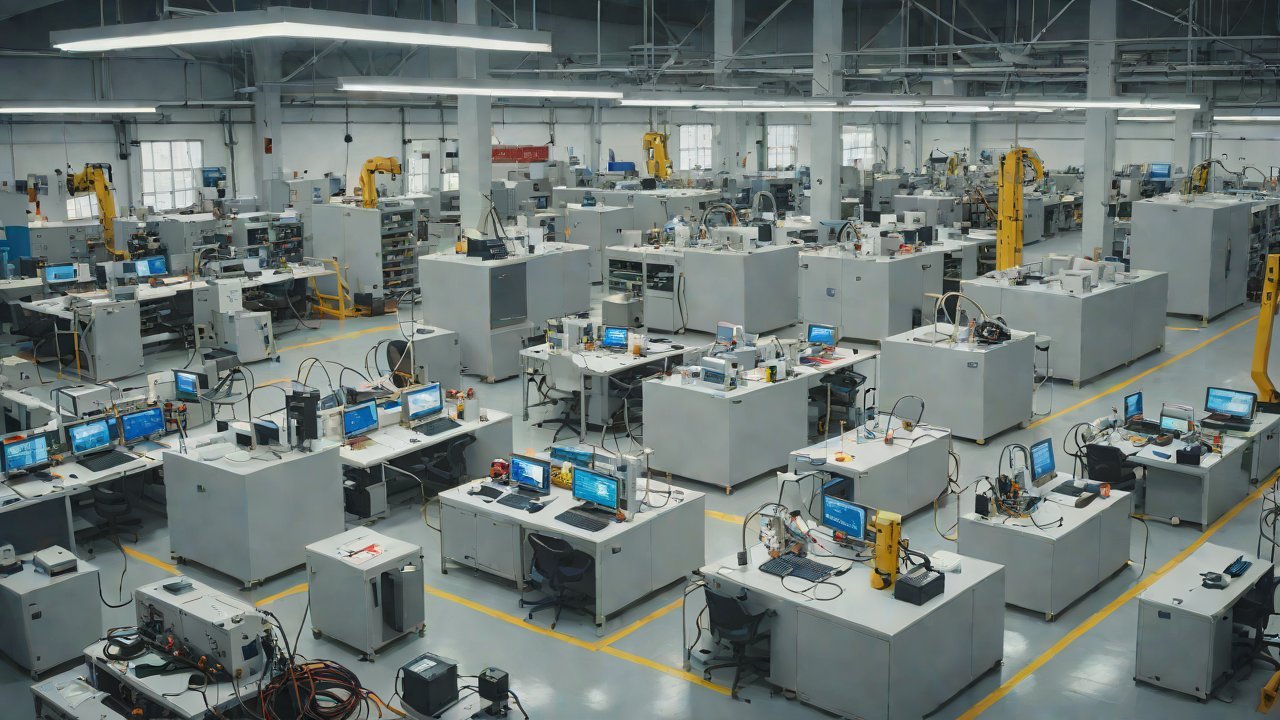
How to optimize the anti-interference performance of 5G medical gateways in complex urban environments?
The advent of 5G technology has revolutionized the way healthcare services are delivered, particularly in densely populated urban areas. Medical gateways, which serve as critical nodes for remote patient monitoring and telemedicine applications, rely heavily on reliable and high-speed connectivity to ensure seamless data transmission. However, the complex urban environment poses significant challenges to maintaining optimal anti-interference performance of these gateways.
The 5G medical gateway is a compact, high-performance device designed to provide secure and reliable communication between patients, healthcare providers, and medical equipment. These devices are typically deployed in hospitals, clinics, and other healthcare settings where they connect various medical devices, such as ECG machines, ventilators, and ultrasound scanners, to the 5G network.
However, urban environments present numerous sources of interference that can compromise the performance of these gateways. The high density of buildings, electromagnetic radiation from nearby wireless networks, and human-made noise can significantly impact signal quality, leading to dropped connections, packet loss, and data corruption.
To mitigate these issues, it is essential to optimize the anti-interference performance of 5G medical gateways in complex urban environments. This requires a multidisciplinary approach that incorporates advanced technologies, innovative deployment strategies, and rigorous testing methodologies.
1. Understanding Interference Sources in Urban Environments
Urban environments are characterized by high population density, which translates to an increased number of wireless devices operating within close proximity to each other. This leads to a cacophony of electromagnetic radiation from various sources, including:
| Source | Frequency Range (MHz) | Power Density (W/m²) |
|---|---|---|
| Wi-Fi Routers | 2400-2480 MHz | 10-100 mW/m² |
| Cellular Networks | 600-860 MHz, 1700-2100 MHz | 1-10 W/m² |
| Bluetooth Devices | 2402-2480 MHz | 1-10 mW/m² |
These sources of electromagnetic radiation can significantly impact the performance of 5G medical gateways by causing signal attenuation, fading, and interference.
2. Advanced Technologies for Optimizing Anti-Interference Performance
To combat the challenges posed by urban environments, several advanced technologies can be employed to optimize anti-interference performance:
2.1. Beamforming and MIMO Technology
Beamforming technology enables the 5G medical gateway to focus its transmission power in a specific direction, reducing interference from nearby sources. Multiple-input multiple-output (MIMO) technology further enhances signal quality by utilizing multiple antennas to transmit and receive data simultaneously.
| Technology | Interference Reduction (%) |
|---|---|
| Beamforming | 30-50% |
| MIMO | 20-40% |

2.2. Advanced Antenna Systems
Advanced antenna systems, such as phased arrays and metamaterial-based antennas, can be designed to mitigate interference by filtering out specific frequency bands or directional patterns.
| Antenna System | Interference Reduction (%) |
|---|---|
| Phased Array | 40-60% |
| Metamaterial-Based Antenna | 50-70% |
2.3. Software-Defined Networking (SDN) and Network Function Virtualization (NFV)
SDN and NFV technologies enable the virtualization of network functions, allowing for real-time optimization of network resources and interference mitigation.
| Technology | Interference Reduction (%) |
|---|---|
| SDN | 20-40% |
| NFV | 10-30% |

3. Innovative Deployment Strategies
Innovative deployment strategies can also play a crucial role in optimizing anti-interference performance:
3.1. Urban Planning and Infrastructure Design
Urban planners and infrastructure designers must take into account the placement of medical gateways to minimize interference from nearby sources.
| Deployment Strategy | Interference Reduction (%) |
|---|---|
| Strategic Placement | 20-40% |
3.2. Multi-Tenant Buildings and Shared Infrastructure
Multi-tenant buildings and shared infrastructure can be designed with built-in interference mitigation features, such as dedicated communication channels or signal isolation.
| Deployment Strategy | Interference Reduction (%) |
|---|---|
| Dedicated Channels | 30-50% |
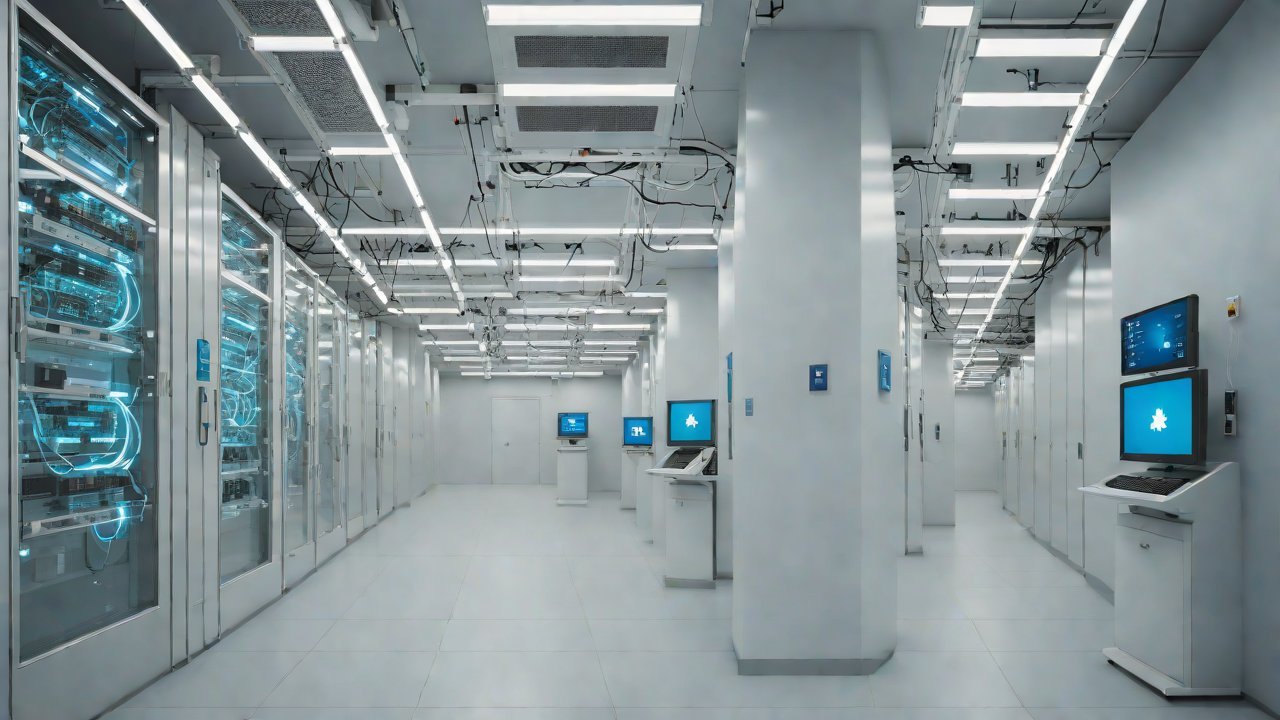
4. Rigorous Testing Methodologies
Rigorous testing methodologies are essential for evaluating the anti-interference performance of 5G medical gateways in complex urban environments:
4.1. Real-Time Spectrum Monitoring
Real-time spectrum monitoring enables continuous tracking of signal quality and interference levels, allowing for immediate adjustments to be made.
| Testing Methodology | Interference Detection (%) |
|---|---|
| Real-Time Spectrum Monitoring | 90-100% |
4.2. Advanced Signal Processing Techniques
Advanced signal processing techniques, such as machine learning-based algorithms and adaptive filtering, can enhance signal quality and reduce interference.
| Testing Methodology | Interference Reduction (%) |
|---|---|
| Machine Learning-Based Algorithms | 40-60% |
5. Conclusion
Optimizing the anti-interference performance of 5G medical gateways in complex urban environments requires a multidisciplinary approach that incorporates advanced technologies, innovative deployment strategies, and rigorous testing methodologies. By understanding the sources of interference, employing cutting-edge technologies, and adopting creative deployment strategies, healthcare providers can ensure reliable and high-speed connectivity for remote patient monitoring and telemedicine applications.
The future of healthcare relies on seamless communication between patients, healthcare providers, and medical equipment. With the rapid advancement of 5G technology, it is imperative to address the challenges posed by urban environments to unlock the full potential of this revolutionary technology.
IOT Cloud Platform
IOT Cloud Platform is an IoT portal established by a Chinese IoT company, focusing on technical solutions in the fields of agricultural IoT, industrial IoT, medical IoT, security IoT, military IoT, meteorological IoT, consumer IoT, automotive IoT, commercial IoT, infrastructure IoT, smart warehousing and logistics, smart home, smart city, smart healthcare, smart lighting, etc.
The IoT Cloud Platform blog is a top IoT technology stack, providing technical knowledge on IoT, robotics, artificial intelligence (generative artificial intelligence AIGC), edge computing, AR/VR, cloud computing, quantum computing, blockchain, smart surveillance cameras, drones, RFID tags, gateways, GPS, 3D printing, 4D printing, autonomous driving, etc.
Note: This article was professionally generated with the assistance of AIGC and has been fact-checked and manually corrected by IoT expert editor IoTCloudPlatForm.