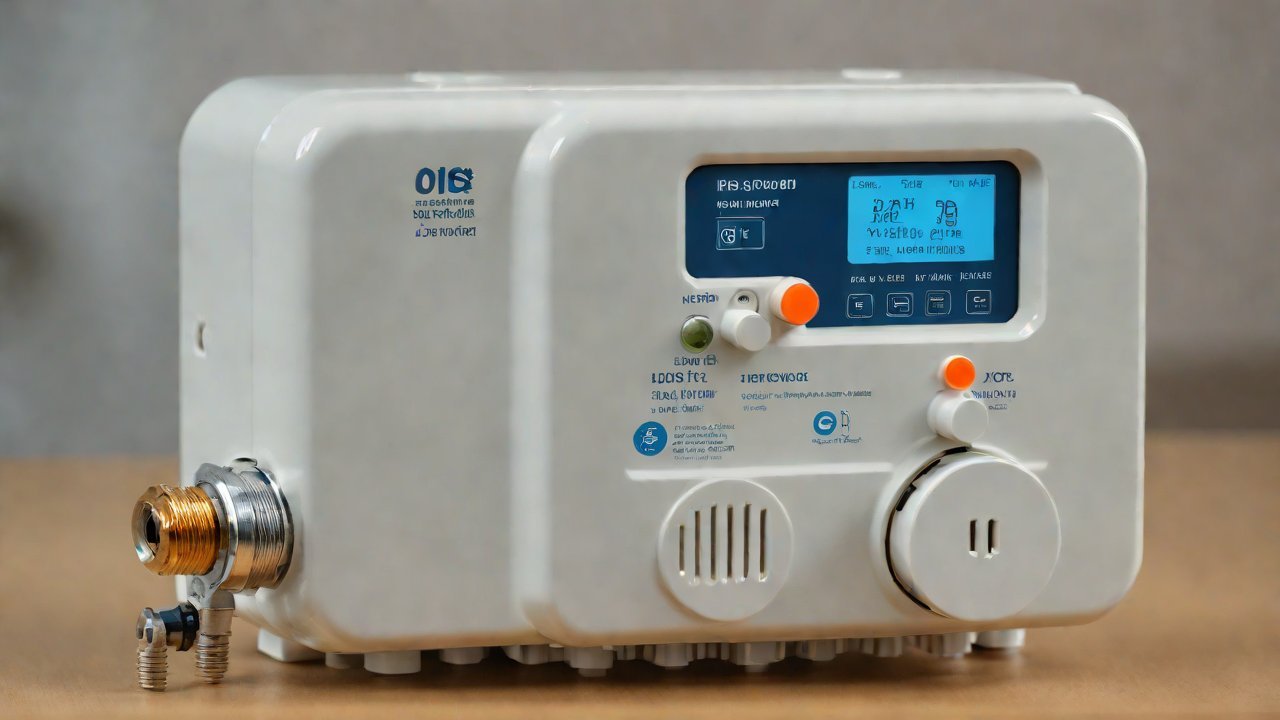
How to Open the Valve of an NB IoT Smart Gas Meter?
Opening the valve of an NB IoT smart gas meter is a complex process that requires a deep understanding of both technical and regulatory aspects. The device, designed for industrial automation and energy management applications, integrates advanced technologies such as Narrowband Internet of Things (NB-IoT) connectivity and sensor capabilities to provide real-time monitoring and control of gas consumption.
The valve opening mechanism in these meters often involves intricate procedures and precautions due to the sensitive nature of gas handling. This report aims to provide a comprehensive guide for utility companies, maintenance personnel, and other stakeholders involved in the deployment and management of NB IoT smart gas meters.
1. Initial Assessment
Before attempting to open the valve on an NB IoT smart gas meter, it’s crucial to perform a thorough assessment of the device’s status and configuration. This includes:
- Device Status: Ensure that the meter is properly powered and connected to its communication network.
- Gas Type: Identify the type of gas being measured (e.g., natural gas, propane) to determine the appropriate safety procedures.
- Configuration Settings: Review the device’s configuration settings for any specific instructions or warnings related to valve operation.
1.1 Device Configuration
The following table outlines common configuration parameters that may impact valve operation:
| Parameter | Description |
|---|---|
| Meter Mode | Determines whether the meter is in measurement, calibration, or maintenance mode. |
| Gas Type | Specifies the type of gas being measured. |
| Pressure Thresholds | Sets pressure limits for alarm and shutdown conditions. |
2. Safety Precautions
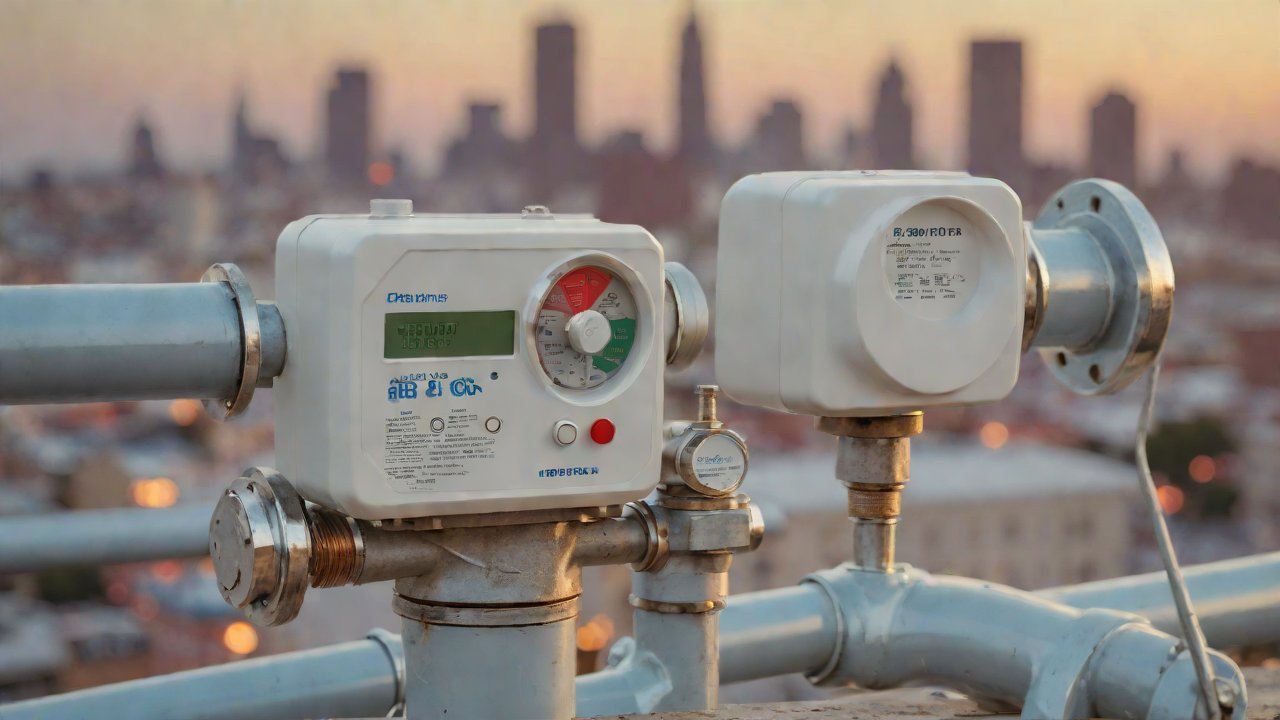
Opening the valve on an NB IoT smart gas meter poses risks related to gas leakage, explosion, and personal injury. Critical safety considerations include:
- Personal Protective Equipment (PPE): Ensure that maintenance personnel wear appropriate PPE, including gloves, safety glasses, and a gas mask.
- Ventilation: Provide adequate ventilation in the surrounding area to prevent gas accumulation.
- Emergency Procedures: Establish emergency procedures for gas leaks or other incidents.
2.1 Safety Equipment
The following table lists essential safety equipment required for valve operation:
| Equipment | Description |
|---|---|
| Gas Mask | Protects against inhalation of gases. |
| Safety Glasses | Prevents eye damage from gas leakage or spills. |
| Gloves | Prevents skin contact with gas and provides grip when handling tools. |
3. Valve Operation Procedure
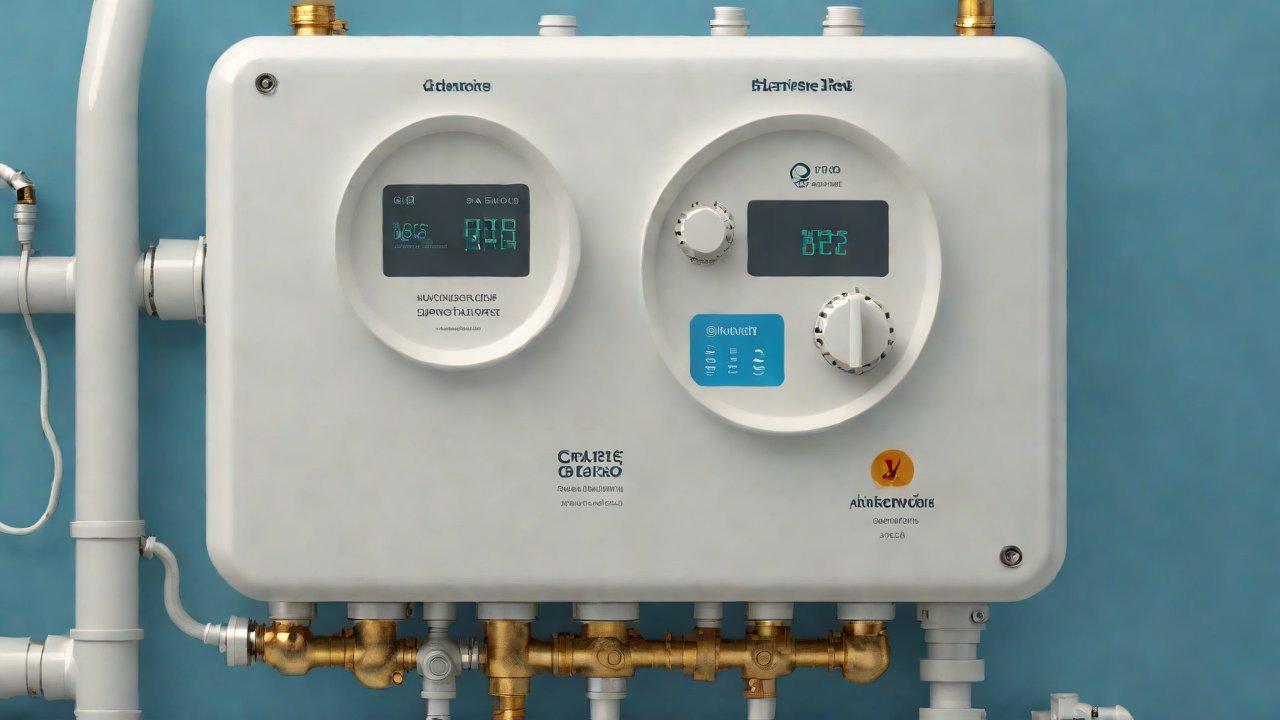
Once the initial assessment, safety precautions are in place, follow these steps to open the valve:
- Power Down: Switch off power to the meter to prevent any accidental starts or electrical shocks.
- Remove Cover: Carefully remove the cover plate to access the valve mechanism.
- Disconnect Sensors: Disconnect any connected sensors to ensure safe operation during valve opening.
- Turn Valve Handle: Rotate the valve handle clockwise to open the valve.
3.1 Troubleshooting
Common issues that may arise during valve operation include:
| Issue | Cause | Solution |
|---|---|---|
| Valve stuck | Incorrect configuration or dirt accumulation | Consult user manual for troubleshooting steps. |
4. Post-Operation Procedures
After opening the valve, perform the following post-operation procedures to ensure safe and efficient meter operation:
- Reconnect Sensors: Reconnect any disconnected sensors.
- Verify Configuration: Review device configuration settings to confirm that they are correct.
- Monitor Device Status: Continuously monitor the device’s status for any signs of malfunction or gas leakage.
4.1 Regular Maintenance
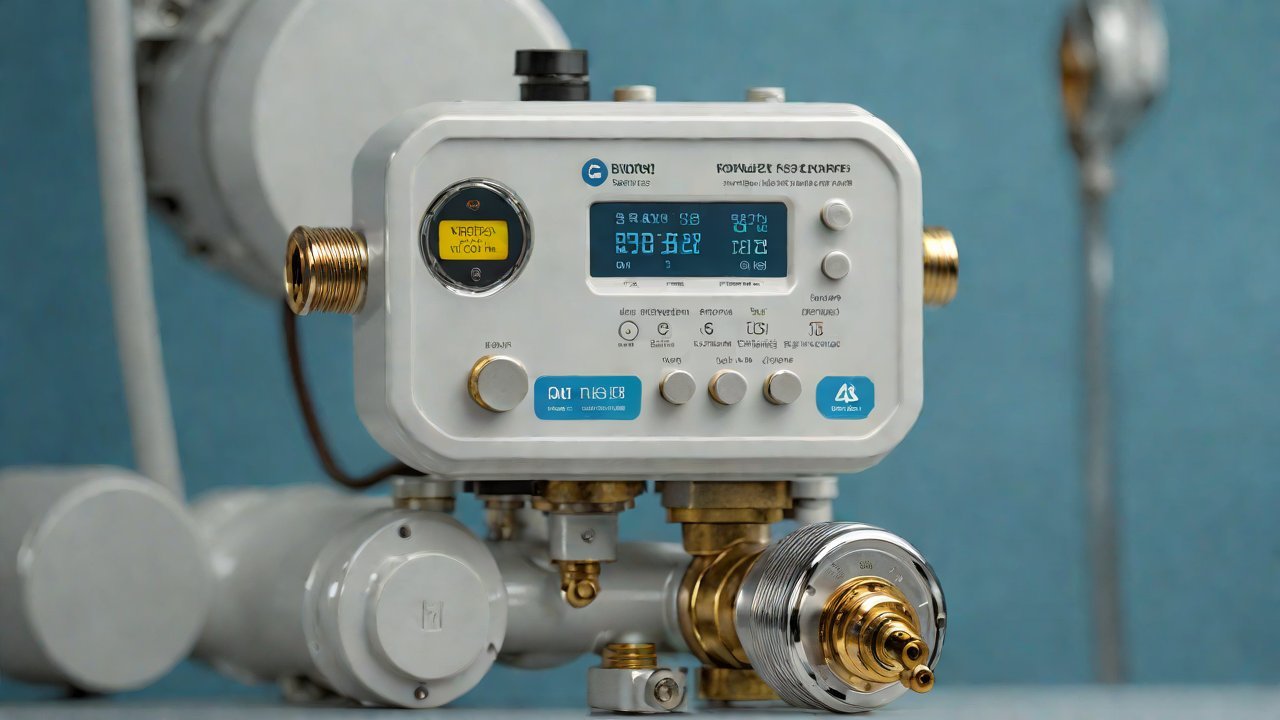
Regular maintenance is crucial to ensure the continued operation and accuracy of NB IoT smart gas meters. Schedule regular inspections, calibrations, and software updates as necessary.
5. Regulatory Compliance
Compliance with local regulations and industry standards is essential for safe and efficient meter operation. Familiarize yourself with relevant laws and guidelines, such as:
- API Standard 2510: Covers the design, construction, installation, and maintenance of gas processing plants.
- ASME B31.8: Provides guidelines for piping systems.
5.1 Regulatory Requirements
The following table outlines key regulatory requirements related to valve operation:
| Regulation | Description |
|---|---|
| API Standard 2510 | Requires regular inspections and maintenance of gas processing equipment. |
| ASME B31.8 | Specifies design, installation, and testing requirements for piping systems. |
6. Conclusion
Opening the valve on an NB IoT smart gas meter is a complex process that requires meticulous attention to detail, adherence to safety protocols, and compliance with regulatory standards. By following this guide, utility companies, maintenance personnel, and other stakeholders can ensure safe and efficient operation of these devices.
This report aims to provide a comprehensive resource for those responsible for the deployment and management of NB IoT smart gas meters. However, it is essential to consult the manufacturer’s documentation and relevant industry guidelines for specific requirements related to valve operation.
IOT Cloud Platform
IOT Cloud Platform is an IoT portal established by a Chinese IoT company, focusing on technical solutions in the fields of agricultural IoT, industrial IoT, medical IoT, security IoT, military IoT, meteorological IoT, consumer IoT, automotive IoT, commercial IoT, infrastructure IoT, smart warehousing and logistics, smart home, smart city, smart healthcare, smart lighting, etc.
The IoT Cloud Platform blog is a top IoT technology stack, providing technical knowledge on IoT, robotics, artificial intelligence (generative artificial intelligence AIGC), edge computing, AR/VR, cloud computing, quantum computing, blockchain, smart surveillance cameras, drones, RFID tags, gateways, GPS, 3D printing, 4D printing, autonomous driving, etc.