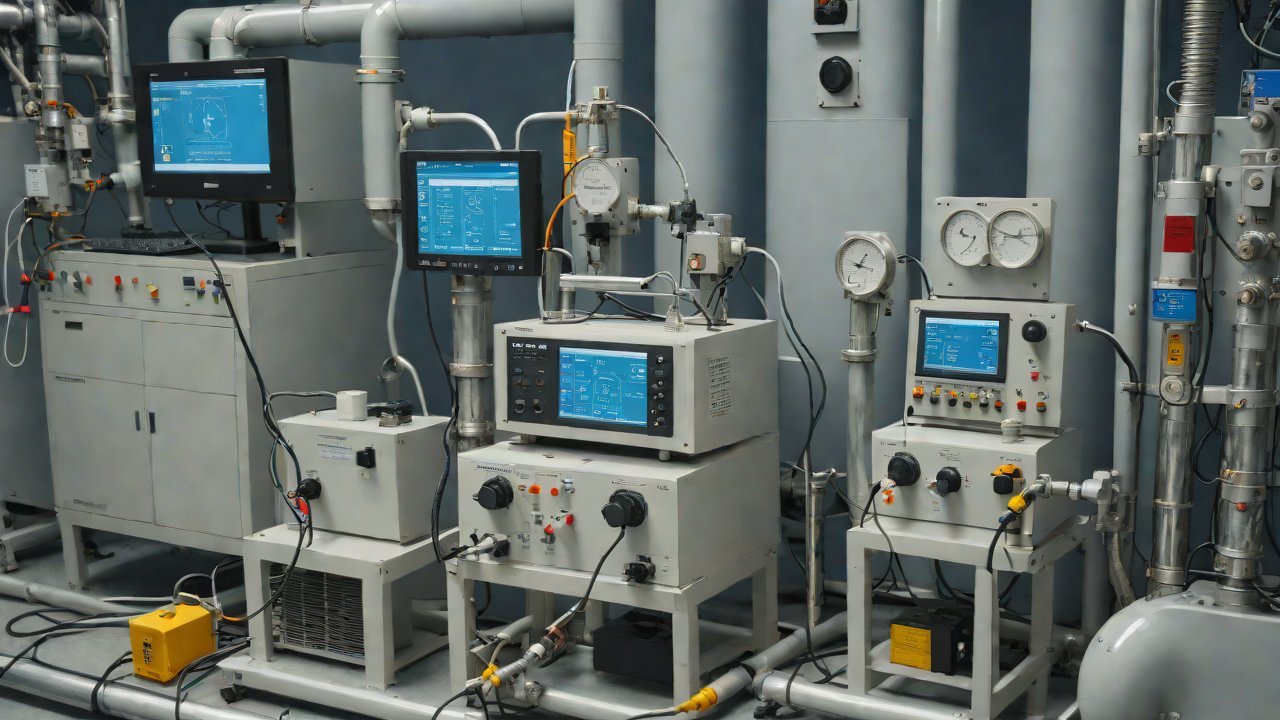
How to Fix the Problem of Unstable Sensor Sampling Flow Due to Air Pump Aging?
The air pump, a critical component in many industrial and commercial applications, is responsible for ensuring a stable flow of sampling gas to sensors. However, as these pumps age, their performance can degrade significantly, leading to unstable sensor sampling flows. This problem is particularly prevalent in industries such as chemical processing, power generation, and oil refining, where precise control over gas composition and flow rates is essential.
The consequences of air pump aging on sensor sampling flows can be severe, resulting in reduced accuracy, increased downtime, and costly repairs. Moreover, the instability introduced by aged pumps can lead to false alarms, decreased productivity, and compromised product quality. In this report, we will delve into the causes of unstable sensor sampling flows due to air pump aging, explore the impact on various industries, and provide actionable recommendations for mitigation and resolution.
1. Causes of Unstable Sensor Sampling Flows Due to Air Pump Aging
The degradation of air pumps over time is a multifaceted issue, attributed to several factors:
| Factor | Description |
|---|---|
| Wear and Tear | Mechanical components, such as seals, bearings, and valves, deteriorate with use. |
| Corrosion | Exposure to corrosive substances in the sampling gas can damage pump materials. |
| Contamination | Debris or particulate matter in the pump’s internal passages can cause blockages. |
| Electrical Issues | Age-related electrical failures, such as motor windings or control system malfunctions. |
These factors contribute to a decline in air pump performance, leading to unstable sensor sampling flows.
2. Impact on Various Industries
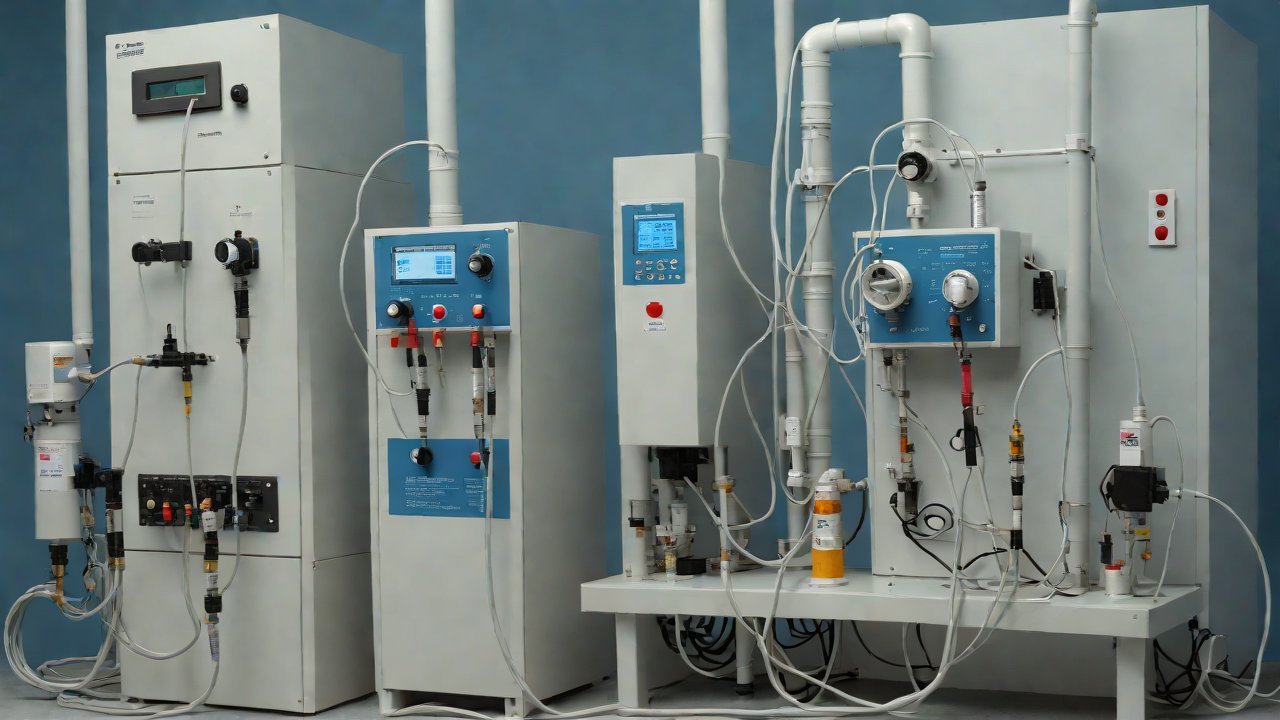
The effects of air pump aging are far-reaching and can be observed across various industries:
| Industry | Consequences of Unstable Sensor Sampling Flows |
|---|---|
| Chemical Processing | Reduced accuracy in gas composition analysis, leading to suboptimal process control and decreased product quality. |
| Power Generation | Decreased efficiency in fuel combustion monitoring, resulting in increased energy consumption and emissions. |
| Oil Refining | Compromised crude oil quality analysis, affecting the entire refining process and ultimately impacting product yields and profitability. |
These industries rely heavily on precise gas composition measurements, making them particularly vulnerable to air pump aging-related issues.
3. Mitigation Strategies
To mitigate the effects of air pump aging, consider the following strategies:
| Mitigation Strategy | Description |
|---|---|
| Regular Maintenance | Schedule regular inspections and maintenance to identify potential issues before they become critical. |
| Replacement Scheduling | Plan for timely replacement of air pumps to minimize downtime and ensure optimal performance. |
| Redundancy | Implement backup systems or duplicate sampling lines to maintain continuous operation in the event of a pump failure. |
4. Resolution Approaches
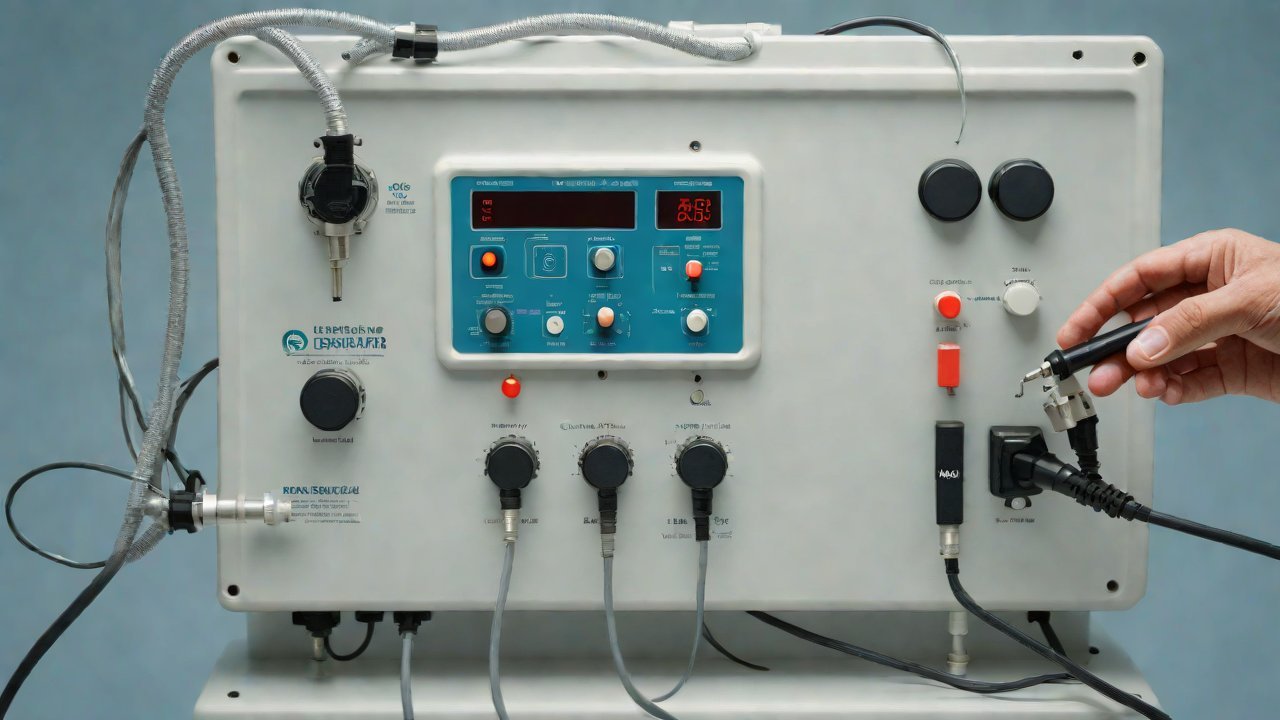
To resolve unstable sensor sampling flows caused by air pump aging, consider the following approaches:
| Resolution Approach | Description |
|---|---|
| Pump Replacement | Replace aged pumps with new ones, ensuring compatibility and optimal performance. |
| System Upgrades | Upgrade existing systems to incorporate more advanced and reliable air pumps. |
| Calibration and Validation | Regularly calibrate and validate sensors to ensure accurate measurements despite pump degradation. |
5. Best Practices for Air Pump Maintenance
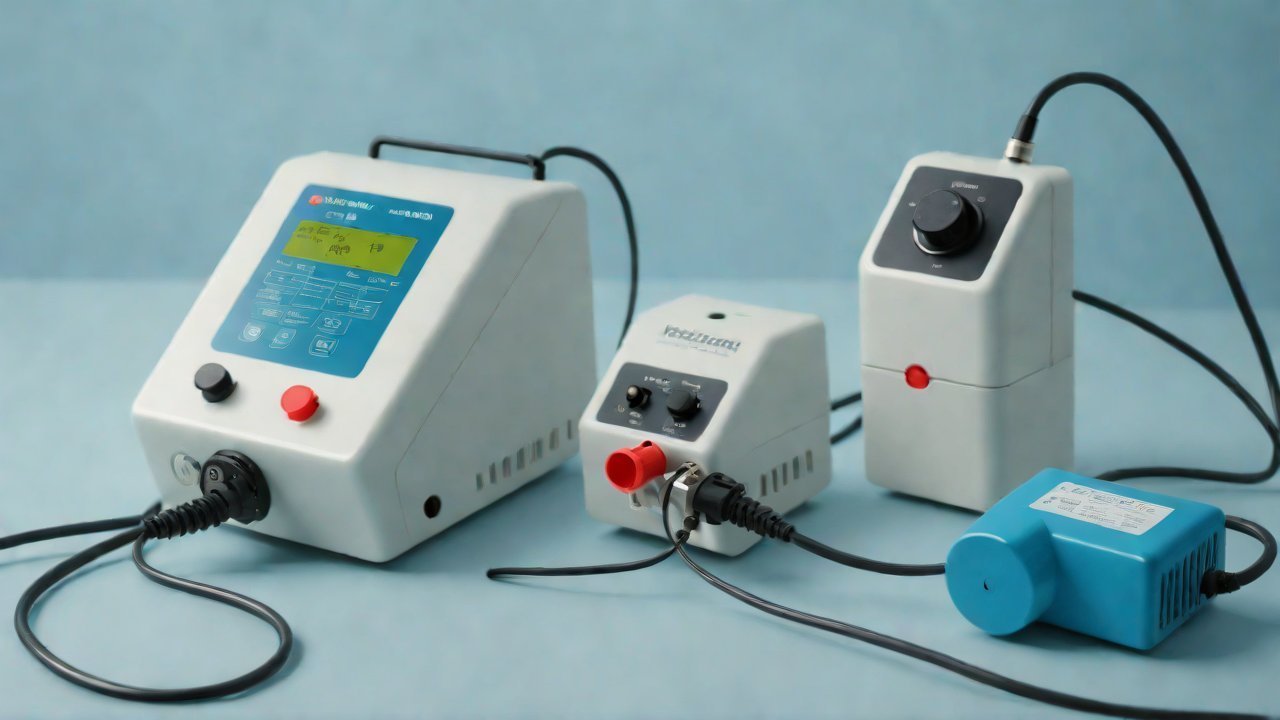
To prevent or minimize the effects of air pump aging, follow these best practices:
| Best Practice | Description |
|---|---|
| Monitoring and Record-Keeping | Regularly monitor pump performance and maintain detailed records to track maintenance activities and identify potential issues early. |
| Training and Awareness | Educate personnel on air pump operation, maintenance, and troubleshooting to ensure prompt response to issues. |
| Standard Operating Procedures (SOPs) | Develop and enforce SOPs for regular inspections, maintenance, and replacement of air pumps. |
By incorporating these best practices into your operations, you can minimize the risks associated with air pump aging and maintain stable sensor sampling flows.
6. Conclusion
The problem of unstable sensor sampling flows due to air pump aging is a complex issue that requires proactive management. By understanding the causes, impacts, and mitigation strategies outlined in this report, industries can take steps towards resolving this challenge and ensuring optimal performance. Regular maintenance, replacement scheduling, redundancy, and best practices for air pump maintenance are key to preventing or minimizing the effects of air pump aging.
In conclusion, addressing air pump aging-related issues is essential for maintaining accurate sensor measurements, reducing downtime, and increasing productivity across various industries. By prioritizing proactive management and implementing effective mitigation strategies, organizations can mitigate the risks associated with this problem and ensure continuous operation.
IOT Cloud Platform
IOT Cloud Platform is an IoT portal established by a Chinese IoT company, focusing on technical solutions in the fields of agricultural IoT, industrial IoT, medical IoT, security IoT, military IoT, meteorological IoT, consumer IoT, automotive IoT, commercial IoT, infrastructure IoT, smart warehousing and logistics, smart home, smart city, smart healthcare, smart lighting, etc.
The IoT Cloud Platform blog is a top IoT technology stack, providing technical knowledge on IoT, robotics, artificial intelligence (generative artificial intelligence AIGC), edge computing, AR/VR, cloud computing, quantum computing, blockchain, smart surveillance cameras, drones, RFID tags, gateways, GPS, 3D printing, 4D printing, autonomous driving, etc.
Note: This article was professionally generated with the assistance of AIGC and has been fact-checked and manually corrected by IoT expert editor IoTCloudPlatForm.
