
How to Fix Bioelectrical Signal Noise Issues Caused by Poor Sensor Skin Contact?
Bioelectrical signal noise caused by poor sensor skin contact is a pervasive issue in various fields, including healthcare, sports science, and consumer electronics. The root cause of this problem lies in the imperfect interface between the sensor and the skin, leading to signal degradation, inaccuracies, and reduced device reliability. As the demand for wearable technology and non-invasive monitoring solutions continues to grow, it is essential to address these issues effectively.
1. Understanding Bioelectrical Signal Noise
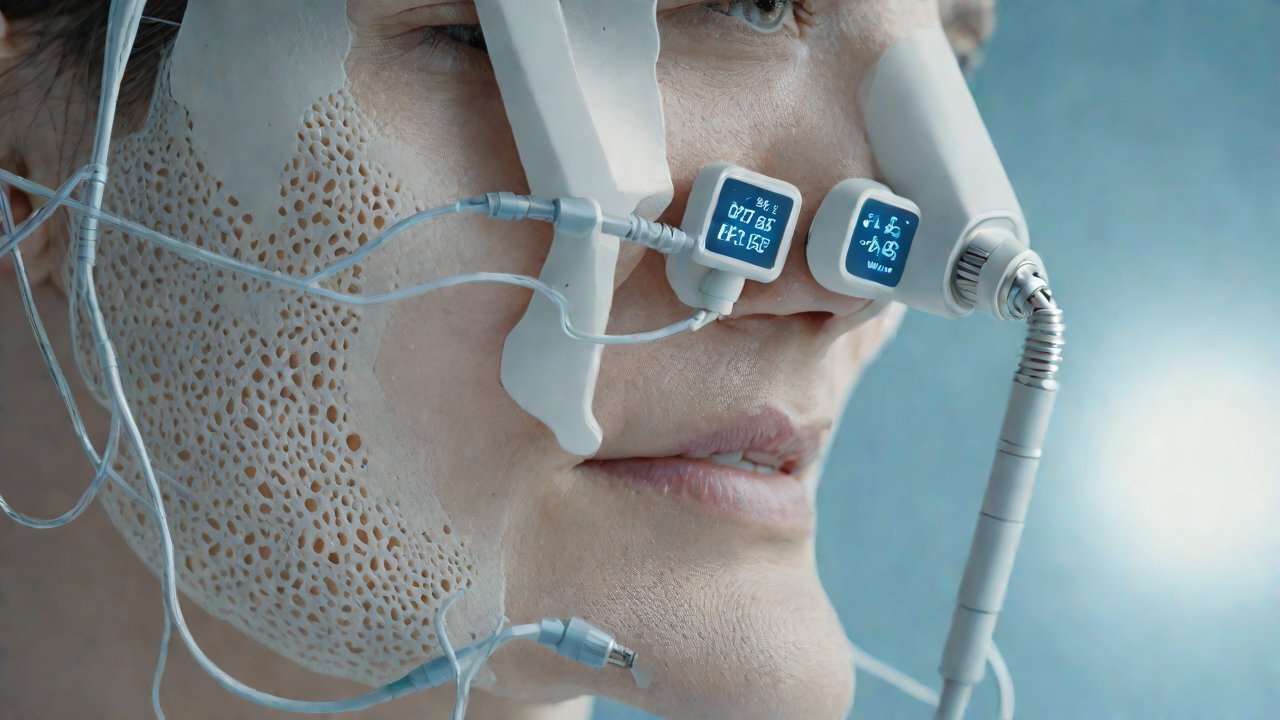
Bioelectrical signals are generated by electrical activity within the human body, such as muscle contractions, heartbeats, or brain waves. These signals can be measured using various sensors and electrodes, which capture the subtle changes in skin potential and resistance. However, when sensor skin contact is poor, the resulting bioelectrical signal noise can compromise device performance and accuracy.
1.1 Types of Bioelectrical Signal Noise
There are two primary types of bioelectrical signal noise: electrical noise and motion artifact (MA). Electrical noise arises from external sources such as electromagnetic interference (EMI), power line noise, or equipment malfunctions, while MA is caused by voluntary or involuntary movements that disrupt the sensor-skin interface.
1.2 Effects of Bioelectrical Signal Noise
Bioelectrical signal noise can have significant consequences on device performance and user experience. Some common effects include:
| Effect | Description |
|---|---|
| Inaccurate readings | Deviations from true values due to noisy signals |
| Reduced reliability | Increased likelihood of equipment failure or malfunction |
| User frustration | Discomfort, inconvenience, or dissatisfaction with device performance |

2. Causes and Contributing Factors
Poor sensor skin contact is often the primary cause of bioelectrical signal noise. Other contributing factors include:
2.1 Sensor Design and Materials
- Inadequate electrode size, shape, or material
- Insufficient skin-sensor interface area
- Use of non-conductive materials or coatings
2.2 User Factors
- Skin type (dry, oily, sensitive)
- Hair density or presence of body hair
- Moisture levels on the skin surface
- Movement or activity during measurement
2.3 Environmental Conditions
- Temperature and humidity fluctuations
- Electromagnetic interference from nearby devices
- Lighting conditions (e.g., direct sunlight, fluorescent lighting)
3. Strategies for Improving Sensor Skin Contact
To mitigate bioelectrical signal noise caused by poor sensor skin contact, several strategies can be employed:
3.1 Optimizing Sensor Design and Materials
- Using conductive materials or coatings to enhance electrode-skin interface
- Increasing electrode size or number to improve skin coverage
- Incorporating ergonomic design features for comfortable wear
3.2 Enhancing User Experience
- Educating users on proper sensor placement and usage
- Developing user-friendly interfaces for easy device operation
- Providing guidelines for optimal skin preparation (e.g., moisturizing, shaving)
3.3 Mitigating Environmental Factors
- Designing devices with built-in shielding or filtering to reduce EMI
- Implementing algorithms to account for temperature and humidity fluctuations
- Using lighting conditions that minimize signal degradation
4. Emerging Technologies and Innovations
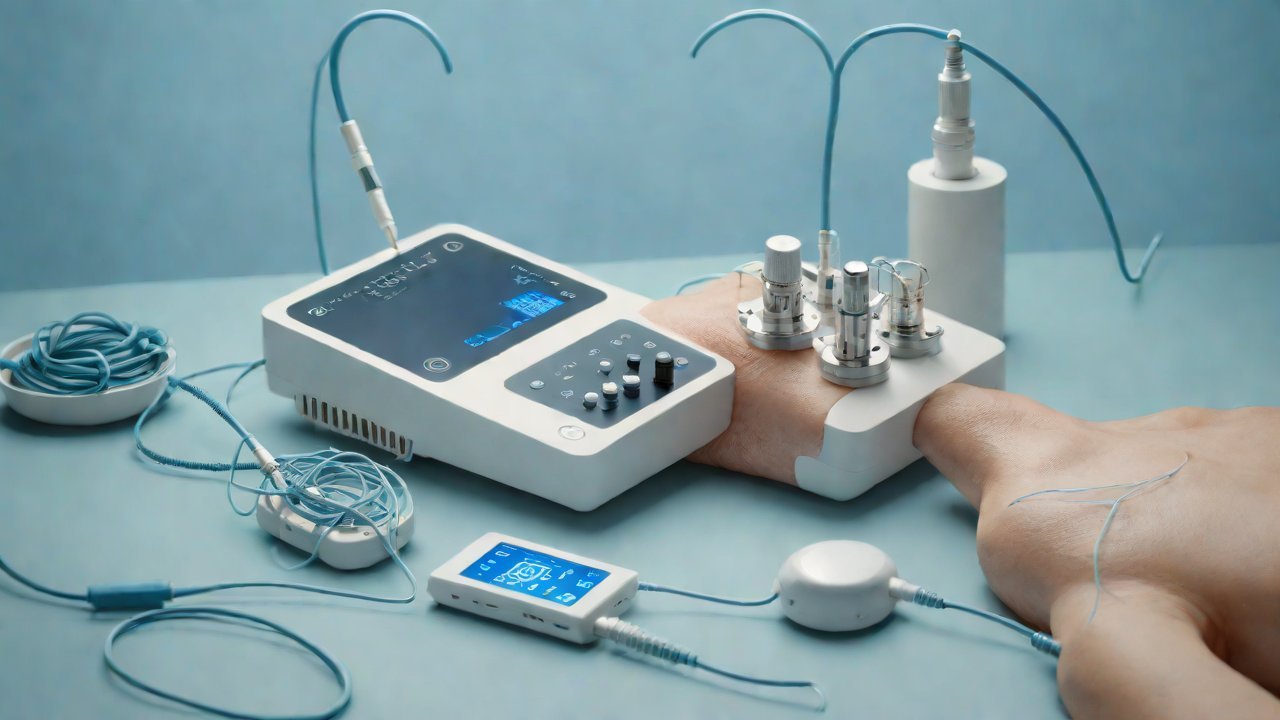
Recent advances in materials science, nanotechnology, and machine learning have led to the development of innovative solutions for improving sensor skin contact:
4.1 Nanomaterials and Coatings
- Graphene-based electrodes for enhanced conductivity
- Hydrogel or gel-like coatings for improved biocompatibility
4.2 Machine Learning and Signal Processing
- Advanced algorithms for noise reduction and signal enhancement
- Real-time monitoring of sensor performance and skin contact quality
5. Industry Trends and Market Analysis
The wearable technology market is expected to continue growing, with an estimated value of $51.6 billion by 2025 (Source: Grand View Research). As the demand for non-invasive monitoring solutions increases, it is essential for manufacturers to address bioelectrical signal noise issues effectively.
| Market Segment | Projected Growth Rate (2020-2025) |
|---|---|
| Wearable devices | 12.4% |
| Healthcare and medical devices | 10.3% |
| Consumer electronics | 8.1% |
6. Conclusion
Bioelectrical signal noise caused by poor sensor skin contact is a significant challenge in various fields. By understanding the causes, effects, and contributing factors, manufacturers can develop effective strategies for improving sensor design, user experience, and environmental conditions. Emerging technologies and innovations offer promising solutions for mitigating bioelectrical signal noise issues. As the wearable technology market continues to grow, it is essential to address these problems effectively to ensure device reliability, accuracy, and user satisfaction.
IOT Cloud Platform
IOT Cloud Platform is an IoT portal established by a Chinese IoT company, focusing on technical solutions in the fields of agricultural IoT, industrial IoT, medical IoT, security IoT, military IoT, meteorological IoT, consumer IoT, automotive IoT, commercial IoT, infrastructure IoT, smart warehousing and logistics, smart home, smart city, smart healthcare, smart lighting, etc.
The IoT Cloud Platform blog is a top IoT technology stack, providing technical knowledge on IoT, robotics, artificial intelligence (generative artificial intelligence AIGC), edge computing, AR/VR, cloud computing, quantum computing, blockchain, smart surveillance cameras, drones, RFID tags, gateways, GPS, 3D printing, 4D printing, autonomous driving, etc.
Note: This article was professionally generated with the assistance of AIGC and has been fact-checked and manually corrected by IoT expert editor IoTCloudPlatForm.