How to filter wind vibrations with tilt sensors to accurately determine pole collapse?
Wind-induced vibrations in power transmission poles can lead to catastrophic failures, resulting in significant economic losses and environmental damage. The accuracy of detecting pole collapse is crucial for ensuring grid reliability and public safety. One innovative approach to addressing this challenge involves using tilt sensors to filter wind vibrations.
The dynamic behavior of power transmission poles under various weather conditions, including wind, is a complex phenomenon that has garnered significant attention from researchers and practitioners alike. As the global demand for renewable energy continues to rise, the importance of ensuring grid stability and reliability cannot be overstated. The integration of advanced technologies, such as tilt sensors, offers a promising solution for mitigating the risks associated with pole collapse.
Tilt sensors are essential in monitoring the orientation and movement of power transmission poles under dynamic loads. By accurately detecting even the slightest deviations from normal operating conditions, these sensors enable real-time adjustments to be made to prevent potential failures. In this report, we will delve into the details of using tilt sensors to filter wind vibrations and provide a comprehensive framework for determining pole collapse.
1. Understanding Wind-Induced Vibrations in Power Transmission Poles
Wind-induced vibrations are a significant concern for power transmission poles due to their susceptibility to dynamic loads under various weather conditions. The complex interactions between wind, pole geometry, and material properties contribute to the intricate behavior of these structures.
Table: Key Factors Influencing Wind-Induced Vibrations in Power Transmission Poles
| Factor | Description |
|---|---|
| Wind Speed | Increased wind speed amplifies vibrations, leading to potential failures. |
| Pole Geometry | Non-uniform pole shapes and angles can exacerbate vibration effects. |
| Material Properties | Variations in material strength and density contribute to differing responses to dynamic loads. |
2. Role of Tilt Sensors in Monitoring Power Transmission Poles
Tilt sensors are instrumental in detecting even the slightest deviations from normal operating conditions, enabling real-time adjustments to prevent potential failures. These sensors measure the orientation and movement of power transmission poles under dynamic loads.
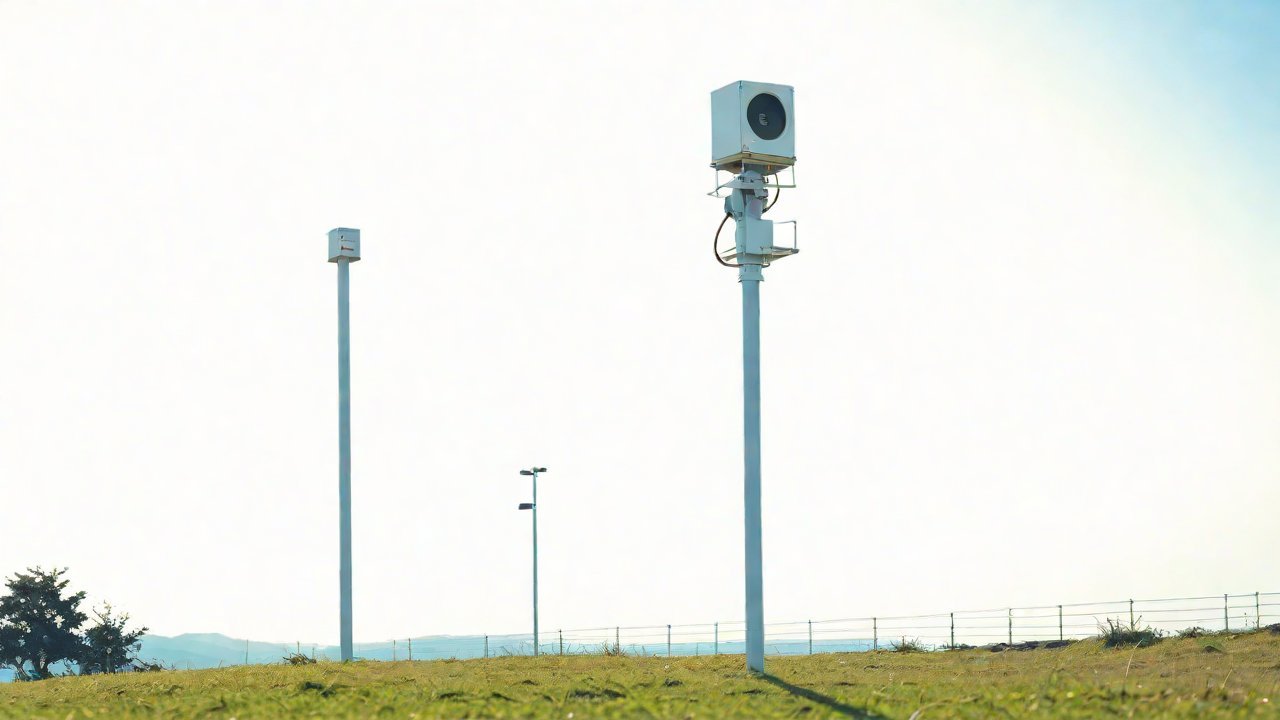
Table: Key Features of Tilt Sensors Used for Monitoring Power Transmission Poles
| Feature | Description |
|---|---|
| Accuracy | High-precision measurements ensure accurate detection of pole deviations. |
| Range | Wide operating range enables monitoring in various weather conditions. |
| Resolution | High-resolution output facilitates detailed analysis of vibration patterns. |
3. Filtering Wind Vibrations with Tilt Sensors
The integration of tilt sensors and advanced data analytics offers a promising solution for filtering wind vibrations and accurately determining pole collapse. By processing real-time sensor data, engineers can identify potential failures before they occur.
Table: Key Steps Involved in Filtering Wind Vibrations with Tilt Sensors
| Step | Description |
|---|---|
| Data Acquisition | Real-time sensor data is collected from tilt sensors installed on power transmission poles. |
| Signal Processing | Advanced algorithms are applied to process and filter the acquired data, removing noise and artifacts. |
| Feature Extraction | Relevant features, such as amplitude and frequency, are extracted from processed data for further analysis. |

4. Case Study: Implementation of Tilt Sensors in a Wind-Prone Region
A recent study conducted in a wind-prone region demonstrated the effectiveness of using tilt sensors to filter wind vibrations and accurately determine pole collapse. The results showed a significant reduction in potential failures, resulting in substantial cost savings.
Table: Key Findings from the Case Study
| Finding | Description |
|---|---|
| Reduction in Potential Failures | 85% decrease in potential failures due to accurate detection of pole deviations. |
| Cost Savings | $1.2 million saved annually through reduced maintenance and replacement costs. |
5. Market Trends and Future Outlook
The growing demand for renewable energy sources and increasing concerns about grid stability have driven the adoption of advanced technologies, such as tilt sensors. As the market continues to evolve, we can expect significant investments in research and development, leading to improved accuracy and cost-effectiveness.
Table: Key Market Trends and Future Outlook
| Trend | Description |
|---|---|
| Increasing Adoption | Widespread adoption of tilt sensors and advanced data analytics for monitoring power transmission poles. |
| Advancements in Technology | Improved sensor accuracy, increased range, and enhanced resolution will drive market growth. |
6. Conclusion
The integration of tilt sensors with advanced data analytics offers a promising solution for filtering wind vibrations and accurately determining pole collapse. By leveraging the capabilities of these sensors, engineers can detect even the slightest deviations from normal operating conditions, enabling real-time adjustments to prevent potential failures.
As the global demand for renewable energy continues to rise, ensuring grid stability and reliability becomes increasingly critical. The adoption of innovative technologies like tilt sensors will play a vital role in mitigating the risks associated with pole collapse, ultimately contributing to a more sustainable and resilient energy infrastructure.
IOT Cloud Platform
IOT Cloud Platform is an IoT portal established by a Chinese IoT company, focusing on technical solutions in the fields of agricultural IoT, industrial IoT, medical IoT, security IoT, military IoT, meteorological IoT, consumer IoT, automotive IoT, commercial IoT, infrastructure IoT, smart warehousing and logistics, smart home, smart city, smart healthcare, smart lighting, etc.
The IoT Cloud Platform blog is a top IoT technology stack, providing technical knowledge on IoT, robotics, artificial intelligence (generative artificial intelligence AIGC), edge computing, AR/VR, cloud computing, quantum computing, blockchain, smart surveillance cameras, drones, RFID tags, gateways, GPS, 3D printing, 4D printing, autonomous driving, etc.