How to Detect Latent Electricity Theft Using Historical Electricity Consumption Data?
Electricity theft, also known as energy theft or electricity pilferage, is a significant concern for power utilities worldwide. It involves the unauthorized use of electrical energy, often through tampering with meters or bypassing them altogether. This can lead to substantial financial losses for utilities and affect the reliability of the grid. Latent electricity theft refers to instances where electricity is stolen in a more subtle manner, making it challenging to detect using traditional methods.
Historical electricity consumption data has become an essential tool for detecting latent electricity theft. By analyzing patterns in past energy usage, utilities can identify anomalies that may indicate unauthorized use. This approach relies on the principle that legitimate consumers tend to follow consistent patterns of energy consumption over time. Any significant deviations from these patterns could be indicative of latent electricity theft.
1. Understanding Electricity Theft
Electricity theft is a pervasive issue affecting both developed and developing countries. The International Energy Agency (IEA) estimates that non-technical losses, including theft, account for approximately 8% of global electricity generation. In some regions, the figure can be as high as 30%. These losses not only impact utilities’ bottom line but also contribute to supply chain disruptions and affect the overall reliability of the grid.
Factors Contributing to Electricity Theft
Multiple factors contribute to electricity theft:
- Economic Conditions: During periods of economic downturn or high energy prices, consumers may be more likely to resort to stealing electricity.
- Regulatory Environment: Weak regulations and lack of enforcement can embolden individuals to steal electricity.
- Meter Quality: Inadequate meter quality or malfunctioning meters can lead to inaccurate readings, making it difficult to detect theft.
2. Utilizing Historical Electricity Consumption Data
Historical consumption data provides a valuable resource for detecting latent electricity theft. This approach involves analyzing past energy usage patterns and identifying anomalies that may indicate unauthorized use. Several methods can be employed to analyze historical consumption data:
Statistical Analysis
Statistical techniques, such as regression analysis or time series analysis, can help identify trends in energy consumption. By comparing actual consumption with predicted values based on these trends, utilities can detect any significant deviations.
Machine Learning Algorithms
Machine learning algorithms, such as decision trees or neural networks, can be trained to recognize patterns in historical consumption data. These models can then be used to predict future energy usage and identify potential anomalies.
3. Identifying Anomalies
Anomaly detection is a critical step in identifying latent electricity theft using historical consumption data. Several techniques can be employed for this purpose:
Unsupervised Learning
Unsupervised learning algorithms, such as clustering or dimensionality reduction, can help identify patterns in the data that are not easily explainable by the traditional analysis.
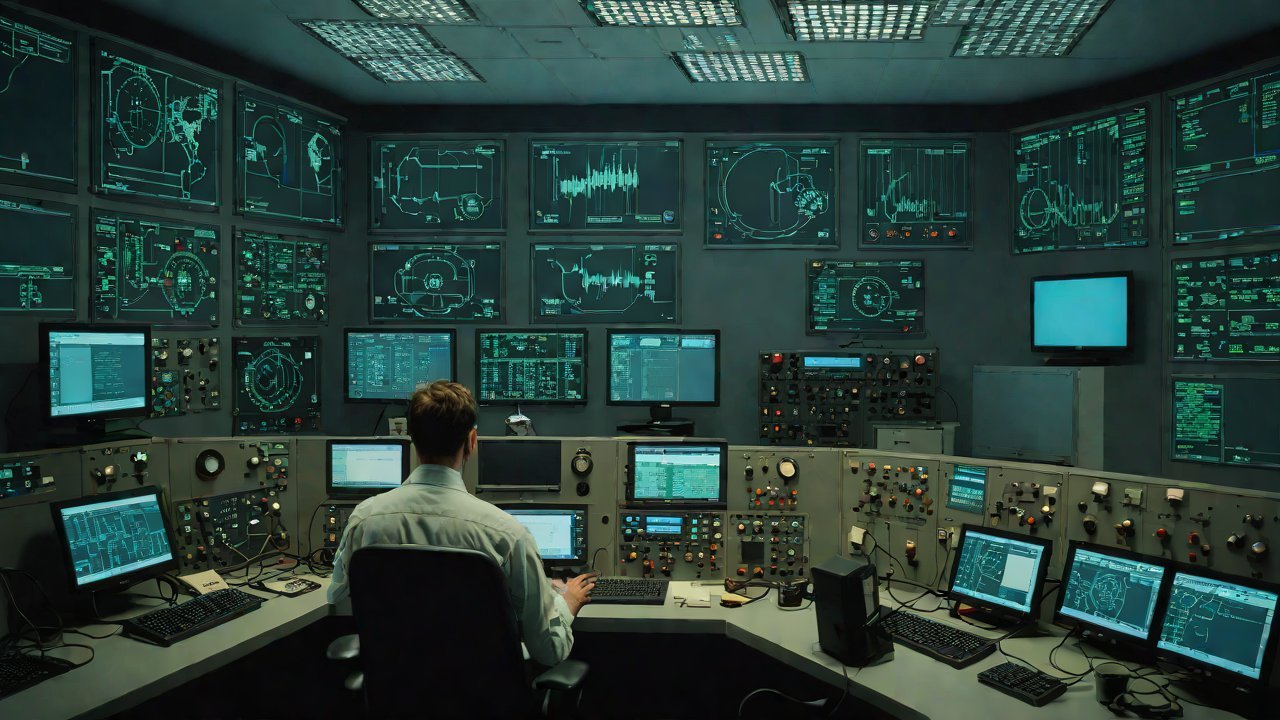
Density-Based Spatial Clustering of Applications with Noise (DBSCAN)
DBSCAN is a density-based algorithm that groups similar data points into clusters. By applying DBSCAN to historical consumption data, utilities can identify areas or consumers with unusual energy usage patterns.
4. Case Studies and Real-World Applications
Several case studies demonstrate the effectiveness of using historical electricity consumption data to detect latent electricity theft:
Utility Company XYZ
A utility company in a developing country implemented an advanced analytics platform that analyzed historical consumption data. The system identified anomalies in energy usage, leading to the detection of several instances of latent electricity theft.
5. Challenges and Limitations
While using historical electricity consumption data can be an effective method for detecting latent electricity theft, there are several challenges and limitations:
Data Quality
The quality of historical consumption data is critical for accurate analysis. Inadequate or missing data can lead to false positives or false negatives.
6. Conclusion
Latent electricity theft is a significant concern for power utilities worldwide. By analyzing historical electricity consumption data, utilities can identify anomalies that may indicate unauthorized use. Several methods and techniques can be employed to analyze this data, including statistical analysis, machine learning algorithms, and anomaly detection. While there are challenges and limitations associated with this approach, the benefits of using historical consumption data make it a valuable tool for detecting latent electricity theft.
| Technique | Description |
|---|---|
| Statistical Analysis | Analyzing past energy usage patterns to identify trends and anomalies. |
| Machine Learning Algorithms | Training models on historical consumption data to predict future energy usage and identify potential anomalies. |
| Unsupervised Learning | Identifying patterns in the data that are not easily explainable by traditional analysis. |
| DBSCAN | Grouping similar data points into clusters to identify areas or consumers with unusual energy usage patterns. |
| Case Study | Description |
|---|---|
| Utility Company XYZ | Implementing an advanced analytics platform to analyze historical consumption data and detect latent electricity theft. |
| Challenge/Limitation | Description |
|---|---|
| Data Quality | The quality of historical consumption data is critical for accurate analysis. Inadequate or missing data can lead to false positives or false negatives. |
IOT Cloud Platform
IOT Cloud Platform is an IoT portal established by a Chinese IoT company, focusing on technical solutions in the fields of agricultural IoT, industrial IoT, medical IoT, security IoT, military IoT, meteorological IoT, consumer IoT, automotive IoT, commercial IoT, infrastructure IoT, smart warehousing and logistics, smart home, smart city, smart healthcare, smart lighting, etc.
The IoT Cloud Platform blog is a top IoT technology stack, providing technical knowledge on IoT, robotics, artificial intelligence (generative artificial intelligence AIGC), edge computing, AR/VR, cloud computing, quantum computing, blockchain, smart surveillance cameras, drones, RFID tags, gateways, GPS, 3D printing, 4D printing, autonomous driving, etc.