How to design an automatic adjustment linkage mechanism integrating environmental temperature and humidity sensors?
As we navigate the complexities of modern engineering, the need for innovative solutions that integrate multiple variables has become increasingly important. One such challenge is designing an automatic adjustment linkage mechanism that can adapt to varying environmental conditions, specifically temperature and humidity levels. This report will delve into the intricacies of creating such a system, exploring the technical requirements, market trends, and practical considerations involved.
1. Understanding the Requirements
To design an effective automatic adjustment linkage mechanism, it is essential to comprehend the impact of environmental factors on mechanical systems. Temperature fluctuations can cause metal expansion or contraction, leading to misalignment, while humidity affects lubrication and friction levels. The goal is to develop a system that can adjust its parameters in real-time to compensate for these changes.
1.1 Technical Requirements
- Sensor Integration: Incorporate temperature and humidity sensors with high precision (±0.5°C and ±2% RH) and fast response times (<10 seconds).
- Control Algorithm: Develop an algorithm capable of processing sensor data, adjusting linkage parameters, and ensuring smooth operation.
- Mechanical Design: Design a mechanism that can accommodate varying temperatures and humidity levels without compromising performance or lifespan.
2. Sensor Selection and Integration
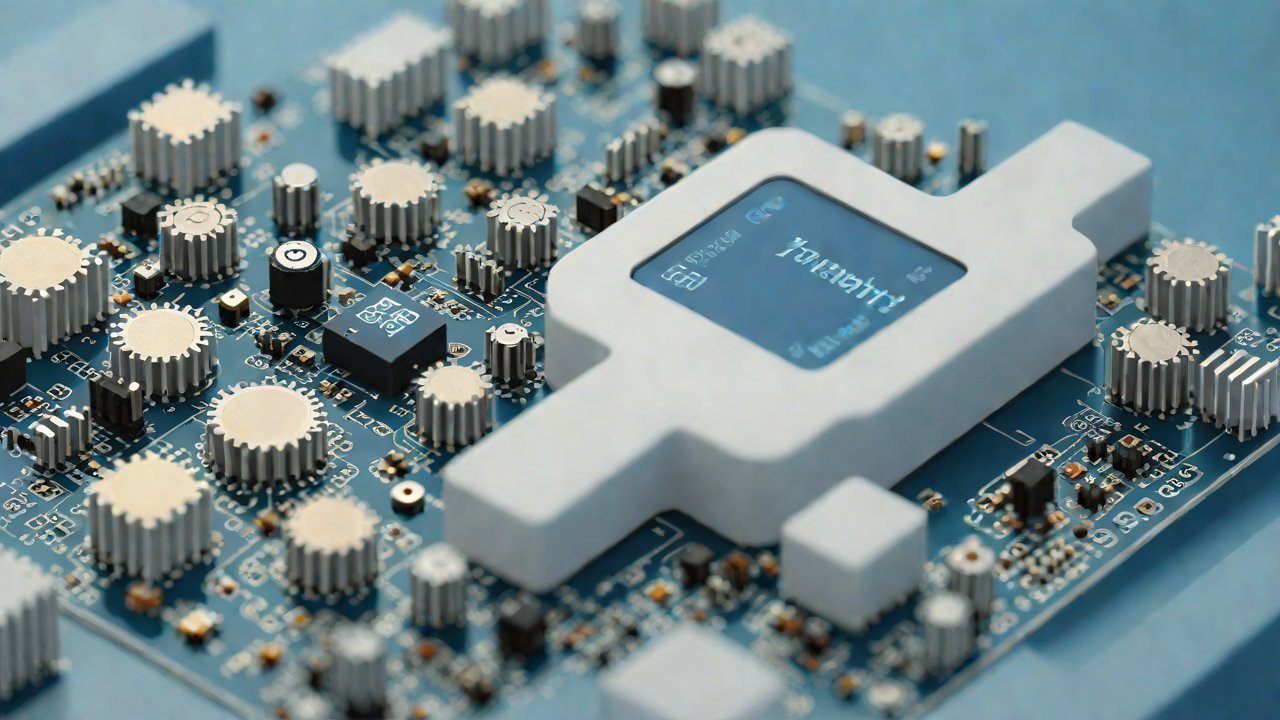
The selection of appropriate sensors is crucial for accurate readings. Considering the need for high precision and fast response times, advanced sensors such as thermistors (NTC/PTC) or thermocouples may be suitable for temperature measurement. For humidity, capacitive sensors or hygrometers are effective options.
2.1 Sensor Characteristics
| Sensor Type | Accuracy | Response Time |
|---|---|---|
| Thermistor | ±0.5°C | <10 seconds |
| Thermocouple | ±1°C | <30 seconds |
| Capacitive | ±2% RH | <10 seconds |

3. Control Algorithm Development
The control algorithm must process sensor data in real-time, adjusting the linkage mechanism accordingly. This involves implementing feedback loops to ensure smooth operation and compensating for temperature and humidity effects.
3.1 Algorithm Components
- Data Acquisition: Collect temperature and humidity readings from sensors.
- Calculation: Adjust linkage parameters based on sensor data (e.g., adjust cam angles or pivot points).
- Execution: Implement adjustments in real-time to ensure smooth operation.
4. Mechanical Design Considerations
The mechanical design must accommodate the integration of environmental sensors, control electronics, and the adjustment mechanism itself. This involves considerations for thermal expansion, material selection, and structural integrity.
4.1 Material Selection
- Thermal Expansion: Select materials with minimal thermal expansion (e.g., stainless steel).
- Structural Integrity: Ensure the design can withstand varying environmental conditions without compromising performance or lifespan.
5. AIGC Technical Perspectives
From an Artificial Intelligence and General Computing (AIGC) perspective, integrating machine learning algorithms can enhance the system’s adaptability to changing environmental conditions. This involves training models on historical data to predict future adjustments needed based on temperature and humidity forecasts.
5.1 AI-Enabled Predictive Maintenance
- Data Collection: Gather operational and environmental data for model training.
- Model Development: Train predictive models that forecast linkage adjustment needs based on weather forecasts and operational history.
- Real-Time Execution: Implement AI-driven adjustments in real-time to prevent mechanical failures.
6. Market Trends and Applications
The integration of environmental sensors and AI-driven control algorithms has significant implications for various industries, including manufacturing, aerospace, and automotive sectors.
6.1 Industry Impact
- Increased Efficiency: Reduce downtime and improve overall efficiency by adapting to changing environmental conditions.
- Enhanced Reliability: Prevent mechanical failures by anticipating temperature and humidity effects on machinery.
- Cost Savings: Minimize maintenance costs through predictive maintenance strategies.
7. Conclusion
Designing an automatic adjustment linkage mechanism that integrates environmental temperature and humidity sensors requires a multidisciplinary approach, combining engineering expertise with AI-driven control algorithms. By understanding the technical requirements, selecting appropriate sensors, developing an effective control algorithm, and considering mechanical design constraints, such systems can significantly enhance efficiency, reliability, and lifespan in various industrial settings.
8. Recommendations
- Collaborative Research: Foster partnerships between academia and industry to accelerate development.
- Standardization: Establish standards for sensor integration and AI-driven control algorithms.
- Continuous Improvement: Regularly update and refine the system through ongoing research and testing.
By following this comprehensive approach, engineers can develop innovative solutions that not only adapt to changing environmental conditions but also contribute to a more sustainable and efficient future.
IOT Cloud Platform
IOT Cloud Platform is an IoT portal established by a Chinese IoT company, focusing on technical solutions in the fields of agricultural IoT, industrial IoT, medical IoT, security IoT, military IoT, meteorological IoT, consumer IoT, automotive IoT, commercial IoT, infrastructure IoT, smart warehousing and logistics, smart home, smart city, smart healthcare, smart lighting, etc.
The IoT Cloud Platform blog is a top IoT technology stack, providing technical knowledge on IoT, robotics, artificial intelligence (generative artificial intelligence AIGC), edge computing, AR/VR, cloud computing, quantum computing, blockchain, smart surveillance cameras, drones, RFID tags, gateways, GPS, 3D printing, 4D printing, autonomous driving, etc.