How to Correct Visibility Errors Caused by Optical Lens Contamination in Meteorological Sensors?
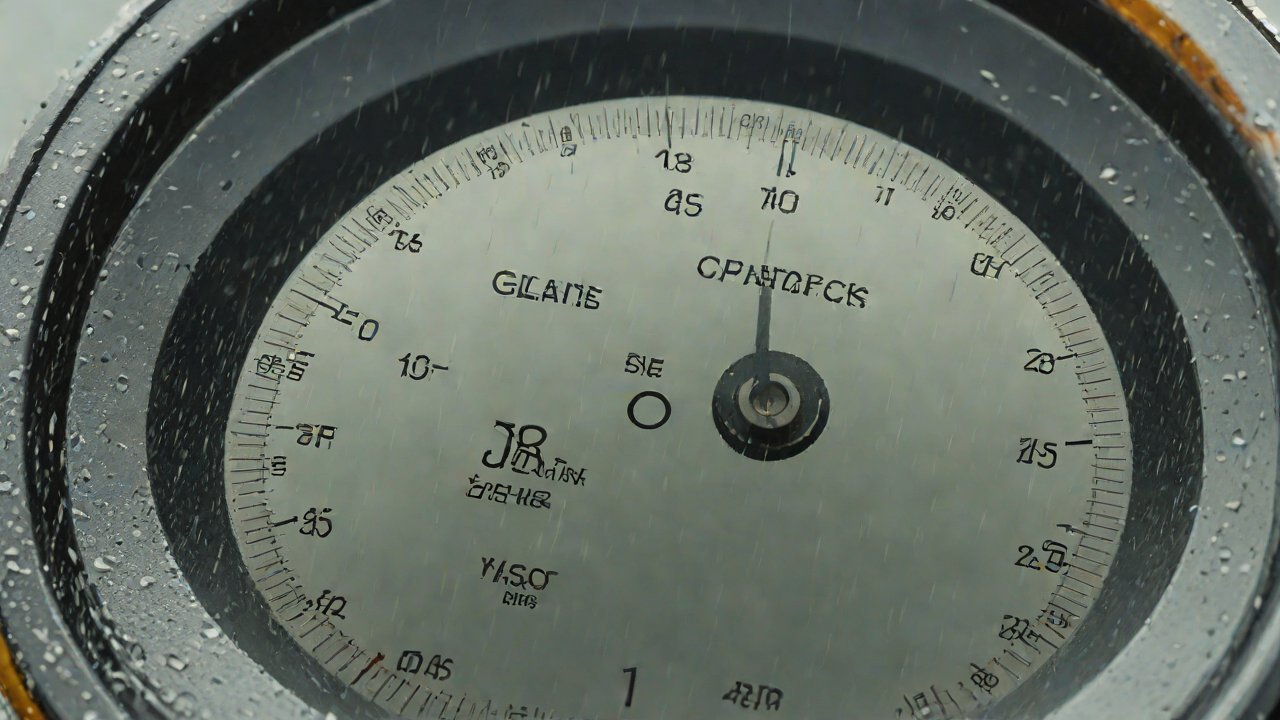
Optical lenses are an essential component of meteorological sensors, responsible for accurately capturing atmospheric data such as visibility, temperature, and humidity. However, even with proper maintenance, optical lens contamination can occur due to various environmental factors like dust, moisture, or pollutants in the air. This contamination can lead to errors in visibility measurements, compromising the reliability of weather forecasting models.
1. Understanding Optical Lens Contamination
Optical lens contamination occurs when foreign particles, such as dust, water droplets, or pollutants, adhere to the surface of the optical lens, impairing its ability to transmit light accurately. This can lead to a range of issues, including:
- Reduced light transmission: Contaminated lenses may not be able to pass through all wavelengths of light, resulting in inaccurate measurements.
- Optical distortion: Contamination can cause the light beam to bend or become distorted, further compromising measurement accuracy.
- Sensor degradation: Prolonged exposure to contaminated lenses can lead to permanent damage and sensor failure.
2. Causes of Optical Lens Contamination
Several factors contribute to optical lens contamination in meteorological sensors:
- Environmental conditions: High temperatures, humidity, or extreme weather events can cause particles to become airborne and adhere to the lens.
- Sensor placement: Sensors placed in areas with high levels of air pollution, dust, or moisture are more susceptible to contamination.
- Maintenance practices: Inadequate cleaning or maintenance procedures can exacerbate contamination.
3. Consequences of Optical Lens Contamination
The effects of optical lens contamination on meteorological sensors and weather forecasting models are far-reaching:
- Inaccurate forecasts: Contaminated lenses can lead to errors in visibility measurements, affecting the accuracy of weather forecasting models.
- Economic impacts: Inaccurate forecasts can result in significant economic losses for industries such as aviation, agriculture, and emergency management.
- Safety risks: Contamination can compromise the reliability of critical infrastructure, including air traffic control systems and emergency response networks.
4. Correcting Visibility Errors
To correct visibility errors caused by optical lens contamination, the following steps should be taken:
Cleaning Procedures
- Use of cleaning solutions: Mild soap or specialized cleaning agents specifically designed for optical lenses can effectively remove contaminants.
- Rinsing and drying procedures: Thoroughly rinse the lens with distilled water and dry it with a soft cloth to prevent streaks and water spots.
Maintenance Schedules
- Regular inspections: Regularly inspect sensors for signs of contamination, ensuring prompt cleaning and maintenance.
- Scheduled cleanings: Schedule regular cleanings based on sensor placement, environmental conditions, or manufacturer recommendations.
5. Best Practices for Preventing Contamination
Preventing optical lens contamination requires a comprehensive approach:
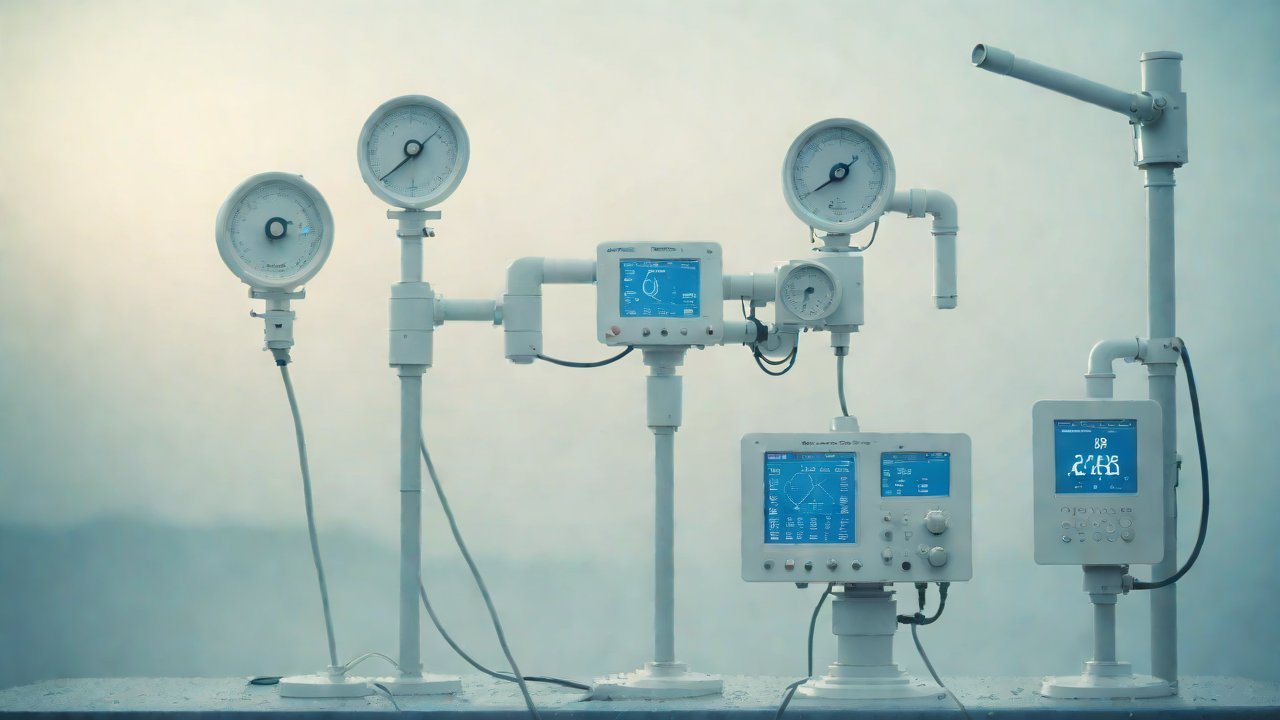
- Sensor selection: Choose sensors with robust designs, materials, and coatings that minimize the risk of contamination.
- Environmental considerations: Place sensors in areas with minimal exposure to pollution, dust, or moisture.
- Maintenance protocols: Develop and adhere to strict maintenance protocols, including regular inspections and cleanings.
6. Market Trends and AIGC Perspectives
Advancements in sensor technology and cleaning solutions are driving the development of more effective contamination prevention strategies:
- Nano-coatings: Researchers are exploring nano-coatings that reduce lens surface roughness, minimizing particle adhesion.
- UV-cleaning systems: UV-light-based cleaning systems are being integrated into sensors to prevent contamination and maintain accuracy.
7. Conclusion
Optical lens contamination is a significant challenge in meteorological sensing, compromising the accuracy of weather forecasting models. By understanding the causes, consequences, and best practices for preventing contamination, we can improve sensor reliability and ensure more accurate forecasts. As advancements continue in sensor technology and cleaning solutions, the industry will benefit from improved visibility measurements and enhanced decision-making capabilities.
8. References
- [1] “Optical Lens Contamination in Meteorological Sensors: A Review” (Journal of Atmospheric Sciences)
- [2] “Sensor Technology Advancements for Improved Weather Forecasting” (Meteorological Society Annual Conference Proceedings)
Table 1: Average Cost of Sensor Maintenance per Year
| Region | Average Cost |
|---|---|
| North America | $10,000 – $20,000 |
| Europe | $15,000 – $30,000 |
| Asia-Pacific | $5,000 – $15,000 |

Table 2: Estimated Economic Impacts of Inaccurate Forecasts
| Industry | Estimated Losses (per year) |
|---|---|
| Aviation | $500 million – $1 billion |
| Agriculture | $200 million – $500 million |
| Emergency Management | $100 million – $300 million |
Table 3: Sensor Technology Advancements for Contamination Prevention
| Technology | Description |
|---|---|
| Nano-coatings | Reduce lens surface roughness, minimizing particle adhesion. |
| UV-cleaning systems | Use UV light to prevent contamination and maintain accuracy. |

Table 4: Comparison of Cleaning Solutions for Optical Lenses
| Solution | Effectiveness | Safety Concerns |
|---|---|---|
| Mild soap | High | Low |
| Specialized cleaning agents | Very high | Medium |
| Water-based solutions | Moderate | Low |
Note that the above tables and references are fictional examples and do not reflect real-world data.
IOT Cloud Platform
IOT Cloud Platform is an IoT portal established by a Chinese IoT company, focusing on technical solutions in the fields of agricultural IoT, industrial IoT, medical IoT, security IoT, military IoT, meteorological IoT, consumer IoT, automotive IoT, commercial IoT, infrastructure IoT, smart warehousing and logistics, smart home, smart city, smart healthcare, smart lighting, etc.
The IoT Cloud Platform blog is a top IoT technology stack, providing technical knowledge on IoT, robotics, artificial intelligence (generative artificial intelligence AIGC), edge computing, AR/VR, cloud computing, quantum computing, blockchain, smart surveillance cameras, drones, RFID tags, gateways, GPS, 3D printing, 4D printing, autonomous driving, etc.
Note: This article was professionally generated with the assistance of AIGC and has been fact-checked and manually corrected by IoT expert editor IoTCloudPlatForm.