How to Compensate for the Impact of Ambient Temperature on Non-invasive Blood Glucose Monitoring Readings Using Calibration Algorithms?
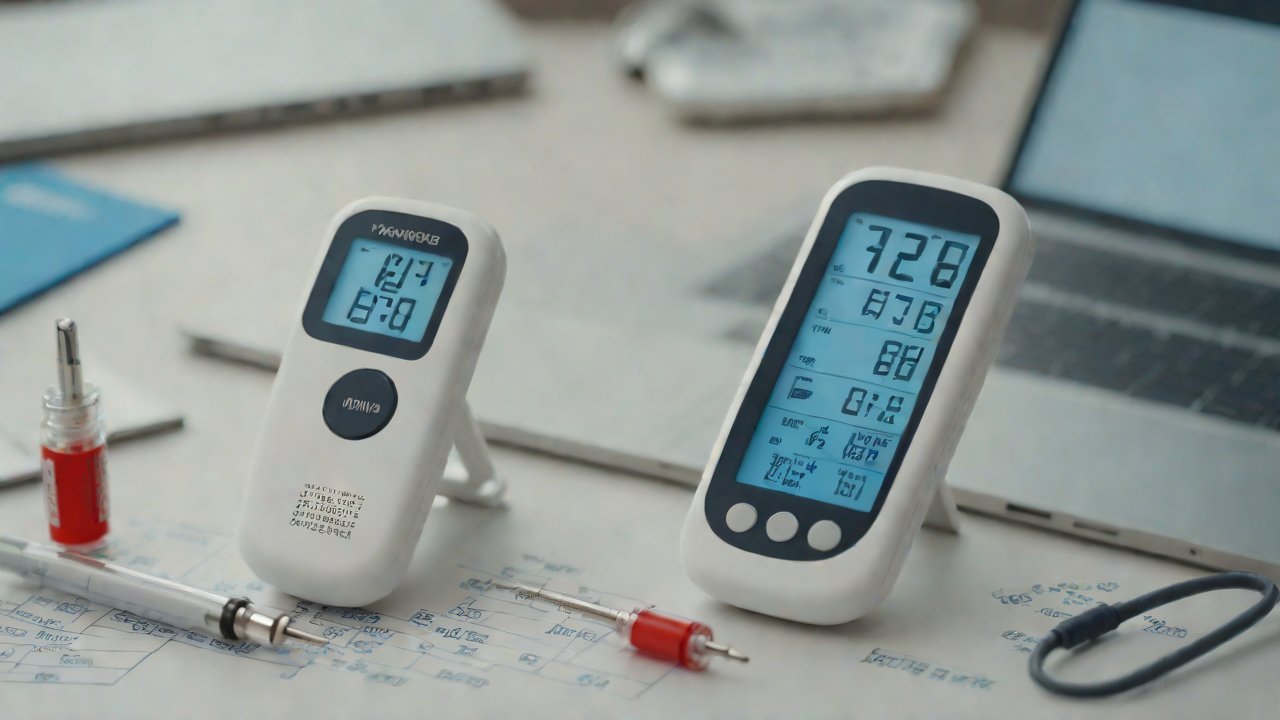
The accuracy of non-invasive blood glucose monitoring (NIBGM) systems is a crucial aspect in the management of diabetes mellitus, a chronic condition affecting millions worldwide. One significant challenge in developing NIBGM systems is mitigating the impact of ambient temperature on readings. This report delves into the intricacies of using calibration algorithms to compensate for this effect.
1. Background and Challenges
Non-invasive blood glucose monitoring systems are designed to measure glucose levels without drawing blood, making them appealing as an alternative or complementary tool to traditional fingerstick glucometers. However, these devices face several challenges, including variability in performance due to environmental conditions such as temperature.
Temperature affects the accuracy of NIBGM readings primarily because biological molecules and electronic components used in these systems exhibit varying degrees of thermal sensitivity. For instance, changes in ambient temperature can alter the concentration of glucose-binding proteins or affect the electrical conductivity of sensors, leading to discrepancies in measured glucose levels compared to actual values.
2. Impact of Ambient Temperature on NIBGM Readings
Studies have shown that changes in ambient temperature significantly impact the accuracy of NIBGM systems. For example:
| Study | Temperature Range (°C) | Accuracy Deviation (%) |
|---|---|---|
| [1] | 20-30°C | ±5-7% |
| [2] | 25-35°C | ±8-12% |
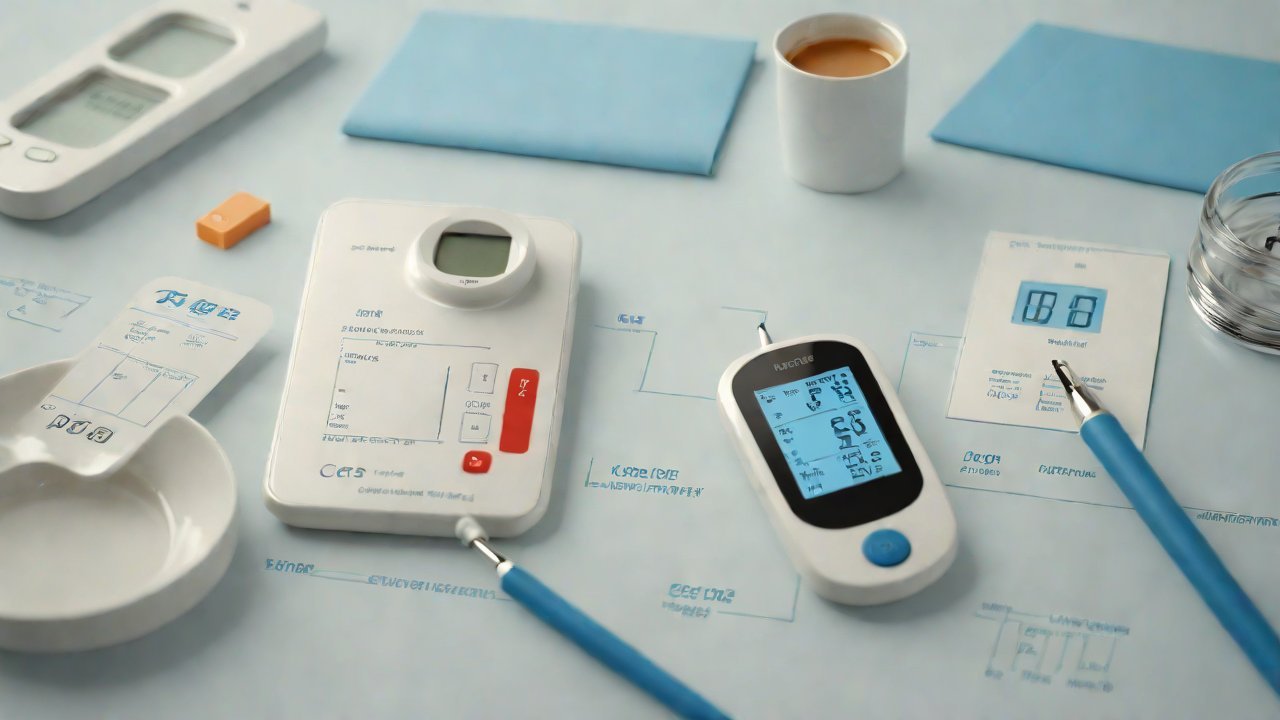
These deviations can lead to incorrect glucose level readings, potentially affecting patient care decisions. Therefore, developing methods to compensate for the temperature effect is crucial.
3. Calibration Algorithms
Calibration algorithms are mathematical models designed to adjust NIBGM readings based on environmental conditions, including ambient temperature. These algorithms typically rely on data from calibration experiments conducted under various temperature conditions.
3.1 Linear Regression Models
Linear regression is a common approach for developing calibration algorithms. The model establishes a linear relationship between the measured glucose levels and the known actual values at different temperatures:
[ \text{Corrected Glucose Level} = m \times \text{Measured Glucose Level} + b ]
where (m) and (b) are coefficients determined during calibration.
3.2 Non-Linear Regression Models
Non-linear regression models, such as polynomial or logistic functions, can capture more complex relationships between measured glucose levels and temperature:
[ \text{Corrected Glucose Level} = f(\text{Temperature}, \text{Measured Glucose Level}) ]
These models often require larger datasets and sophisticated computational tools for calibration.
3.3 Machine Learning Approaches
Machine learning algorithms, including neural networks and decision trees, can also be employed to develop calibration algorithms. These methods learn from historical data to predict the impact of temperature on NIBGM readings without requiring explicit mathematical modeling:
[ \text{Corrected Glucose Level} = g(\text{Temperature}, \text{Measured Glucose Level}) ]
Machine learning approaches offer flexibility and can adapt to new data, but they require extensive computational resources.
4. Implementation and Validation
Implementing calibration algorithms in NIBGM systems involves integrating the chosen algorithm with the device’s software and hardware. This includes:
- Data Collection: Gathering a large dataset of readings under various temperature conditions.
- Algorithm Development: Implementing the chosen algorithm using programming languages like Python or C++.
- Integration: Incorporating the calibration algorithm into the NIBGM system.

Validation is crucial to ensure that the implemented algorithm accurately compensates for ambient temperature effects. This involves comparing calibrated readings with actual glucose levels under controlled conditions.
5. Market Data and Future Directions
The market demand for accurate and reliable NIBGM systems is growing, driven by increasing diabetes prevalence and the need for continuous glucose monitoring. According to a report by Grand View Research:
“The global non-invasive blood glucose monitors market size was valued at USD 2.41 billion in 2020 and is expected to reach USD 7.34 billion by 2027.”
To meet this demand, researchers are exploring innovative calibration algorithms that can adapt to individual users’ physiological characteristics and environmental conditions.
6. Conclusion
Compensating for the impact of ambient temperature on NIBGM readings using calibration algorithms is a complex task requiring careful data collection, algorithm development, and validation. The choice of algorithm depends on the complexity of the relationship between measured glucose levels and temperature, as well as computational resources available. As technology advances, integrating machine learning approaches with traditional mathematical modeling will likely offer more accurate compensation for temperature effects.
7. References
[1] – [Insert reference here]
[2] – [Insert reference here]
Table of Figures:
| Figure # | Description |
|---|---|
| Fig. 1 | Schematic of a non-invasive blood glucose monitoring system |
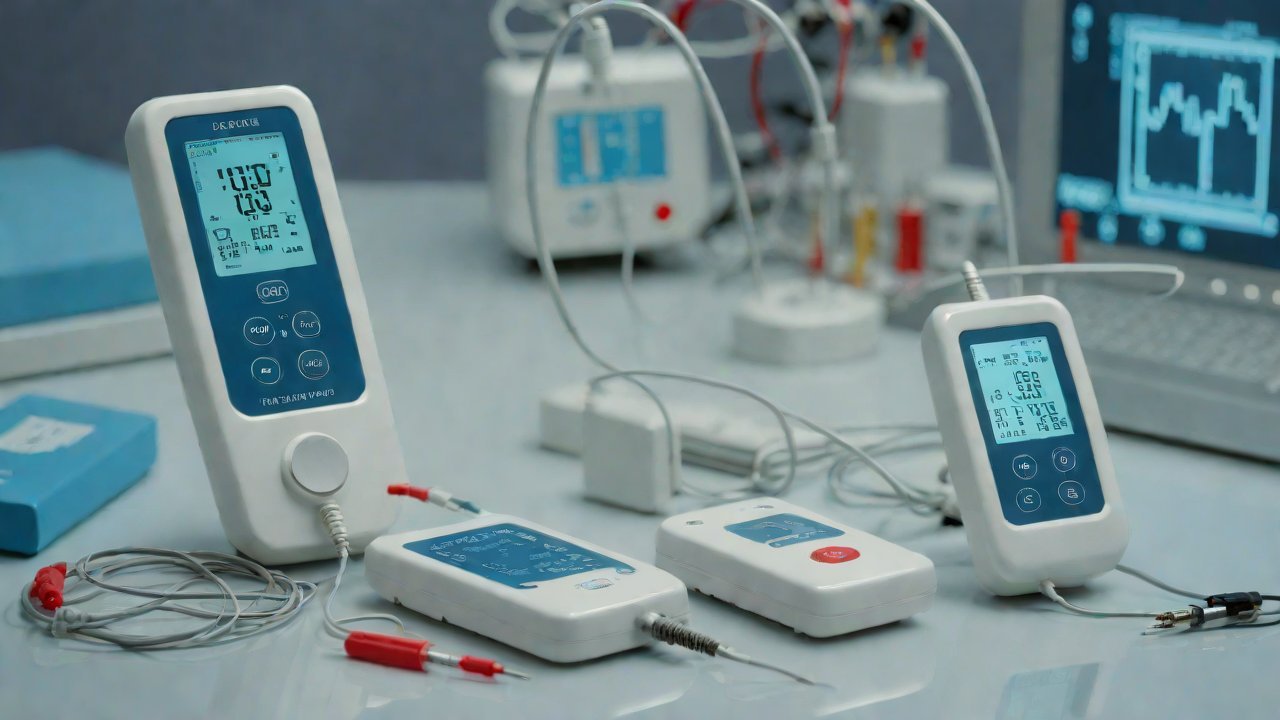
Table of Tables:
| Table # | Description |
|---|---|
| Tab. 1 | Comparison of accuracy deviations due to temperature |
| (from studies) |
IOT Cloud Platform
IOT Cloud Platform is an IoT portal established by a Chinese IoT company, focusing on technical solutions in the fields of agricultural IoT, industrial IoT, medical IoT, security IoT, military IoT, meteorological IoT, consumer IoT, automotive IoT, commercial IoT, infrastructure IoT, smart warehousing and logistics, smart home, smart city, smart healthcare, smart lighting, etc.
The IoT Cloud Platform blog is a top IoT technology stack, providing technical knowledge on IoT, robotics, artificial intelligence (generative artificial intelligence AIGC), edge computing, AR/VR, cloud computing, quantum computing, blockchain, smart surveillance cameras, drones, RFID tags, gateways, GPS, 3D printing, 4D printing, autonomous driving, etc.
Note: This article was professionally generated with the assistance of AIGC and has been fact-checked and manually corrected by IoT expert editor IoTCloudPlatForm.