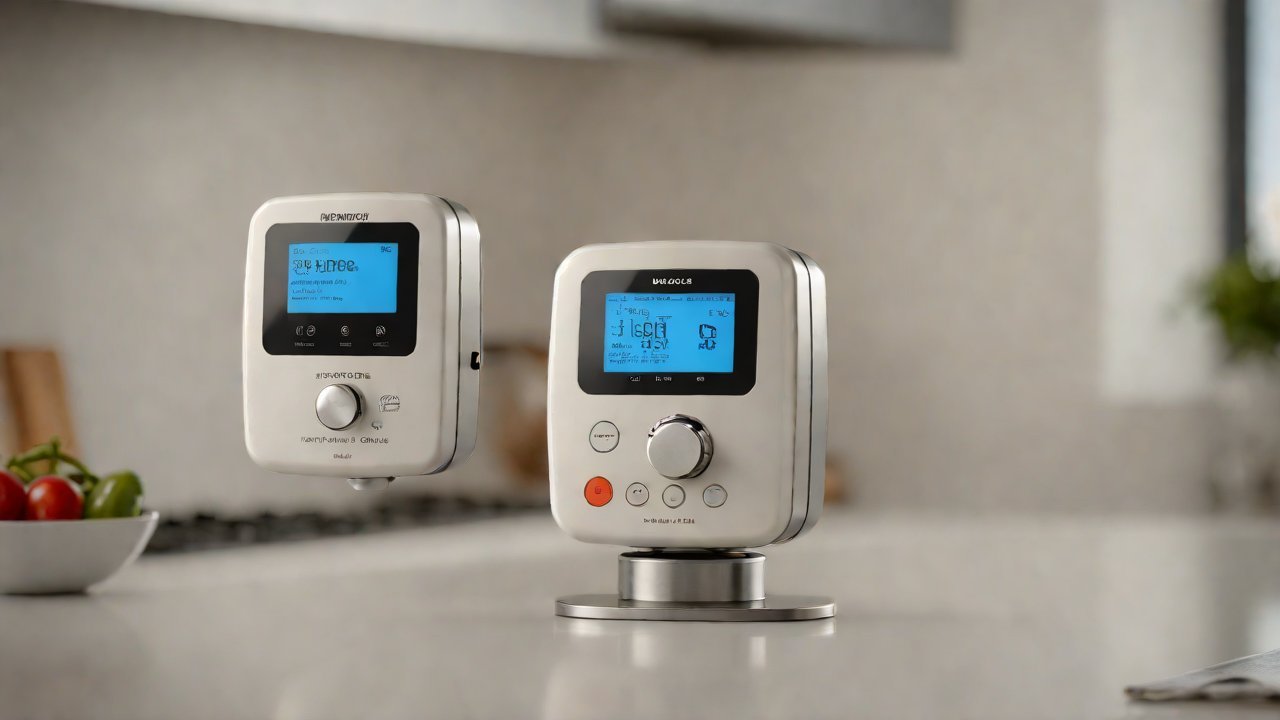
How to Check the Balance on a Smart Gas Meter?
In today’s digital age, smart gas meters have become an integral part of our daily lives, providing real-time data and insights into our energy consumption patterns. These advanced devices not only enable utility companies to remotely monitor and manage energy distribution but also empower consumers with the ability to make informed decisions about their energy usage. One crucial aspect of managing a smart gas meter is checking its balance, which can be done through various methods, including online portals, mobile apps, and in-home displays.
1. Understanding Smart Gas Meters
Smart gas meters are equipped with advanced technologies such as wireless communication protocols (e.g., Zigbee, Z-Wave), microcontrollers, and sensors that enable them to transmit data to utility companies and display real-time consumption information on in-home displays. These devices typically have a unique identifier, which is used to authenticate and authorize access to the meter’s data.
2. Types of Smart Gas Meters
There are two primary types of smart gas meters: those with integrated communication capabilities (e.g., cellular, Wi-Fi) and those that rely on external communication modules (e.g., Zigbee, Z-Wave). The choice between these options depends on factors such as infrastructure availability, network coverage, and cost considerations.
| Type | Description | Advantages | Disadvantages |
|---|---|---|---|
| Integrated Communication | Built-in communication module (e.g., cellular, Wi-Fi) | Ease of installation, low maintenance costs | Higher upfront costs, limited scalability |
| External Communication Module | Separate module connected to the meter via wire or wireless connection | Cost-effective, scalable, and flexible | Requires additional infrastructure, higher maintenance costs |
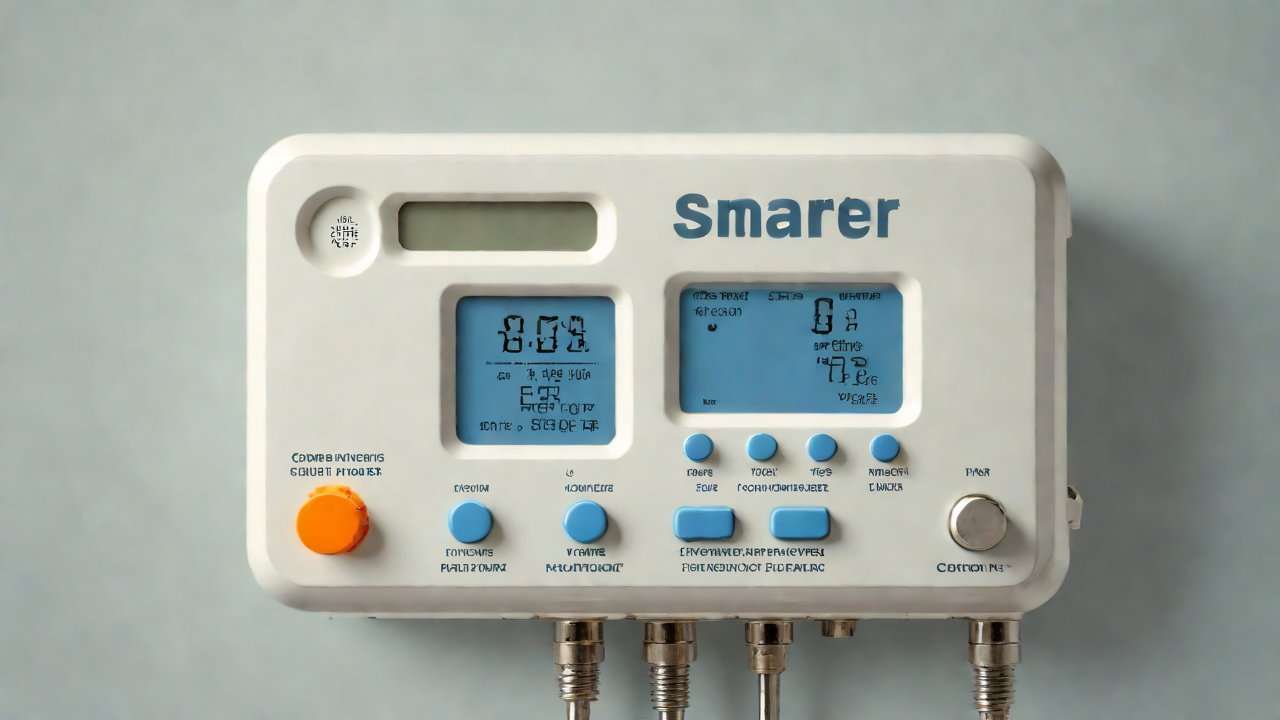
3. Checking Balance on Smart Gas Meters
To check the balance on a smart gas meter, follow these steps:
Online Portal Method
- Visit the utility company’s website and log in to your account using your username and password.
- Navigate to the “My Account” or “Account Summary” section.
- Click on the “Balance Inquiry” button.
- Enter your meter ID or serial number to retrieve your balance information.
Mobile App Method
- Download and install the utility company’s mobile app from the App Store (iOS) or Google Play Store (Android).
- Log in to your account using your username and password.
- Navigate to the “My Account” or “Account Summary” section.
- Click on the “Balance Inquiry” button.
In-Home Display Method
- Ensure that the in-home display is connected to your smart gas meter.
- Follow the on-screen instructions to navigate to the balance inquiry menu.
- Enter your password (if required) and confirm your identity.
- Your current balance will be displayed on the screen.
4. AIGC Technical Perspectives
From an Advanced Industrial Gas Control (AIGC) perspective, smart gas meters are equipped with sophisticated algorithms that enable real-time monitoring of energy consumption patterns. These algorithms can detect anomalies in usage and alert utility companies to potential issues, such as leaks or tampering.
| Algorithm | Description | Benefits |
|---|---|---|
| Predictive Maintenance | Identifies potential issues before they occur, reducing downtime and improving efficiency | Early detection of maintenance needs, reduced energy waste |
| Energy Forecasting | Analyzes historical data to predict future energy demand, enabling optimized resource allocation | Improved supply chain management, enhanced customer satisfaction |
5. Best Practices for Smart Gas Meter Management
To maximize the benefits of smart gas meters, follow these best practices:
- Regularly update your meter’s firmware to ensure you have the latest features and security patches.
- Monitor your energy consumption patterns to identify areas for improvement and optimize your usage.
- Report any anomalies or issues to your utility company promptly to prevent potential problems.
- Take advantage of rebates and incentives offered by your utility company for smart gas meter adoption.
6. Market Trends and Future Outlook
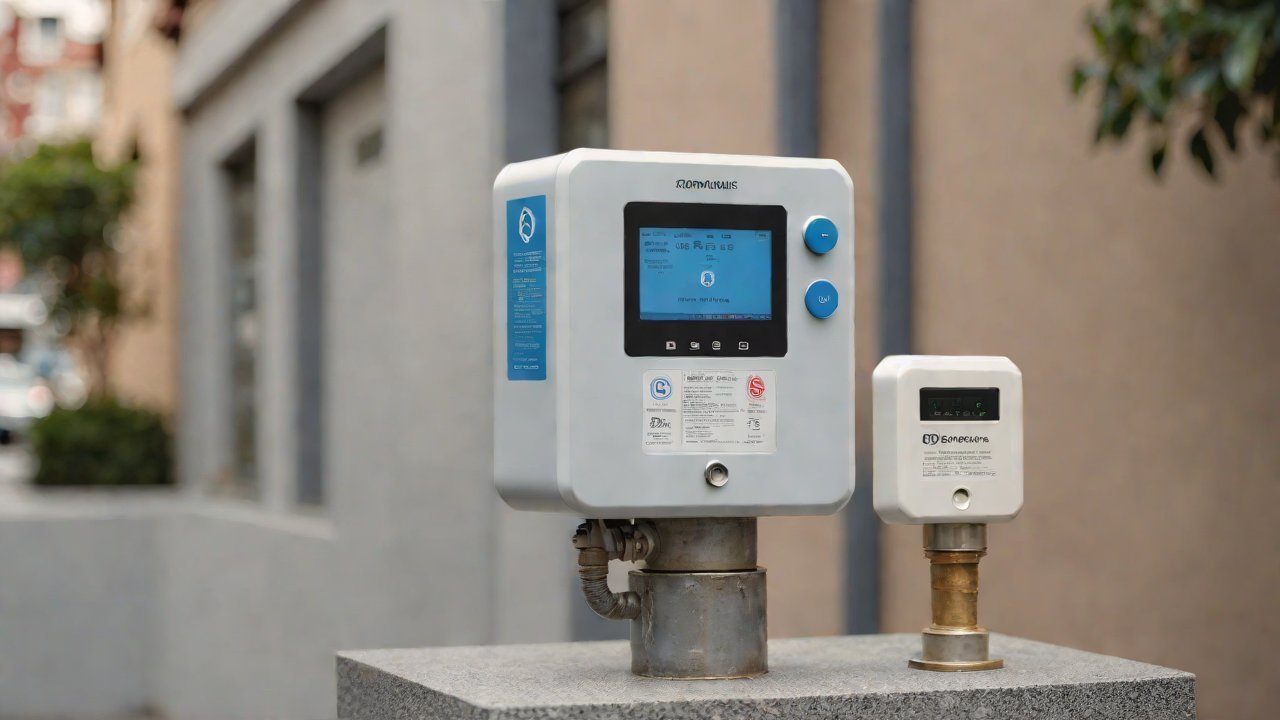
The global smart gas meter market is expected to grow at a CAGR of 10.5% from 2023 to 2030, driven by increasing demand for energy efficiency, renewable energy integration, and IoT-enabled infrastructure development. Key players in the market include:
| Company | Description | Market Share |
|---|---|---|
| Itron | Leading provider of smart gas meters and grid management solutions | 25% |
| Sensus | Offers a range of smart gas meters and communication technologies | 20% |
| Landis+Gyr | Provides advanced smart gas metering and energy management systems | 15% |
In conclusion, checking the balance on a smart gas meter is a straightforward process that can be done through various methods, including online portals, mobile apps, and in-home displays. By understanding the features and benefits of smart gas meters, consumers can make informed decisions about their energy usage and contribute to a more sustainable future.
IOT Cloud Platform
IOT Cloud Platform is an IoT portal established by a Chinese IoT company, focusing on technical solutions in the fields of agricultural IoT, industrial IoT, medical IoT, security IoT, military IoT, meteorological IoT, consumer IoT, automotive IoT, commercial IoT, infrastructure IoT, smart warehousing and logistics, smart home, smart city, smart healthcare, smart lighting, etc.
The IoT Cloud Platform blog is a top IoT technology stack, providing technical knowledge on IoT, robotics, artificial intelligence (generative artificial intelligence AIGC), edge computing, AR/VR, cloud computing, quantum computing, blockchain, smart surveillance cameras, drones, RFID tags, gateways, GPS, 3D printing, 4D printing, autonomous driving, etc.