How to Check the Balance on a New Type of Gas Meter Without a Card?
The advent of smart gas meters has revolutionized the way we manage our energy consumption, providing real-time data and insights that can help us optimize our usage and reduce waste. However, with this new technology comes a new set of challenges, particularly for consumers who are unfamiliar with the process of checking their balance without a card. In this report, we will delve into the world of smart gas meters, exploring the various types of meters available, the benefits and drawbacks of each, and most importantly, provide step-by-step instructions on how to check your balance without a card.
1. Understanding Smart Gas Meters
Smart gas meters are electronic devices that measure and record natural gas consumption in real-time. They are connected to the internet via cellular or Wi-Fi networks, allowing for remote monitoring and control by utility companies and consumers alike. These meters provide a range of benefits, including:
- Real-time data on energy usage
- Alerts and notifications when consumption exceeds set limits
- Automated meter reading (AMR) and advanced metering infrastructure (AMI)
- Integration with smart home systems
However, the increased complexity of smart gas meters also presents new challenges for consumers. One of the most significant issues is the lack of a card or physical interface to check the balance on newer models.
2. Types of Smart Gas Meters
There are several types of smart gas meters available in the market, each with its unique features and functionality. Some of the most common types include:
| Meter Type | Description |
|---|---|
| Electronic (E-Meter) | Basic electronic meter that measures consumption and sends data to utility companies via cellular or Wi-Fi networks. |
| Advanced (A-Meter) | Enhanced version of E-Meter with additional features such as AMR, AMI, and advanced analytics. |
| Smart (S-Meter) | High-end meter that integrates with smart home systems and provides real-time data on energy usage and consumption patterns. |
3. Benefits and Drawbacks of Smart Gas Meters
Smart gas meters offer numerous benefits to consumers, including:
- Improved accuracy and reliability
- Enhanced customer engagement and participation in energy management
- Increased efficiency and reduced energy waste
- Simplified billing and payment processes
However, there are also some drawbacks to consider:
- Higher upfront costs compared to traditional meters
- Potential for technical issues and connectivity problems
- Limited compatibility with older infrastructure and systems
- Concerns around data security and privacy
4. Checking Balance Without a Card: A Step-by-Step Guide
While many smart gas meters require a card or physical interface to check the balance, newer models often provide alternative methods of access. Here’s a step-by-step guide on how to check your balance without a card:
- Check Your Meter Type: Determine the type of meter you have and review its user manual for specific instructions on checking the balance.
- Access the Utility Company Website or App: Visit the website or download the mobile app provided by your utility company to access your account information and check your balance.
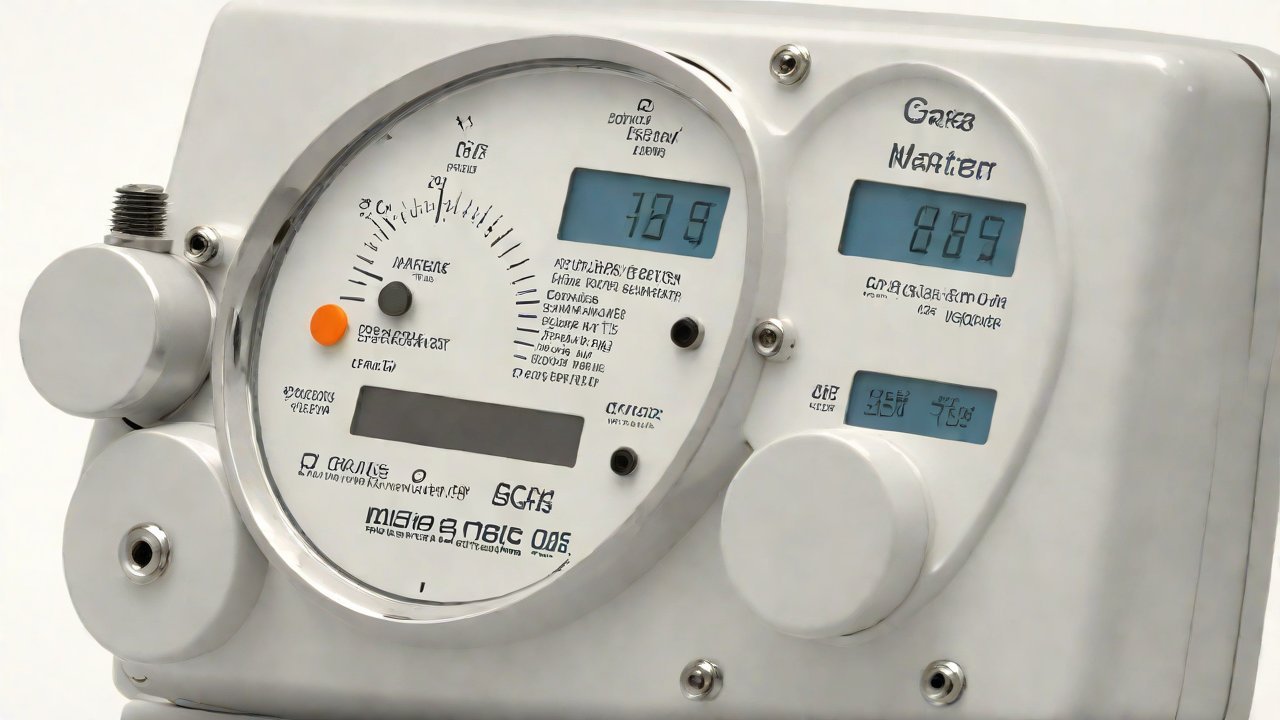
- Use the In-Meter Display: If your meter has an in-meter display, you can use it to view your current consumption and balance data.
- Contact Customer Service: Reach out to your utility company’s customer service department for assistance with checking your balance or resolving any issues.
5. Market Trends and Future Developments
The smart gas meter market is expected to grow significantly in the coming years, driven by increasing demand for energy efficiency and sustainability. Some of the key trends and developments include:
- Increased Adoption of IoT Technology: The integration of IoT devices and sensors into smart gas meters will enhance data collection and analytics capabilities.
- Advancements in Data Analytics: Utility companies will focus on developing advanced data analytics tools to provide consumers with real-time insights and recommendations for energy optimization.
- Expansion of Smart Home Integration: Smart gas meters will become increasingly integrated with smart home systems, enabling seamless control and monitoring of energy usage.
6. Conclusion
Checking the balance on a new type of gas meter without a card requires some effort and research, but it is definitely possible. By understanding the different types of smart gas meters available, their benefits and drawbacks, and following the step-by-step guide provided, consumers can easily access their account information and check their balance. As the market continues to evolve, we can expect even more innovative solutions and features that will make energy management easier and more efficient for everyone.
7. References
- “Smart Gas Meters: A Guide to Understanding and Using Them” by Energy.gov
- “The Future of Smart Gas Meters: Trends and Developments” by SmartGrid.gov
- “A Study on the Benefits and Drawbacks of Smart Gas Meters” by Journal of Energy Management
IOT Cloud Platform
IOT Cloud Platform is an IoT portal established by a Chinese IoT company, focusing on technical solutions in the fields of agricultural IoT, industrial IoT, medical IoT, security IoT, military IoT, meteorological IoT, consumer IoT, automotive IoT, commercial IoT, infrastructure IoT, smart warehousing and logistics, smart home, smart city, smart healthcare, smart lighting, etc.
The IoT Cloud Platform blog is a top IoT technology stack, providing technical knowledge on IoT, robotics, artificial intelligence (generative artificial intelligence AIGC), edge computing, AR/VR, cloud computing, quantum computing, blockchain, smart surveillance cameras, drones, RFID tags, gateways, GPS, 3D printing, 4D printing, autonomous driving, etc.