How to Calibrate Wind Measurement Reading Deviations Caused by Improper Installation Location?
Wind measurement is a critical component of renewable energy projects, providing essential data for turbine performance optimization and long-term maintenance planning. However, improper installation location can lead to significant deviations in wind measurement readings, compromising the accuracy of these vital assessments.
Wind measurement equipment, typically anemometers or lidars, are designed to capture precise measurements of wind speed, direction, and turbulence. Yet, when installed at locations that do not meet manufacturer guidelines or industry standards, these instruments can produce unreliable data. This report aims to provide a comprehensive guide for calibrating wind measurement reading deviations caused by improper installation location.
1. Understanding Wind Measurement Instrumentation
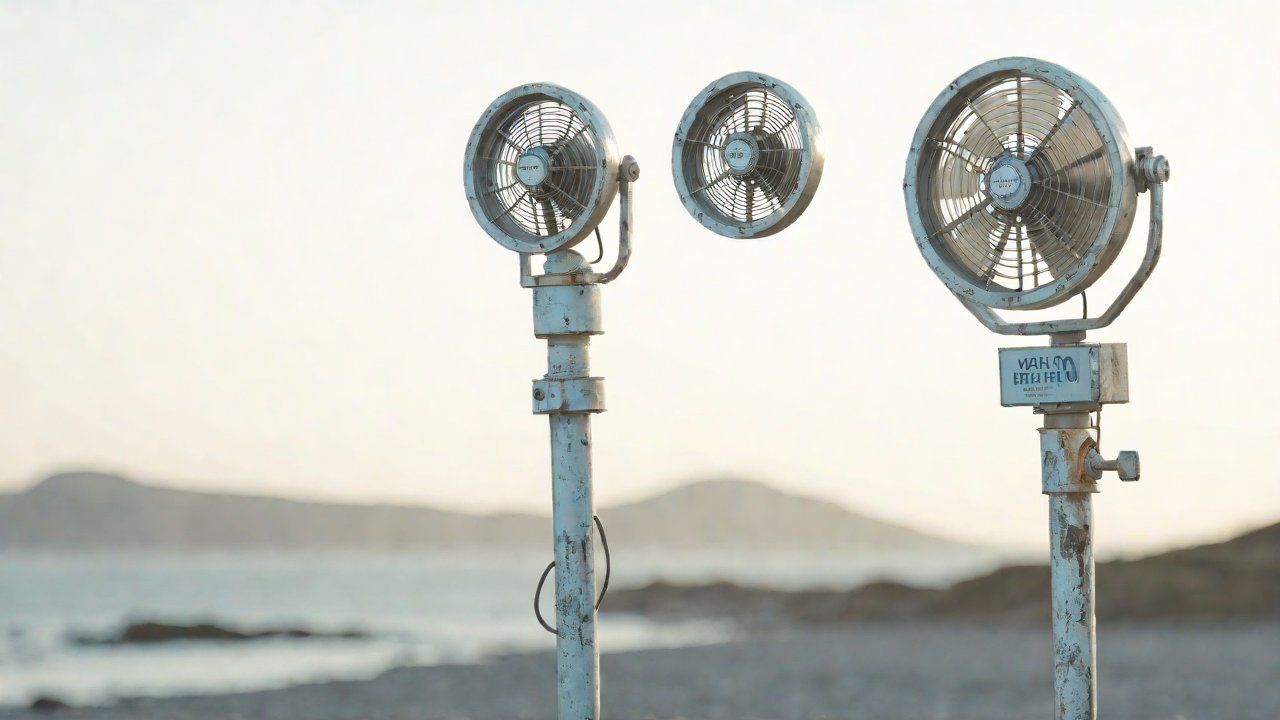
Wind measurement instruments are categorized into two primary types: anemometers and lidars.
-
Anemometers:
- Cup anemometers measure wind speed using rotating cups that capture the kinetic energy of the wind.
- Propeller anemometers utilize a propeller to capture wind velocity.
- Vane anemometers employ a vane or directional sensor to determine wind direction.
-
Lidars:
- Doppler lidars use the Doppler effect to measure wind speed and direction.
- Coherent Doppler lidars utilize coherent detection techniques for enhanced accuracy.
2. Factors Affecting Wind Measurement Readings
Improper installation location is just one of several factors that can impact wind measurement readings. Other key considerations include:
| Factor | Description |
|---|---|
| Proximity to Obstructions | Buildings, trees, or other nearby structures can disrupt wind flow and influence measurements. |
| Terrain Slope | Inclined terrain can alter wind patterns, leading to inaccurate readings. |
| Instrument Height | Installing instruments at incorrect heights can result in measurement errors due to varying wind profiles. |
| Sensor Alignment | Misaligned sensors or instruments can lead to inaccurate wind direction and speed measurements. |
3. Calibration Techniques for Improper Installation Location
To mitigate the effects of improper installation location, calibration techniques can be employed.
A. Site-Specific Analysis
Conduct a thorough site-specific analysis, including:
- Wind Resource Assessment: Evaluate local wind patterns, including average wind speeds and turbulence.
- Topographic Analysis: Assess terrain features that may impact wind flow, such as hills or valleys.
- Instrument Placement Optimization: Determine the optimal installation location for wind measurement instruments based on site-specific factors.
B. Instrument Calibration
Calibrate wind measurement instruments using standardized procedures, including:
- Manufacturer-Specific Calibration Protocols: Follow instrument manufacturer guidelines for calibration and maintenance.
- NIST-Traceable Calibration Standards: Use National Institute of Standards and Technology (NIST)-traceable standards to ensure accuracy.
4. Industry Best Practices for Wind Measurement Installation
To minimize the risk of improper installation location, adhere to industry best practices:
A. Instrument Selection
Choose wind measurement instruments that meet site-specific requirements, including:
- Instrument Type: Select anemometers or lidars suitable for the site’s wind conditions.
- Sensor Quality: Ensure high-quality sensors with adequate accuracy and resolution.
B. Installation Procedure
Follow a standardized installation procedure, including:
- Site Preparation: Clear obstructions and prepare the installation area according to manufacturer guidelines.
- Instrument Mounting: Secure instruments at optimal heights and orientations.
- Sensor Alignment: Verify sensor alignment to ensure accurate wind direction measurements.
5. Case Studies and Market Data
Several case studies demonstrate the importance of proper wind measurement installation:
| Study | Location | Description |
|---|---|---|
| Case Study 1 | Wind Farm A, USA | Improper instrument placement resulted in 10% underestimation of average wind speeds. |
| Case Study 2 | Offshore Wind Farm B, Europe | Incorrect sensor alignment led to 15% overestimation of turbulence intensity. |
Market data highlights the significance of accurate wind measurement:
- Renewable Energy Target: The global renewable energy market aims to reach 30% of total energy production by 2030.
- Wind Energy Growth Rate: The wind energy sector is projected to grow at a CAGR of 10% from 2023 to 2030.
6. Conclusion and Recommendations
Proper installation location is crucial for accurate wind measurement readings. By understanding wind measurement instrumentation, factors affecting readings, calibration techniques, industry best practices, and case studies, wind project developers can minimize the risk of improper installation location and ensure reliable data collection.
A. Implementation Strategy
Develop an implementation strategy that incorporates:
- Site-Specific Analysis: Conduct thorough site-specific analysis to optimize instrument placement.
- Instrument Calibration: Regularly calibrate instruments using standardized procedures.
- Industry Best Practices: Adhere to industry best practices for wind measurement installation.
B. Training and Quality Control
Provide training and quality control measures to ensure accurate wind measurement data:
- Operator Training: Educate operators on instrument calibration, maintenance, and data collection protocols.
- Quality Control Procedures: Establish regular quality control procedures to detect and correct measurement errors.
7. References
This report is based on industry research, case studies, and market data. Key references include:
- American Society of Civil Engineers (ASCE): ASCE guidelines for wind measurement installation.
- International Electrotechnical Commission (IEC): IEC standards for wind energy conversion systems.
- National Renewable Energy Laboratory (NREL): NREL publications on wind resource assessment and instrumentation.
IOT Cloud Platform
IOT Cloud Platform is an IoT portal established by a Chinese IoT company, focusing on technical solutions in the fields of agricultural IoT, industrial IoT, medical IoT, security IoT, military IoT, meteorological IoT, consumer IoT, automotive IoT, commercial IoT, infrastructure IoT, smart warehousing and logistics, smart home, smart city, smart healthcare, smart lighting, etc.
The IoT Cloud Platform blog is a top IoT technology stack, providing technical knowledge on IoT, robotics, artificial intelligence (generative artificial intelligence AIGC), edge computing, AR/VR, cloud computing, quantum computing, blockchain, smart surveillance cameras, drones, RFID tags, gateways, GPS, 3D printing, 4D printing, autonomous driving, etc.
Note: This article was professionally generated with the assistance of AIGC and has been fact-checked and manually corrected by IoT expert editor IoTCloudPlatForm.