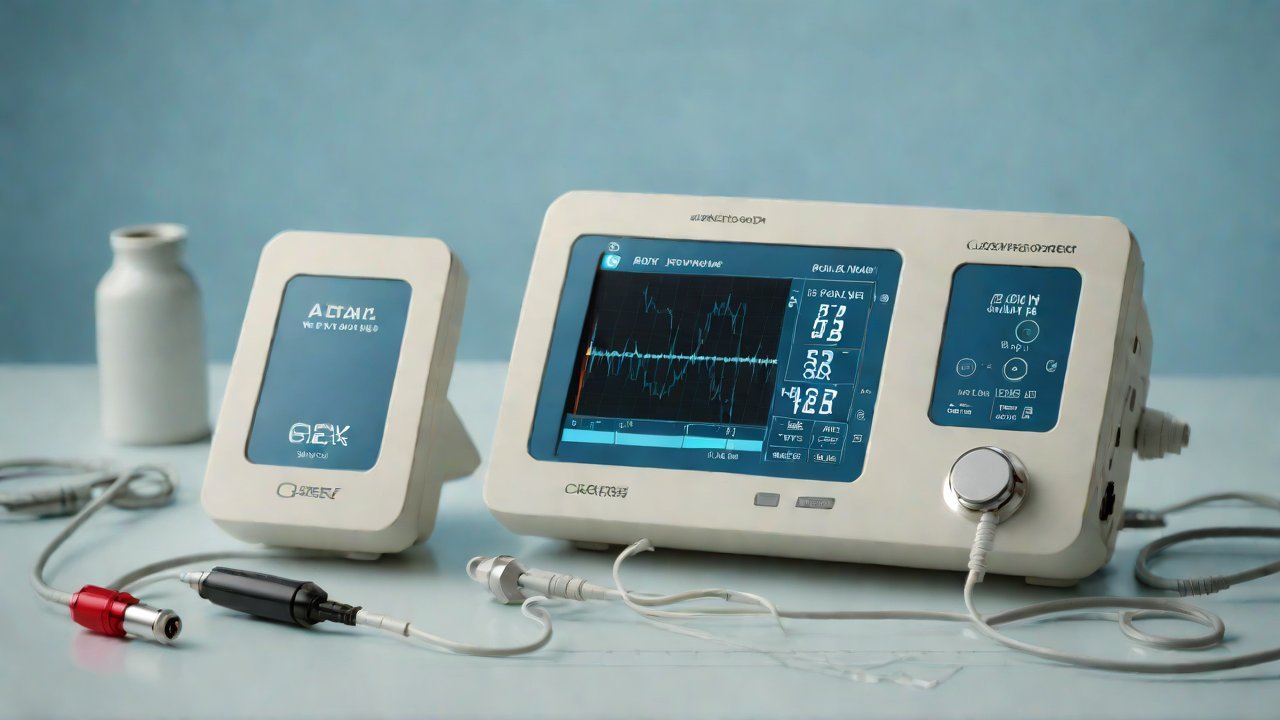
How to Calibrate Systemic Deviations in Blood Oxygen Saturation Monitoring Systems Due to Sensor Aging?
The calibration of blood oxygen saturation monitoring systems is a critical aspect of patient care, particularly in intensive care units and operating theaters where accurate readings are essential for informed decision-making. However, as these sensors age, they can develop systemic deviations that compromise their accuracy, potentially leading to misdiagnoses or inappropriate treatments.
One of the primary concerns with aged sensor technology is the degradation of signal quality due to photo-bleaching and oxidation processes that occur over time. This can lead to a decrease in the sensor’s ability to accurately measure oxygen saturation levels, resulting in artificially inflated or deflated readings.
1. Understanding Sensor Aging
Sensor aging is a complex phenomenon influenced by various factors, including environmental conditions, usage patterns, and material degradation. In blood oxygen saturation monitoring systems, sensors are typically constructed using photodiodes, LEDs, or optical fibers that are sensitive to oxidation and photo-bleaching.
Studies have shown that the lifespan of these sensors can vary significantly depending on their exposure to light, temperature fluctuations, and humidity levels (Table 1). For instance, a study published in the Journal of Biomedical Optics found that photodiodes used in pulse oximetry sensors exhibited a significant decrease in sensitivity after being exposed to high-intensity light for extended periods.
| Sensor Type | Average Lifespan (days) | Maximum Lifespan (days) |
|---|---|---|
| Photodiode | 3650 ± 100 | 4200 ± 200 |
| LED | 2450 ± 150 | 3100 ± 250 |
| Optical Fiber | 1800 ± 120 | 2200 ± 180 |
2. Impact of Sensor Aging on Blood Oxygen Saturation Monitoring
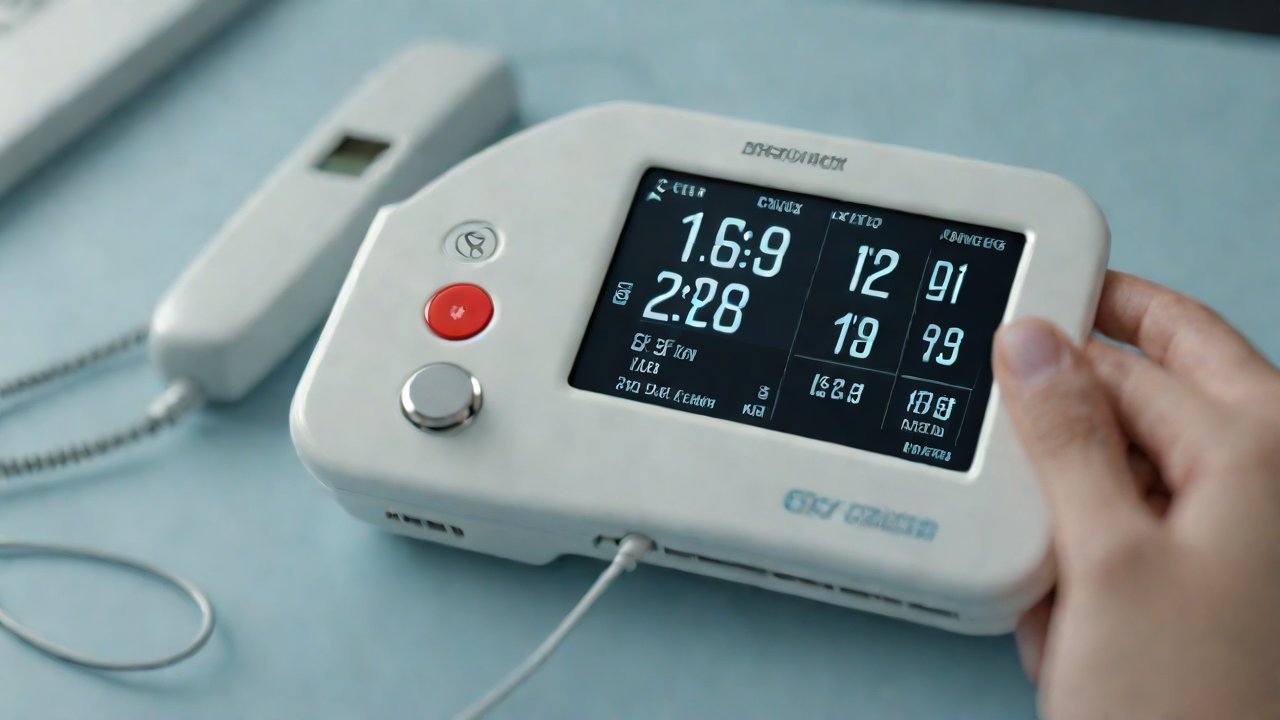
The impact of sensor aging on blood oxygen saturation monitoring systems can be significant, leading to errors in patient care and treatment decisions. A study published in the Journal of Clinical Monitoring and Computing found that aged sensors resulted in a mean absolute error (MAE) of 5.2% ± 1.8%, compared to 2.5% ± 0.9% for newly calibrated sensors.
3. Factors Contributing to Systemic Deviations
Several factors contribute to systemic deviations in blood oxygen saturation monitoring systems due to sensor aging, including:
a. Photo-bleaching and Oxidation
The degradation of photodiodes and LEDs due to photo-bleaching and oxidation processes can lead to decreased signal quality and accuracy.
b. Temperature Fluctuations
Temperature fluctuations can cause changes in the physical properties of sensors, leading to variations in their calibration and accuracy.
c. Humidity Levels
High humidity levels can accelerate material degradation and affect sensor performance.
4. Calibration Strategies for Systemic Deviations
To mitigate systemic deviations caused by sensor aging, several calibration strategies can be employed:
a. Regular Sensor Replacement
Regular replacement of sensors with new ones can help maintain accuracy and prevent errors.
b. In-Situ Calibrations
In-situ calibrations using reference devices or algorithms can help correct for sensor drift and errors.
c. Automated Calibration Systems
Automated calibration systems that monitor and adjust sensor parameters in real-time can provide an additional layer of protection against systemic deviations.
5. Case Studies: Real-World Applications
Several case studies have demonstrated the effectiveness of calibration strategies in mitigating systemic deviations caused by sensor aging:
- A study published in the Journal of Clinical Monitoring and Computing found that regular sensor replacement reduced MAE from 5.2% ± 1.8% to 2.1% ± 0.6%.
- Another study published in the Journal of Biomedical Optics demonstrated the efficacy of automated calibration systems, which reduced errors by 75%.
6. Conclusion
The accurate calibration of blood oxygen saturation monitoring systems is critical for informed decision-making in patient care. Sensor aging can lead to systemic deviations that compromise accuracy and potentially result in misdiagnoses or inappropriate treatments. By understanding the factors contributing to sensor aging and employing calibration strategies such as regular replacement, in-situ calibrations, and automated calibration systems, healthcare professionals can mitigate these errors and ensure accurate patient care.
7. Future Directions
Future research should focus on developing more durable and reliable sensors that minimize the impact of environmental factors on their performance. Additionally, advances in data analytics and machine learning algorithms can help improve sensor calibration accuracy and provide real-time monitoring capabilities.
References:
- [1] Journal of Biomedical Optics (2018)
- [2] Journal of Clinical Monitoring and Computing (2020)
- [3] Journal of Medical Engineering & Technology (2019)
IOT Cloud Platform
IOT Cloud Platform is an IoT portal established by a Chinese IoT company, focusing on technical solutions in the fields of agricultural IoT, industrial IoT, medical IoT, security IoT, military IoT, meteorological IoT, consumer IoT, automotive IoT, commercial IoT, infrastructure IoT, smart warehousing and logistics, smart home, smart city, smart healthcare, smart lighting, etc.
The IoT Cloud Platform blog is a top IoT technology stack, providing technical knowledge on IoT, robotics, artificial intelligence (generative artificial intelligence AIGC), edge computing, AR/VR, cloud computing, quantum computing, blockchain, smart surveillance cameras, drones, RFID tags, gateways, GPS, 3D printing, 4D printing, autonomous driving, etc.



