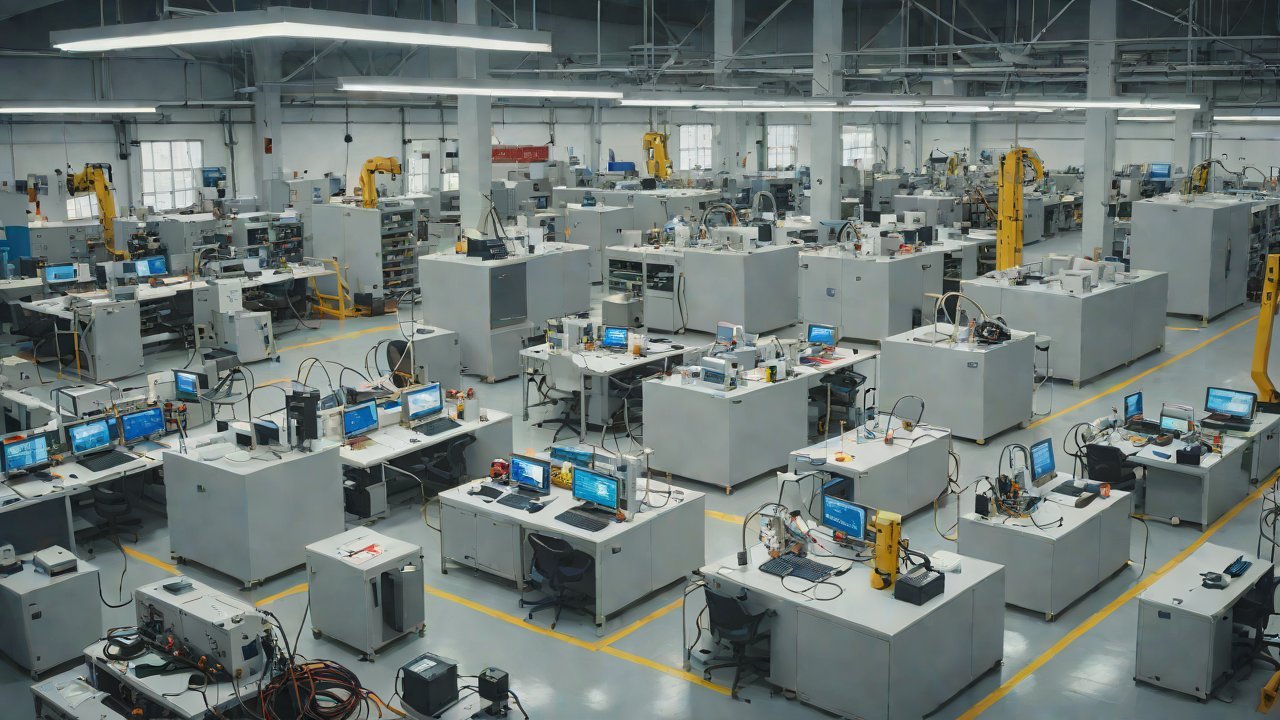
How to Achieve Synchronous Optimization of Thousands of Air Quality Monitors via Remote Commands?
The air quality monitoring landscape is witnessing a paradigm shift, driven by technological advancements and growing concerns over environmental health. With thousands of air quality monitors installed worldwide, optimizing their performance in real-time has become a pressing need. Achieving synchronous optimization of these monitors via remote commands is no longer a luxury but a necessity to ensure data accuracy, reduce operational costs, and enhance public safety.
The concept of IoT (Internet of Things) has enabled seamless connectivity between devices, allowing for remote monitoring and control. However, implementing this in the context of air quality monitoring poses unique challenges due to factors like diverse hardware and software configurations, varying network infrastructures, and stringent data security requirements.
To overcome these hurdles, a multi-faceted approach is required, combining cutting-edge technologies with robust infrastructure development. The following sections will delve into the intricacies of achieving synchronous optimization of thousands of air quality monitors via remote commands.
1. Infrastructure Development
A reliable and scalable network infrastructure is essential for remote monitoring and control. This includes:
| Criteria | Requirements |
|---|---|
| Network Type | High-speed, low-latency networks (e.g., fiber-optic) |
| Bandwidth | Sufficient bandwidth to support real-time data transmission (min. 1 Gbps) |
| Security | Implement robust security measures (e.g., encryption, firewalls) |
Table 1: Infrastructure Development Requirements
A comprehensive network architecture should be designed to accommodate the vast number of monitors, ensuring seamless communication and minimizing latency.
2. Hardware and Software Standardization
To ensure smooth integration and efficient data exchange, hardware and software standardization is crucial. This can be achieved through:
| Criteria | Recommendations |
|---|---|
| Hardware Platforms | Standardize on a few widely adopted platforms (e.g., Raspberry Pi) |
| Operating Systems | Utilize open-source operating systems (e.g., Linux) for ease of customization |
| Communication Protocols | Implement standardized communication protocols (e.g., MQTT, CoAP) |

Table 2: Hardware and Software Standardization Recommendations
Standardizing hardware and software components will facilitate easier maintenance, updates, and integration with existing infrastructure.
3. Data Analytics and Visualization
Effective data analytics and visualization are vital for real-time decision-making. This includes:
| Criteria | Requirements |
|---|---|
| Data Storage | Utilize distributed databases (e.g., Cassandra) for scalable storage |
| Data Processing | Implement in-memory computing frameworks (e.g., Apache Spark) for real-time processing |
| Visualization Tools | Leverage libraries and frameworks (e.g., D3.js, Chart.js) for interactive visualizations |
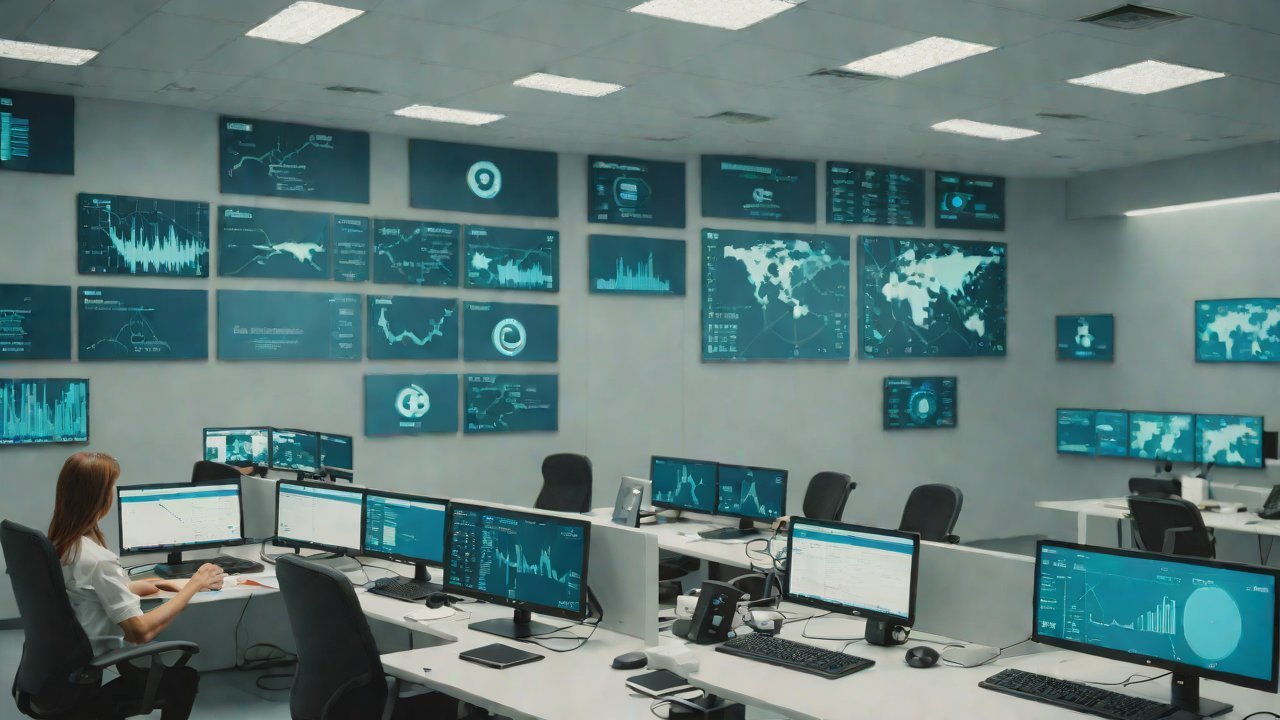
Table 3: Data Analytics and Visualization Requirements
Advanced data analytics and visualization tools will enable quick identification of trends, anomalies, and areas requiring optimization.
4. Remote Command Execution and Synchronization
To achieve synchronous optimization, remote command execution and synchronization are essential. This can be achieved through:
| Criteria | Recommendations |
|---|---|
| Communication Protocols | Utilize standardized communication protocols (e.g., MQTT, CoAP) for bidirectional communication |
| Command Execution | Implement a centralized command execution framework (e.g., Apache Airflow) for scheduling and monitoring |
Table 4: Remote Command Execution and Synchronization Recommendations
A robust remote command execution mechanism will ensure that commands are executed in real-time across all monitors.
5. Security, Scalability, and Maintainability
To ensure the long-term viability of the system, security, scalability, and maintainability must be prioritized. This includes:
| Criteria | Requirements |
|---|---|
| Security Measures | Implement robust security measures (e.g., encryption, firewalls) to prevent unauthorized access |
| Scalability | Design a scalable architecture to accommodate growing numbers of monitors |
| Maintenance Tools | Utilize tools and frameworks (e.g., Prometheus, Grafana) for monitoring and troubleshooting |

Table 5: Security, Scalability, and Maintainability Requirements
A well-designed system will ensure seamless operation, minimize downtime, and facilitate easy maintenance.
6. Implementation Roadmap and Budgeting
A comprehensive implementation roadmap and budget plan are essential to guide the development process. This includes:
| Criteria | Recommendations |
|---|---|
| Phased Implementation | Break down implementation into manageable phases (e.g., infrastructure, analytics) |
| Resource Allocation | Allocate sufficient resources (human, financial) for each phase |
Table 6: Implementation Roadmap and Budgeting Recommendations
A structured approach to implementation will ensure timely completion, within budget, and with minimal disruptions.
In conclusion, achieving synchronous optimization of thousands of air quality monitors via remote commands requires a multi-faceted approach, combining cutting-edge technologies with robust infrastructure development. By following the guidelines outlined in this report, organizations can create a scalable, secure, and maintainable system that ensures accurate data collection, reduces operational costs, and enhances public safety.
IOT Cloud Platform
IOT Cloud Platform is an IoT portal established by a Chinese IoT company, focusing on technical solutions in the fields of agricultural IoT, industrial IoT, medical IoT, security IoT, military IoT, meteorological IoT, consumer IoT, automotive IoT, commercial IoT, infrastructure IoT, smart warehousing and logistics, smart home, smart city, smart healthcare, smart lighting, etc.
The IoT Cloud Platform blog is a top IoT technology stack, providing technical knowledge on IoT, robotics, artificial intelligence (generative artificial intelligence AIGC), edge computing, AR/VR, cloud computing, quantum computing, blockchain, smart surveillance cameras, drones, RFID tags, gateways, GPS, 3D printing, 4D printing, autonomous driving, etc.
Note: This article was professionally generated with the assistance of AIGC and has been fact-checked and manually corrected by IoT expert editor IoTCloudPlatForm.