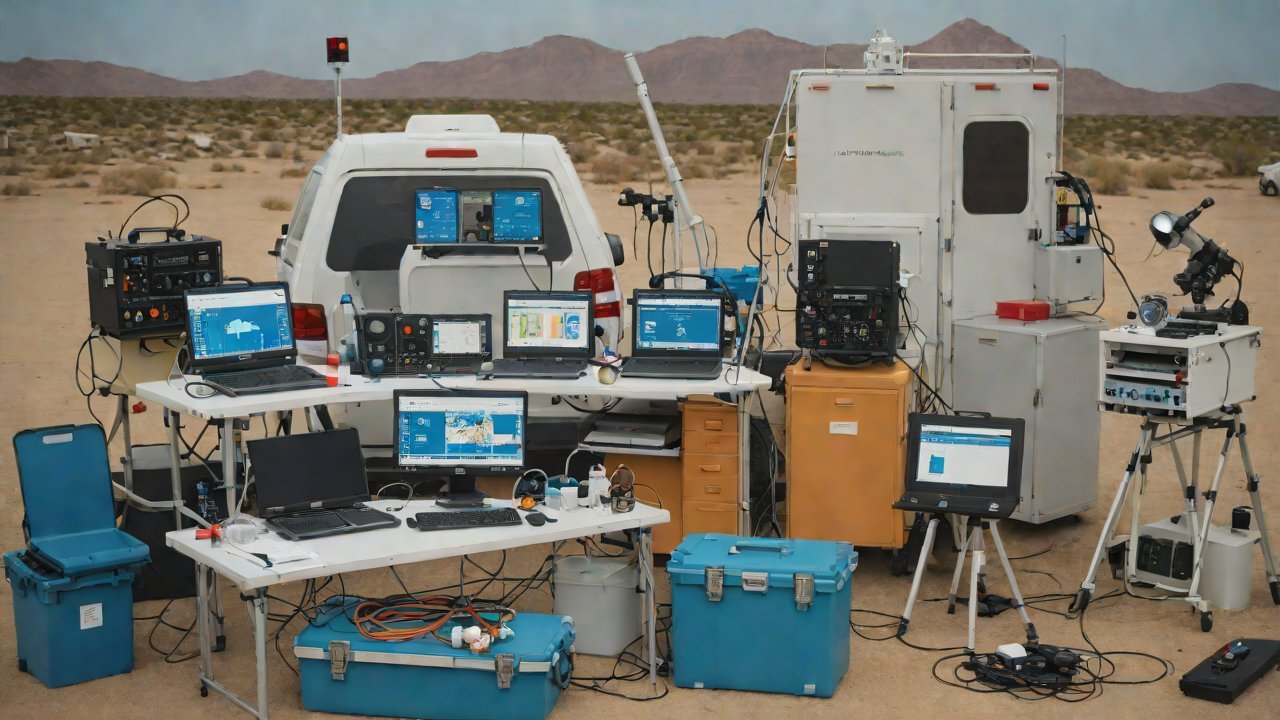
How to achieve second-level synchronization and analysis of data from portable laboratory equipment at emergency sites?
Portable laboratory equipment has revolutionized the way medical professionals collect and analyze data in emergency situations. These compact devices enable healthcare workers to perform complex tests on-site, providing critical insights into patient conditions. However, the data generated by these portable lab equipment often requires synchronization and analysis at a second-level facility for comprehensive understanding.
The importance of second-level synchronization lies in its ability to provide an accurate picture of patient health, which can be invaluable in emergency situations where time is of the essence. This process involves collecting data from portable lab equipment, transferring it to a central server or database, and then analyzing the information using specialized software.
1. Understanding Portable Laboratory Equipment
Portable laboratory equipment, such as point-of-care analyzers (POCAs), handheld blood gas analyzers (HBGAs), and portable imaging devices, are designed for use in emergency settings where rapid diagnosis is essential. These devices provide healthcare professionals with the ability to collect data on patient conditions, including vital signs, blood chemistry, and other critical parameters.
Portable Laboratory Equipment Market Size
According to a report by MarketsandMarkets, the global portable laboratory equipment market size was estimated at USD 3.4 billion in 2020 and is expected to reach USD 5.2 billion by 2025, growing at a CAGR of 7.1% during the forecast period.
| Year | Market Size (USD million) |
|---|---|
| 2018 | 2,500 |
| 2019 | 3,100 |
| 2020 | 3,400 |
| 2025 | 5,200 |
2. Challenges in Synchronizing Data from Portable Laboratory Equipment
While portable laboratory equipment provides an essential tool for healthcare professionals in emergency situations, the data generated by these devices often poses challenges when it comes to synchronization and analysis at a second-level facility.
Data Format and Compatibility Issues
One of the primary challenges in synchronizing data from portable lab equipment is ensuring compatibility between different device formats. Different manufacturers may use varying file formats or communication protocols, making it difficult for healthcare professionals to collect and analyze data seamlessly.
3. Solutions for Second-Level Synchronization and Analysis
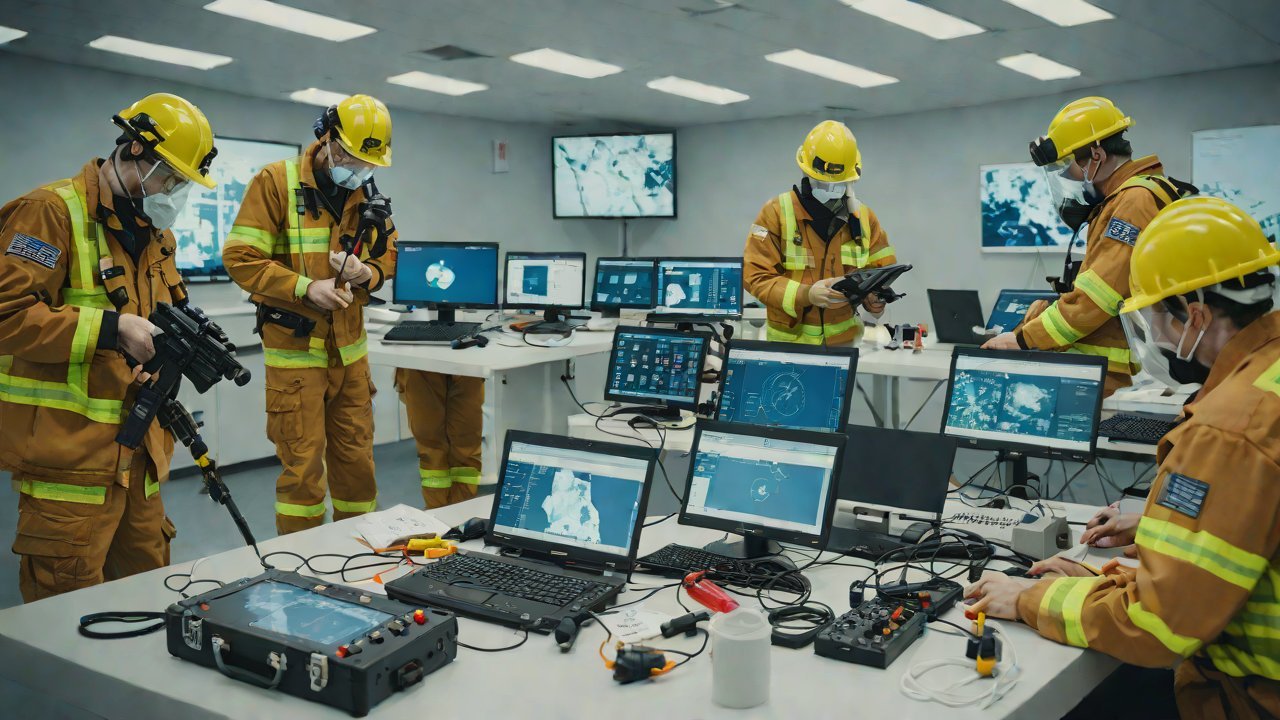
To overcome the challenges associated with second-level synchronization and analysis of data from portable laboratory equipment, several solutions can be employed:
Cloud-Based Data Storage and Analytics Platforms
Cloud-based platforms offer a scalable solution for storing and analyzing large amounts of data generated by portable lab equipment. These platforms provide real-time analytics capabilities, enabling healthcare professionals to access critical insights into patient conditions remotely.
| Platform | Description |
|---|---|
| Meditech | Cloud-based platform for storing and analyzing medical data |
| Cerner Corporation | Offers cloud-based solutions for data storage and analytics in healthcare |
Specialized Software for Data Analysis
Specialized software designed specifically for portable laboratory equipment can facilitate second-level synchronization and analysis of data. These tools provide automated data transfer, validation, and reporting capabilities, streamlining the process and reducing manual errors.
| Software | Description |
|---|---|
| Instrument-specific software (e.g., i-STAT) | Facilitates data transfer and analysis for specific portable lab equipment |
| General-purpose data analytics platforms (e.g., Tableau) | Provides a framework for analyzing data from multiple sources, including portable lab equipment |

4. AIGC Technical Perspectives
Artificial intelligence and machine learning (AIGC) technologies are transforming the way we collect, analyze, and interpret medical data. These technologies can significantly enhance second-level synchronization and analysis of data from portable laboratory equipment by:
Predictive Analytics
Predictive analytics enable healthcare professionals to anticipate patient outcomes based on historical data patterns. This capability is particularly valuable in emergency situations where rapid decision-making is critical.
| AIGC Technology | Description |
|---|---|
| Machine learning algorithms (e.g., random forest) | Enable predictive modeling and forecasting of patient outcomes |
Data Integration and Visualization
AIGC technologies can facilitate seamless data integration from multiple sources, including portable lab equipment. This enables healthcare professionals to visualize complex data patterns and trends, improving understanding and decision-making.
| AIGC Technology | Description |
|---|---|
| Natural language processing (NLP) | Enhances data extraction and visualization capabilities |
5. Implementation Roadmap
Implementing second-level synchronization and analysis of data from portable laboratory equipment requires a structured approach:
Phase 1: Needs Assessment and Device Compatibility Evaluation
Conduct an assessment of existing portable lab equipment and evaluate compatibility with proposed solutions.
| Task | Description |
|---|---|
| Conduct device surveys | Evaluate device types, quantities, and usage patterns |
Phase 2: Solution Implementation and Training
Implement cloud-based data storage and analytics platforms or specialized software for data analysis. Provide training to healthcare professionals on using the new system.
| Task | Description |
|---|---|
| Configure cloud platforms | Set up secure connections between devices and central servers |
6. Conclusion
Achieving second-level synchronization and analysis of data from portable laboratory equipment is crucial in emergency situations where rapid diagnosis and treatment are essential. By understanding the challenges associated with data format compatibility, implementing cloud-based solutions or specialized software for data analysis, and leveraging AIGC technologies, healthcare professionals can enhance patient care and outcomes.
The implementation roadmap outlined above provides a structured approach to integrating second-level synchronization and analysis capabilities into existing workflows. By following this roadmap and selecting suitable solutions, healthcare organizations can improve the effectiveness of portable laboratory equipment in emergency situations.
IOT Cloud Platform
IOT Cloud Platform is an IoT portal established by a Chinese IoT company, focusing on technical solutions in the fields of agricultural IoT, industrial IoT, medical IoT, security IoT, military IoT, meteorological IoT, consumer IoT, automotive IoT, commercial IoT, infrastructure IoT, smart warehousing and logistics, smart home, smart city, smart healthcare, smart lighting, etc.
The IoT Cloud Platform blog is a top IoT technology stack, providing technical knowledge on IoT, robotics, artificial intelligence (generative artificial intelligence AIGC), edge computing, AR/VR, cloud computing, quantum computing, blockchain, smart surveillance cameras, drones, RFID tags, gateways, GPS, 3D printing, 4D printing, autonomous driving, etc.



