How to Achieve Real-Time Decoupled Monitoring of Home Energy Consumption Using Raspberry Pi?
The proliferation of IoT devices has given rise to a new wave of interest in home energy monitoring, driven by increasing awareness about the importance of sustainable living and energy efficiency. As consumers become more environmentally conscious, there is a growing demand for innovative solutions that enable real-time tracking and analysis of energy consumption patterns within homes.
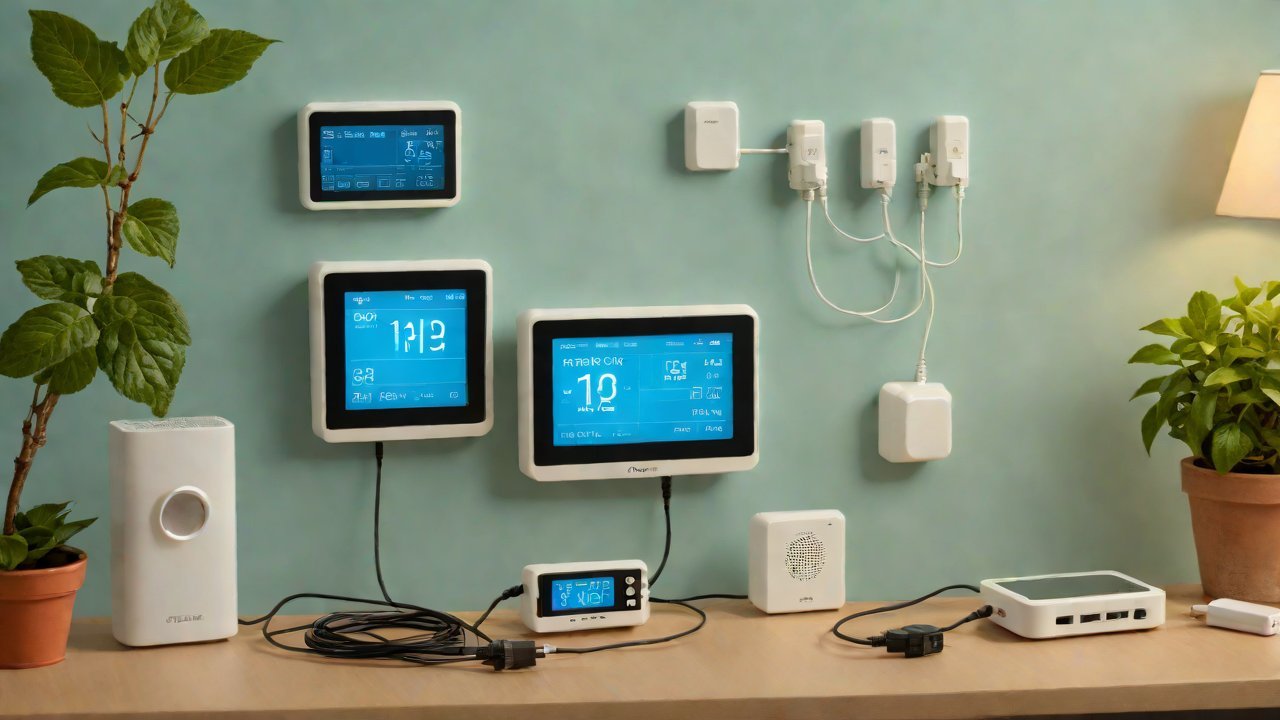
One such solution can be achieved using Raspberry Pi, an affordable and versatile single-board computer that has gained popularity in IoT projects due to its ease of use and extensive community support. By leveraging the capabilities of Raspberry Pi, it is possible to design a low-cost, real-time decoupled monitoring system for home energy consumption.
1. Understanding Home Energy Consumption
Home energy consumption can be broadly categorized into three main areas: electricity, gas, and water. Each of these categories has its unique characteristics and requirements for monitoring. For instance, electricity consumption is typically measured in kilowatt-hours (kWh), while gas consumption is often expressed in therms or cubic meters.
To develop an effective home energy monitoring system, it is essential to understand the various factors that influence energy consumption patterns within a household. These include:
| Factor | Description |
|---|---|
| Occupancy | Presence of family members and guests |
| Appliances | Number and type of appliances used |
| Lighting | Usage patterns for lighting fixtures |
| Climate Control | Temperature settings and usage of heating/cooling systems |
2. Designing the Monitoring System
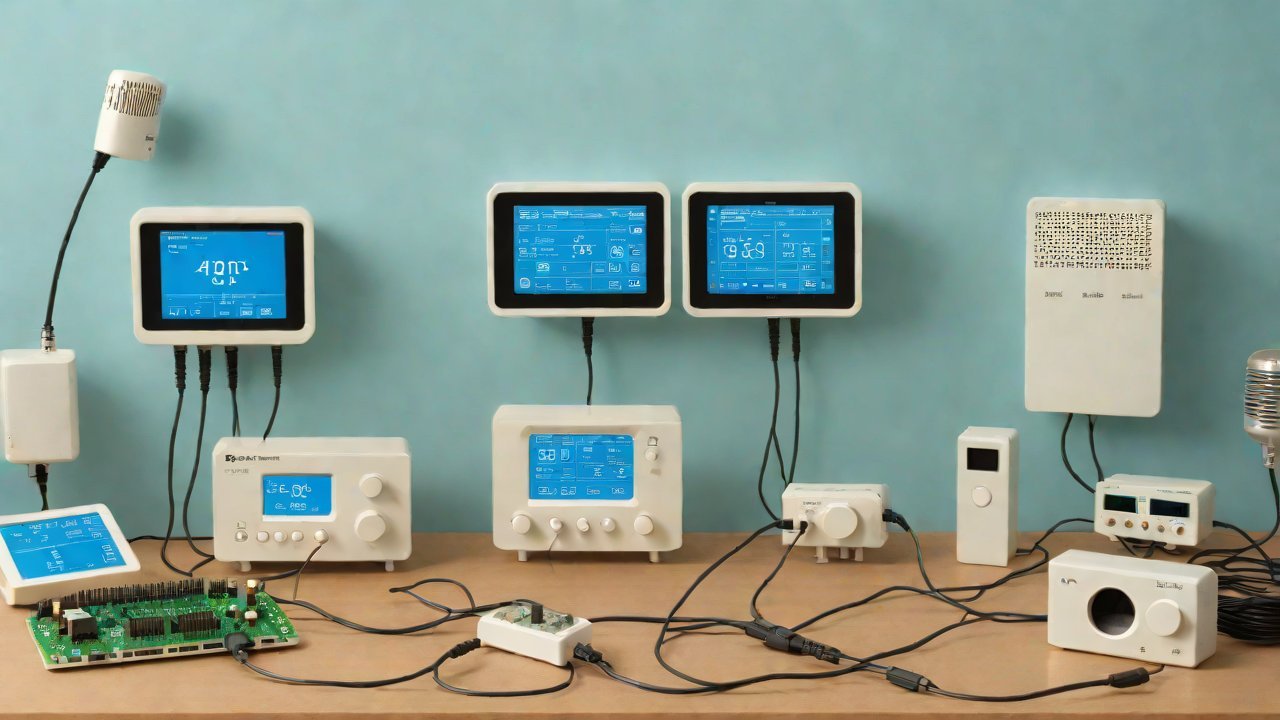
The real-time decoupled monitoring system can be designed using a modular approach, consisting of three primary components:
- Energy Meter: This component is responsible for measuring energy consumption in real-time. There are various types of energy meters available, including smart meters that provide detailed data on energy usage.
- Raspberry Pi: As the brain of the system, Raspberry Pi will collect and process data from the energy meter, perform calculations, and store information in a database.
- User Interface: A user-friendly interface will be designed to display real-time energy consumption data, providing users with insights into their energy usage patterns.
3. Implementing Energy Meter Connectivity
To connect the energy meter to Raspberry Pi, several options can be explored:
- Modbus Protocol: Many energy meters support Modbus protocol, which allows for easy communication between devices.
- MQTT (Message Queuing Telemetry Transport): This lightweight messaging protocol is widely used in IoT applications and enables efficient data transfer between devices.
4. Collecting and Processing Data
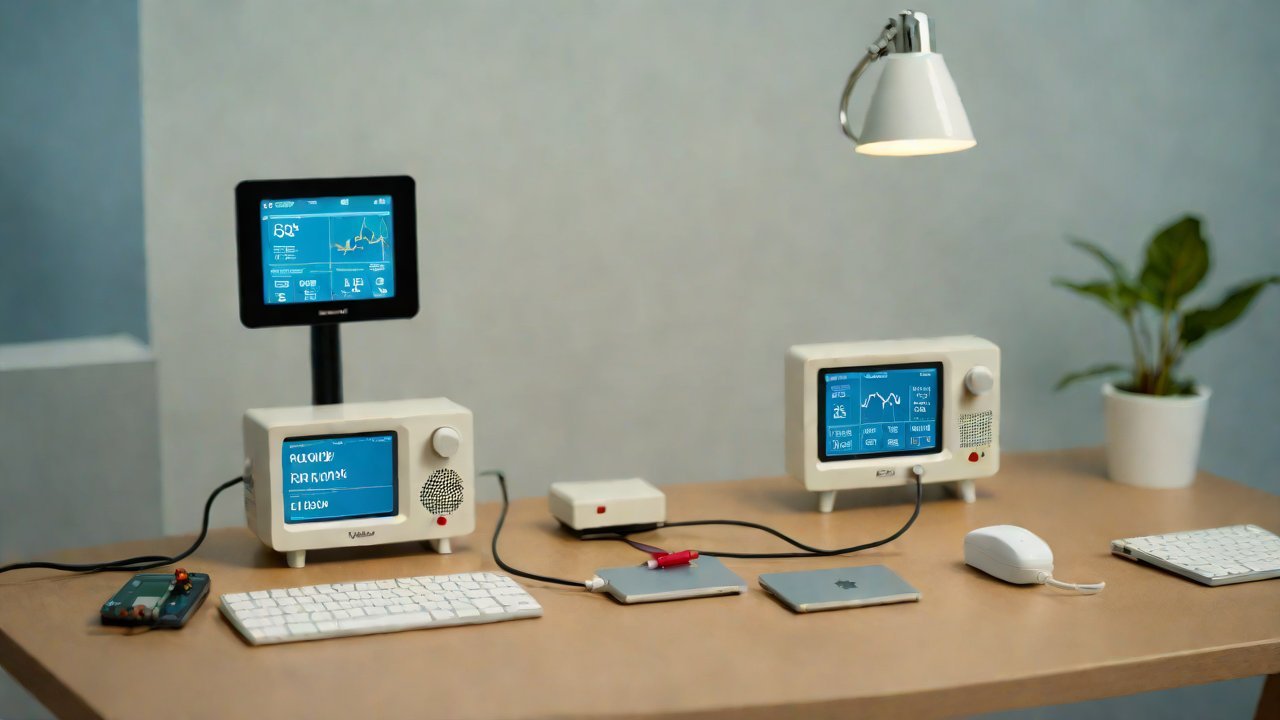
Once the energy meter is connected to Raspberry Pi, data can be collected using Python scripts or libraries such as pyModbus for Modbus communication or paho-mqtt for MQTT.
Data processing involves:
- Data Cleaning: Ensuring accuracy and removing any anomalies
- Data Analysis: Applying statistical models to identify trends and patterns in energy consumption
5. Storing Data in a Database
A database management system (DBMS) will be used to store collected data, enabling efficient retrieval and analysis.
Popular DBMS options include:
| Option | Description |
|---|---|
| MySQL | Relational database management system |
| PostgreSQL | Object-relational database management system |
6. Designing the User Interface
A user-friendly interface will be designed using web development frameworks such as Flask or Django, allowing users to visualize their energy consumption data in real-time.
Key features of the user interface include:
- Real-Time Data Display: Users can view current energy consumption levels and trends.
- Historical Data Analysis: Users can analyze past energy consumption patterns to identify areas for improvement.
7. Security Considerations
As with any IoT project, security is a top priority. Measures will be taken to ensure data integrity, prevent unauthorized access, and protect against potential threats:
| Threat | Description |
|---|---|
| Data Tampering | Ensuring that data cannot be modified or deleted |
| Unauthorized Access | Implementing secure authentication mechanisms |
8. Conclusion
Achieving real-time decoupled monitoring of home energy consumption using Raspberry Pi is a feasible and cost-effective solution. By leveraging the capabilities of Raspberry Pi, it is possible to design an innovative system that provides users with valuable insights into their energy usage patterns.
This report has outlined the key components of such a system, including the energy meter, Raspberry Pi, user interface, data collection and processing, database management, and security considerations.
By implementing this solution, homeowners can take proactive steps towards reducing their energy consumption, contributing to a more sustainable future.
IOT Cloud Platform
IOT Cloud Platform is an IoT portal established by a Chinese IoT company, focusing on technical solutions in the fields of agricultural IoT, industrial IoT, medical IoT, security IoT, military IoT, meteorological IoT, consumer IoT, automotive IoT, commercial IoT, infrastructure IoT, smart warehousing and logistics, smart home, smart city, smart healthcare, smart lighting, etc.
The IoT Cloud Platform blog is a top IoT technology stack, providing technical knowledge on IoT, robotics, artificial intelligence (generative artificial intelligence AIGC), edge computing, AR/VR, cloud computing, quantum computing, blockchain, smart surveillance cameras, drones, RFID tags, gateways, GPS, 3D printing, 4D printing, autonomous driving, etc.